Tag

Planet Forming Disk

All articles tagged with #planet forming disk

astronomy1 year ago

"Uncovering the Massive Water Loss in the Orion Nebula with JWST"

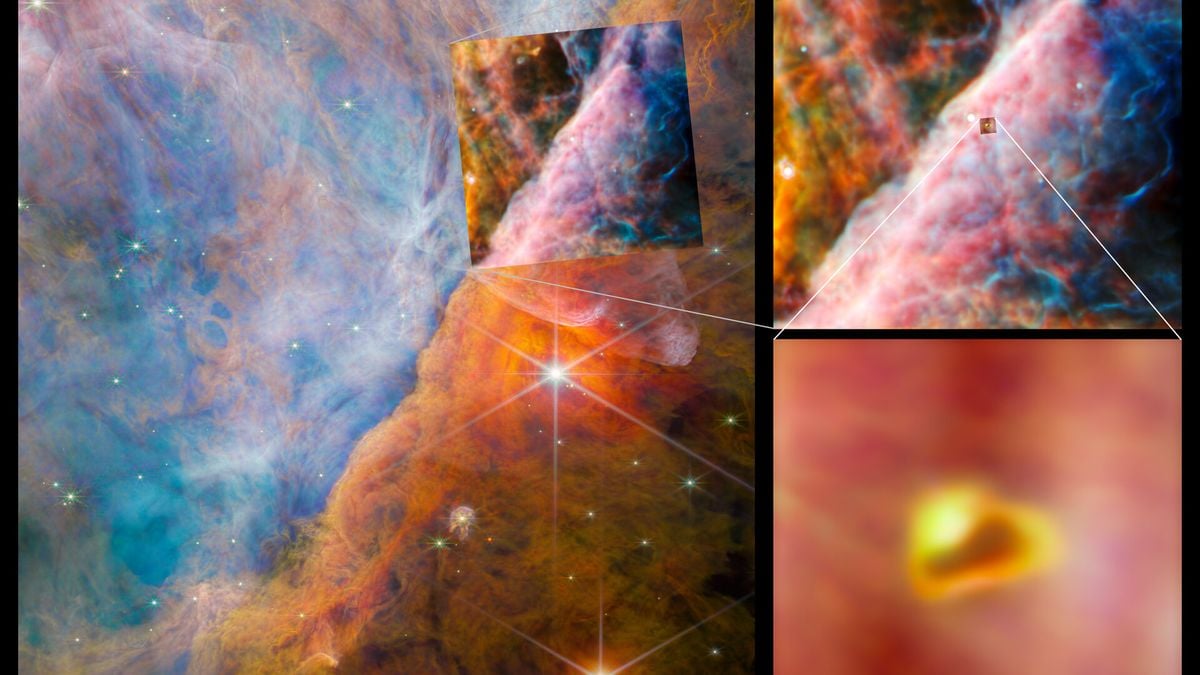
Researchers, including astrophysicists Els Peeters and Jan Cami, have discovered the destruction and re-formation of a significant amount of water in a planet-forming disk at the heart of the Orion Nebula, using observations from the James Webb Space Telescope and quantum physics calculations. The intense ultraviolet radiation in the Orion Nebula leads to the destruction and re-formation of water, making it a true interstellar laboratory. The equivalent of all of Earth's oceans' worth of water is estimated to be destroyed and replenished per month in the d203-506 system, shedding light on the enigmatic recycling of water in interstellar space.

astronomy2 years ago

"Astronomers Discover Triple Iron Rings in Planet-Forming Disk"

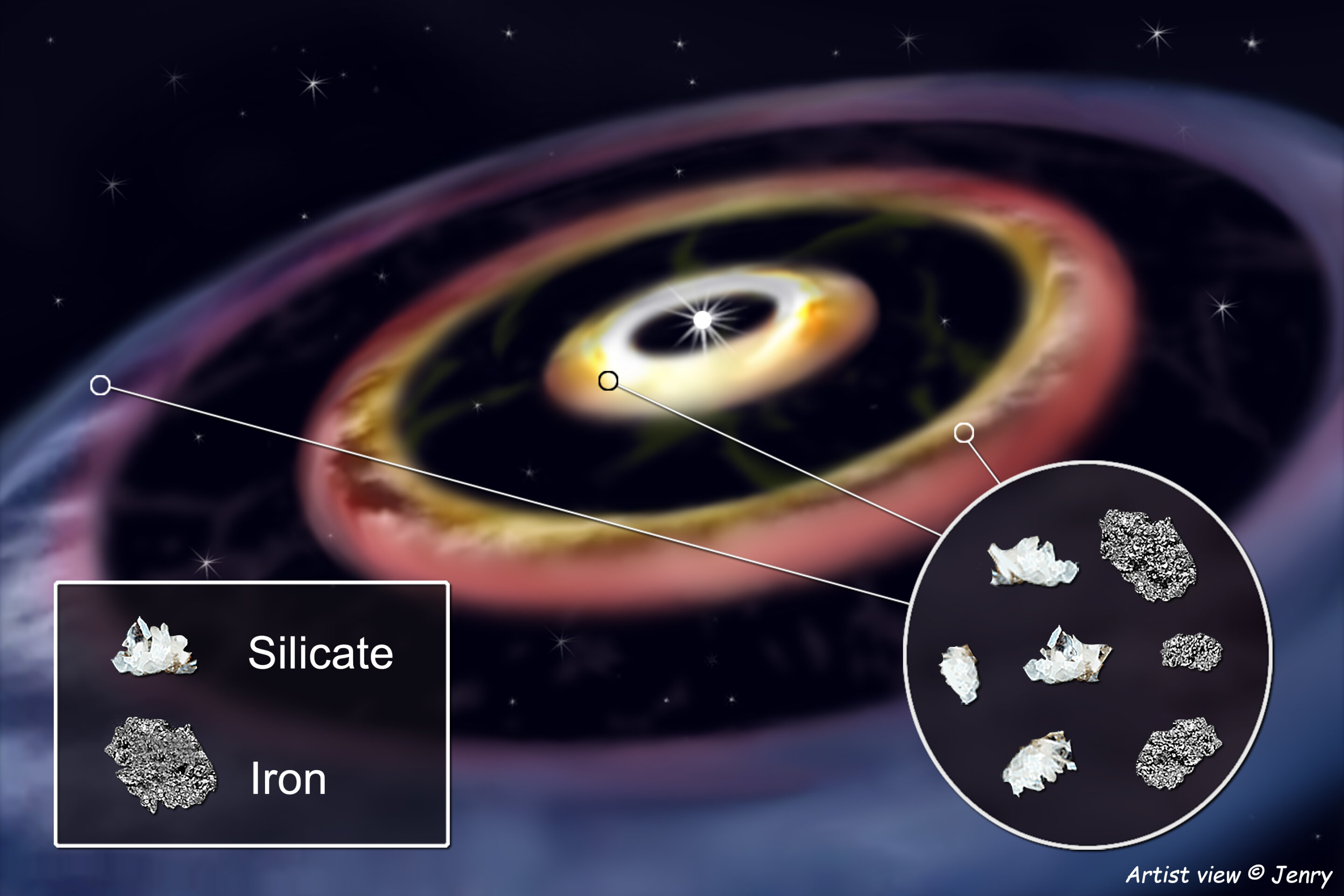
Astronomers using the Very Large Telescope Interferometer have observed three concentric iron-rich rings in the planet-forming disk of the young star HD 144432, resembling the region where rocky planets formed in the early solar system. The presence of iron and silicate compounds in the disk suggests similarities to the conditions of the early solar system, potentially shedding light on the composition of rocky planets like Earth. The high-resolution observations also indicate the potential formation of planets within the gaps of the ring system, providing valuable insights into the planet formation process around young stars.

science-and-astronomy2 years ago

"James Webb Space Telescope: Unveiling the Secrets of Planet Formation and Water Distribution in the Cosmos"

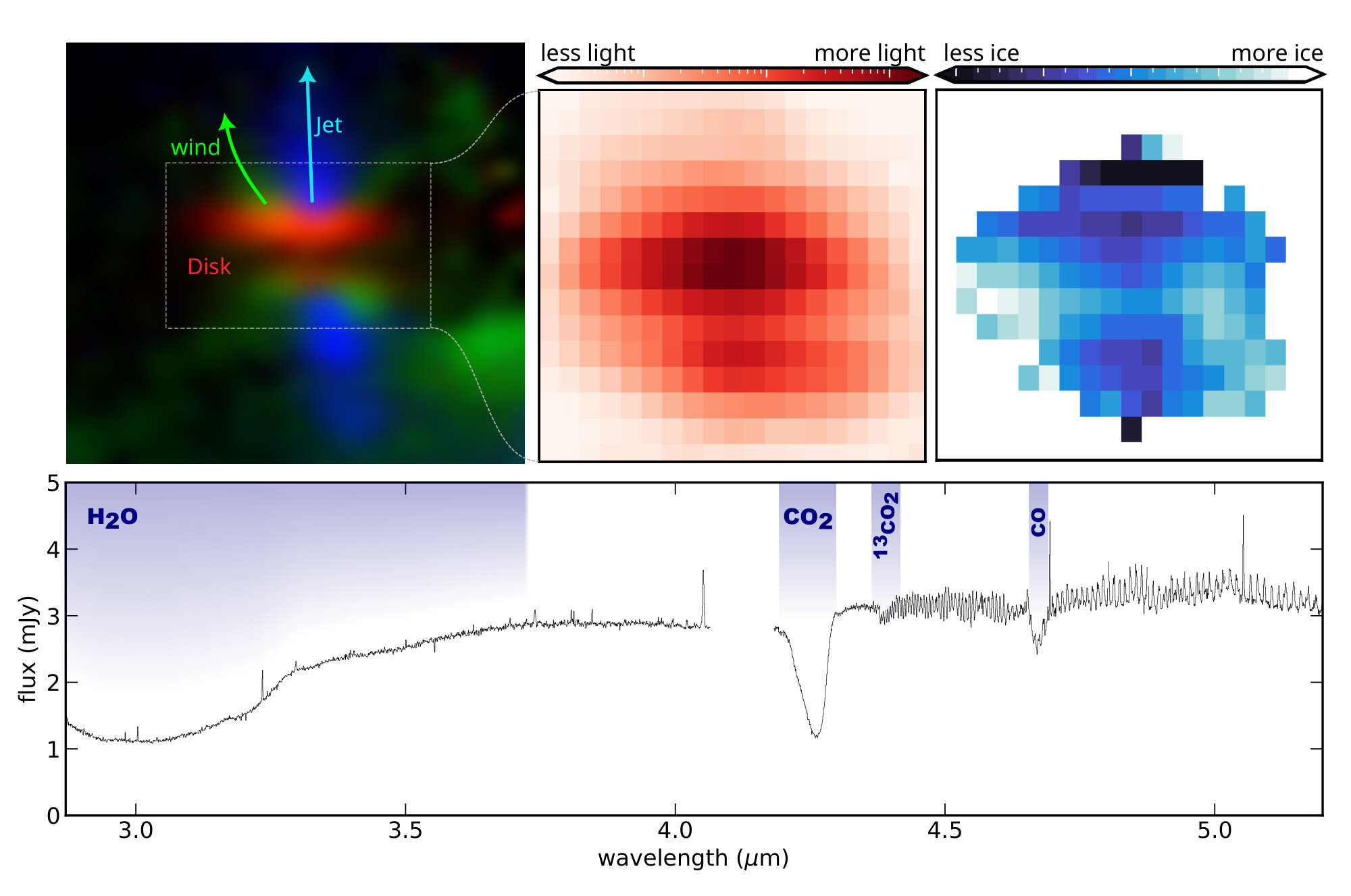
The James Webb Space Telescope (JWST) has created the first detailed 2-dimensional inventory of ice in a protoplanetary disk, providing important insights into the formation of planets and the potential for life. By observing a young star called HH 48 NE, the JWST detected the fingerprints of ammonia, cyanate, carbonyl sulfide, and heavy carbon dioxide in the form of ice. This discovery suggests that carbon monoxide ice in protoplanetary disks may be mixed with less volatile carbon dioxide and water, allowing planets with high carbon content to form closer to their stars than previously thought. The Ice Age team will continue to study other protoplanetary disks to further understand planetary compositions.

astronomy2 years ago

"James Webb telescope uncovers secrets of water and ice in planet-forming disks"

Astronomers have used the James Webb Space Telescope to create the first detailed inventory of ice in a planet-forming disk surrounding a young star. The study provides important insights into the formation of planets and comets, as ice plays a crucial role in their development. The researchers observed distinct peaks of water ice, carbon dioxide ice, carbon monoxide ice, ammonia ice, cyanate ice, carbonyl sulfide ice, and heavy carbon dioxide ice in the disk. The findings could lead to a better understanding of the physics and chemistry of star and planet formation, potentially modifying our current understanding of planetary compositions.

science-and-astronomy2 years ago

"James Webb Telescope Discovers Crucial Carbon Compounds for Life in Distant Star System"

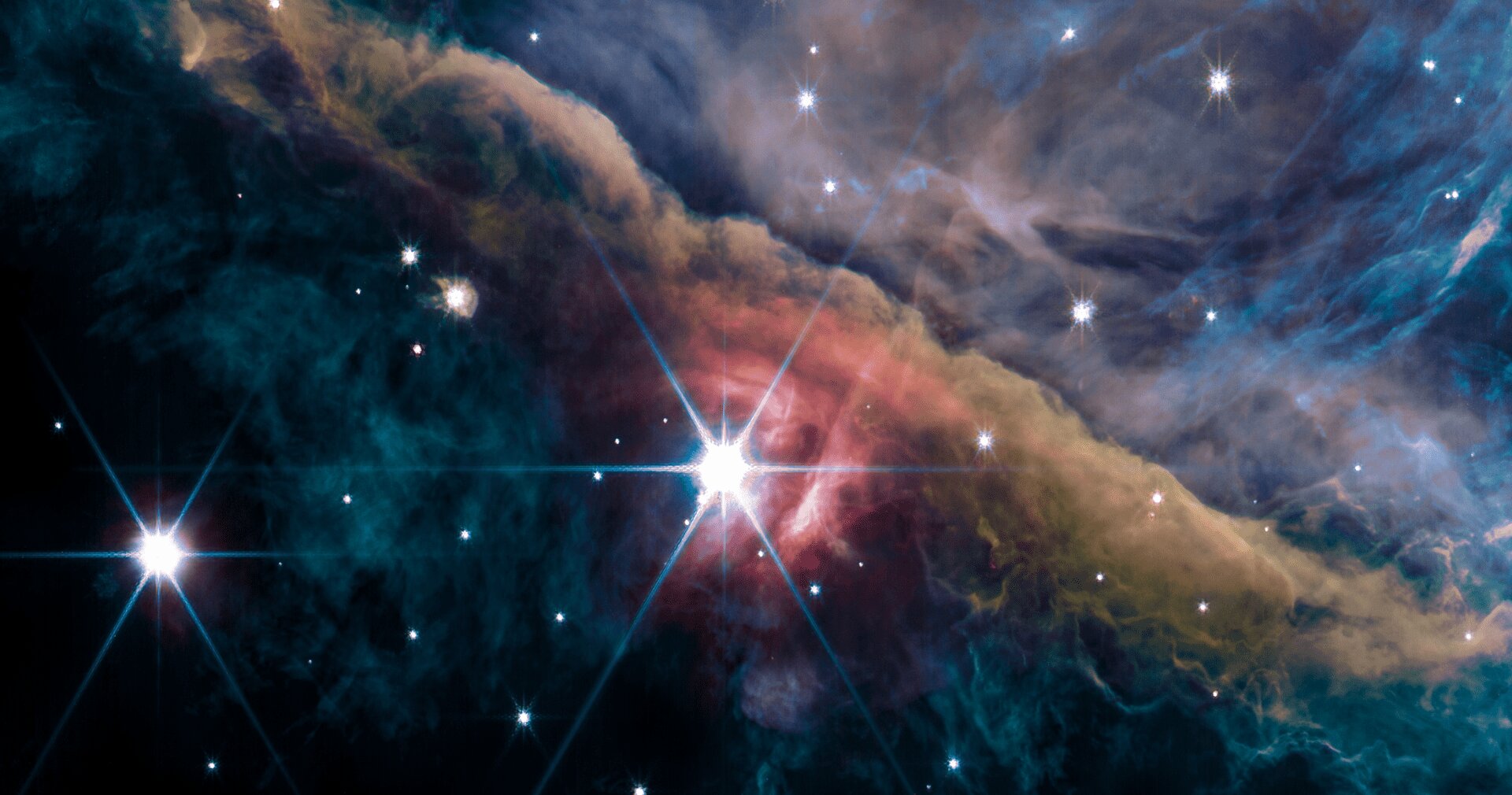
The James Webb Space Telescope (JWST) has detected a carbon molecule called methyl cation (CH3+) in a planet-forming disk around a young star in the Orion Nebula. This discovery is significant because it challenges the belief that intense ultraviolet radiation destroys complex organic molecules needed for life. Methyl cation is a key molecule in interstellar chemistry and can kick-start the growth of more complex carbon molecules. The detection of this molecule validates the sensitivity of JWST and provides insights into the early stages of life's origins.