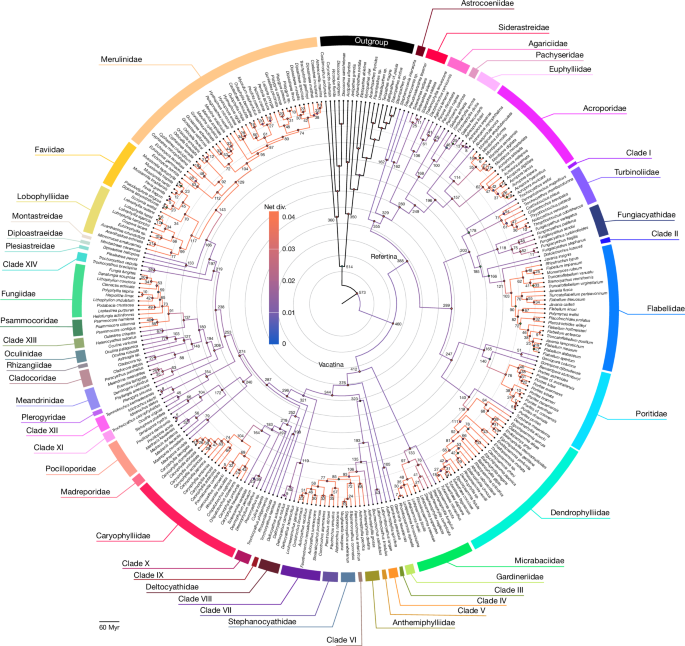
A comprehensive study on the evolutionary history of corals reveals their resilience and vulnerability to climate change and ocean chemistry changes over millions of years, highlighting both their past adaptability and current risks.
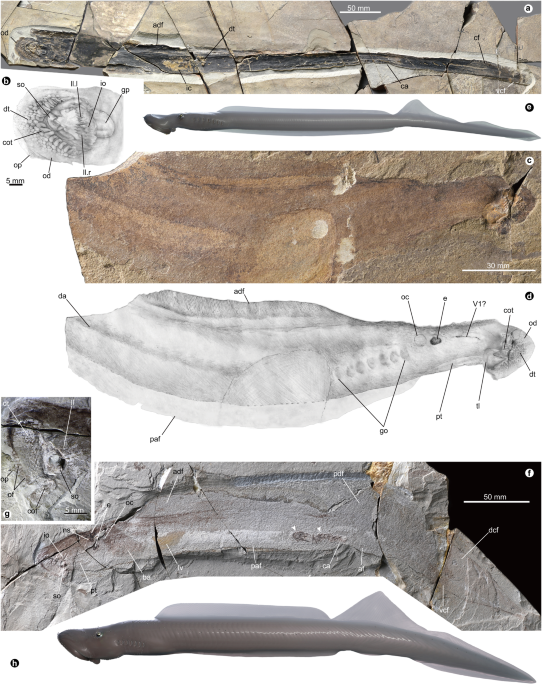
Fossil lampreys from the Jurassic period have shed light on the evolution of modern lampreys' feeding biology. The fossils, discovered in China, exhibit well-developed movable biting plates on the tongue-like piston, a feature never before seen in known fossil lampreys. These ancient lampreys had a toothed oral disc and tongue-like piston that closely resembled those of the pouched lamprey, a species now found in the Southern Hemisphere. The fossils provide insights into the evolutionary process, ancestral state, and coevolutionary interactions of lampreys, as well as the early biogeographical history of modern lampreys. Phylogenetic analyses based on the fossils have also revised the timeline and relationships of lamprey species.
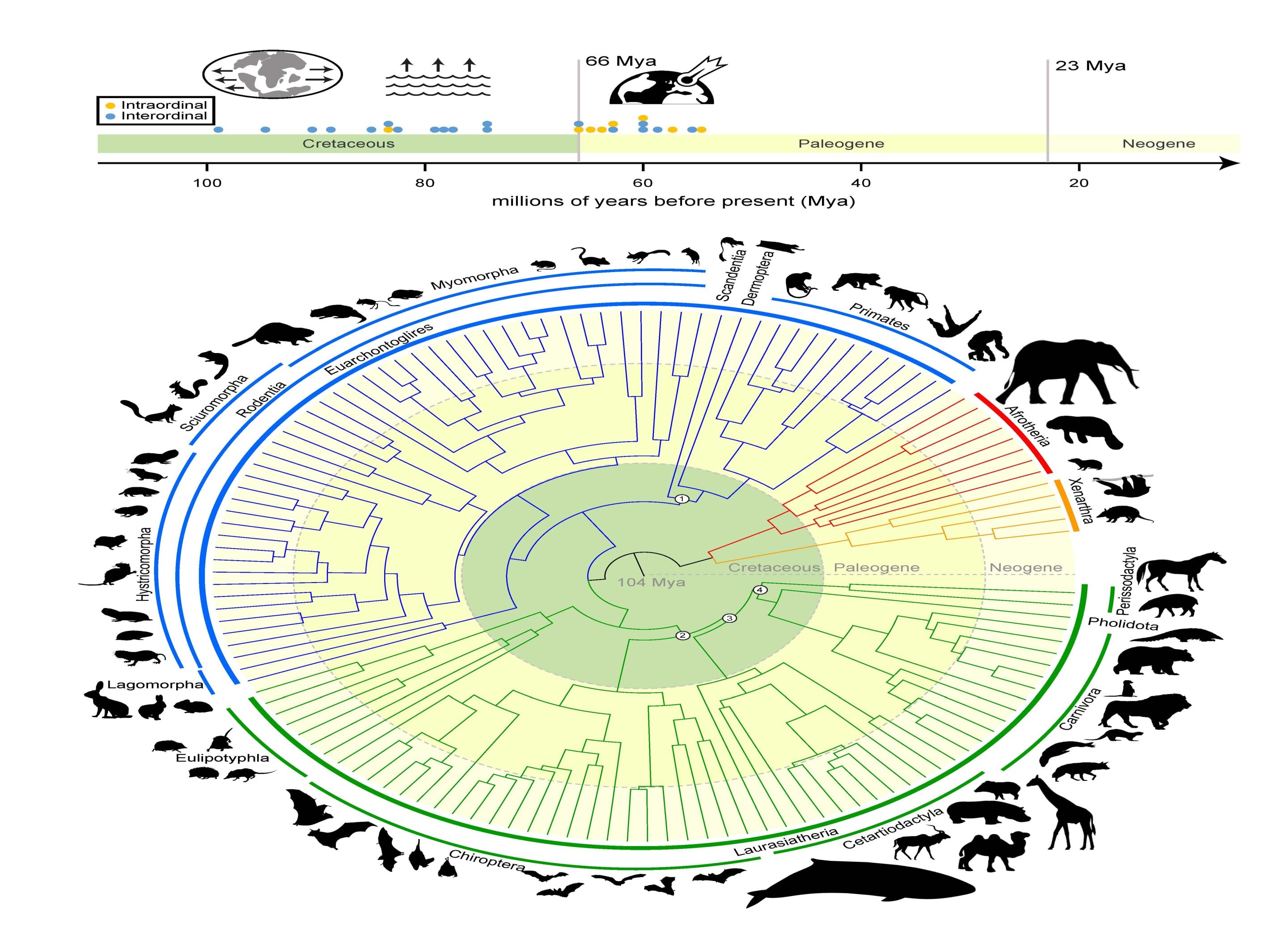
Researchers from the Texas A&M School of Veterinary Medicine and Biomedical Sciences have used the largest mammalian genomic dataset in history to determine the evolutionary history of mammals over the last 100 million years. The study, part of the Zoonomia Project, concludes that mammals began diversifying before the extinction of non-avian dinosaurs, as a result of continental drifting, and another pulse of diversification occurred immediately following the extinction. The research is crucial to the goals of the Zoonomia Project, which aims to harness the power of comparative genomics as a tool for human medicine and biodiversity conservation.
Two 52 million-year-old bat skeletons discovered in Wyoming are the oldest ever found and belong to a never-before-seen species, Icaronycteris gunnelli. The newfound species was slightly smaller than the closest known related bat species, Icaronycteris index. The fossils were discovered in the Green River Formation, and their discovery has triggered a reshuffle in the classification of early bats to include the newfound species in the family tree. The researchers think that Green River bats evolved independently from other Eocene bats.