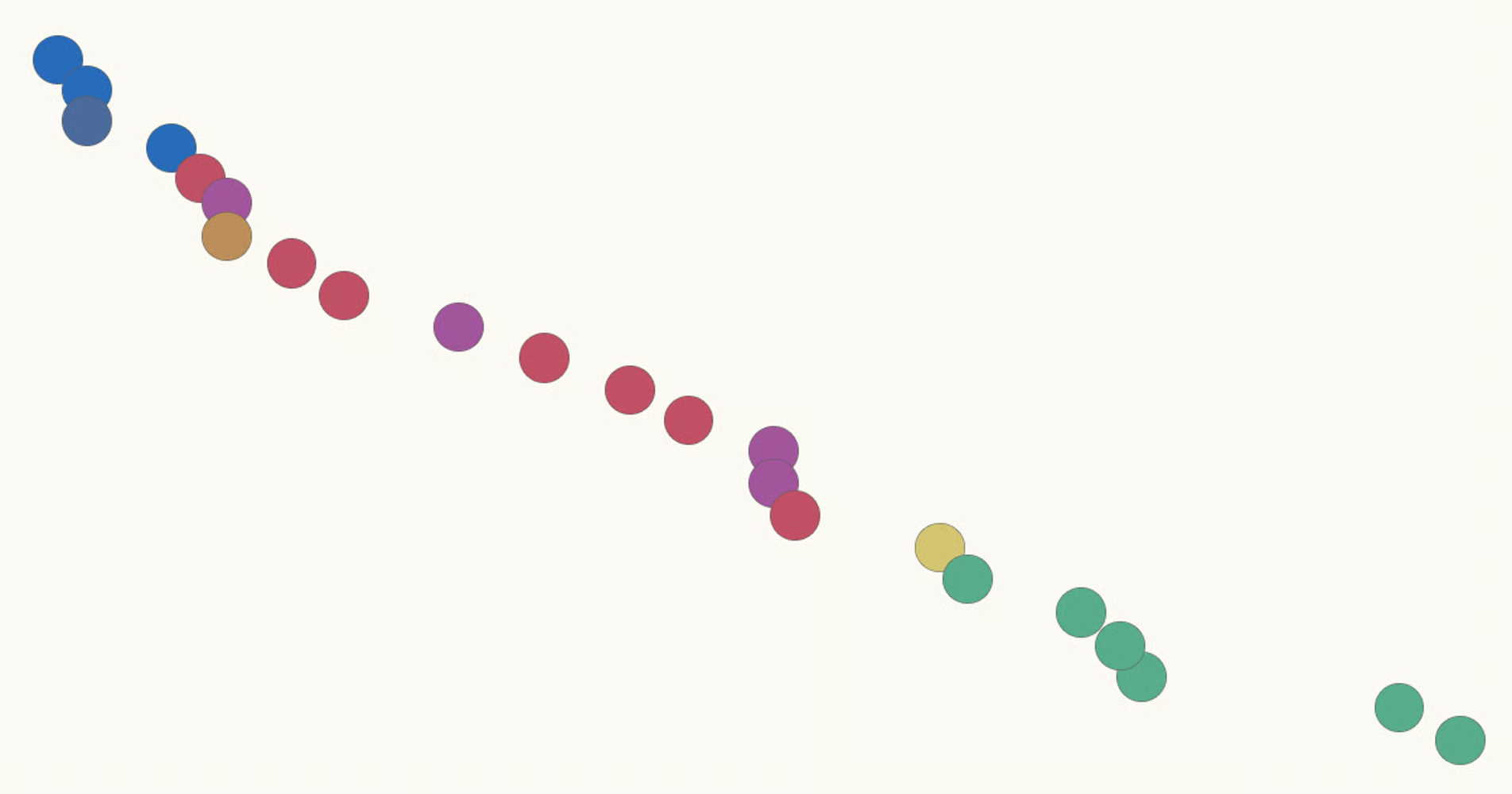
Over the past 70 years, anxiety treatments have evolved from tranquilizers like Miltown in the 1950s to benzodiazepines in the 1960s-70s, and then to SSRIs and SNRIs from the 1980s-2000s, with no new medications approved since 2004. Despite slowed innovation, existing treatments have been refined, and new approaches are in development, but effective, long-term solutions for everyone remain a challenge.

Foods can significantly interfere with medications, either enhancing or inhibiting their effects, as seen with grapefruit, cranberry juice, and herbs like turmeric. While some interactions pose risks of toxicity or reduced efficacy, researchers are exploring ways to harness these effects to improve treatment outcomes, emphasizing the importance of understanding individual food-drug interactions for safer and more effective therapies.
Research at the University of Reading suggests that flatworms called planaria could be used to study mental health treatments like schizophrenia, potentially replacing rodents in experiments and reducing ethical concerns, as they react to brain medicines similarly to rodents.
A Yale study suggests that Caligula, often seen as a mad and cruel Roman emperor, was actually knowledgeable about medicine, particularly hellebore treatments used in ancient Greece, indicating a more nuanced understanding of his character and medical practices of the time.
A new experimental obesity drug called SANA, derived from salicylate, may promote weight loss by increasing energy expenditure through creatine-dependent thermogenesis without suppressing appetite, showing promising results in a small human trial and offering a potential alternative to current GLP-1 based treatments.
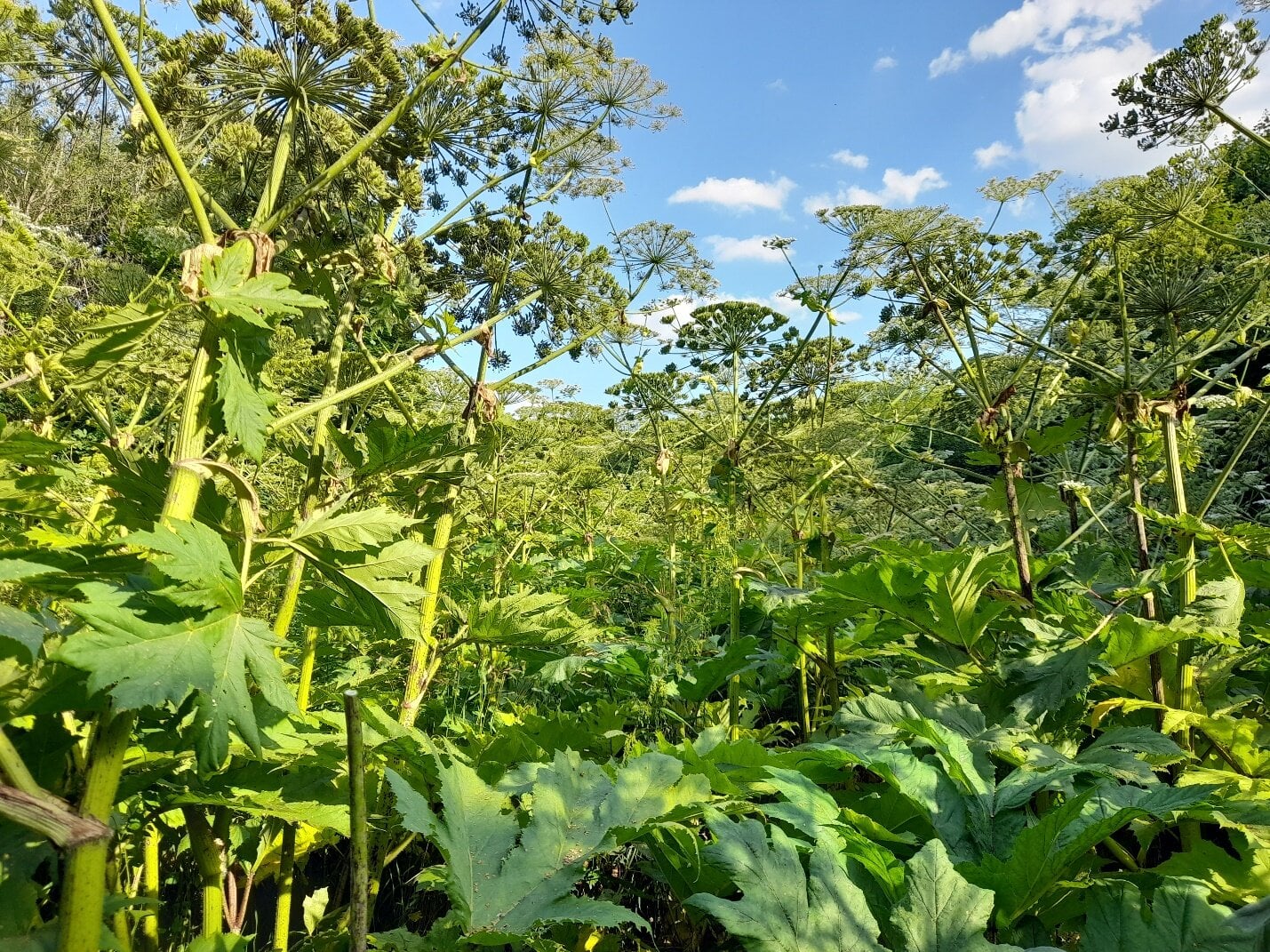
Scientists have studied the genome of Sosnowsky's hogweed, an invasive plant known for its poisonous juice that causes skin burns. They discovered that the plant has nearly twice as many genes as most other plants, with 55,000 genes compared to the usual 25,000-35,000. The researchers found that gene duplications are responsible for this phenomenon. The unique bioactive molecules found in hogweed could have practical applications in medicine and pharmacology, potentially leading to the development of new drugs. Understanding the plant's genome could also aid in the development of control and monitoring methods for this invasive species.
A study conducted by researchers at the Roswell Park Comprehensive Cancer Center has found that the use of lorazepam, a commonly prescribed anti-anxiety medication, stimulates the production of IL6, a pro-inflammatory cytokine, in pancreatic cancer cells. The study also revealed that higher levels of IL6 were associated with poorer survival outcomes in patients with pancreatic cancer. These findings suggest a potential link between lorazepam use, IL6 production, and disease progression in pancreatic cancer, highlighting the need for further research in this area.