
Tag

Phantom Limb Pain

All articles tagged with #phantom limb pain

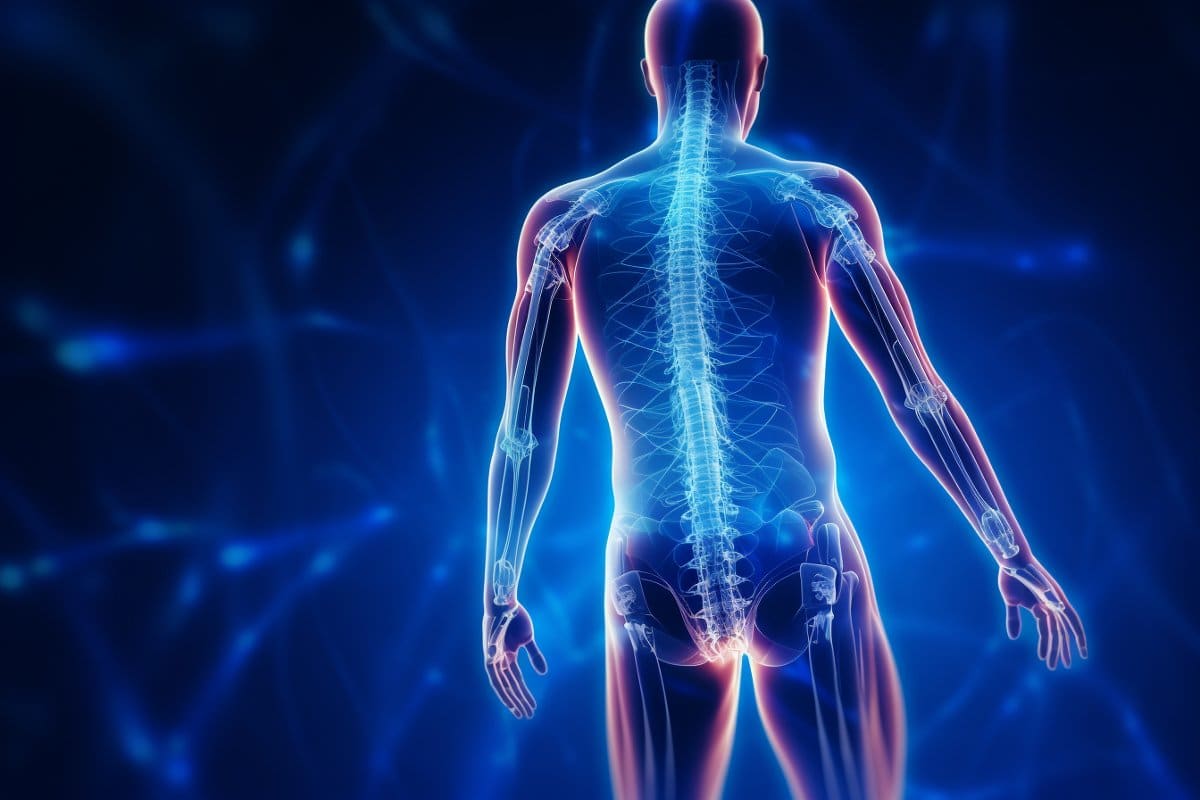
Breakthrough Spinal Cord Stimulation Relieves Phantom Limb Pain and Enhances Balance in Amputees
medicalneuroscience2 years ago

Breakthrough Spinal Cord Stimulation Relieves Phantom Limb Pain and Enhances Balance in Amputees

Researchers have discovered that spinal cord stimulation, triggered by pressure sensors on a prosthetic foot, can alleviate phantom limb pain in lower-limb amputees. This innovative approach not only reduces chronic pain but also improves balance and gait stability. The study offers hope for the 1.5 million Americans living with lower-limb amputation, providing a viable solution for chronic pain and mobility issues. The technology leverages existing clinical technologies, making it more accessible and scalable for widespread use.
Closed-loop Spinal Cord Stimulation: Restoring Foot Sensory Feedback and Alleviating Phantom Limb Pain
medical-science2 years ago

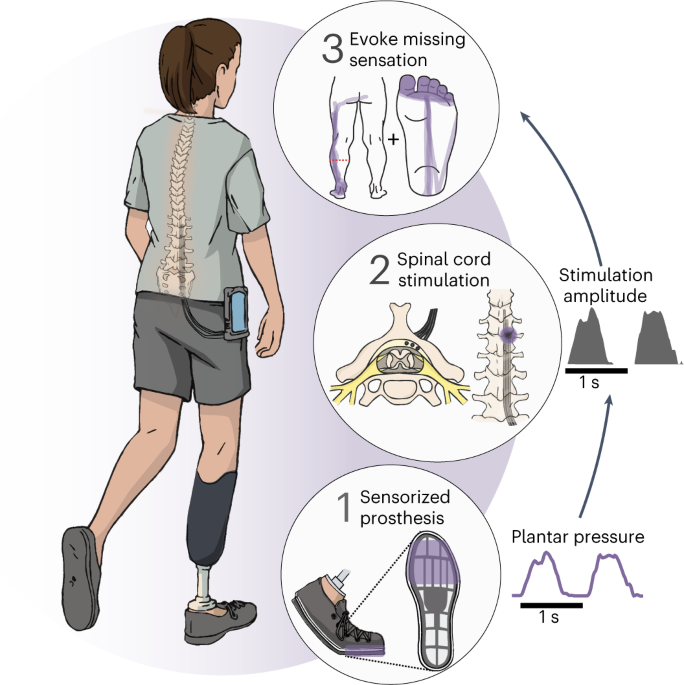
Closed-loop Spinal Cord Stimulation: Restoring Foot Sensory Feedback and Alleviating Phantom Limb Pain

Researchers have demonstrated the successful restoration of sensory feedback from the foot and reduction of phantom limb pain in individuals with lower-limb amputations through closed-loop spinal cord stimulation. By stimulating the spinal cord in response to pressure sensors on the sole of the foot, the study participants were able to perceive sensations in their missing limb and experience relief from phantom limb pain. This breakthrough could significantly improve the quality of life for amputees and pave the way for the development of more advanced neuroprosthetic devices.

Advancements in Bionic Hand Technology Bring Hope to Amputees
healthtech2 years ago

Advancements in Bionic Hand Technology Bring Hope to Amputees

Doctors have successfully connected a bionic hand directly to a patient's neuromusculoskeletal system, providing relief from phantom limb pain and improved functionality. The bionic hand, which is self-contained and does not require external equipment, is controlled by signals from the patient's brain through a muscle graft and an implanted electrode. AI algorithms interpret the signals, allowing the patient to move the bionic hand and experience a limited sense of touch. While the technology is still in its early stages and lacks full sensory feedback, it represents a significant step forward in bionic prosthetics.

Mapping the Body: How the Brain Creates a Miniature Representation.
neuroscience2 years ago

Mapping the Body: How the Brain Creates a Miniature Representation.

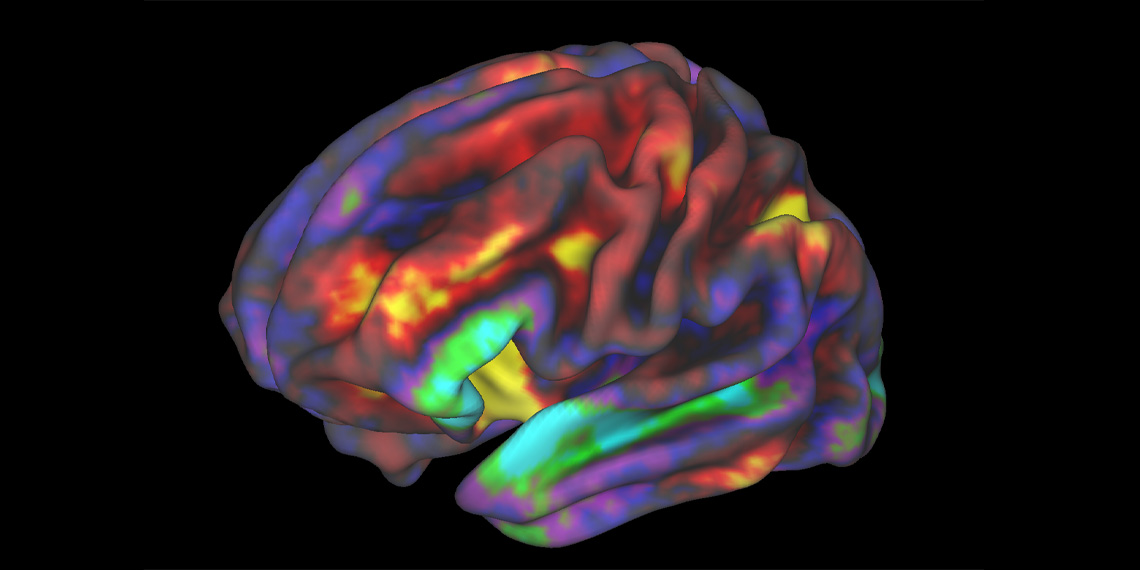
The homunculus is a miniature map of the body that exists in the somatosensory cortex of the brain and is responsible for mapping out the body. Different parts of the body take up different amounts of space in the homunculus, depending on how sensitive they are. The homunculus was discovered through years of research and experiments on animals and humans. It has helped researchers to understand the relationship between brain functions and movement and to study the effects of brain damage on movement and sensation in corresponding body parts. The homunculus has also been used to explain some neurological disorders, such as Phantom Limb Pain.