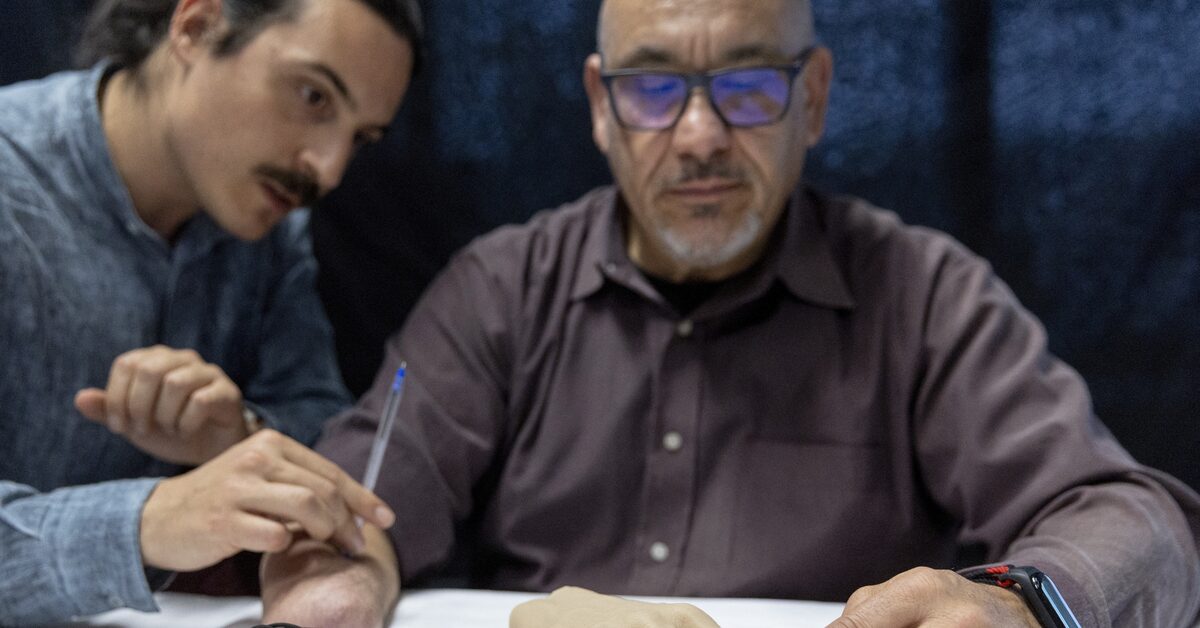
Jason Sudeikis and friends have supported the Steps of Faith Foundation, which helps amputees afford prosthetic limbs, through annual charity events like Thundergong, raising over $1 million to date and providing hope and mobility to thousands.
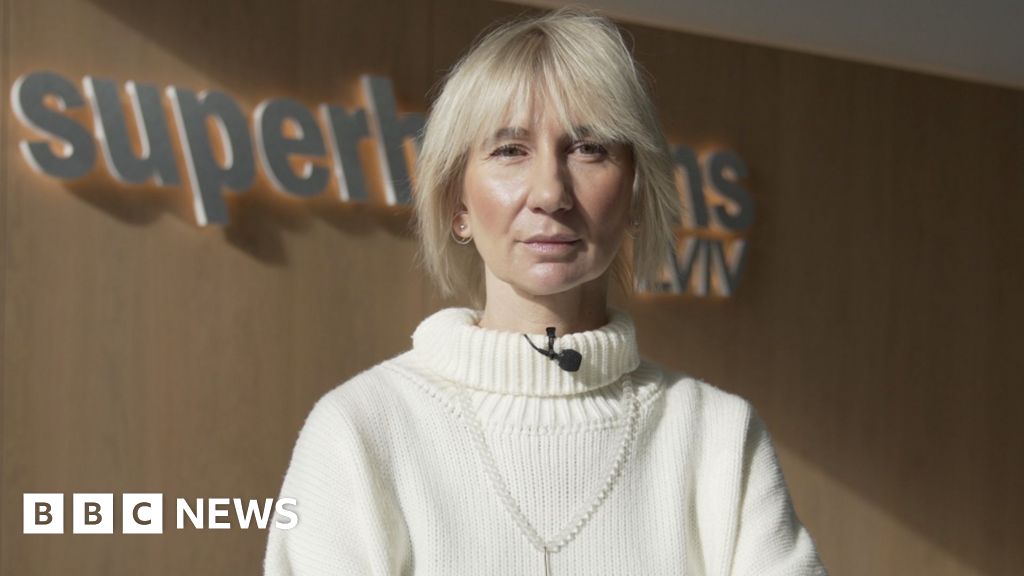
Olga Rudnieva, co-founder of the Superhumans Center in Lviv, Ukraine, is helping amputees rebuild their lives by providing prosthetics and trauma therapy to over 1,000 individuals affected by the war. The center, which supplements Ukraine's military hospitals, aims to normalize disability and empower those with war injuries. Rudnieva's efforts have garnered support from global celebrities and highlight the resilience of Ukrainian society, particularly the role of women during the conflict.
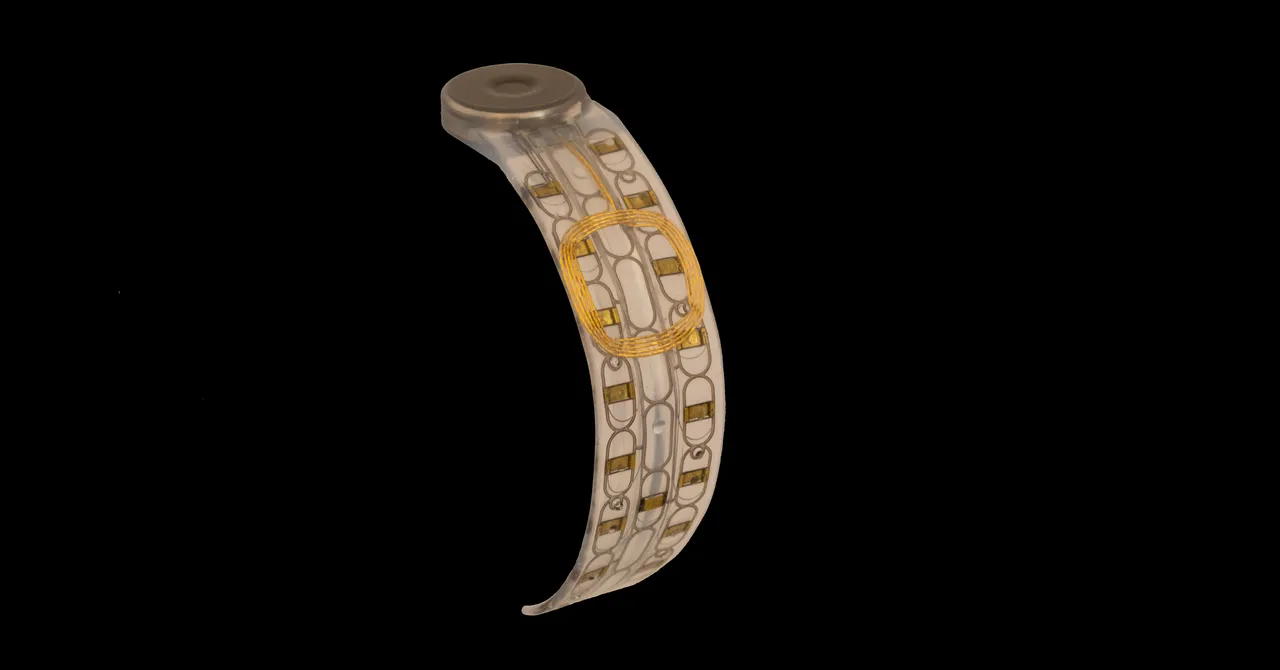
Phantom Neuro, a startup, is developing muscle implants that could enable mind-controlled prosthetics without the need for brain surgery. This technology aims to provide amputees with more natural and accurate control over prosthetic limbs by directly interfacing with muscles, overcoming limitations of current myoelectric prosthetics. A recent study showed promising results with a wearable version of the sensors, achieving high accuracy in gesture control. The company plans to begin clinical trials for the implantable version in 2025, potentially revolutionizing prosthetic use for amputees.
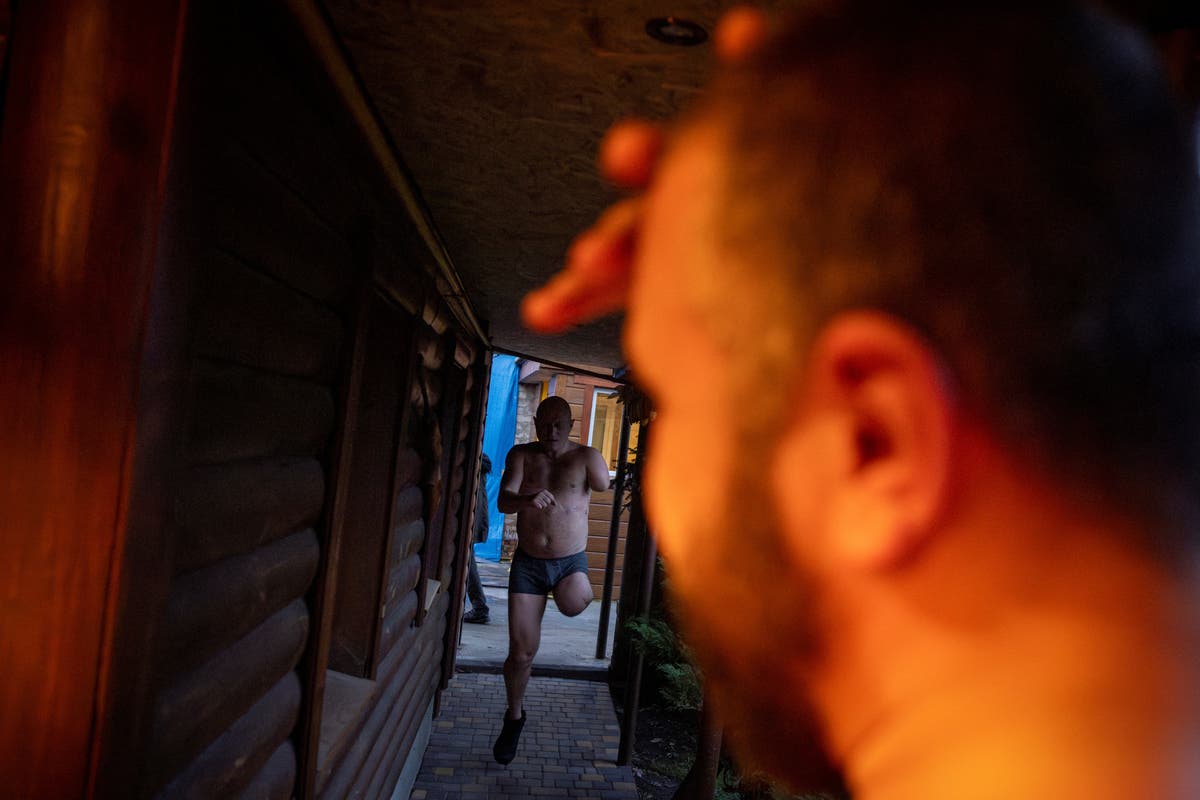
Ukrainian soldiers who have lost limbs in the conflict with Russia are returning to the front lines to support their depleted army, despite facing challenges and trauma. The government is struggling to provide adequate support for these amputees as they transition to civilian life, with limited job opportunities and social taboos making the process difficult. Some soldiers, like Oleksandr Revtiukh, are adapting to their new lives by pursuing careers as motivational coaches and teachers, while others, like Odin and Mango, are determined to continue fighting alongside their comrades despite their injuries.
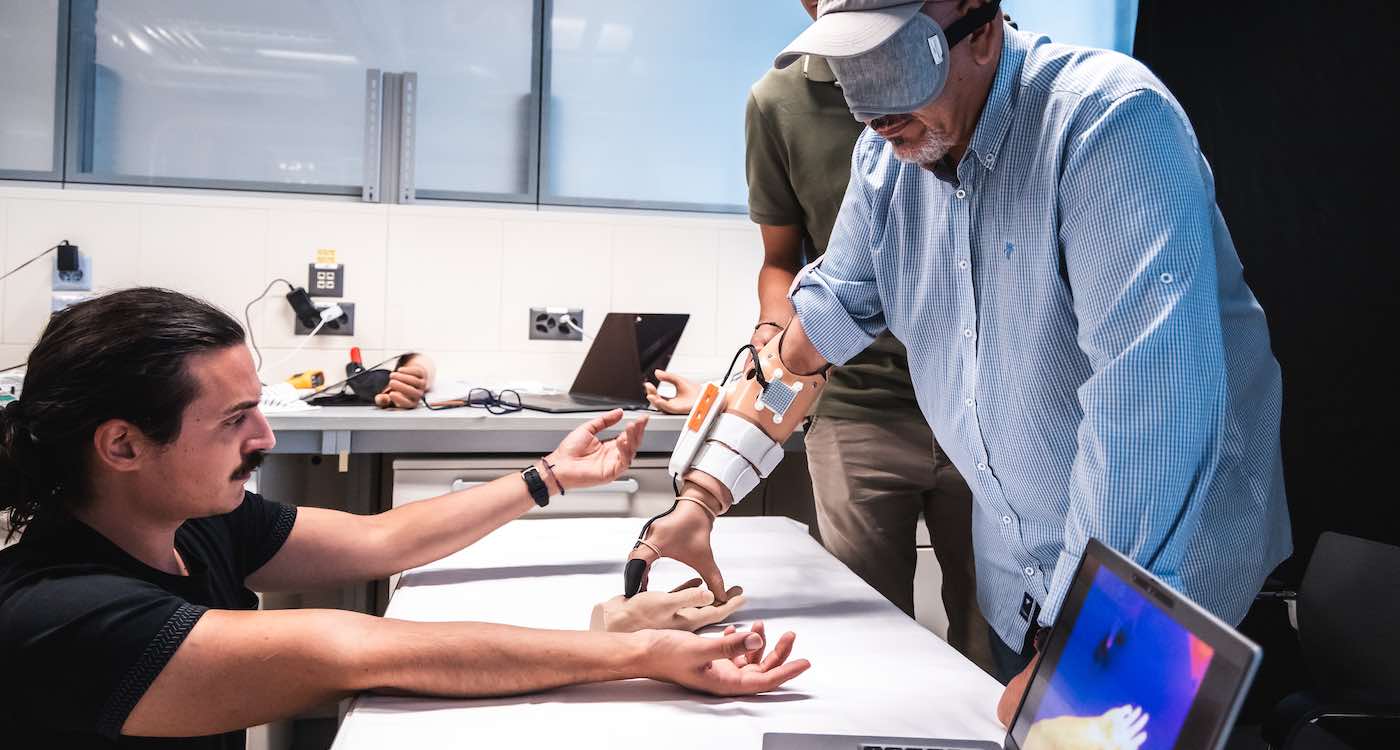
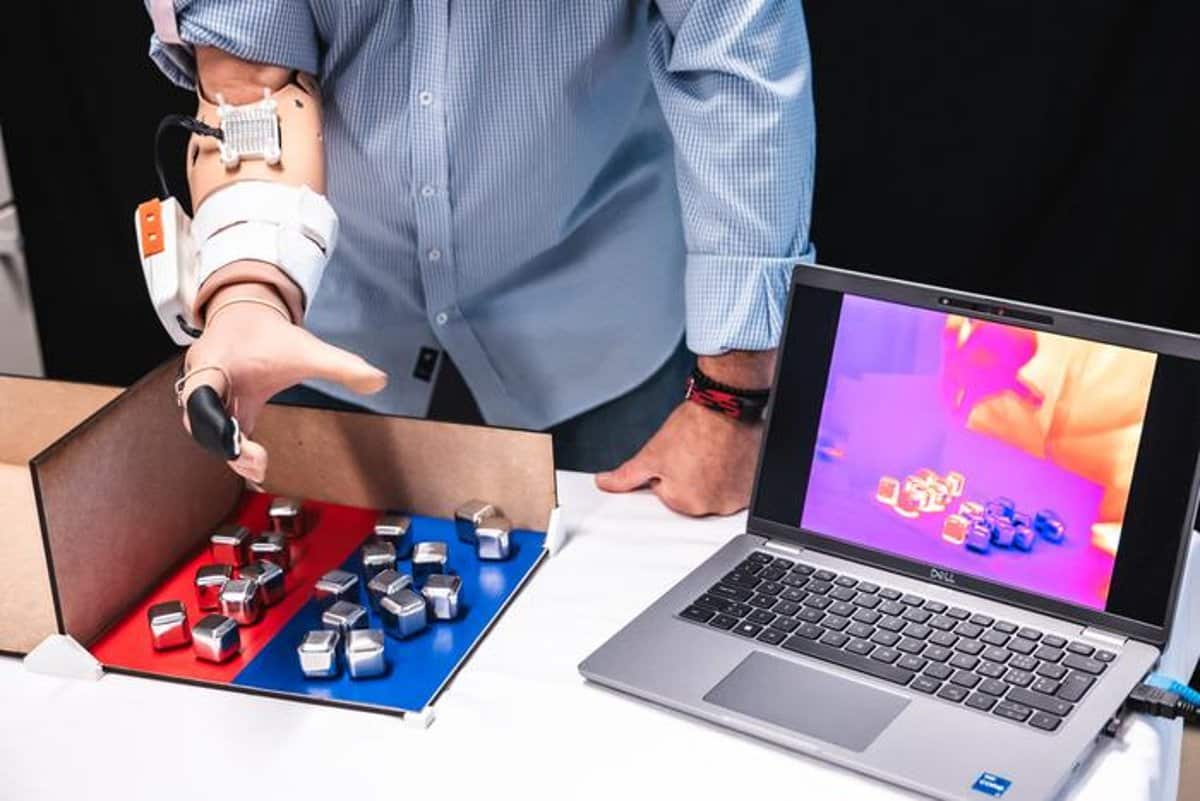
A new prosthetic limb called MiniTouch allows wearers to sense temperature, providing realistic and real-time thermal sensory feedback to amputees. The device, which does not require surgery, transmits thermal information from the fingertip of the prosthetic hand to the wearer’s residual arm, enabling them to perceive and respond to temperature. The technology has the potential to restore a full range of sensations through prosthetics, marking a significant advancement in the field of sensory feedback for artificial limbs.
Researchers have developed the "MiniTouch," a device that enables amputees to sense and respond to temperature, enhancing their interaction with the environment and emotional connection with prosthetic limbs. The device, which requires no surgery for integration, allows amputees to discriminate between objects of different temperatures and experience affective touch. The technology is a significant step towards fully restoring sensory experiences for individuals with limb loss, potentially improving their quality of life.
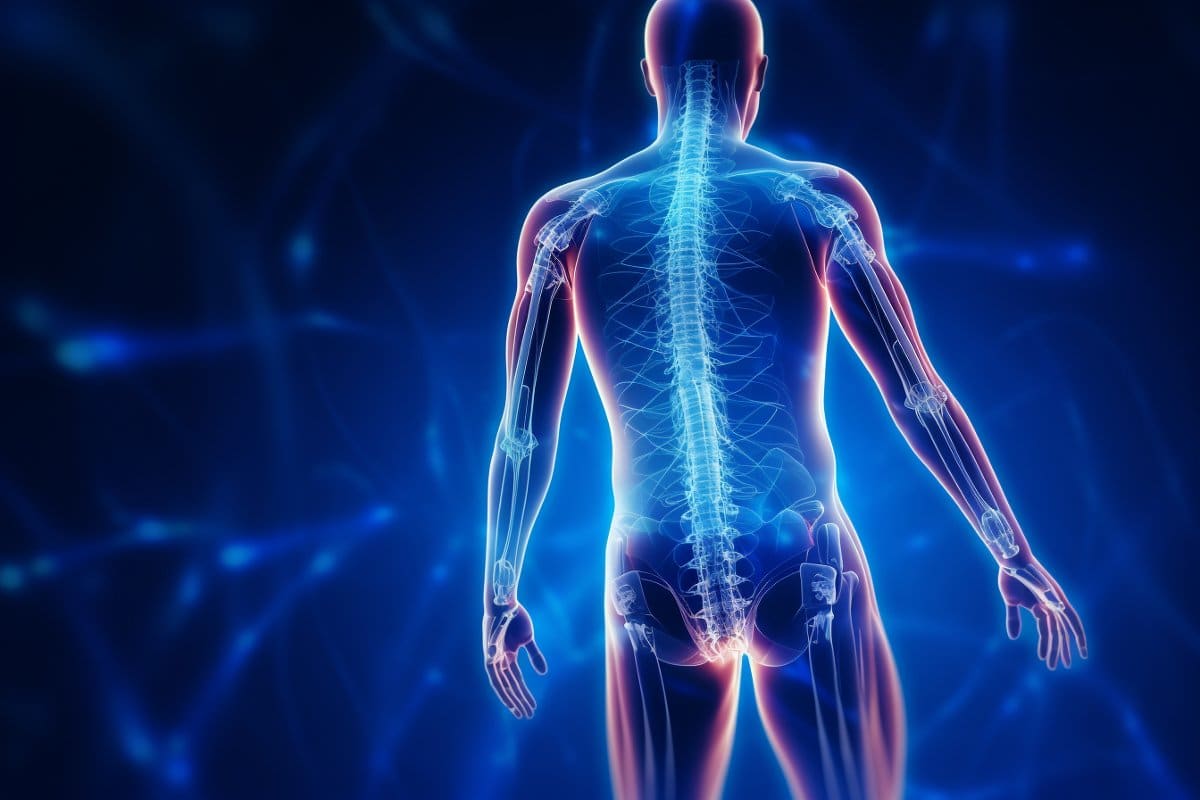
Researchers have discovered that spinal cord stimulation, triggered by pressure sensors on a prosthetic foot, can alleviate phantom limb pain in lower-limb amputees. This innovative approach not only reduces chronic pain but also improves balance and gait stability. The study offers hope for the 1.5 million Americans living with lower-limb amputation, providing a viable solution for chronic pain and mobility issues. The technology leverages existing clinical technologies, making it more accessible and scalable for widespread use.
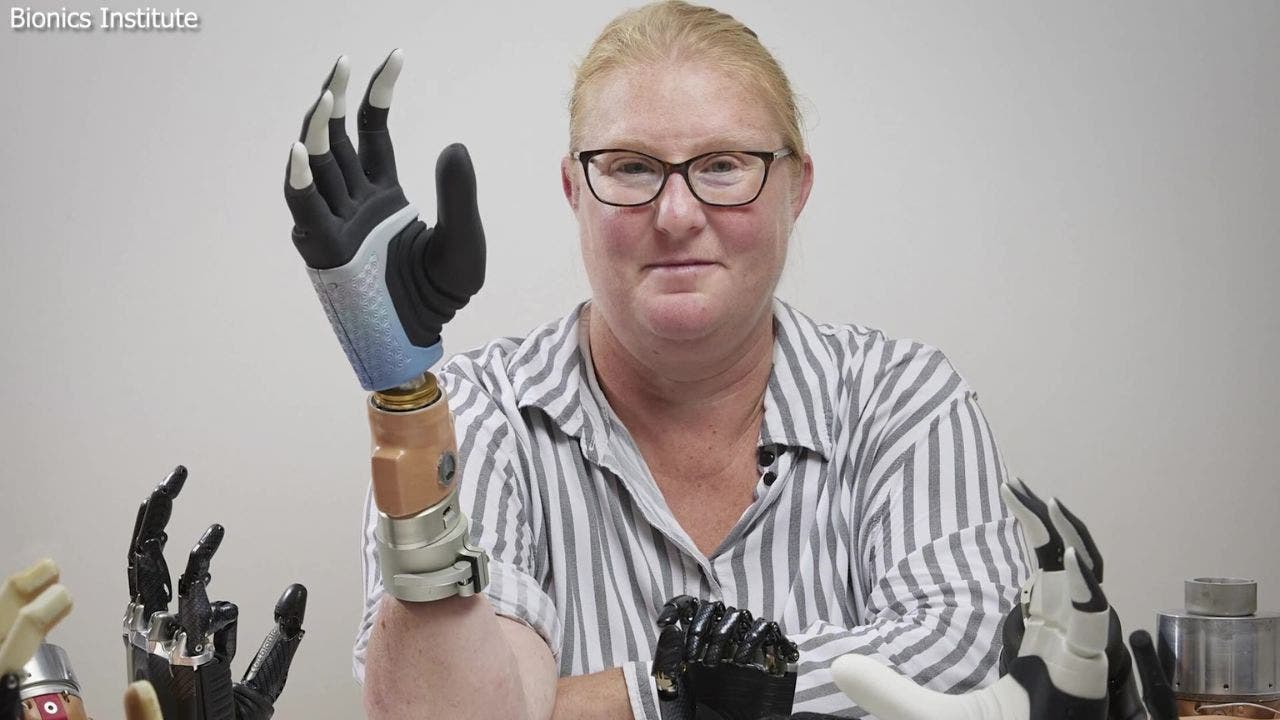
Italian company Prensilia has developed the Mia Hand, a groundbreaking bionic hand prosthetic that uses artificial intelligence (AI) to interpret brain signals and translate them into movements. The device can perform five different types of grasps and provides natural sensory feedback, reducing phantom pain for amputees. The Mia Hand is still in development and testing but has shown promising results in clinical trials, with commercial availability expected by 2025.
A Swedish patient named Karin has become the first person to receive a robotic limb fused with both her nervous and skeletal systems. The intelligent artificial limb, called the Mia Hand, was developed by Italian company Prensilia and is controlled by Karin's mind. The limb was attached to a metal implant in her bone, and the nerves and muscles in her residual limb were rearranged to allow for motor control. This groundbreaking technology has significantly reduced Karin's phantom limb pain and improved her quality of life. Researchers believe that this development has the potential to revolutionize the field of advanced extremity reconstructions and help amputees regain functionality and independence.
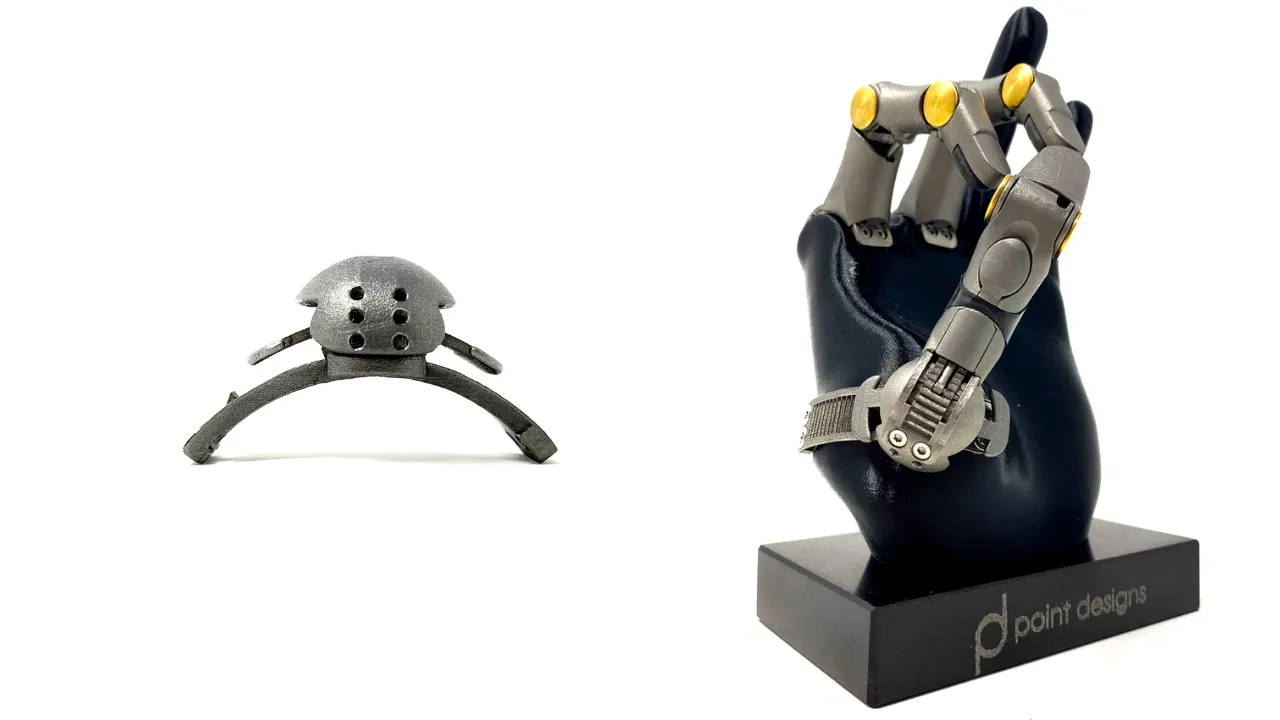
Point Designs, a revolutionary prosthetics company, is using innovative 3D printing technology to provide customized finger prosthetics for individuals with finger amputations. With various models and customization options available, Point Designs aims to restore full hand functionality and empower people with partial hand limb differences. The prosthetic fingers, made from custom-rolled silicone and 3D-printed nylon, offer strength, durability, and over 30 color options. The company has already helped thousands of individuals regain their independence and live their lives to the fullest.
Researchers at the École polytechnique fédérale de Lausanne (EPFL) have developed a bionic technology that allows amputees to feel hot or cold sensations in their phantom hand and fingers, as well as directly on the arm, through thermal electrodes placed on the skin of their residual arm. The technology, which has been tested for more than two years, does not need to be implanted and can be worn on the skin and combined with a regular prosthetic. The researchers hope that the technology could lead to a more natural feeling of loved ones when amputees are wearing their prosthetic.