Scientists have discovered that certain gut bacteria can absorb and store PFAS chemicals, potentially leading to probiotic treatments to reduce their harmful effects, addressing concerns over these persistent 'forever chemicals' found in everyday products.
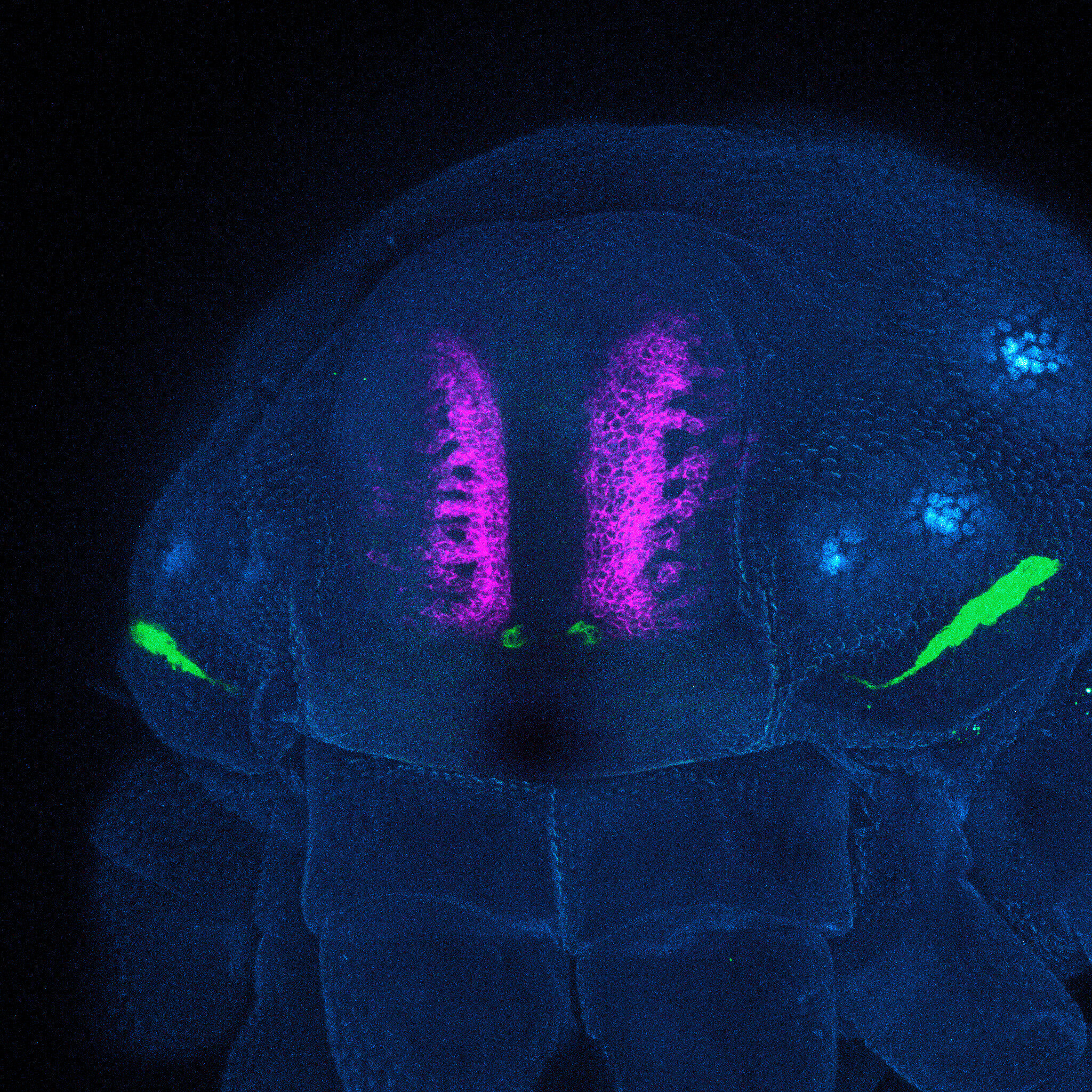
Researchers observed a supermassive black hole binary in an elliptical galaxy, finding that their prolonged non-merger is due to the inhibitory role of mass and the lack of remaining matter to slow their velocity further. A medication for high cholesterol, cholestyramine, has been found to drastically reduce PFAS levels in the blood, offering a potential treatment for those with major acute exposure to these chemicals. Additionally, a study at the University of Wisconsin-Madison revealed vestigial eyes in daddy longlegs, suggesting an earlier evolutionary diversification than previously believed.
The Biden administration has announced $5.8 billion in funding to address the nation's ailing water infrastructure, aiming to ensure safer drinking water and more reliable wastewater systems. The investment will be used to remove lead pipes, improve sanitation, and address contaminants like PFAS chemicals. While the funding is a step in the right direction, experts emphasize that it's just a fraction of what's needed to fully address the country's water infrastructure challenges.