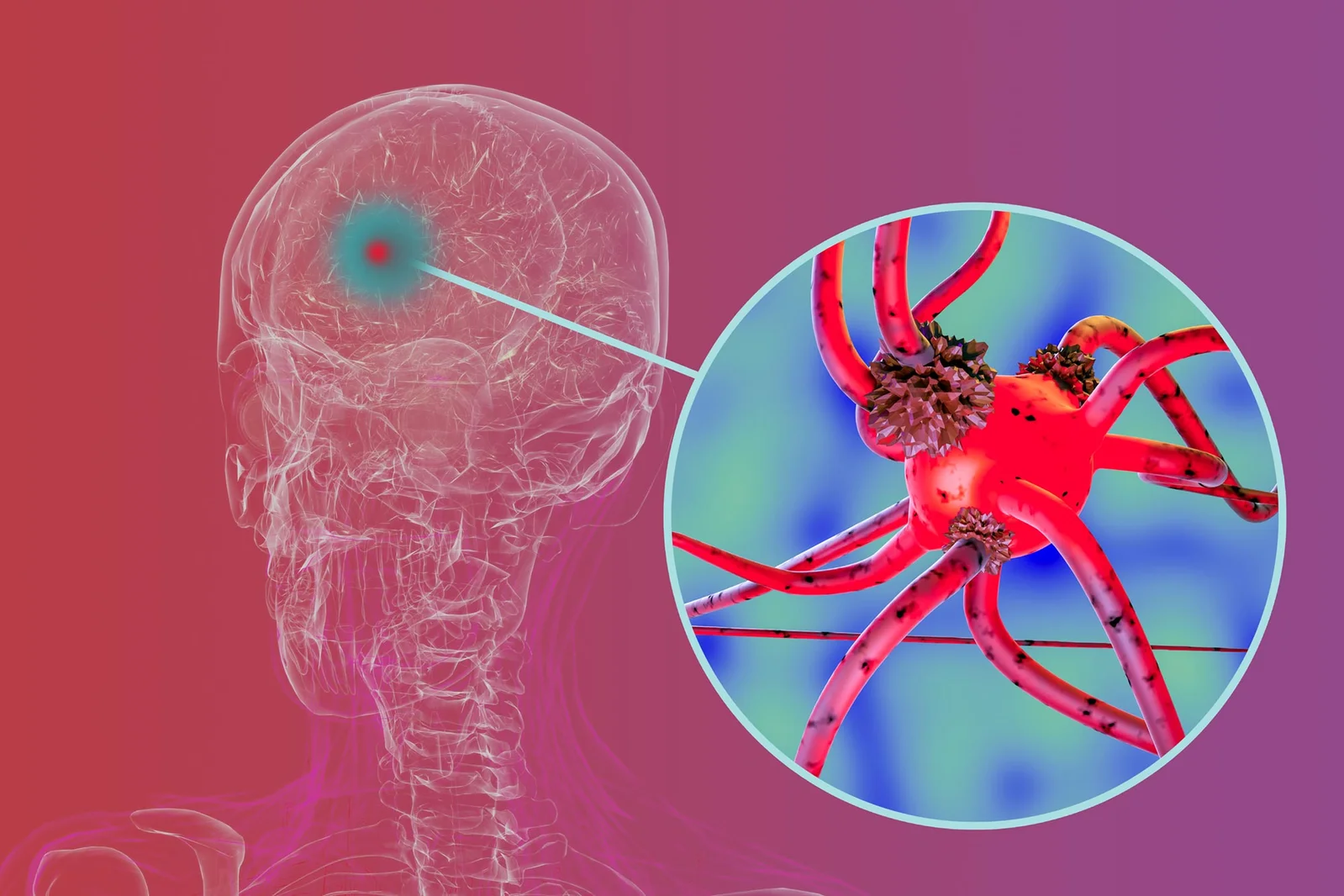
A UCLA Health study links long-term residential exposure to the pesticide chlorpyrifos with more than a 2.5-fold increase in Parkinson’s disease risk. Animal tests show chlorpyrifos damages dopamine neurons and triggers brain inflammation via autophagy disruption, suggesting autophagy restoration as a potential therapeutic angle. Despite declines in the U.S., past exposure and ongoing use elsewhere mean monitoring and further research on pesticide-related neurodegeneration are warranted.
New studies suggest a possible link between pesticide exposure and an increased risk of Parkinson's disease, with three specific pesticides—atrazine, lindane, and simazine—identified as main contributors to the elevated risk. Efforts to understand this connection face challenges in establishing causation and mitigating risks associated with pesticide usage, posing significant health threats to agricultural workers and communities residing near farmlands.
A study by the Environmental Working Group found that 80% of Americans tested positive for chlormequat, a pesticide linked to reproductive and developmental health risks, with higher levels detected in 2023 than in previous years. The chemical, banned from use on food crops in the US, was found in popular oat-based products and is allowed in imported foods due to EPA regulations. Concerns have been raised about potential health impacts and the need for stricter regulations on pesticide use.
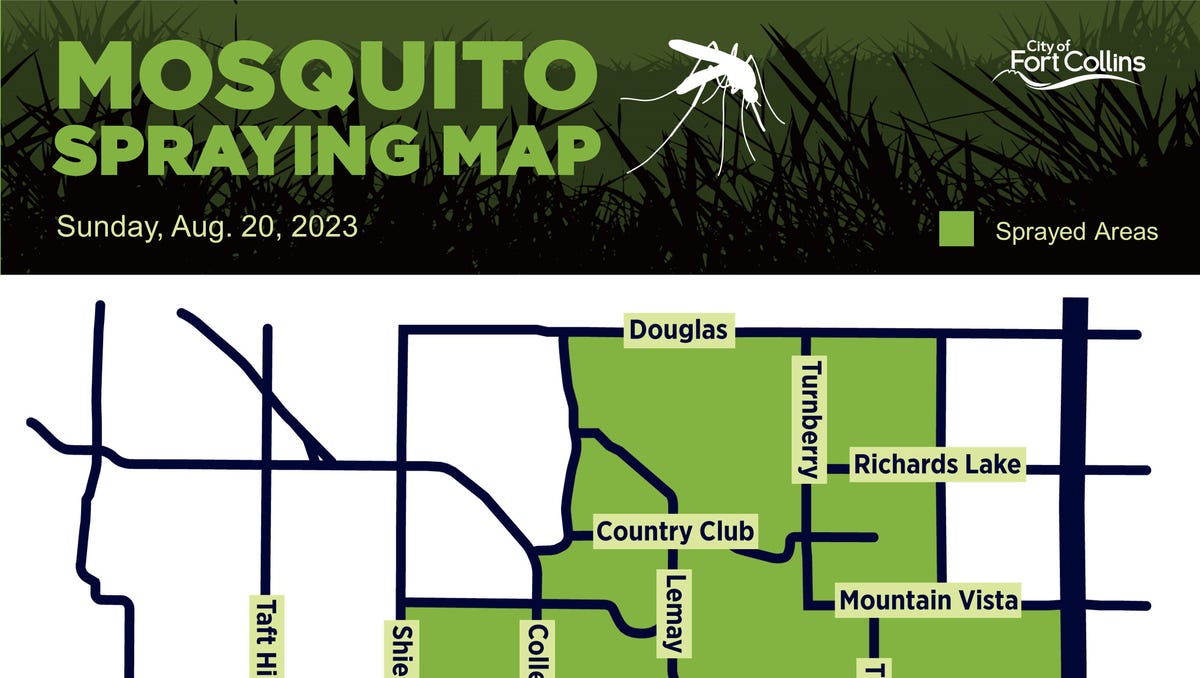
Fort Collins plans to conduct its fifth round of pesticide spraying to reduce the number of mosquitoes potentially carrying West Nile virus. The spraying will take place in the city's northern area and residents are advised to stay indoors and keep doors and windows closed for 30 to 60 minutes after spraying. The decision to spray is based on the vector index, which estimates the levels of West Nile virus-infected mosquitoes. As of Tuesday, there have been 36 cases of West Nile virus in Colorado, with an increase in cases compared to last year.