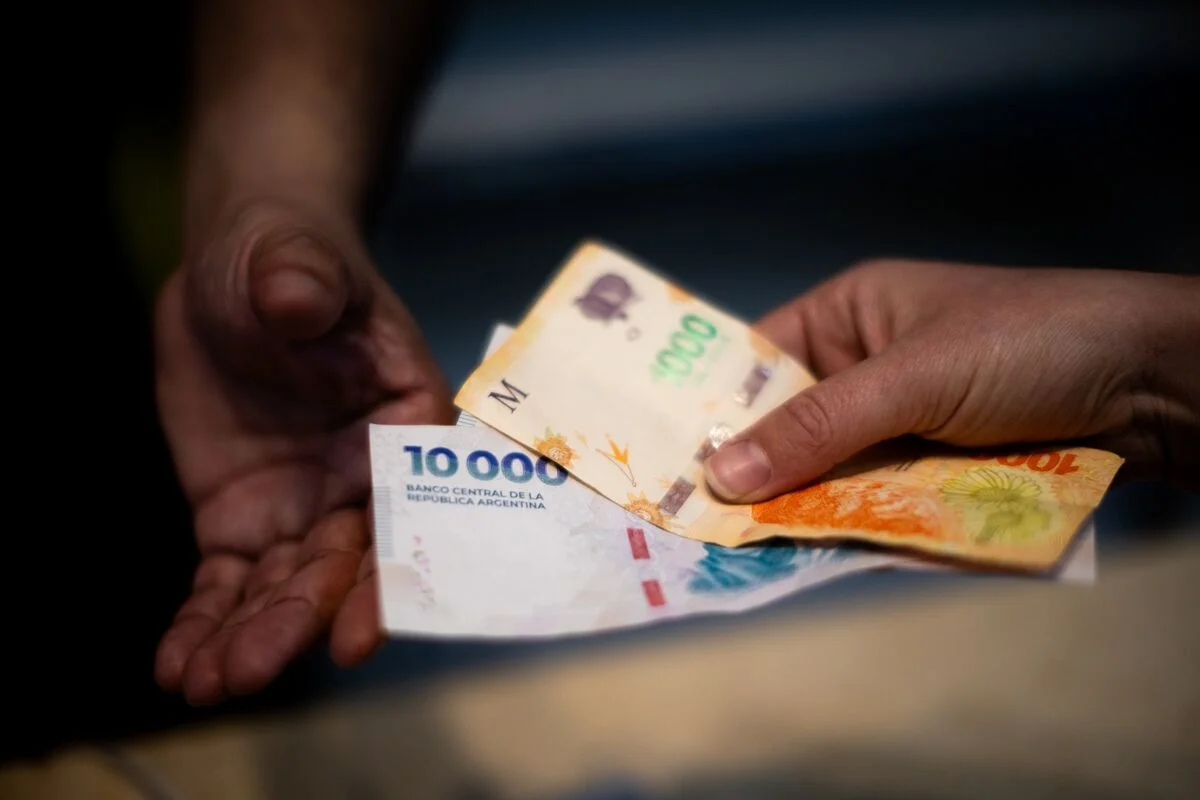
Investors are betting on the devaluation of the Argentine peso following weekend elections, reflecting concerns about the country's economic stability and currency outlook.
Argentines are rapidly losing confidence in the peso despite US financial support, with residents betting on a devaluation after upcoming elections, as government efforts to stabilize the currency prove increasingly ineffective amid political and economic instability.
Investors are rapidly withdrawing from Argentina, prompting the government to spend over $1 billion in three days to support the peso amid fears of devaluation, political setbacks, and declining confidence in President Milei's economic reforms, which have led to a sharp fall in assets and increased market instability.
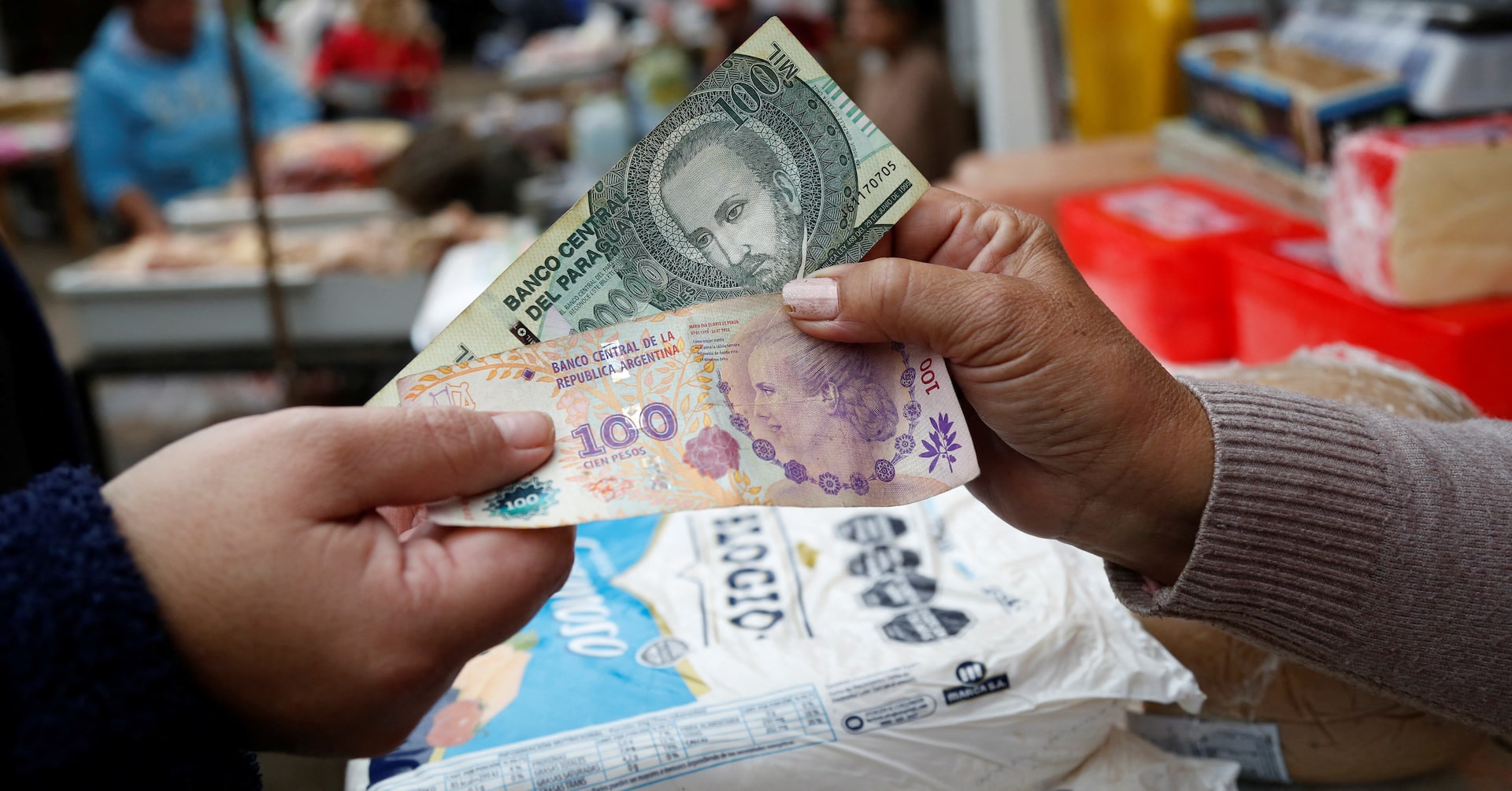
The Paraguayan border town of Nanawa has turned into a ghost town due to Argentina's near 300% inflation and a propped-up peso, which has made Argentine imports significantly more expensive. This has led to a sharp decline in sales, with shopkeepers reporting a 60-80% drop since President Javier Milei took office and devalued the peso. The economic situation has also affected tourism and exports, making Argentina less competitive in the region.
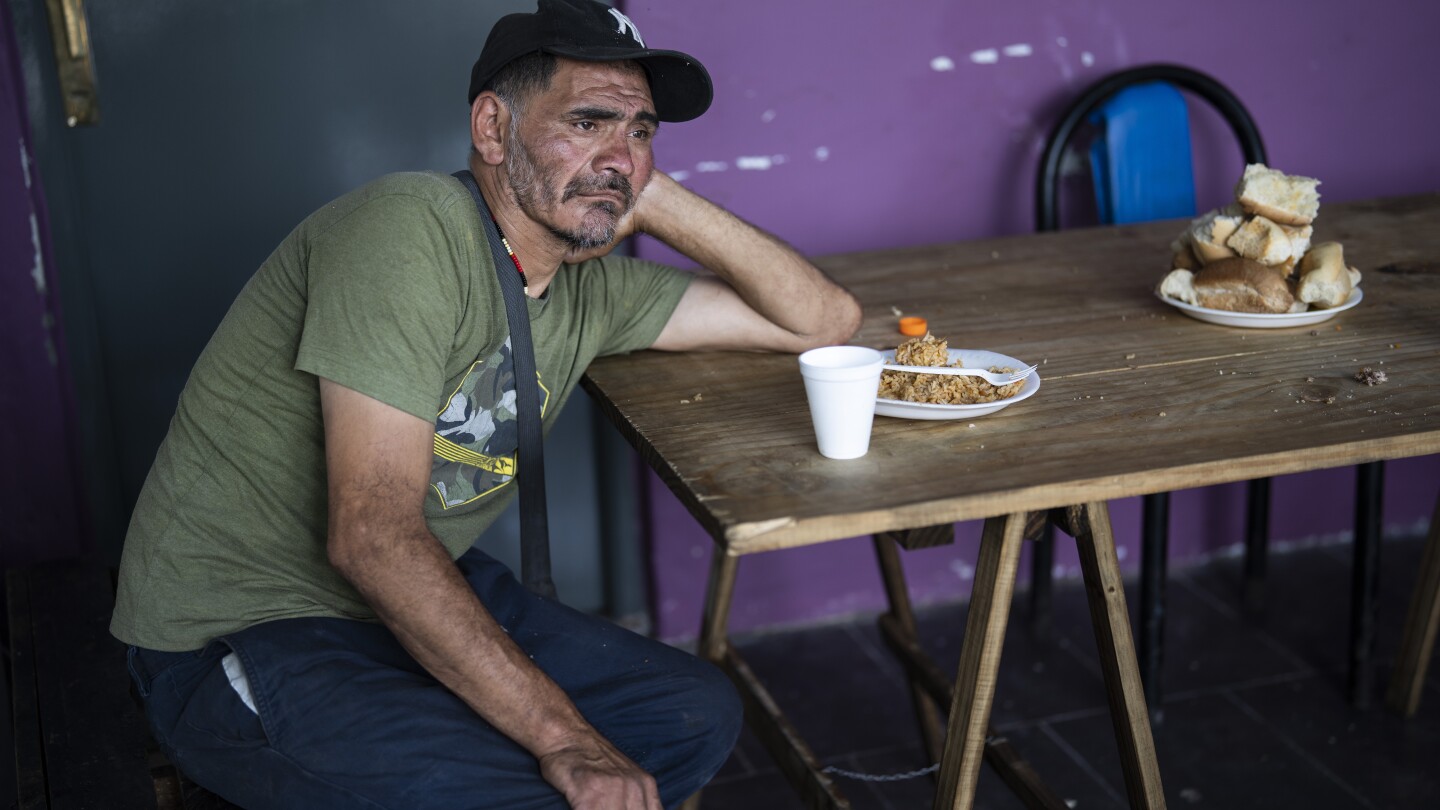
Anxiety and concern grip Argentina as President Javier Milei's administration implements economic shock measures, including a 50% devaluation of the peso, subsidy cuts, and the closure of some ministries. While Milei argues that these steps are necessary to combat triple-digit inflation and achieve sustainable economic growth, many Argentines are worried about the impact on their daily lives, including increased transportation costs, rising prices, and job losses. Supporters hope for positive change, while critics warn of short-term pain and potential negative consequences.
Argentina's government allowed the peso currency to devalue over 50% to 801 per dollar as part of President Javier Milei's plans to revive the struggling economy. The devaluation is accompanied by measures such as cutting energy subsidies, reducing the size of government, and halting public works tenders to eliminate the deficit. The move was cautiously welcomed by markets, with international sovereign dollar bonds and U.S.-listed shares of Argentine firms experiencing mixed reactions. The IMF praised the changes, while analysts warned of potential challenges such as inflation and recession. The central bank will maintain interest rates at 133% and implement a monthly 2% devaluation path for the peso.
Argentina's new far-right president, Javier Milei, has announced a shock therapy approach to fix the country's economic crisis, including devaluing the peso by over 50% against the US dollar, cutting subsidies, canceling public works tenders, and reducing government ministries. The government plans to double social spending for the poorest to help them cope with the economic shock. While the International Monetary Fund supports the measures, progressive activists criticize the austerity measures, warning of social unrest. Milei argues that harsh austerity is necessary to tackle the fiscal deficit and put Argentina on the path to prosperity, but faces opposition from left-leaning lawmakers and unions.
Argentina's Economy Minister, Luis Caputo, announced emergency measures to devalue the peso by over 50% in an effort to revive the struggling economy. The move comes shortly after President Javier Milei's inauguration, who campaigned on replacing the peso with the dollar. The peso's value has plummeted by 52% against the US dollar this year due to strict capital controls and excessive printing of the currency. The devaluation is the first step to combat hyperinflation, which has led to a benchmark interest rate of 133%. Caputo also outlined other measures, including cuts to public works projects and subsidies. The International Monetary Fund expressed support for the initiatives.
Argentina's newly inaugurated President Javier Milei has implemented shock measures to address the country's economic crisis, including devaluing the peso by 54%, overhauling the crawling peg, and announcing massive spending cuts to eliminate the primary fiscal deficit. The government plans to slash spending equivalent to 2.9% of GDP, reduce energy and transport subsidies, and make cuts to social security and pensions. The International Monetary Fund (IMF) praised the government's actions, stating that they will help stabilize the economy and set the basis for sustainable growth.
Argentina's new Economy Minister, Luis Caputo, announced a series of measures aimed at addressing the country's severe economic crisis, including a 50% devaluation of the peso to 800 per dollar, cuts to energy subsidies, and the cancellation of public works tenders. The plan, implemented by the government of President Javier Milei, aims to reduce the fiscal deficit and bring down inflation, which is currently nearing 150%. The International Monetary Fund (IMF) welcomed the measures as a step towards stability, while markets responded positively with the stock index hitting a record high and sovereign bonds rising over 2%. However, there are concerns about the ability of Milei's coalition, which has limited representation in Congress, to implement the necessary cuts without causing social unrest.
Argentina's central bank will raise the benchmark interest rate to 118% and devalue the peso to 350 pesos per dollar following a shock primary election that saw ultra-right libertarian Javier Milei take the lead. The country's economy is grappling with high inflation and dwindling central bank reserves.