
Tag

Personalized Therapies

All articles tagged with #personalized therapies

health2 years ago

"Uncovering Five Variants of Alzheimer's Disease: A Potential Breakthrough in Treatment"

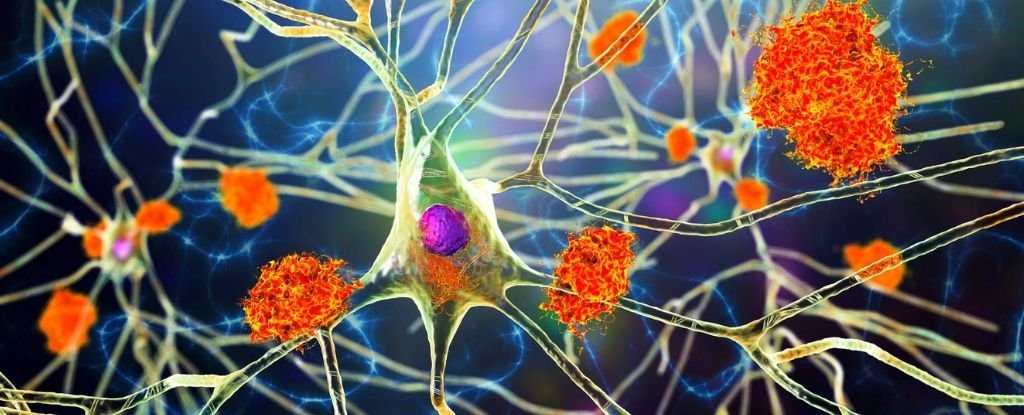
Scientists have identified five distinct biological variants of Alzheimer's disease, each with specific alterations in clusters of proteins related to inflammation, nerve cell growth, and other biological processes. This breakthrough discovery could lead to more personalized therapies or preventive measures for these subtypes, as well as hope for early diagnosis and intervention to delay the onset of symptoms of Alzheimer's disease. The research team used updated technology to analyze cerebrospinal fluid proteins and identified variations such as hyperplasticity, immune activation, RNA dysregulation, choroid plexus dysfunction, and blood-brain barrier impairment. This finding suggests that medications already tested may have falsely seemed to be ineffective or only slightly effective, and that some drugs may only work in specific Alzheimer's types.
science-and-research2 years ago

The Gendered Impact of Stress: Unveiling the Enormous Implications

A new study using advanced methods to analyze gene expression in individual brain cells reveals that male and female mice respond differently to stress, highlighting the importance of diversity in scientific research. The findings could lead to personalized therapies for stress-related conditions such as anxiety, depression, and obesity. The study emphasizes the need for including both male and female researchers and animals in experiments to obtain a more complete understanding of stress-related health conditions.

health2 years ago

Epstein-Barr Virus Antibodies Implicated in Multiple Sclerosis Progression.

Antibodies against the Epstein-Barr virus (EBV) can mistakenly target proteins in the brain and spinal cord, leading to multiple sclerosis (MS) symptoms, according to a study by researchers at Karolinska Institutet in Sweden. The study found that this antibody misdirection was present in roughly 23% of MS patients studied. The findings highlight the need for personalized therapies to combat MS, which is a complex disease.