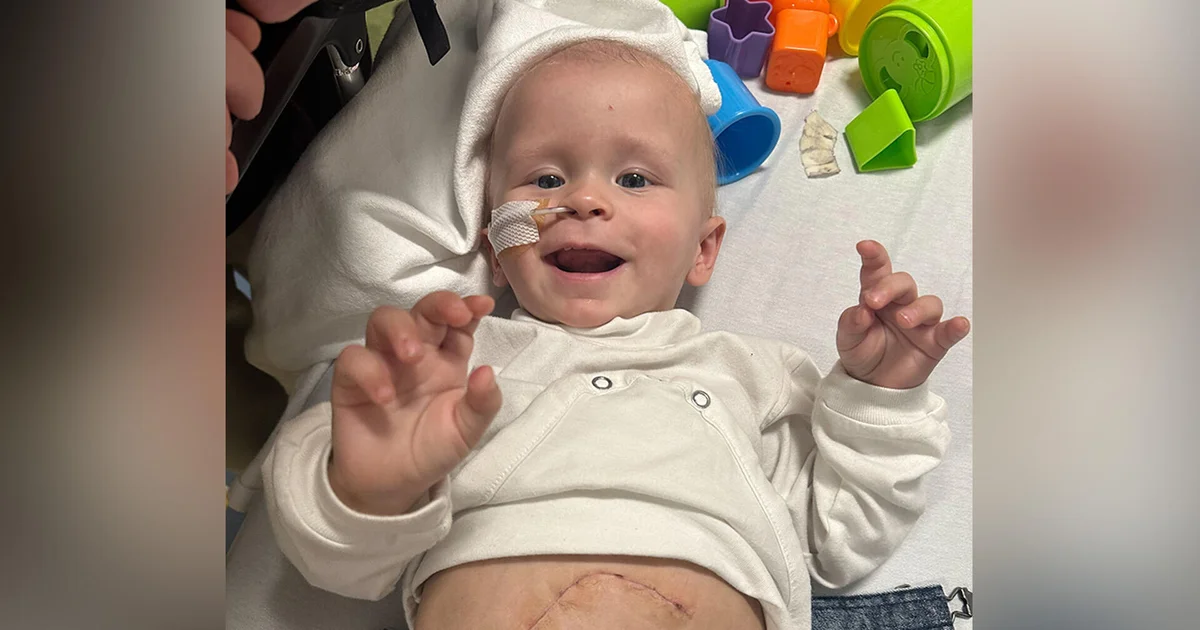
A toddler named Jonny was diagnosed with a rare and aggressive cancer called malignant rhabdoid tumor after experiencing frequent infections, but through personalized treatment, he responded well and is now in remission, highlighting the importance of early detection and specialized care in rare pediatric cancers.
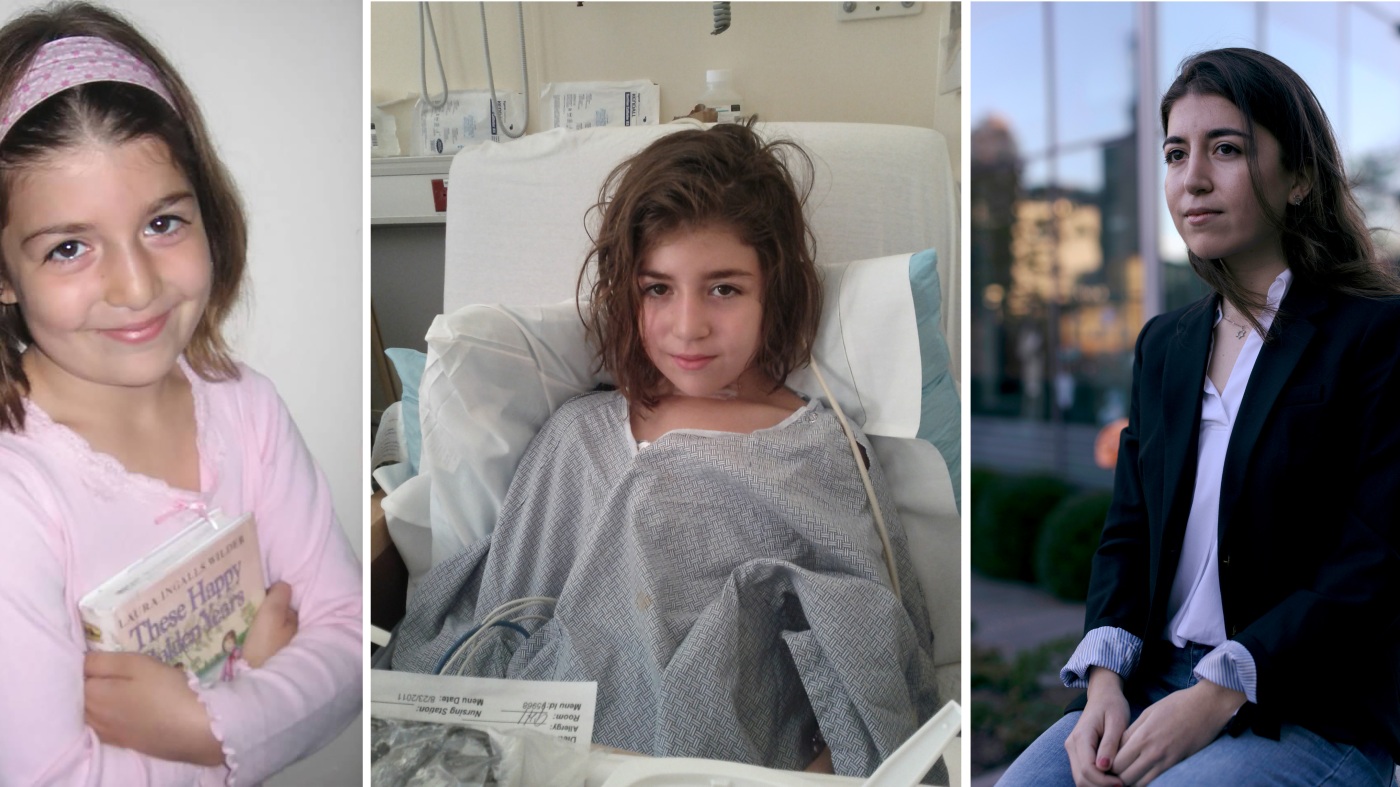
EJ Beck, a thyroid cancer survivor, and Brendan Harley, a leukemia survivor, both faced significant disruptions in their education and social lives due to their illnesses. Despite these challenges, they have turned their experiences into missions to improve cancer care. Beck is now a medical student at the hospital where she was treated, while Harley is a biochemical engineer developing better cancer treatments. Their stories highlight the importance of comprehensive support for young cancer patients, including educational assistance and emotional support, to help them reintegrate into normal life post-treatment.
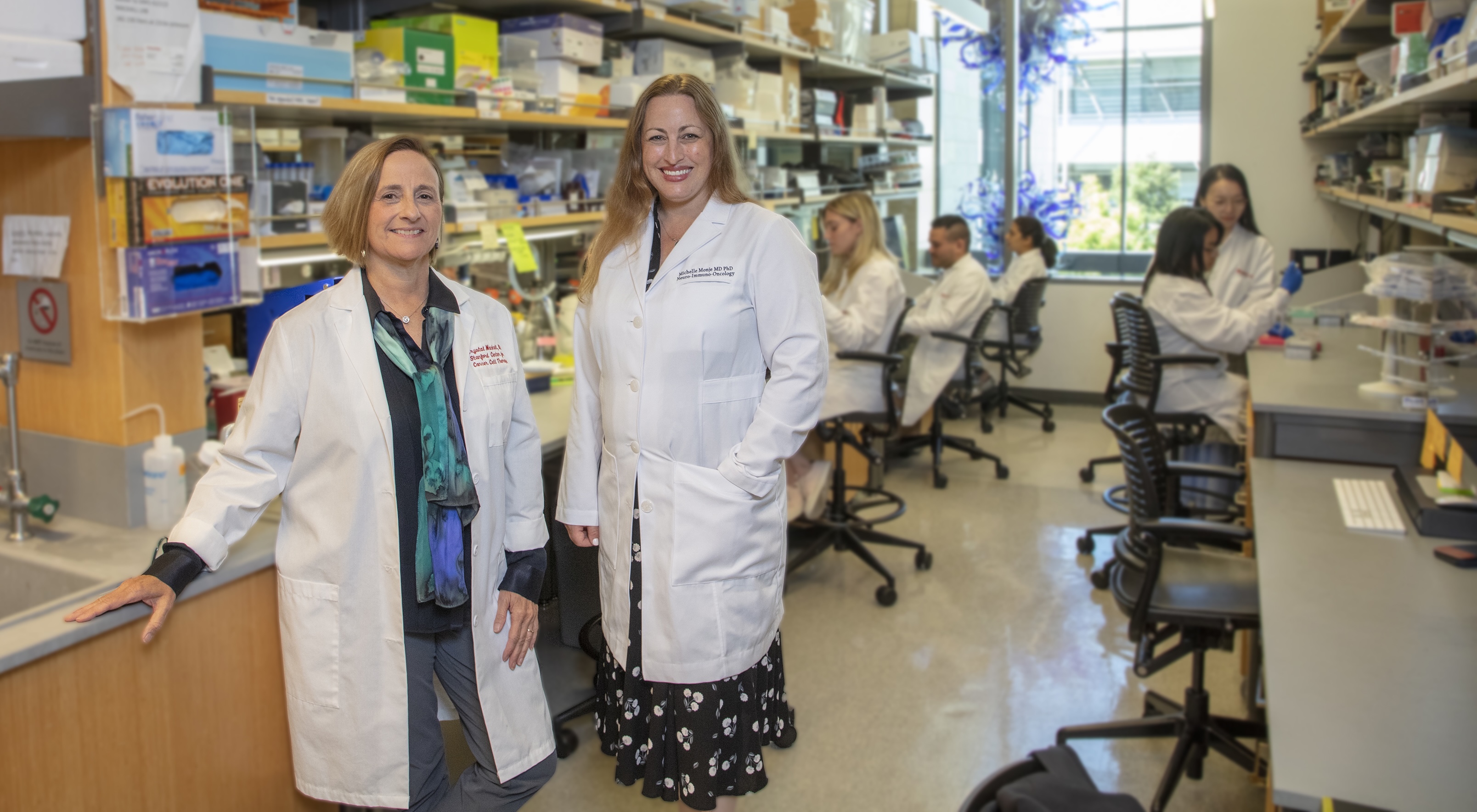
A Stanford Medicine clinical trial has shown promising results using CAR-T cell therapy to treat diffuse intrinsic pontine glioma (DIPG), a typically incurable childhood brain cancer. Of 11 participants, nine showed benefits, with one experiencing a complete tumor disappearance. The trial, which received a regenerative medicine advanced therapy designation from the FDA, marks a significant step forward in treating solid tumors with engineered immune cells. Researchers aim to refine the therapy to enhance its effectiveness and reduce side effects.
The Ohio State University Comprehensive Cancer Center and Nationwide Children's Hospital have opened a Proton Therapy Center, offering a "game changer" cancer treatment that minimizes damage to healthy cells and organs. The $100 million facility provides proton therapy for adults and children battling cancer, allowing patients in central Ohio to receive treatment closer to home. Proton therapy is especially important for pediatric patients, as it tailors radiation to the tumor's shape and reduces exposure to normal organs. The center also focuses on researching and developing other advanced treatments.
Childhood cancer diagnoses in the US have increased over the past 15 years, with rates still about 8% higher than in 2003, according to a study. Leukemia was the most commonly diagnosed childhood cancer, while melanoma diagnoses decreased. The combination of increased incidence and improved survival rates means more cancer survivors require long-term care and resources. The study's detailed data could help direct resources to areas of need, such as clinical trials and supportive care. The lag in data availability, logistical challenges due to the pandemic, and changes in detection and reporting methods contribute to the complexity of the trends. Efforts are being made to make pediatric cancer data more accessible in real-time to improve patient outcomes.
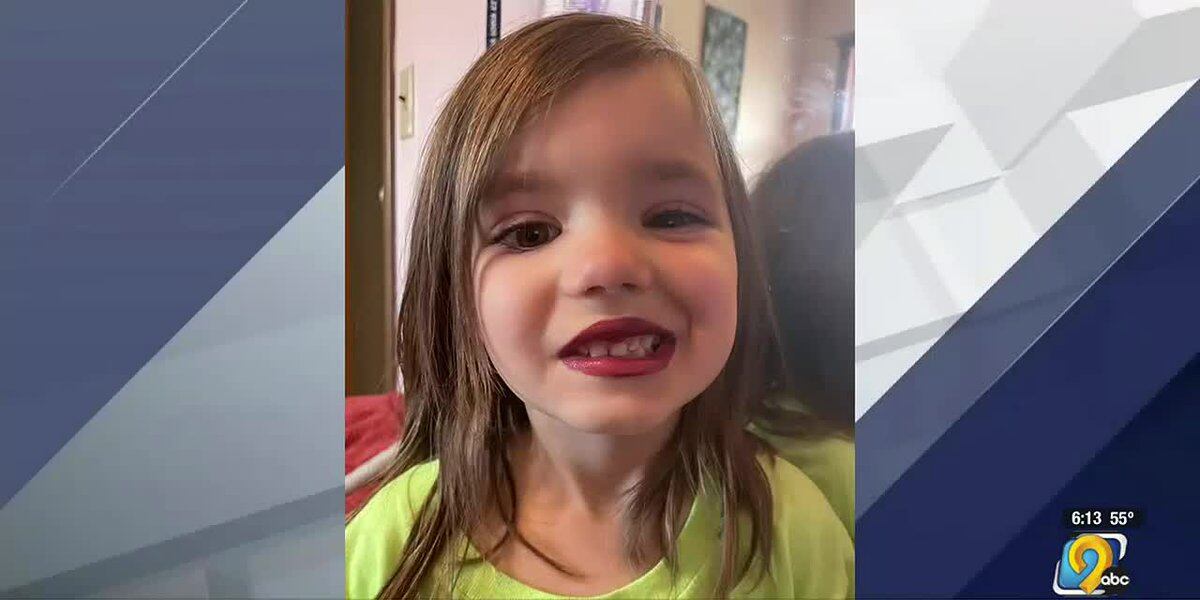
A 4-year-old girl from Iowa was diagnosed with a rare type of cancer after experiencing mysterious symptoms. Scarlette Wheelock had a mass on her brain, which was removed by a team of medical specialists at the University of Iowa Hospitals and Clinics. The team acted fast to remove the tumor, and 70% of it is now gone and continues to shrink. Scarlette's case was unique, and many medical providers had never seen a case like this before.