The article discusses the evolving role of personal computers in the era of artificial intelligence, highlighting how AI integration is shaping the future of PC technology and usage.
The Pentagon has appointed Maj. Gen. Lance Curtis to lead a new task force to improve the military's Permanent Change of Station (PCS) process, following the termination of the HomeSafe Alliance contractor. Immediate measures include handling household moves through the legacy system and increasing reimbursements for Personally Procured Moves, with a review of the entire process underway and a strategic reform plan due by September 2025.
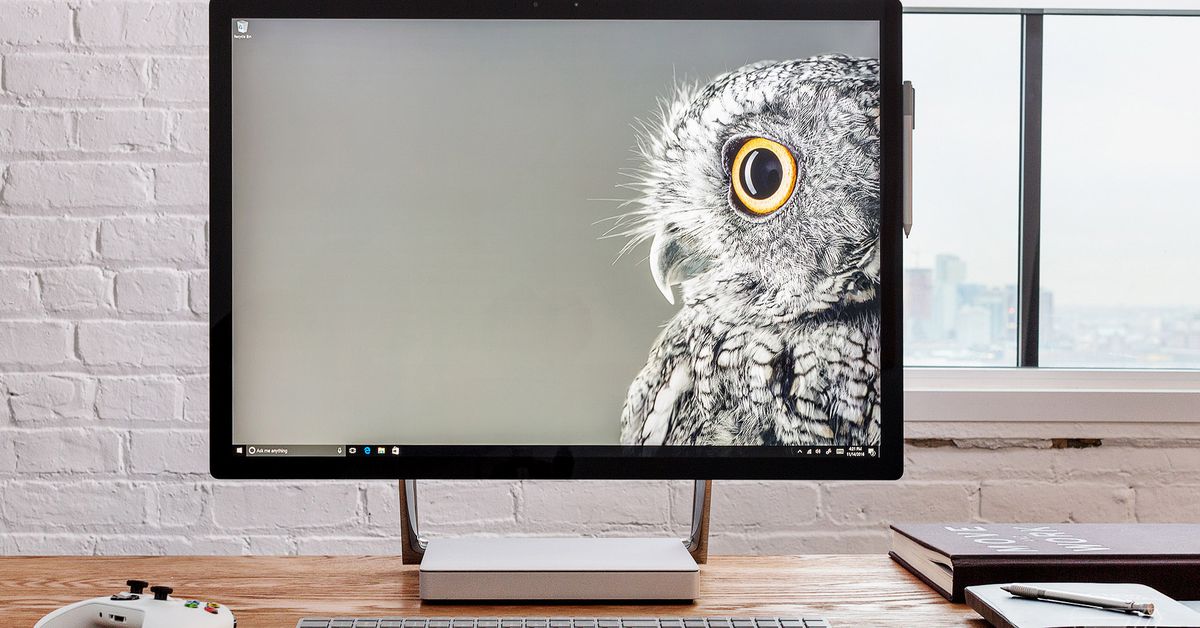
Microsoft has ceased production of its Surface Studio 2 Plus all-in-one PC, with no plans for a successor. The device, known for its unique design targeting creatives, will only be available through remaining stock at retailers. This move is part of Microsoft's broader strategy to phase out certain Surface products, as the company shifts focus to its Copilot Plus range, including new Surface Pro and Surface Laptop models.
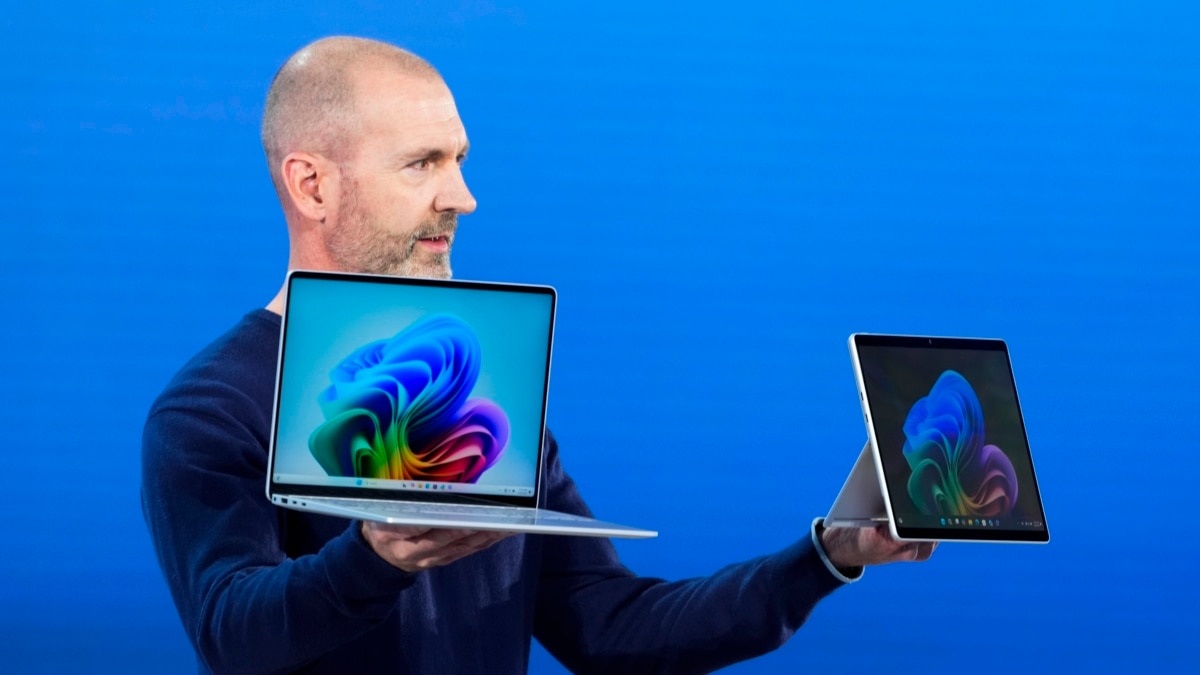
Microsoft announced new AI-ready PCs equipped with the Copilot+ system, based on OpenAI's ChatGPT, which will be available on Surface models and other partner PCs starting June 18. The AI tools will operate on the device itself, offering features like live language translation, image creation, and voice command interaction, while ensuring user privacy.
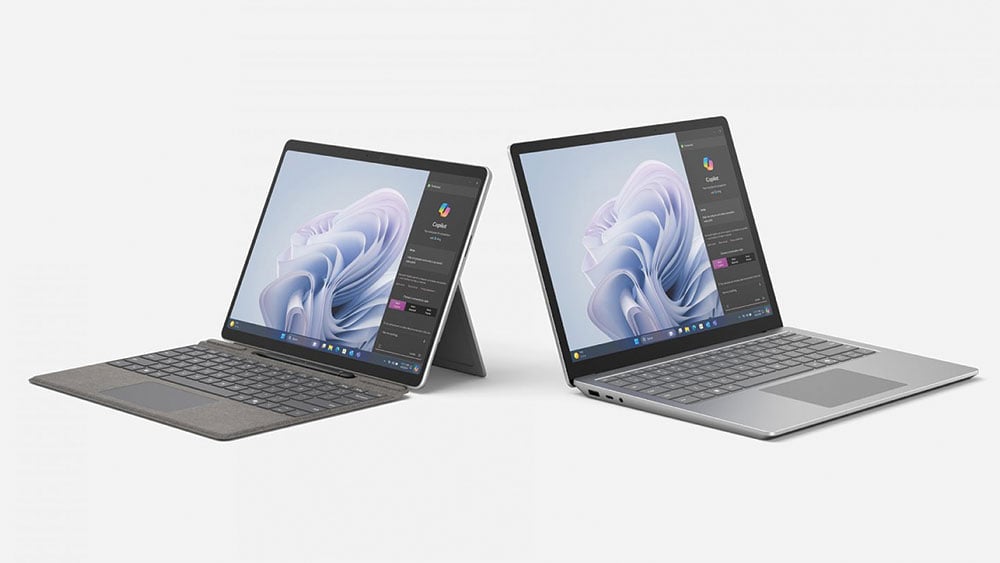
Microsoft unveiled its first AI PCs, the Surface Pro 10 for Business and Surface Laptop 6 for Business, featuring improved performance, battery life, and dedicated Copilot AI assistant buttons. These devices are powered by the latest Intel Core Ultra processors with integrated neural processing units for AI experiences. At the event, Microsoft also highlighted the success of its Copilot AI services in saving workers time and introduced Copilot for Microsoft 365, while Microsoft stock reached a record high following the announcement.
Intel aims to provide core processors for up to 100 million AI-enabled PCs by 2025, with plans to deliver 40 million AI PCs this year and 60 million next year, representing more than 20% of the projected total global PC market in 2025. This move comes as the tech industry seeks its next growth driver, with Intel focusing on AI-enabled PCs to drive future growth.
IDC forecasts that AI PCs, equipped with neural processing units (NPUs) for efficient AI task processing, will make up nearly 60% of all PC shipments by 2027, with shipments expected to grow from 50 million units in 2024 to over 167 million. These AI PCs are categorized based on NPU performance, with some already available and others expected in the future, and are designed to run generative AI tasks locally, offering specific AI features within apps and enabling persistent and pervasive AI capabilities in the operating system and apps.
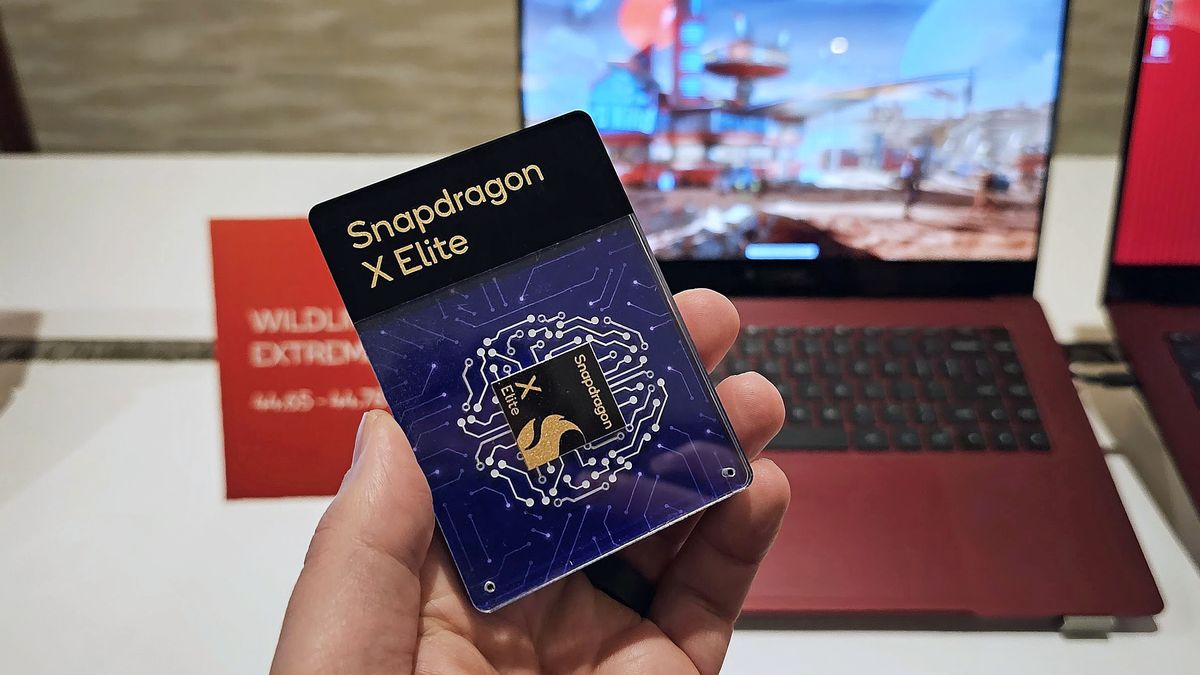
Qualcomm has confirmed that the first wave of PCs powered by its Snapdragon X Elite chip will launch alongside the next version of Windows in mid-2024, featuring new AI capabilities. The next Windows OS update is expected to be focused on new AI capabilities and may be named Windows 11 with an AI tagline, although some speculate it could be called Windows 12. The update will be rolled out in two waves, with the first wave shipping on new Snapdragon X Elite hardware in June and the second wave, including most end-user facing features, scheduled for September or October.
Microsoft has announced the introduction of a dedicated Copilot AI keyboard key for Windows 11 PCs, revealed ahead of CES 2024. This key represents the first significant change to the Windows keyboard in decades, allowing users to quickly access Microsoft's AI companion. The new feature will be included in new PCs starting this Spring and will also be part of future Surface devices, signifying Microsoft's commitment to integrating AI deeply into the Windows experience.
Intel CEO Patrick Gelsinger is promoting the company's AI Everywhere initiative, which aims to integrate artificial intelligence (AI) into PCs and edge devices. Intel plans to unveil a new PC powered by an AI semiconductor chip and aims to make AI-enabled devices the industry standard. Gelsinger sees this as a "Centrino-like moment" that will redefine the PC and enable new applications and communication capabilities. Intel aims to deliver hundreds of millions of AI-enabled devices and is positioning itself as a leader in the AI PC space, despite potential competition from companies like Nvidia.
Samsung has confirmed that it will be producing PCs powered by the Snapdragon X Elite platform, as announced by Qualcomm during the Snapdragon Summit 2023. The collaboration between Samsung and Qualcomm could potentially pave the way for Samsung to transition its high-end laptops from x86 architecture to ARM-based chipsets, aligning with its reported plans to develop its own ARM-based Exynos chips for Windows PCs. The Snapdragon X Elite offers improved performance and power efficiency compared to some Intel processors, along with advanced AI capabilities and cross-device experiences. Devices powered by this chipset are expected to be released in mid-2024, coinciding with the launch of new notebooks from Samsung.
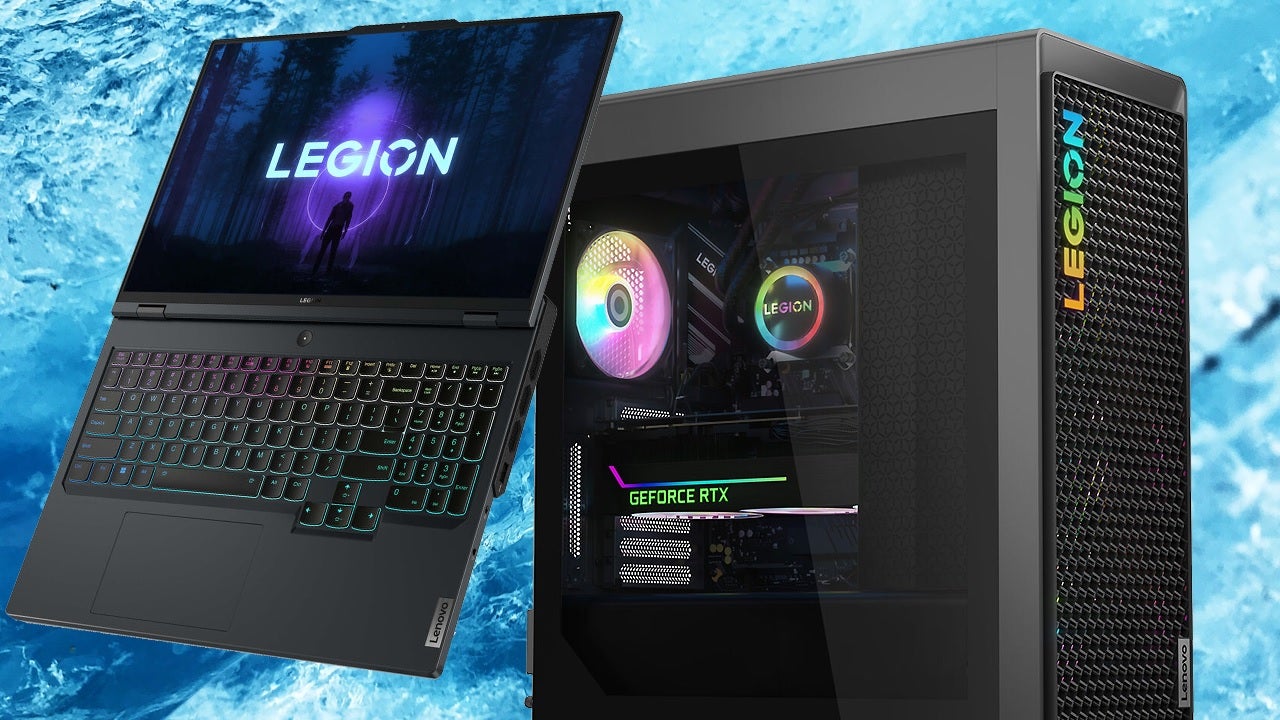
Lenovo's 4th of July Sale offers discounts on gaming laptops and desktop PCs equipped with the newest AMD and Intel CPUs and GeForce RTX 40 series GPUs. Lenovo Legion gaming computers are well-liked among gamers and reviewers for their high build quality and easy upgradeability. The sale includes deals on various models, including the Legion 7i Gen 8 RTX 4070 Ti PC, Legion 5 Gen 8 RTX 3060 Ti Gaming PC, and Legion Pro 7i Gen 8 4090 Gaming Laptop. Use code EXTRA5 for additional savings.
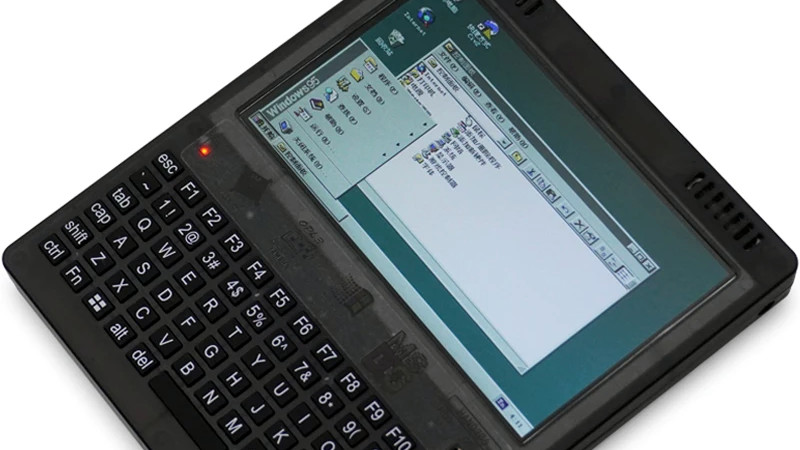
AliExpress is selling two new PCs, a 80386sx palmtop PC capable of running Windows 95 and an 8088 laptop for DOS, both made in 2023. These PCs are not evidence of aged chips going back into production but are the result of chip recycling. For around $250, buyers get a high spec 386sx PC and a useful 8088 machine, both in palmtop or clamshell laptop form factors. However, they may not be worth the price when compared to modern equivalents and emulation options.