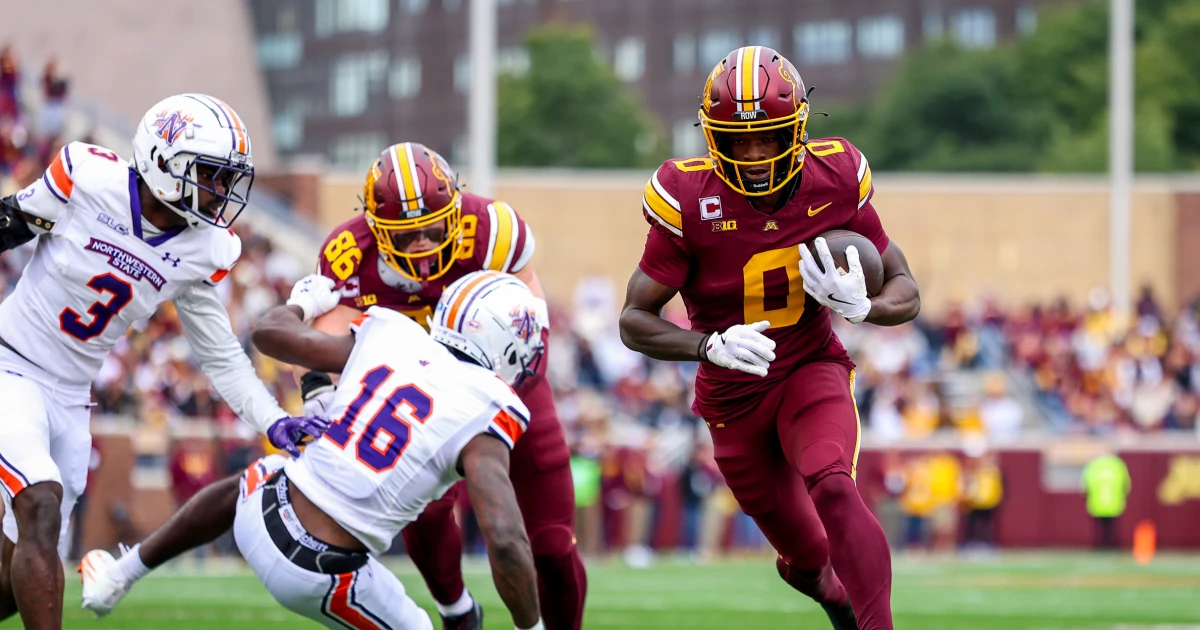
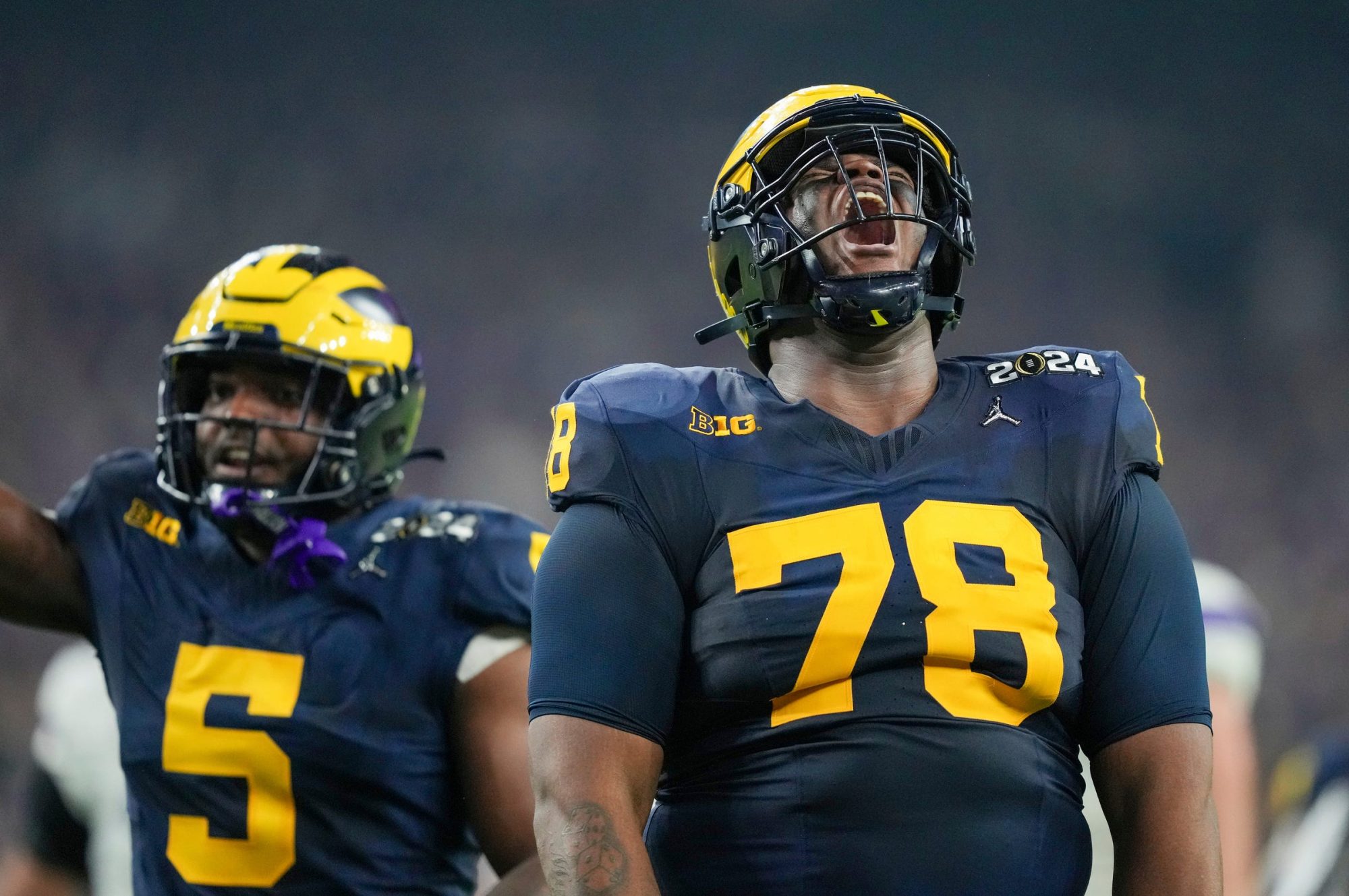
Week 2 of college football saw unprecedented halftime leads of 48+ points by three teams, highlighting the ongoing trend of large payouts for underdog games, which often result in lopsided scores, though not always guaranteed wins.
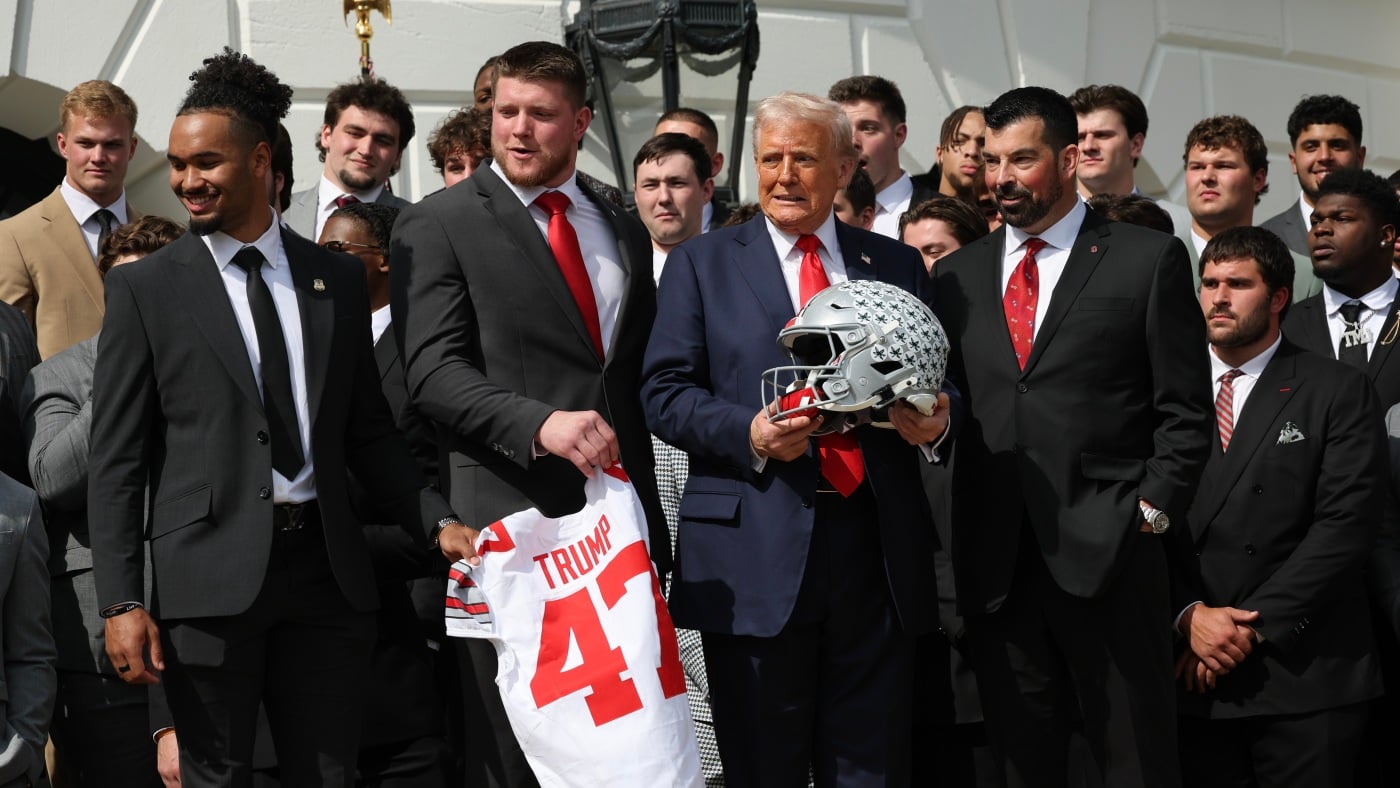
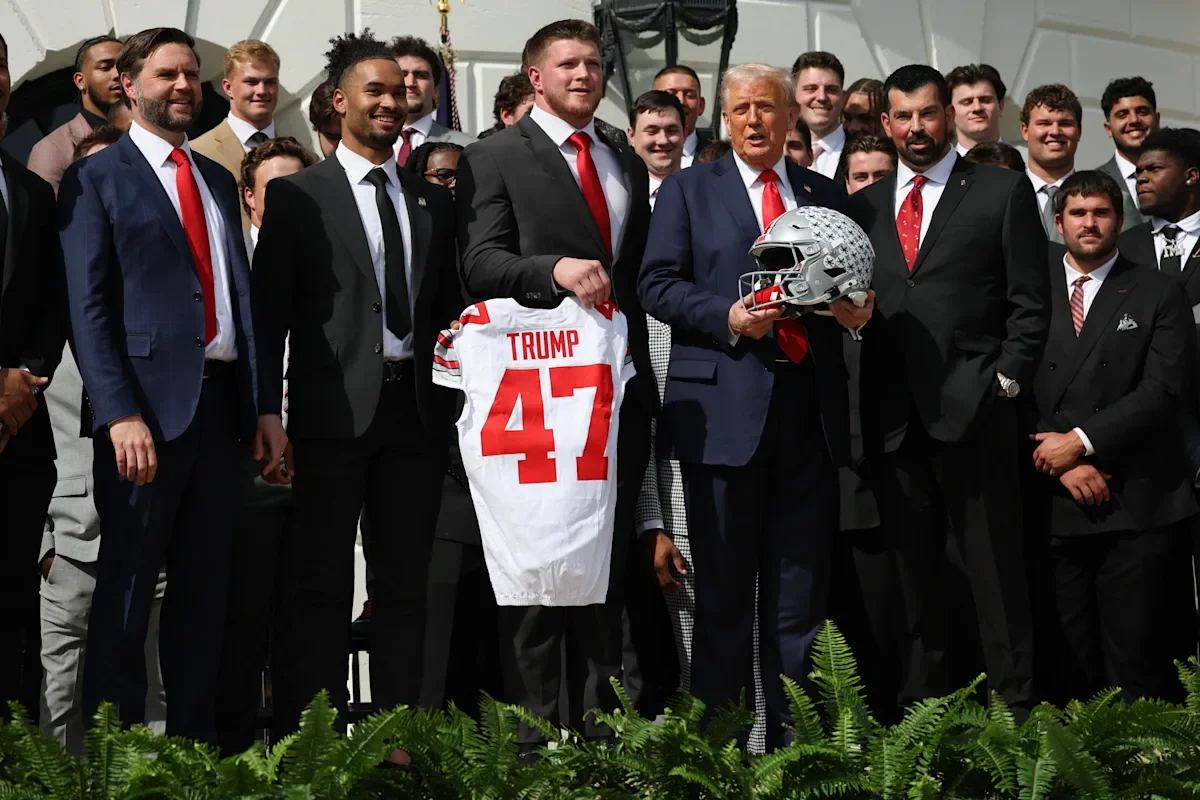
President Trump signed an executive order aimed at regulating college sports by enforcing rules on athletic scholarships, restricting pay-for-play NIL deals, and using federal funds to influence athletic programs, raising questions about legal and institutional impacts on the future of non-revenue and women's sports.
President Donald Trump issued an executive order prohibiting third-party pay-for-play payments to college athletes, while allowing legitimate compensation like endorsements, and called for federal clarification on student-athletes' status to protect non-revenue sports. The order aims to address issues in college sports amid ongoing debates over athlete compensation, with mixed reactions from the NCAA and lawmakers, and potential long-term impacts on athlete classification and revenue sharing.
A federal judge in Tennessee has granted a preliminary injunction prohibiting the NCAA from enforcing its rules against pay-for-play in recruiting, allowing name, image, and likeness collectives to negotiate deals with recruits without fear of sanctions. This decision marks a significant shift in college athletics, reflecting the changing landscape of NIL regulations and the ongoing legal battles against the NCAA's amateurism model.
A federal judge in Tennessee has granted a preliminary injunction against the NCAA, preventing it from enforcing any restrictions on name, image, and likeness (NIL) rules. This effectively allows pay-for-play to proceed, but athletes must still adhere to state laws. The ruling challenges the NCAA's amateurism model and its restrictions on athletes' ability to negotiate deals, potentially paving the way for players to be compensated for playing. The NCAA plans to appeal the ruling and is advocating for Congress to pass a law superseding the litigation it faces.
Lawyers representing three college athletes have filed an antitrust lawsuit against the NCAA and Power Five conferences, challenging the association's rules prohibiting athletes from being paid by their schools to play sports. The lawsuit seeks an injunction to end the rules and substantial damages for football and basketball players at Power Five schools. This comes as the NCAA is seeking federal legislation to address athlete compensation and name, image, and likeness (NIL) rights. The lawsuit follows previous cases challenging NCAA compensation limits and seeks to establish market-value compensation for athletes.
Three college athletes have filed a lawsuit against the NCAA and its five most powerful conferences, claiming that rules prohibiting schools from paying athletes violate antitrust law. The athletes are seeking an injunction to prevent the NCAA from enforcing these rules and are also seeking damages for past payments they would have received. The lawsuit comes shortly after NCAA president Charlie Baker proposed a plan that would allow schools to sign NIL deals directly with athletes. The athletes' attorneys argue that Baker's proposal shows that paying college athletes is compatible with the business of college sports.
NCAA president Charlie Baker has proposed sweeping changes to the association's amateurism model, suggesting the creation of a new subdivision for schools with the highest resources that would allow pay for play between schools and athletes. The proposal would give schools the ability to arrange NIL deals for athletes with no cap on compensation and require a minimum investment of $30,000 per athlete annually. This marks a significant shift in the NCAA's stance on player compensation and acknowledges the need for change in the collegiate model. The proposal will be discussed at the NCAA Convention next month.
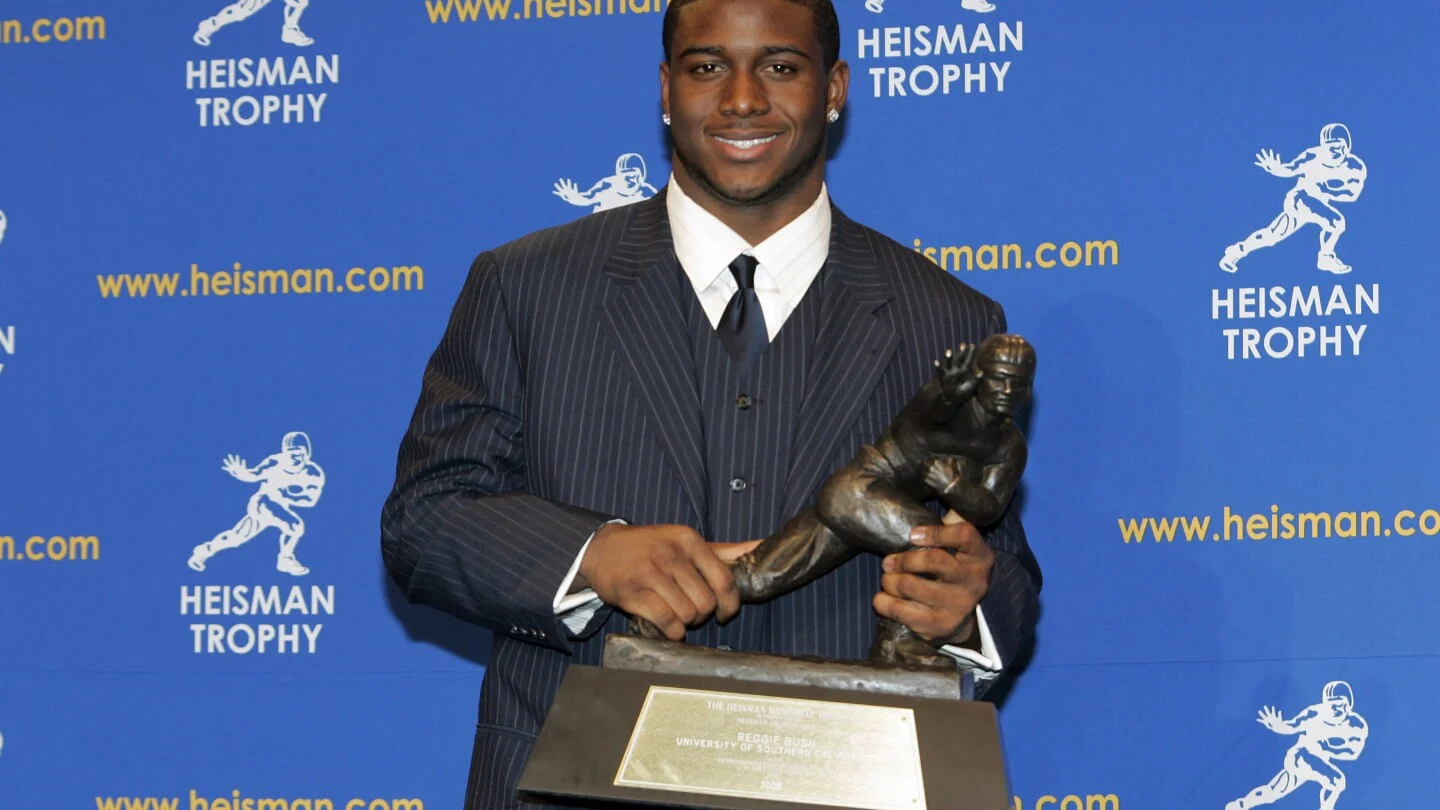
Reggie Bush, former college football player, plans to file a defamation lawsuit against the NCAA for making false and damaging statements about him. The NCAA had refused to restore Bush's college records and reinstate his Heisman Trophy, citing his alleged involvement in a "pay-for-play arrangement." However, Bush's attorneys argue that he was never accused or sanctioned for such an arrangement, and the NCAA's statement was completely false. The lawsuit presents an opportunity for Bush to challenge the NCAA's refusal to acknowledge that his actions did not warrant the penalties imposed.
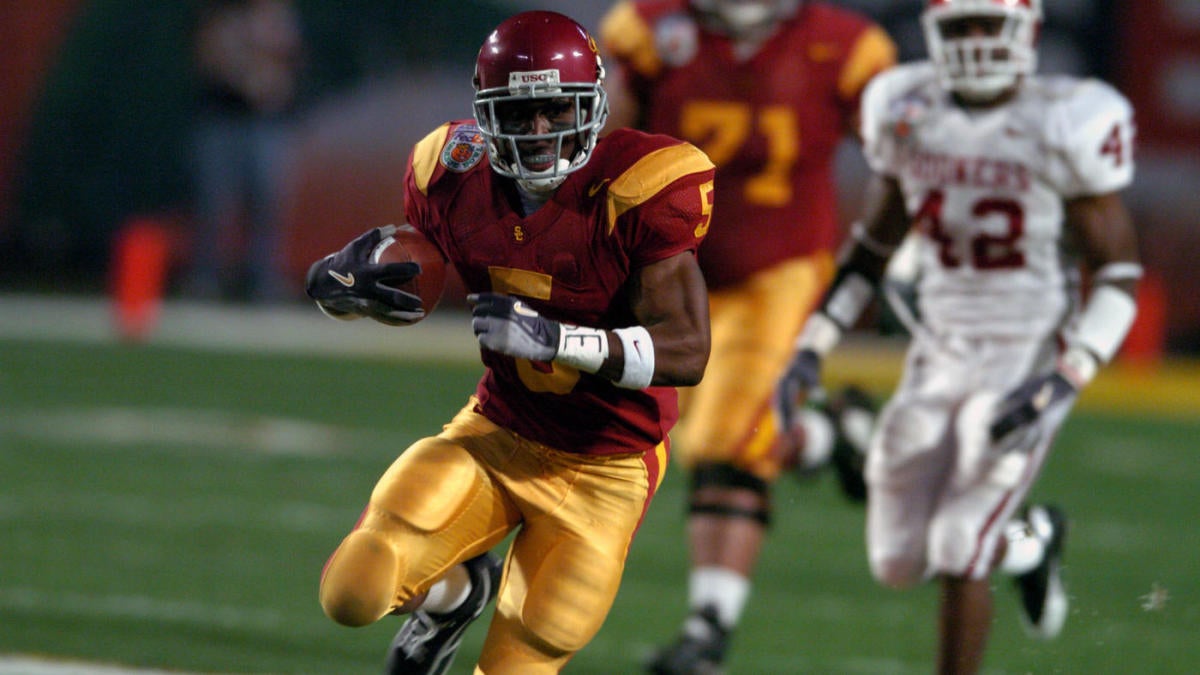
Reggie Bush, former USC star running back, is planning to file a defamation lawsuit against the NCAA over a 2021 statement claiming he was involved in a "pay-for-play arrangement." Bush's representatives argue that the NCAA's statement is false and offensive, and that it damaged his reputation. Bush had his 2005 Heisman Trophy vacated and his collegiate records wiped following an NCAA investigation into impermissible benefits received by him and his family. Despite seeking reinstatement of his records, the NCAA declined to reconsider his case. Bush will address the lawsuit in a press conference on Wednesday.
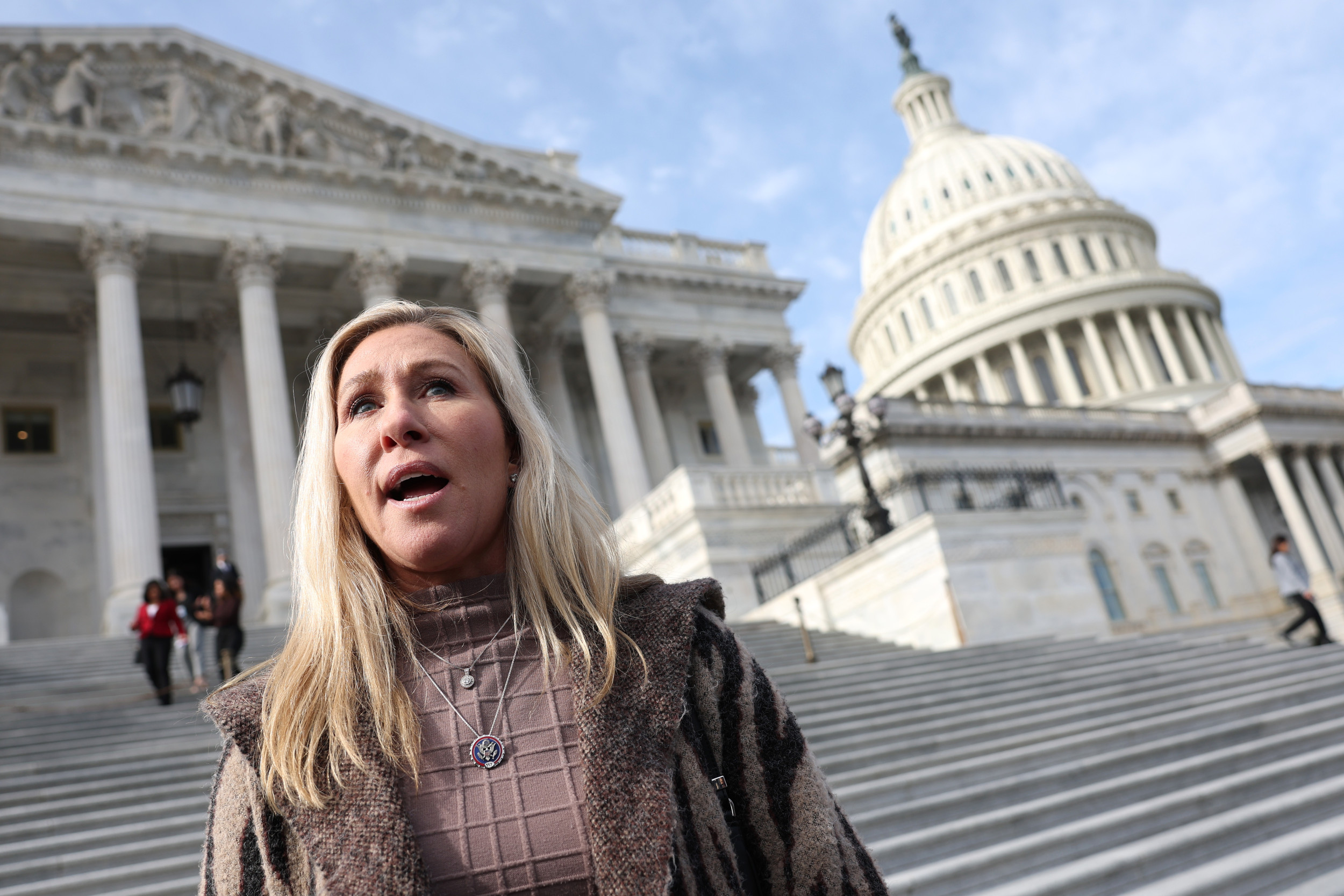
Republican Congresswoman Marjorie Taylor Greene claims to have "evidence" to impeach President Joe Biden for alleged pay-for-play with foreign nationals to influence policy decisions as vice president. The GOP House Committee on Oversight and Accountability will investigate the allegations. Greene said the committee has subpoenaed FBI Director Christopher Wray for a document that allegedly contains proof of Biden's wrongdoing. No articles of impeachment on Biden have been presented to the House of Representatives. The White House spokesperson for oversight and investigations dismissed the allegations as unfounded politically-motivated attacks.
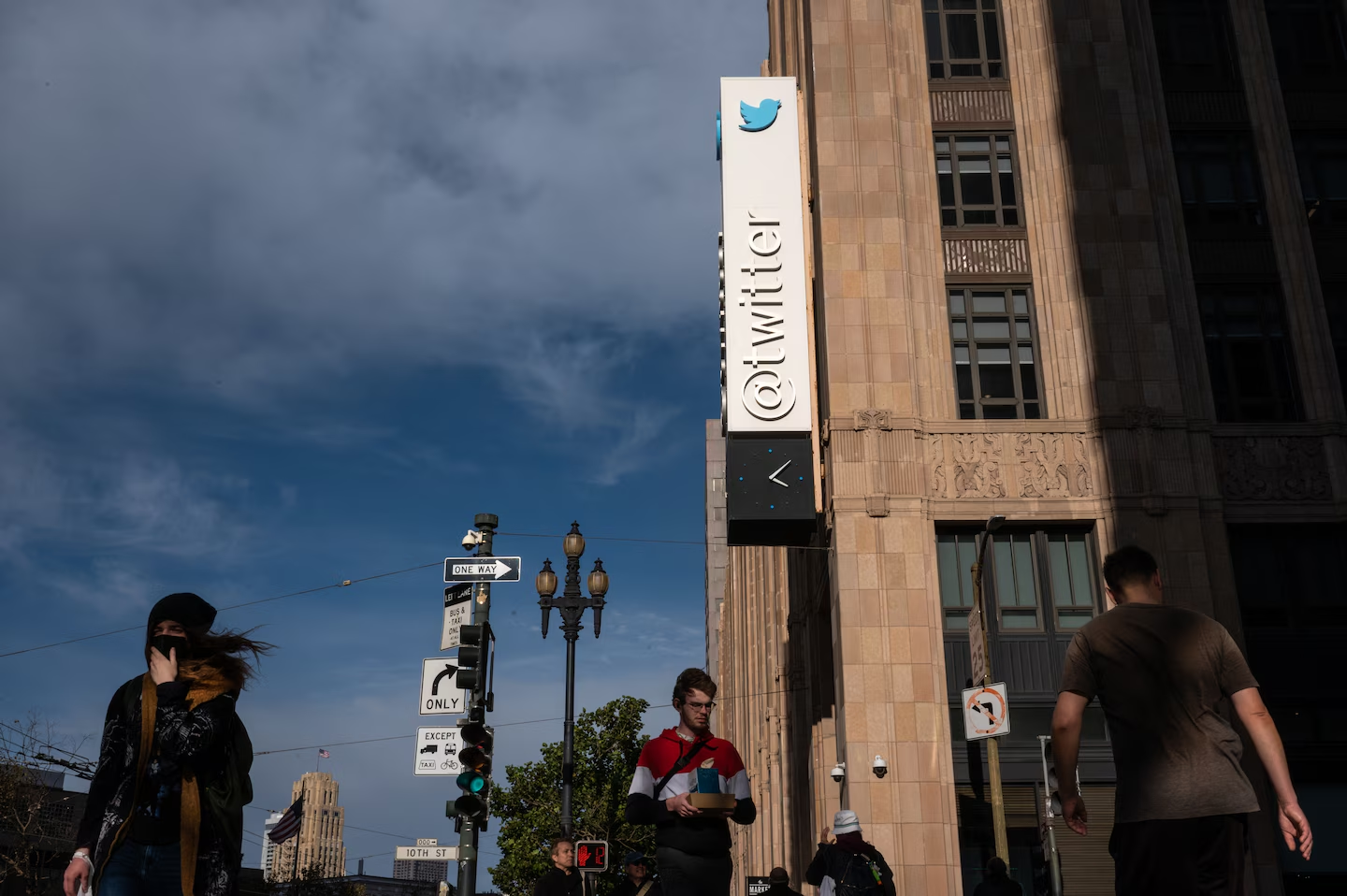
Twitter removed the verified badge from the New York Times' main account after Elon Musk pushed for it overnight when he learned that the news organization would not pay for Twitter Blue service. The move contradicts an internal plan to keep the badges on for its 10,000 most-followed organizations, regardless of whether they paid. Twitter is implementing a pay-for-play system that would give the badge to anyone who pays for it. The move will probably make it harder for Twitter users to distinguish between legitimate and fake accounts.