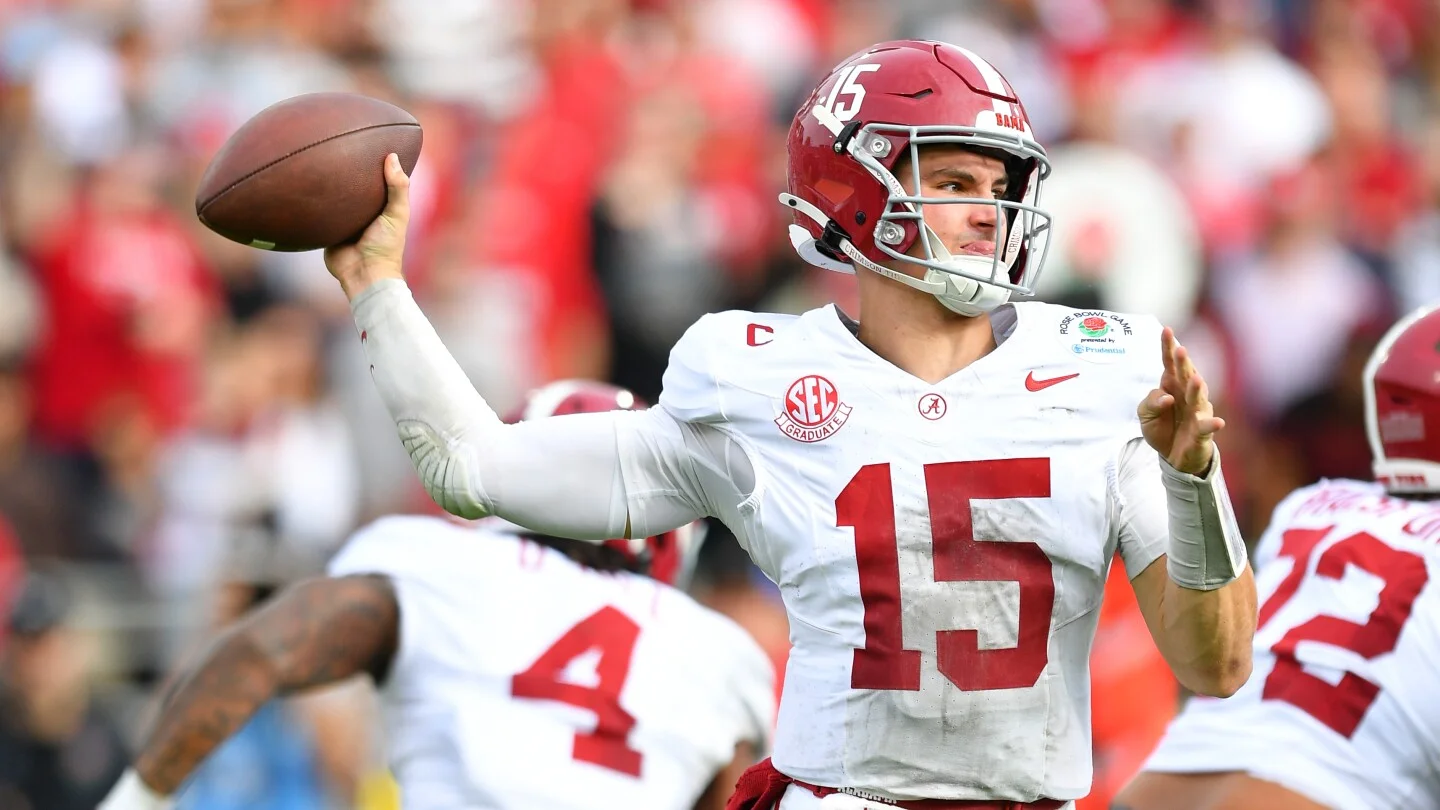
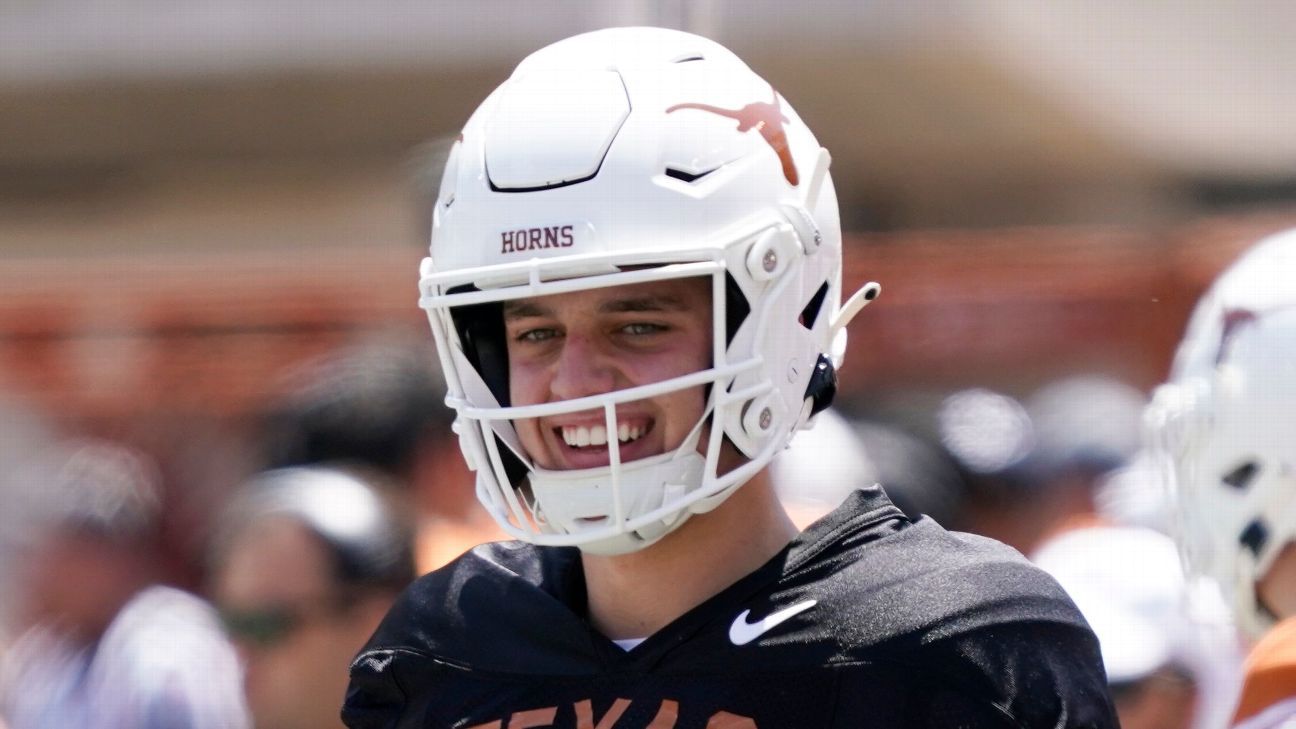
Ty Simpson reportedly has substantial NIL offers—even one around $6.5 million—even as he plans to enter the NFL draft, highlighting NIL leverage in college football and a possible choice between immediate earnings and pursuing an NFL career, with questions about eligibility if he declares.
Starting July 1, NCAA schools can pay athletes up to approximately $20.5 million annually based on revenue, marking a significant shift in college sports, with ongoing legal and legislative challenges expected to shape the future of athlete compensation and rights.
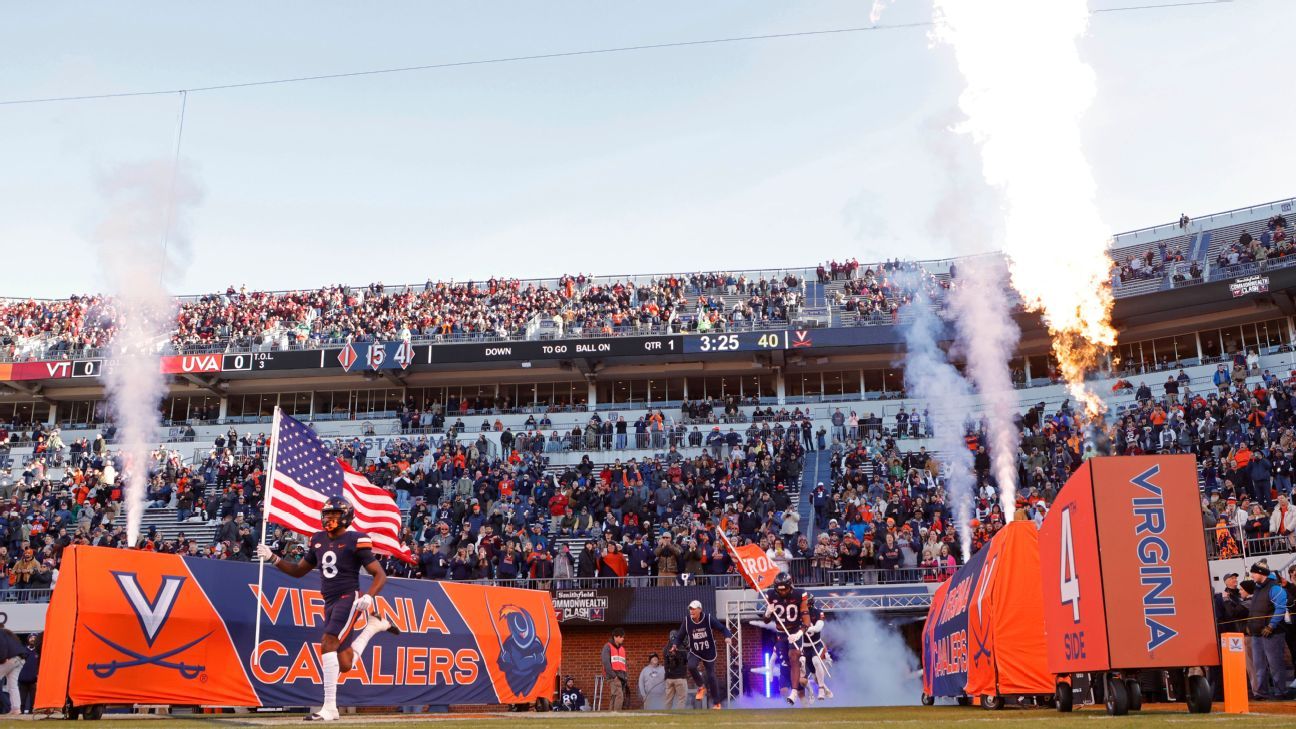
Virginia has passed a law allowing schools to pay athletes for their name, image, and likeness (NIL) rights, making it the first state to do so. The law, set to take effect in July, prohibits the NCAA from punishing schools for compensating athletes for their NIL rights. This move could give Virginia schools a recruiting advantage and potentially lead to similar changes in other states. The NCAA has yet to respond to the new law, but recently approved plans to allow schools to facilitate deals between players and third parties. The law has sparked discussions about how schools will implement the changes and ensure equitable opportunities for male and female athletes.
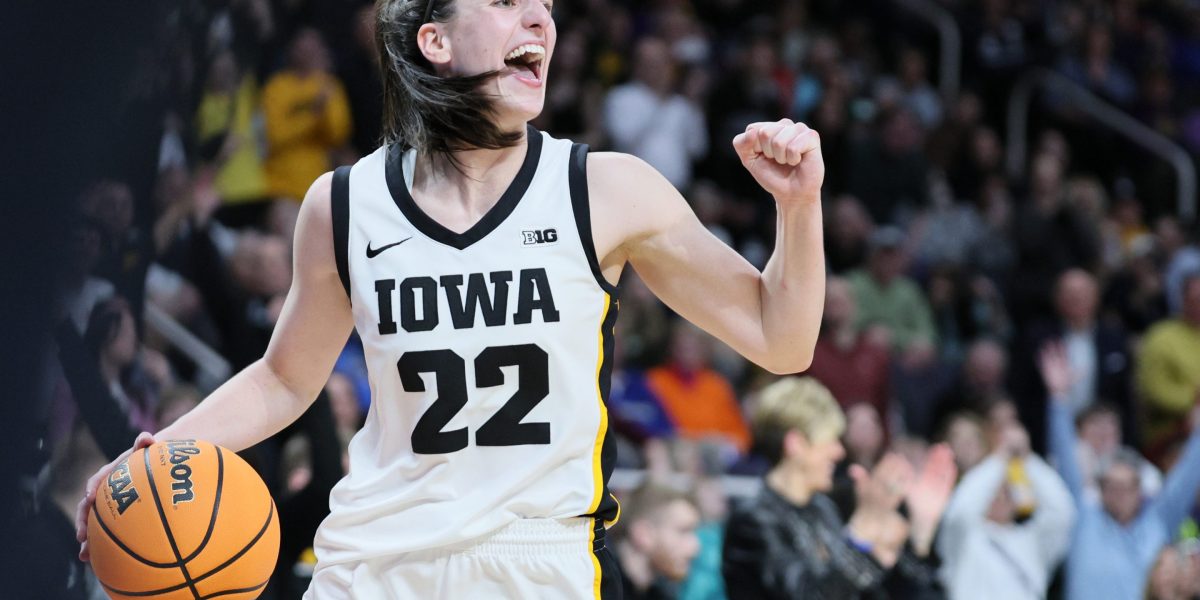
Iowa basketball star Caitlin Clark has become a trailblazer for college athletes in profiting from name, image, and likeness (NIL) deals, amassing over $3 million in brand sponsorships while still in college. As she prepares to enter the WNBA draft, she's expected to continue earning significant income from endorsements and partnerships, potentially exceeding her WNBA salary. Clark's success reflects the changing financial landscape for college athletes following the NCAA's adoption of new policies allowing them to profit from their persona, and she's poised to make a lasting impact on the future of college athletics.
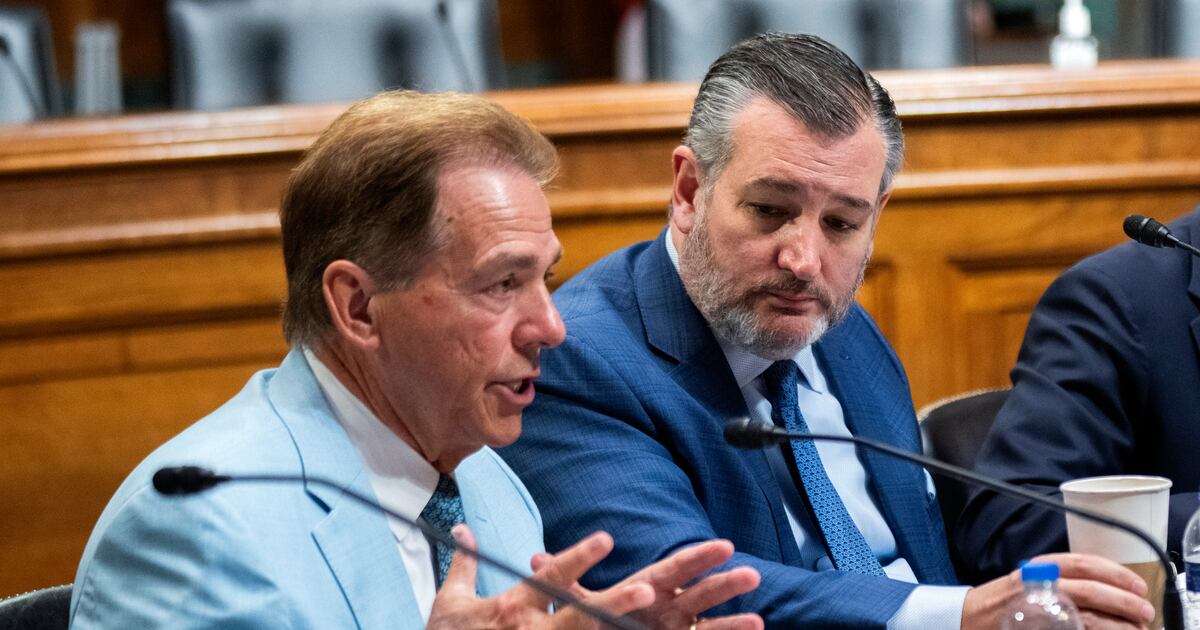
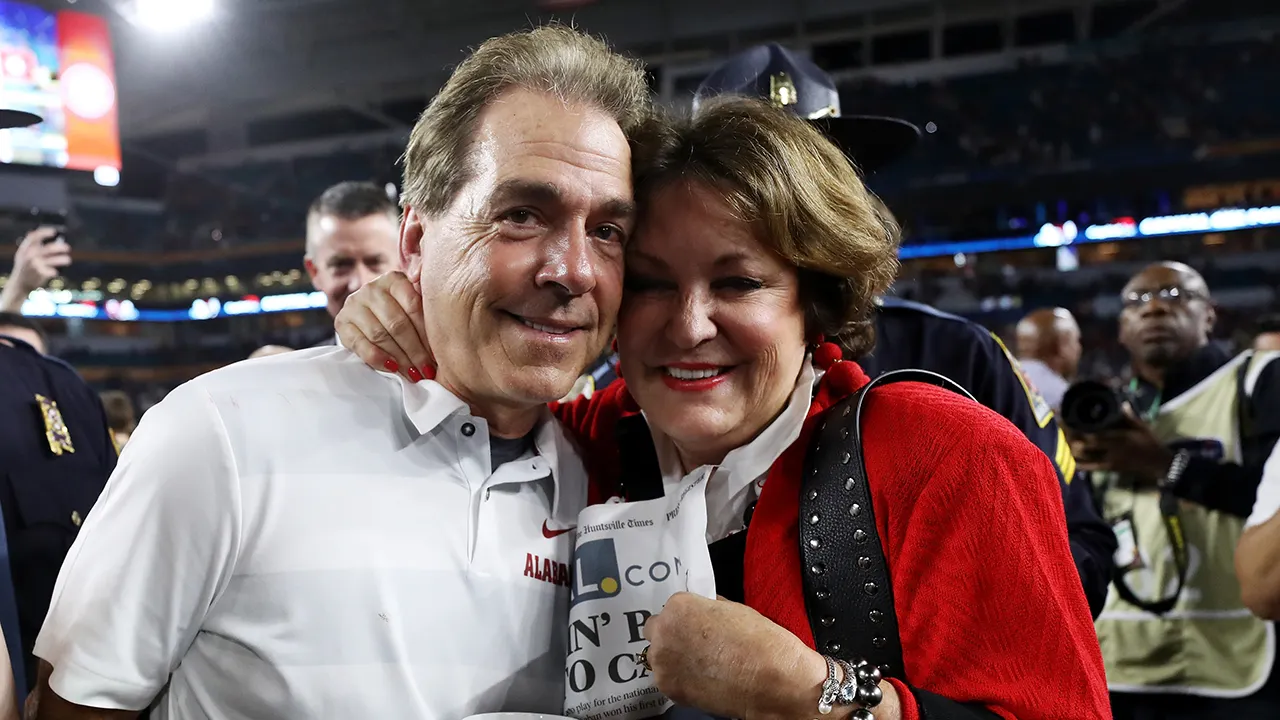
Alabama football coach Nick Saban retired in January, citing the changing landscape of college athletics due to name, image, and likeness (NIL) regulations. Saban expressed concerns about the shift towards a pay-for-play system and the impact on the development of young athletes, emphasizing the importance of maintaining a balance between NIL opportunities and the traditional focus on personal and academic development in college sports.
Legendary Alabama football coach Nick Saban revealed that the changing landscape of college athletics, particularly the emphasis on pay-for-play and name, image, and likeness deals, played a role in his decision to retire. Saban shared a conversation with his wife, Terry, who expressed concern about the shift towards financial incentives over player development. He emphasized the importance of creating opportunities for young athletes to be successful in life and expressed worries about the impact of the current system on their overall development.
Arch Manning, sophomore backup quarterback for Texas and nephew of Peyton and Eli Manning, has opted out of being included in the upcoming EA Sports College Football 25 video game, preferring to wait until he becomes the starting quarterback. Despite a robust market for his name, image, and likeness, Manning has been reluctant to do NIL deals, with his only previous deal being an exclusive trading card partnership. Over 10,000 college football players have already opted in to be part of the video game, with EA Sports offering them $600 and a copy of the game.
Over 10,000 college football players have opted in for EA Sports College Football 25, a new video game set to launch this summer, which will feature the athletes and pay them through a name, image, and likeness deal. Each player who opts in will receive $600 and a copy of the game, and the response has been described as phenomenal. The game will feature teams with 85-man rosters, and non-scholarship athletes can also opt in through an app on their phone. Athletes are encouraged to opt in by April so that their name, image, and likeness can be included when the game launches, and they will receive annual payments throughout their college careers.
After suffering a legal setback, the NCAA has decided to pause investigations into third-party involvement in name, image, and likeness (NIL) compensation deals with Division I athletes. This decision follows a federal judge's preliminary injunction in an antitrust lawsuit challenging NCAA rules against recruiting inducements. While the NCAA will continue to enforce specific policies related to NIL compensation, the move reflects the ongoing struggle to navigate the rapidly changing landscape of college athletics and athlete compensation.
The NCAA has paused investigations into third-party involvement in name, image, and likeness (NIL) compensation deals with Division I athletes following a courtroom loss in an antitrust lawsuit brought by the attorneys general of Tennessee and Virginia. The NCAA president directed enforcement staff to halt investigations involving third-party participation in NIL-related activities, while still enforcing specific policies regarding NIL compensation. This move comes as the NCAA faces challenges to its amateurism model and seeks solutions to the rapidly changing landscape of college athletics.
After suffering a courtroom loss, the NCAA has decided to pause investigations into third-party involvement in name, image, and likeness (NIL) compensation deals with Division I athletes. This decision comes after a federal judge granted a preliminary injunction in an antitrust lawsuit challenging NCAA rules against recruiting inducements. While the NCAA will continue to enforce specific policies related to NIL compensation, the move reflects the ongoing struggle to navigate the evolving landscape of college athletics and the push for athletes to benefit from their celebrity and fame.
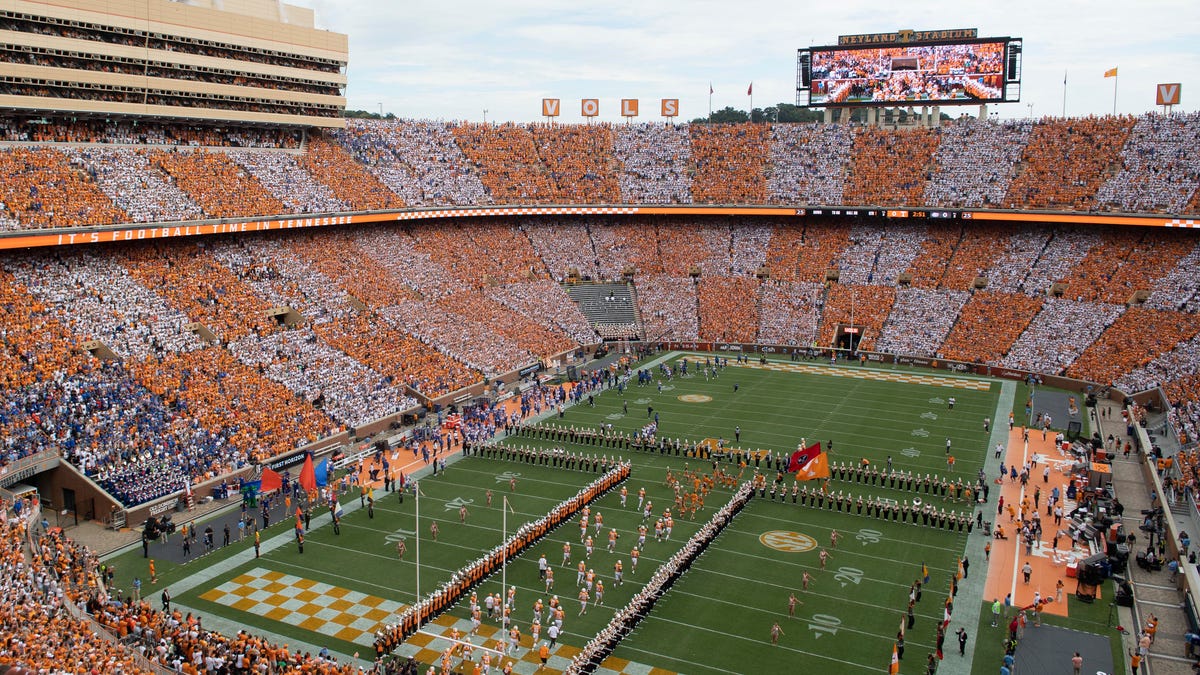
The NCAA has decided to pause all investigations related to name, image, and likeness benefits for athletes following a preliminary injunction order suspending NIL rules from the Tennessee and Virginia attorneys general's antitrust lawsuit against the NCAA. This decision comes after the NCAA targeted the University of Tennessee in its investigations, prompting the Tennessee attorney general to sue. The NCAA will not penalize conduct consistent with the injunction while it is in place, and foundational NIL policies, such as the prohibition on pay-for-play and direct institutional payment for NIL, will still be enforced.
The NCAA suffered another setback in court as a federal judge ruled against enforcing key NIL rules, potentially benefiting schools under investigation for using NIL money in recruiting. The NCAA's power is being systematically dismantled through lawsuits and loopholes, with recent rulings allowing players to discuss financials during recruiting, transfer multiple times, and form a union. The NCAA's outdated rules and resistance to change are increasingly at odds with the evolving landscape of college athletics, as student-athletes seek more empowerment and fair treatment.
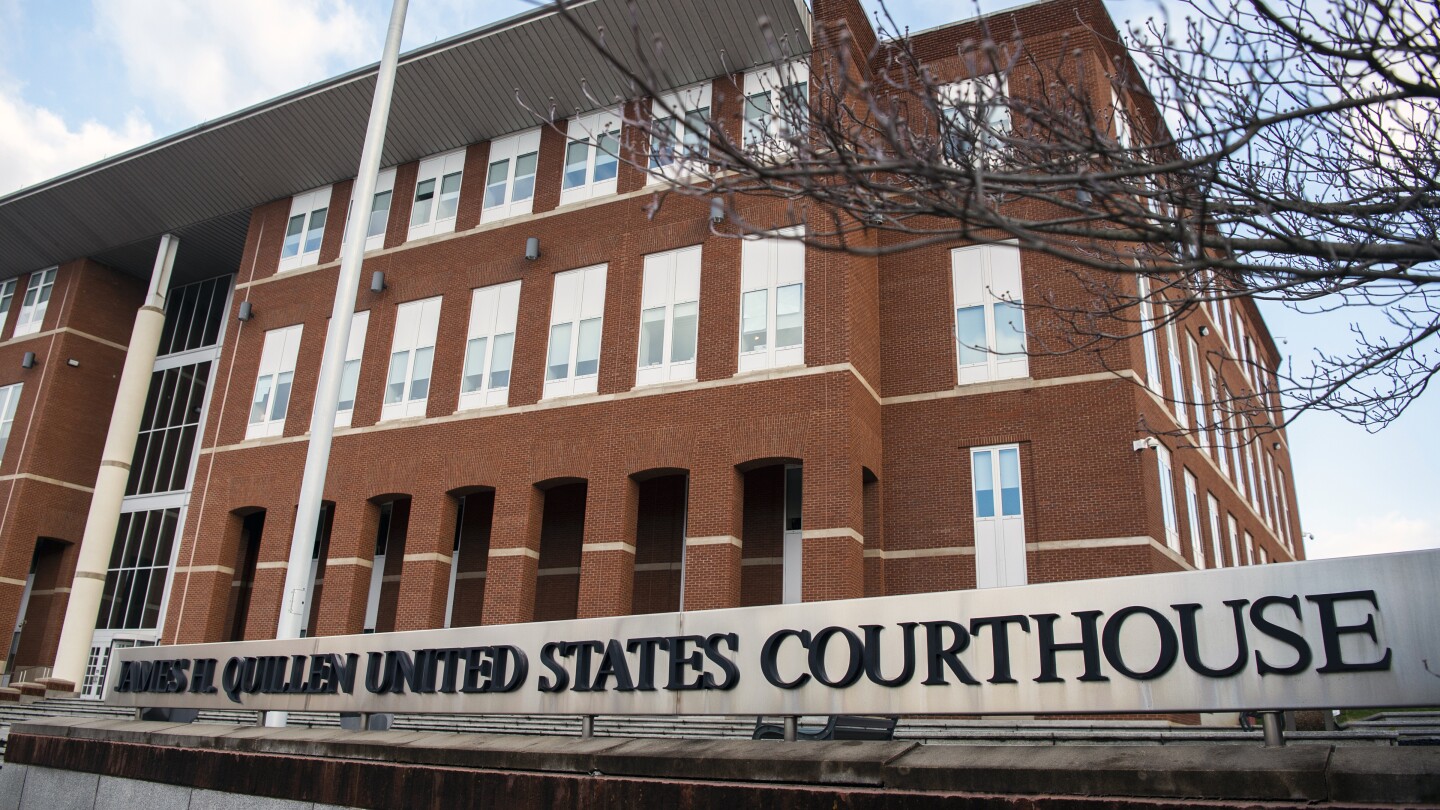
A federal judge in Tennessee has granted a preliminary injunction against the NCAA, preventing it from enforcing any restrictions on name, image, and likeness (NIL) rules. This effectively allows pay-for-play to proceed, but athletes must still adhere to state laws. The ruling challenges the NCAA's amateurism model and its restrictions on athletes' ability to negotiate deals, potentially paving the way for players to be compensated for playing. The NCAA plans to appeal the ruling and is advocating for Congress to pass a law superseding the litigation it faces.
A federal judge has granted a preliminary injunction against the NCAA, barring the enforcement of rules prohibiting name, image, and likeness (NIL) compensation from being used to recruit athletes, stating that the prohibition likely violates federal antitrust law and harms student-athletes. The ruling undercuts the NCAA's model of amateurism and comes as a blow to its ability to govern college sports. The decision is a victory for the states of Tennessee and Virginia, which filed the lawsuit challenging the NCAA's NIL rules, and for the University of Tennessee, which is facing an inquiry by the NCAA into possible recruiting violations.