A legal settlement is transforming college athletics by allowing Division I schools to pay student-athletes for their name, image, and likeness, starting with $20.5 million in the first year and increasing annually. This shift also involves distributing $2.8 billion in back pay to athletes affected by previous NCAA rules, with stricter oversight on third-party NIL deals. LSU is actively preparing for these changes across various aspects of its athletic programs.
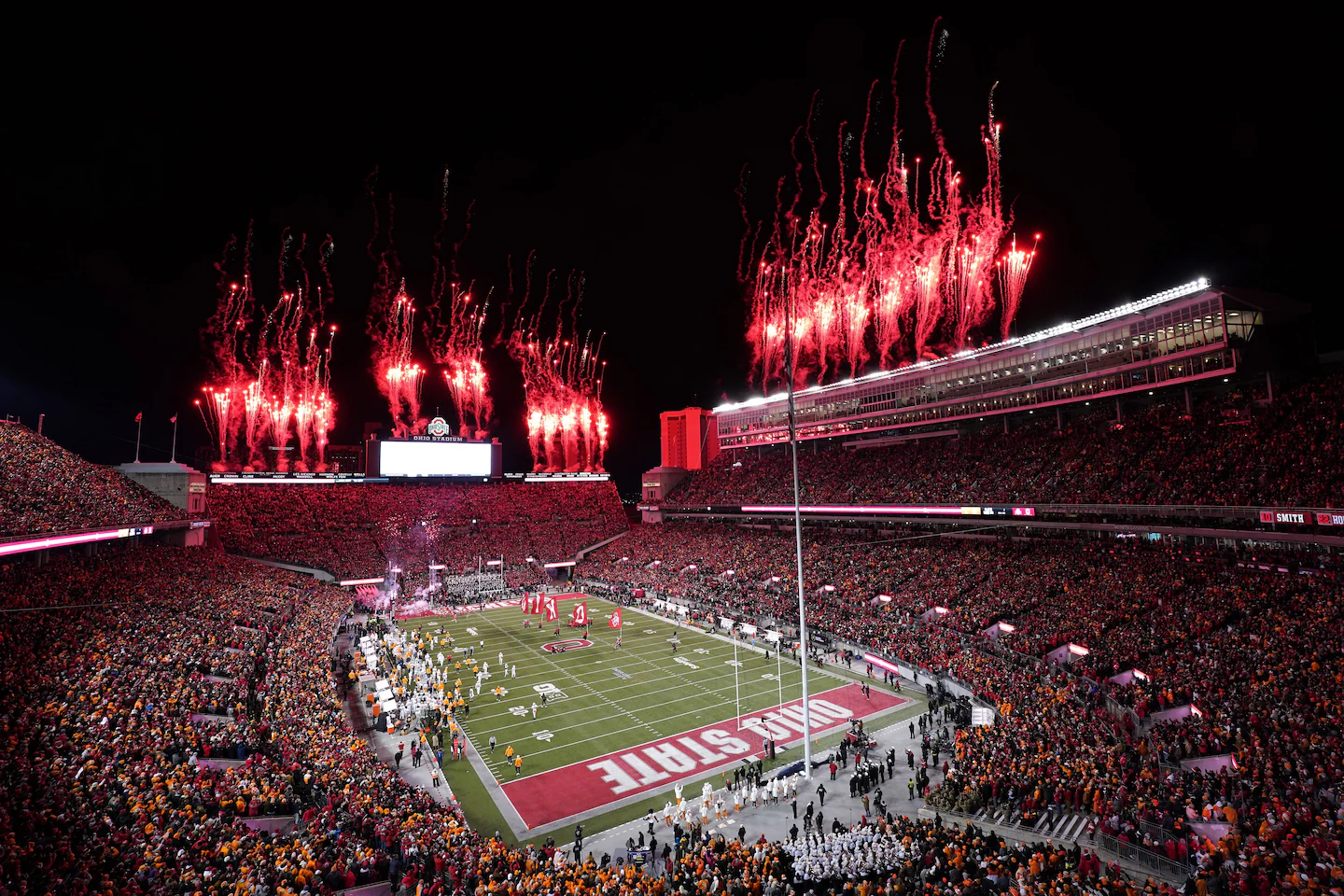
Starting July 1, 2025, college athletes can now be paid directly by their schools, marking a significant shift from the previous rules where they could earn money from their name, image, and likeness but not receive direct payments, making college sports more like professional sports.
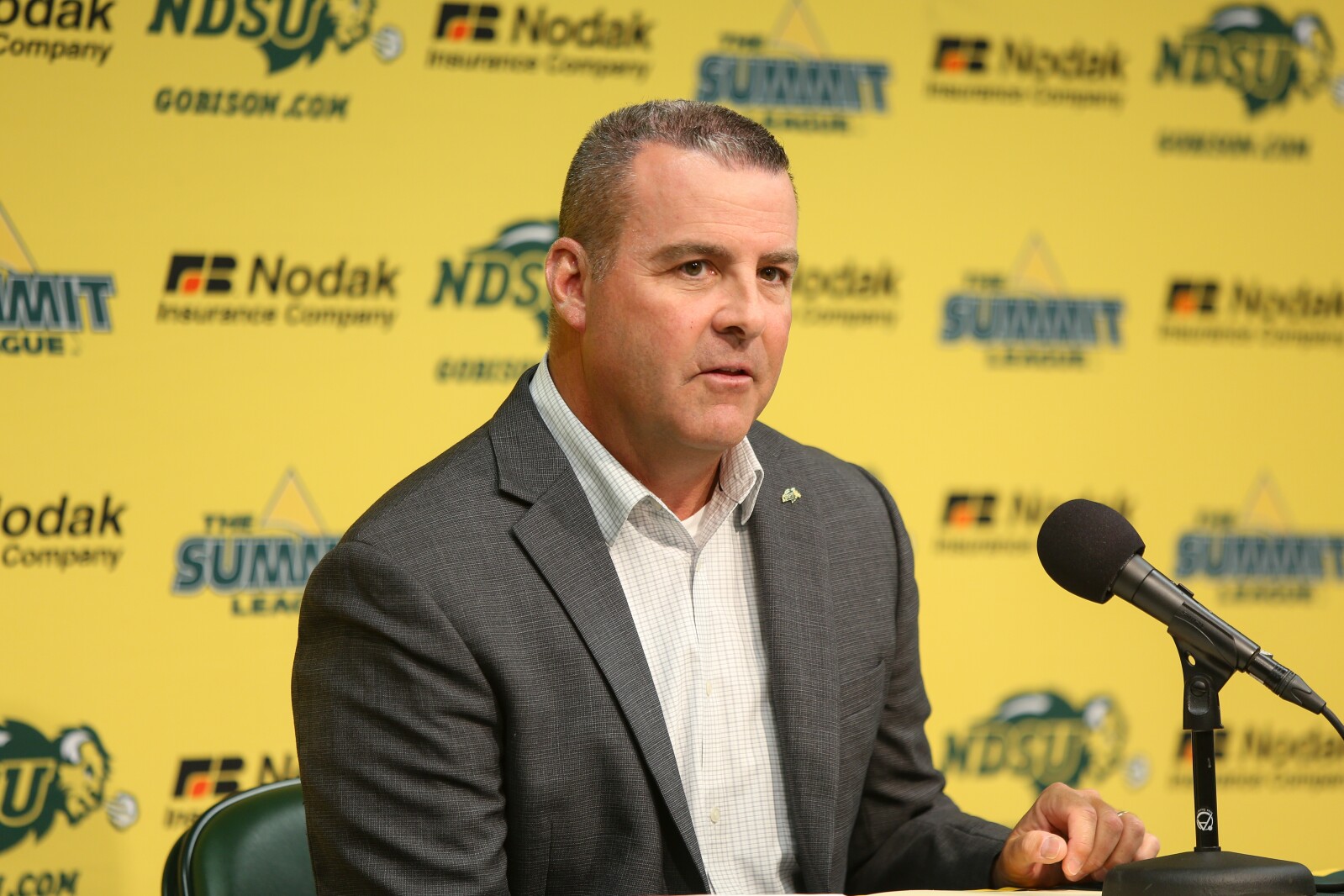
NDSU has officially embraced paying college athletes, marking the end of the era of amateurism, as part of a broader evolution in college sports, with the university participating in the NCAA settlement allowing direct athlete compensation.
A federal judge approved a $2.7 billion settlement allowing NCAA Division I schools to pay athletes directly with a salary cap of $20.5 million, marking a significant shift in college sports' financial landscape and ending decades of amateurism restrictions.
The NCAA's recent legal settlement ending amateurism and introducing revenue sharing between athletes and universities marks a significant shift in college sports. Despite concerns, this change is seen as a positive evolution rather than the end of collegiate athletics, ensuring that the competitive spirit and educational value remain intact.
Track and field will be the first sport to provide direct cash payments for Olympic gold medalists, with individual gold medalists at the Paris Games set to receive $50,000 each from the sport’s governing body. This move marks a significant departure from the long-held ideal of amateurism at the Olympics, reflecting the evolving landscape of professional athletes' participation in the games. World Athletics' decision to introduce these payments underscores a shift towards recognizing and empowering athletes, potentially setting a precedent for other sports to follow suit.
A federal judge has issued a temporary injunction against the NCAA, preventing the organization from enforcing its restrictions on recruits signing name, image, and likeness (NIL) deals with booster groups. The ruling, resulting from a lawsuit filed by attorneys general in Tennessee and Virginia, allows recruits in all states to sign NIL deals without fear of repercussions. The judge found that the NCAA's prohibition likely violates federal antitrust law and harms student-athletes, dealing a significant blow to the NCAA's attempts to defend its NIL rules. This decision is expected to have far-reaching implications for college sports and the future of athlete compensation.
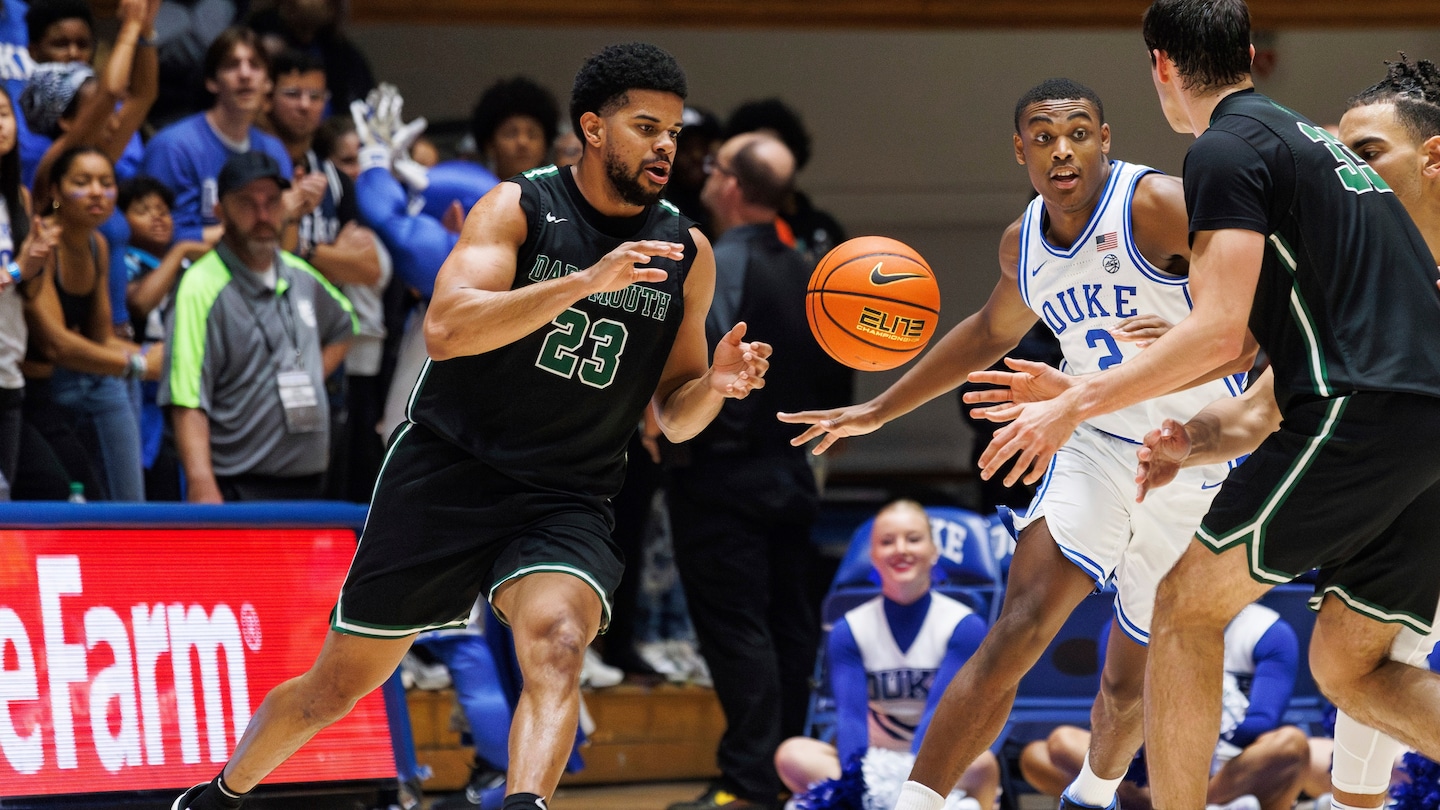
A regional director for the National Labor Relations Board has ruled that the Dartmouth men’s basketball team can hold a union election, potentially classifying the athletes as employees of the school. Dartmouth plans to appeal the decision, and the outcome could have significant implications for college sports. The ruling comes amid ongoing debates about whether college athletes should be considered employees, especially in light of recent changes allowing athletes to profit from their name, image, and likeness. If the players ultimately unionize, they could gain the ability to collectively bargain with the school over compensation and working conditions.
NCAA president Charlie Baker has proposed sweeping changes to the association's amateurism model, suggesting the creation of a new subdivision for schools with the highest resources that would allow pay for play between schools and athletes. The proposal would give schools the ability to arrange NIL deals for athletes with no cap on compensation and require a minimum investment of $30,000 per athlete annually. This marks a significant shift in the NCAA's stance on player compensation and acknowledges the need for change in the collegiate model. The proposal will be discussed at the NCAA Convention next month.
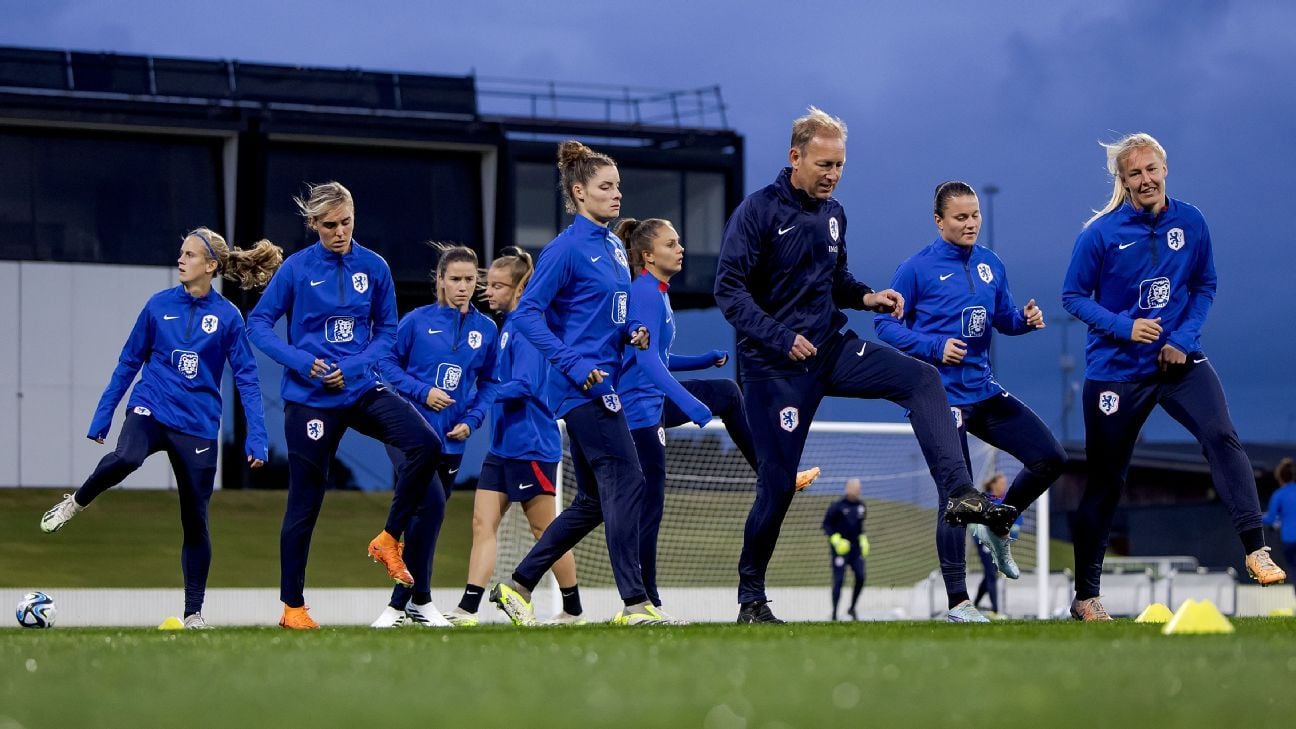
The Netherlands women's football team has criticized the amateurish organization of the Women's World Cup, expressing their disappointment and anger over the training conditions in New Zealand. Coach Andries Jonker raised concerns about the hard cricket pitch at the Bay Oval in Tauranga, fearing potential injuries to his players. Despite their complaints, the Dutch team will continue to train at the venue but have abandoned plans for full pitch practice. The Dutch football association had previously expressed concerns to FIFA and were promised that the pitch would be removed before their arrival.
The NCAA is seeking protection from the winds of change as amateur sports at American institutions of higher education are dead. The NCAA wants to protect its money and is finding champions in politicians like Rep. Gus Bilirakis. The NCAA is begging Congress for legislation to make Name, Image and Likeness laws and policies consistent across states. The reason for this is that a firehose of cash around college sports has altered the landscape. Coaches of Division I state school basketball and football teams have at times been the highest-paid public employees in their state.