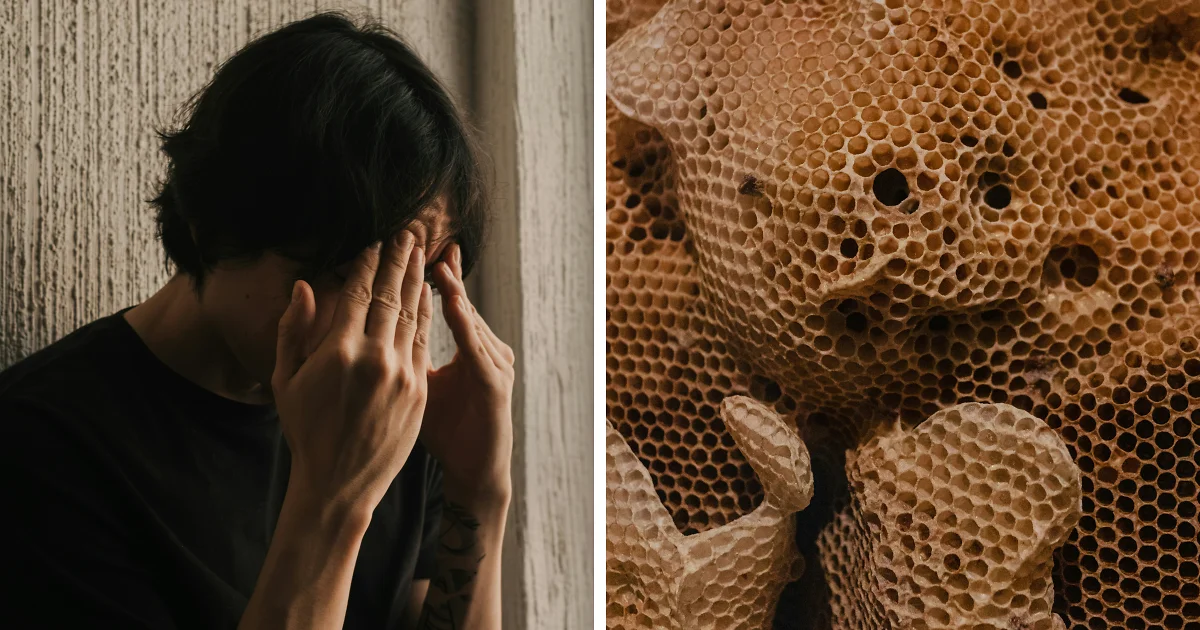
Trypophobia is an aversion to clustered holes or bumps, often driven by disgust and evolutionary disease-avoidance instincts, but it is not officially recognized as a clinical phobia. Reactions include discomfort, physical sensations, and avoidance, triggered by visual patterns resembling parasites or diseased skin. While many experience symptoms similar to phobias, it generally lacks the impairment required for diagnosis. Treatments like therapy and relaxation techniques can help manage symptoms.

A new study suggests that the boundaries between Earth's geological periods follow a hidden hierarchical, fractal pattern, which could improve our understanding of past planetary changes and help predict future shifts.
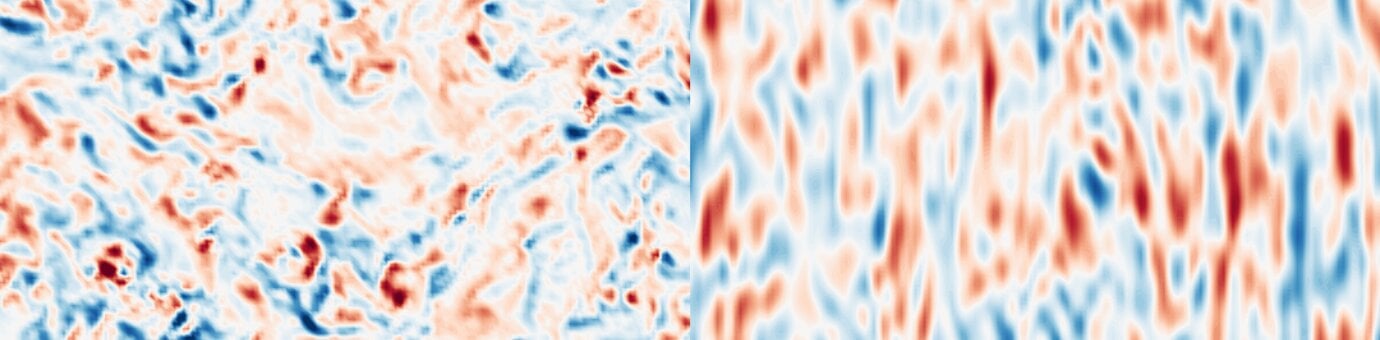
A new study suggests that regular patterns can emerge from the turbulent motion of fluids under certain conditions, such as when particles in the fluid all spin in the same direction, a property called "odd viscosity." This effect, observed in a simulation, could have implications for controlling and shaping turbulence, potentially leading to breakthroughs in designing more efficient airplane wings, engines, and wind turbines. The findings, published in Nature, offer insights into the interplay between eddies and waves in turbulent flows and could have applications in various natural contexts, including the corona of the sun and the solar wind.
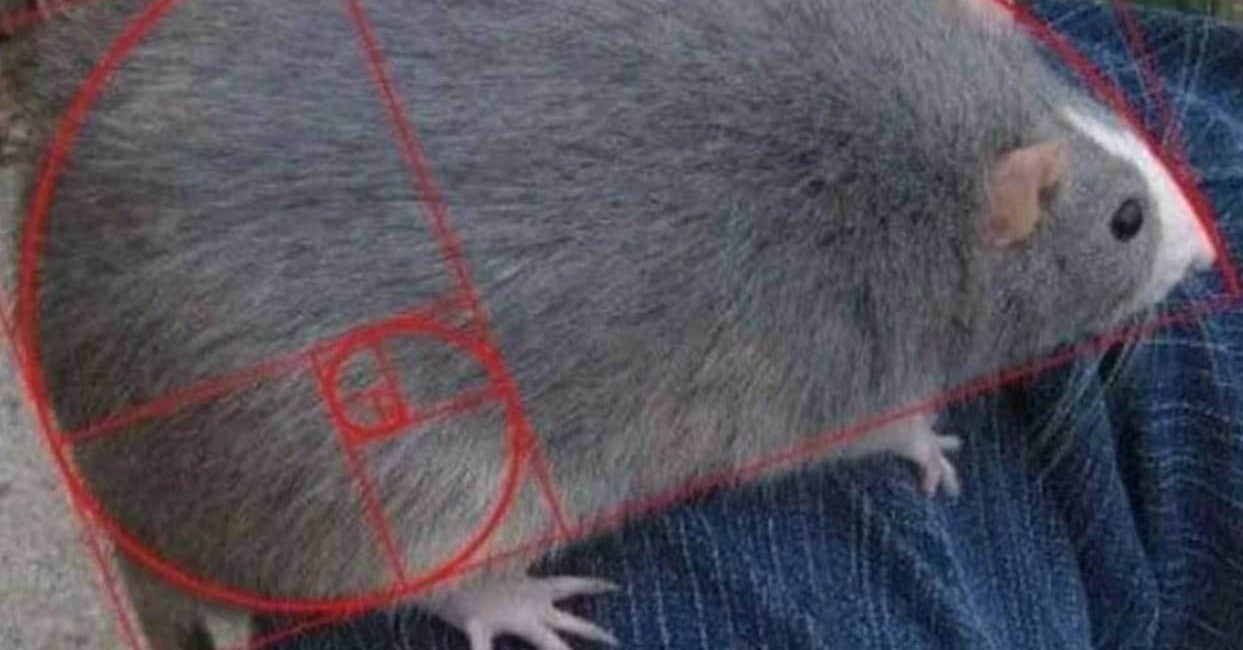
The Fibonacci sequence, a series of numbers that produce the "golden ratio," appears in nature in various forms, including the shell of a nautilus, bubbles made by whales, and the growth patterns of plants and trees. The sequence is also found in random and obscure places, such as broken computer screens and spilled liquids. The article showcases 18 examples of the Fibonacci sequence in nature and everyday life.