Experts recommend vaccinating pets against deadly diseases like parvovirus and rabies, with core vaccines for dogs and cats, and highlight the importance of booster shots and accessible low-cost clinics to ensure pet health and safety in Maine.
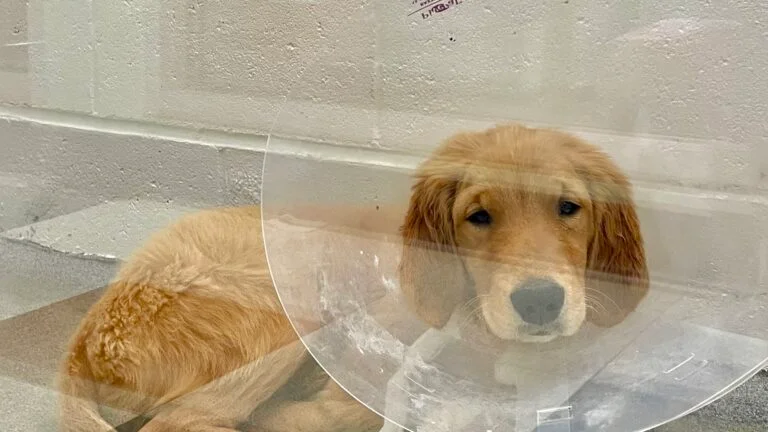
Five abandoned golden retriever puppies in Boston were found with three testing positive for the deadly and contagious Parvovirus. One puppy, Big Red, is in foster care and will be available for adoption after recovering from the virus and parasites. Authorities are investigating the abandonment, and MSPCA-Angell emphasizes the importance of vaccinating dogs against such diseases.
A puppy yoga class in Dallas led to a parvovirus outbreak among Dalmatian puppies, resulting in multiple deaths and raising concerns about animal welfare, breeder practices, and the accountability of the yoga studio, Puppies & Yoga, which denies responsibility and claims to follow safety protocols.
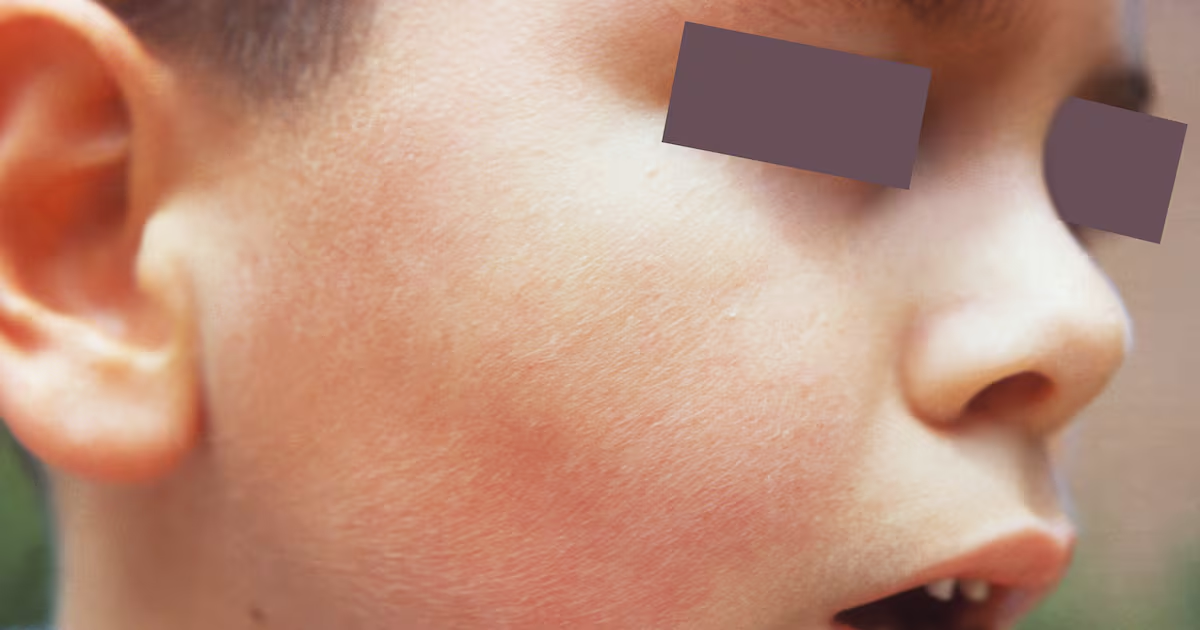
Health officials in Hamilton County, Ohio, warn of a Parvovirus outbreak that poses risks to pregnant women, individuals with blood disorders, weakened immune systems, and pets, with symptoms including rash, joint pain, and fever.
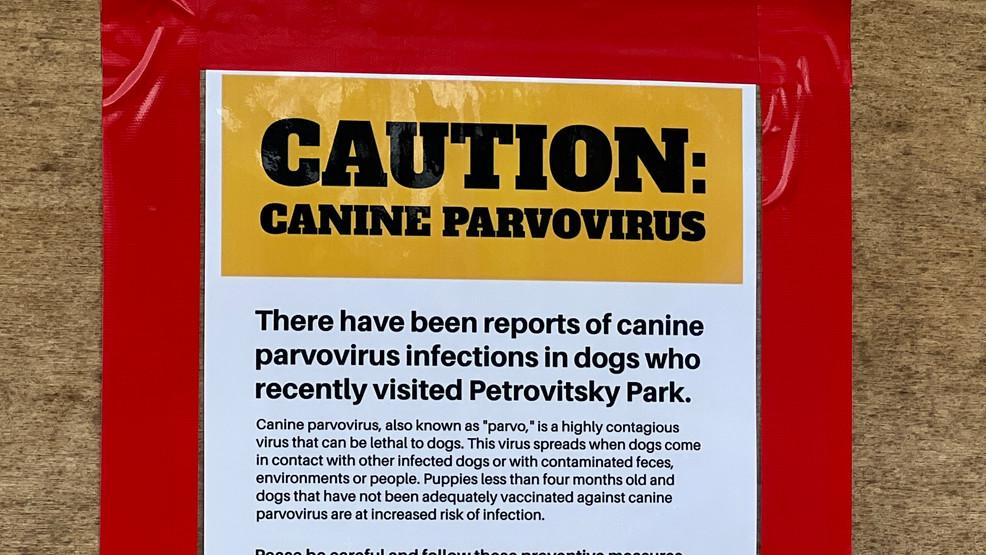
Canine Parvovirus, also known as "Parvo," has been spreading in King County's Petrovitsky Park, leading to at least three known infections in the last month. The virus is highly contagious and can be fatal to dogs if not promptly treated. Dog owners are advised to ensure their pets are vaccinated and to keep them away from infected dogs and pet waste. Treatment options include vaccines for prevention and monoclonal antibody treatment for infected dogs. It is crucial for dog owners to clean up after their pets to prevent the spread of the virus.
Renton residents are on alert as an outbreak of parvovirus, primarily affecting puppies, has been reported in the area, with three cases identified at Petrovitsky Park. Parvovirus is highly contagious and potentially deadly, spreading through direct contact with infected dogs and contaminated surfaces. Symptoms include lethargy, loss of appetite, vomiting, severe diarrhea, and fever. Pet owners are advised to stay informed, take preventive measures, and seek veterinary attention if their dogs show signs of the disease.
St. Clair County in Michigan has seen a recent increase in cases of dogs falling ill or dying from the highly contagious canine parvovirus. The virus, which is preventable through vaccinations, primarily affects puppies and unvaccinated adult dogs. It spreads through direct contact with infected dogs or their feces, and infected dogs can shed the virus before showing symptoms. Animal control urges pet owners to ensure their dogs are vaccinated and to practice proper hygiene to prevent the spread of the virus. Symptoms of parvovirus in puppies include severe gastrointestinal illness, and treatment mainly involves supportive care. Cleaning after an infection is challenging, but bleach, potassium peroxymonosulfate, and accelerated hydrogen peroxide are effective disinfectants.
An investigation is underway after seven malnourished dogs, one dead and another euthanized, were found in a Fayetteville home. The dogs were malnourished and some had a parvovirus infection. Authorities are trying to determine if criminal charges should be filed against the person responsible for the animals, and are urging anyone who took an animal from the home to have it checked by a veterinarian due to the potential spread of the deadly virus.
Elanco Animal Health has developed the first-ever targeted treatment for canine parvovirus, a highly contagious and deadly virus that affects dogs, especially puppies. The Canine Parvovirus Monoclonal Antibody treatment directly targets the virus, blocking its entry into host cells and resolving symptoms faster. In clinical trials, no dogs treated with the antibody died, and the treatment shortened the course of the disease, increasing survivability. The treatment is administered intravenously in a single dose and is expected to receive full USDA approval in 2024. Clinics using the treatment have reported increased success rates and shorter hospital stays for parvovirus patients.
Sumter County Animal Services issues a warning about parvovirus in neighboring counties, which affects dogs and cats and can be deadly without treatment. The virus is spread by direct contact with infected animals or contaminated surfaces. Signs of parvovirus include lethargy, loss of appetite, abdominal pain, fever, vomiting, and severe diarrhea. Vaccination is the best way to prevent the spread of the virus, and pet owners are urged to ensure their animals are fully vaccinated.
Long Island pet owners are being urged to vaccinate their puppies against parvovirus, which can be deadly for young dogs. The virus spreads by contact with animal feces and affects dogs’ gastrointestinal tracts and bone marrow. Fatality rates can hit 90%, and puppies and even unvaccinated adults may die within a few days of suffering from fatigue, loss of appetite, pain, fever, diarrhea, and vomiting. Vaccines are key to protect puppies from the virus, and disinfecting needs to be rigorous. Workers caring for the stricken should not tend to healthy dogs, if possible, as the virus can spread from their hands, clothing or shoes.
New York City veterinary facilities are reporting an increase in canine parvovirus (CPV) cases infecting dogs that can lead to severe acute gastrointestinal disease and pose as potentially fatal if not treated. The New York City Department of Health and Hygiene (DOHMH) released an alert last month noting Animal Care Centers had diagnosed 14 dogs as of March 14, which exceeds the normal number treated in just a single year. Upcoming pet parents should be careful when adopting from a shelter and are encouraged to vaccinate their new family addition.