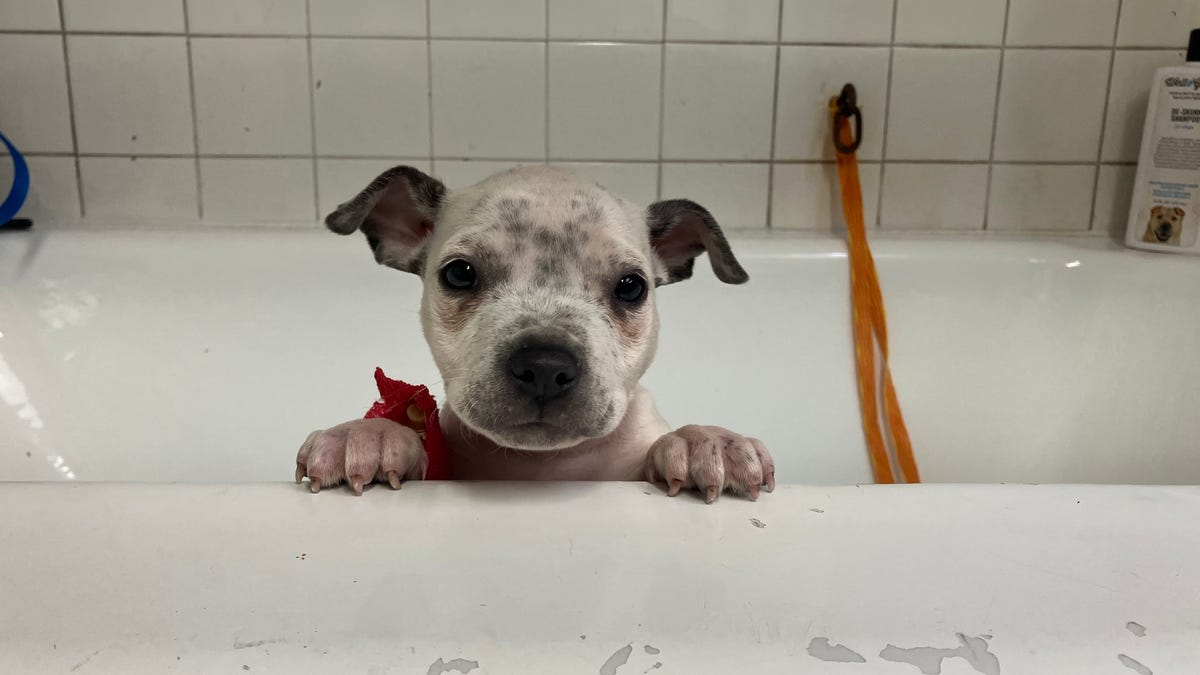
A puppy named Richard was diagnosed with parvo, a deadly canine virus, but was saved by a new treatment called Canine Parvovirus Monoclonal Antibody (CPMA) at Helen Woodward Animal Center in San Diego. The treatment, which arrived just in time, worked overnight and shortened the recovery process from up to a week to only 24 hours, offering hope for dogs with parvo. Richard, once on the brink of death, is now available for adoption, showcasing the success of this new treatment.

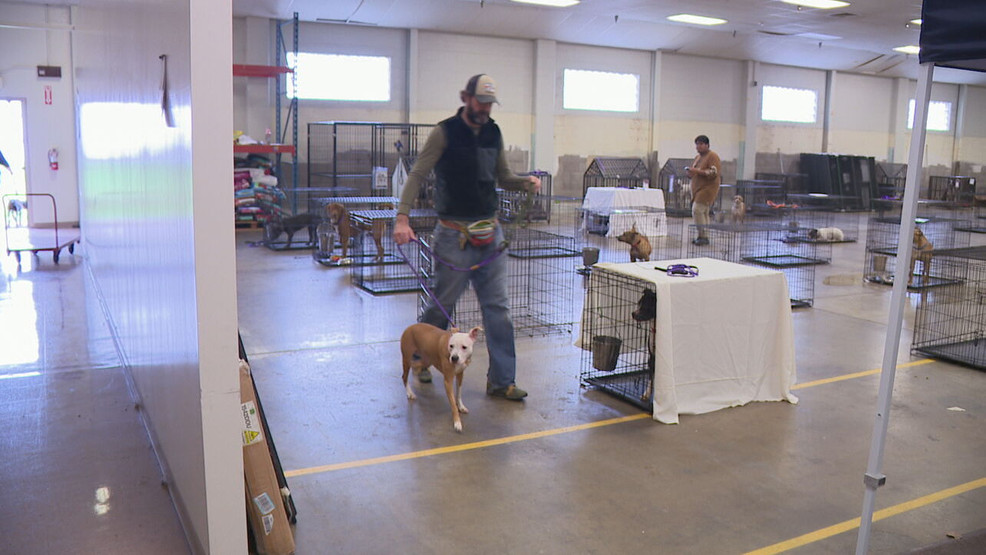
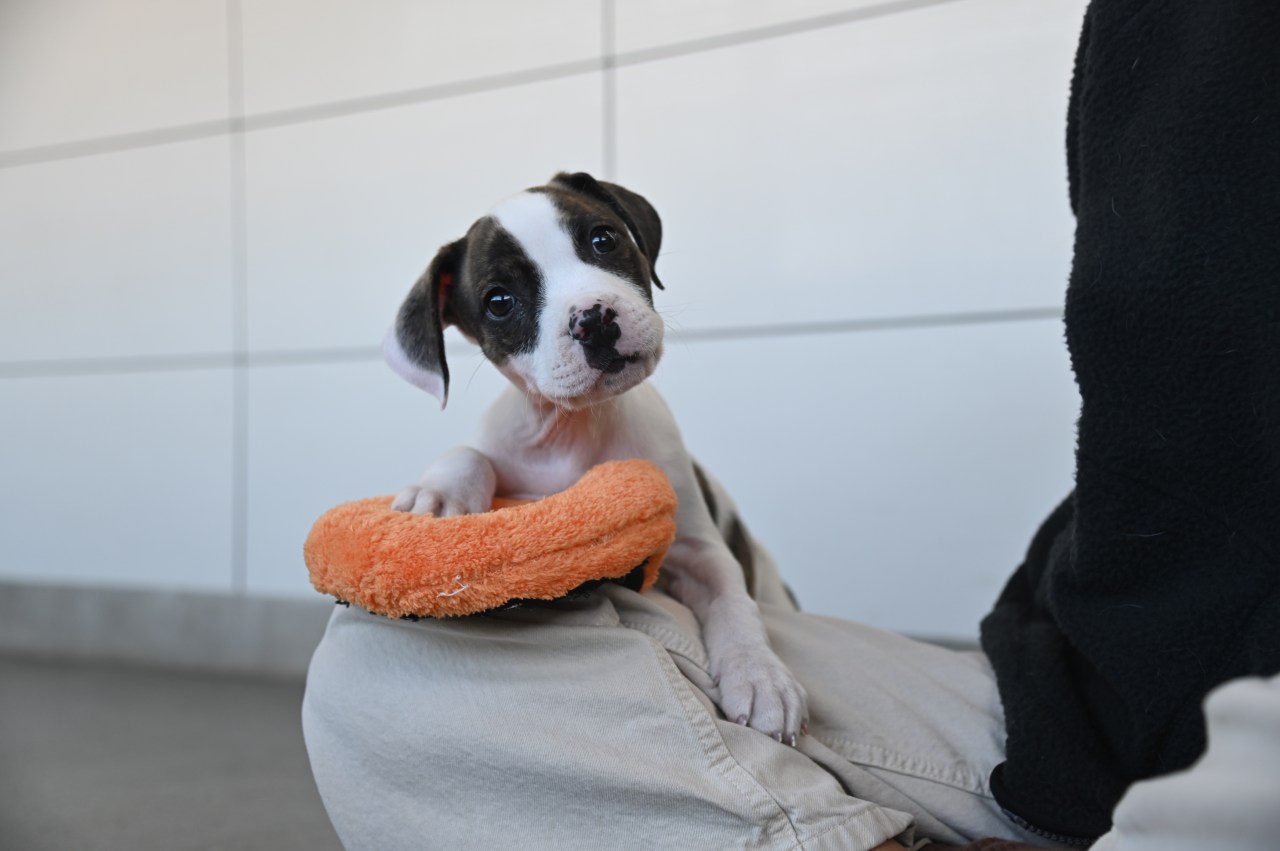
Sumter County Animal Services rescued five puppies surrendered due to canine parvovirus, with two sadly succumbing to the illness. The remaining three, Trenton, Denver, and Frankie, were successfully treated and are now looking for homes. The shelter is urging people to consider fostering or adopting dogs and cats, as there are over 100 animals in need of loving homes.
Elanco Animal Health has developed the first-ever targeted treatment for canine parvovirus, a highly contagious and deadly virus that affects dogs, especially puppies. The Canine Parvovirus Monoclonal Antibody treatment directly targets the virus, blocking its entry into host cells and resolving symptoms faster. In clinical trials, no dogs treated with the antibody died, and the treatment shortened the course of the disease, increasing survivability. The treatment is administered intravenously in a single dose and is expected to receive full USDA approval in 2024. Clinics using the treatment have reported increased success rates and shorter hospital stays for parvovirus patients.
A dog rescue in Hamilton County, Indiana is asking for help in fighting a deadly and highly contagious virus that is infecting dogs. The virus, known as canine parvovirus, attacks the digestive system and can be fatal if left untreated. The rescue is seeking donations to help cover the cost of treatment and is urging pet owners to vaccinate their dogs to prevent the spread of the virus.
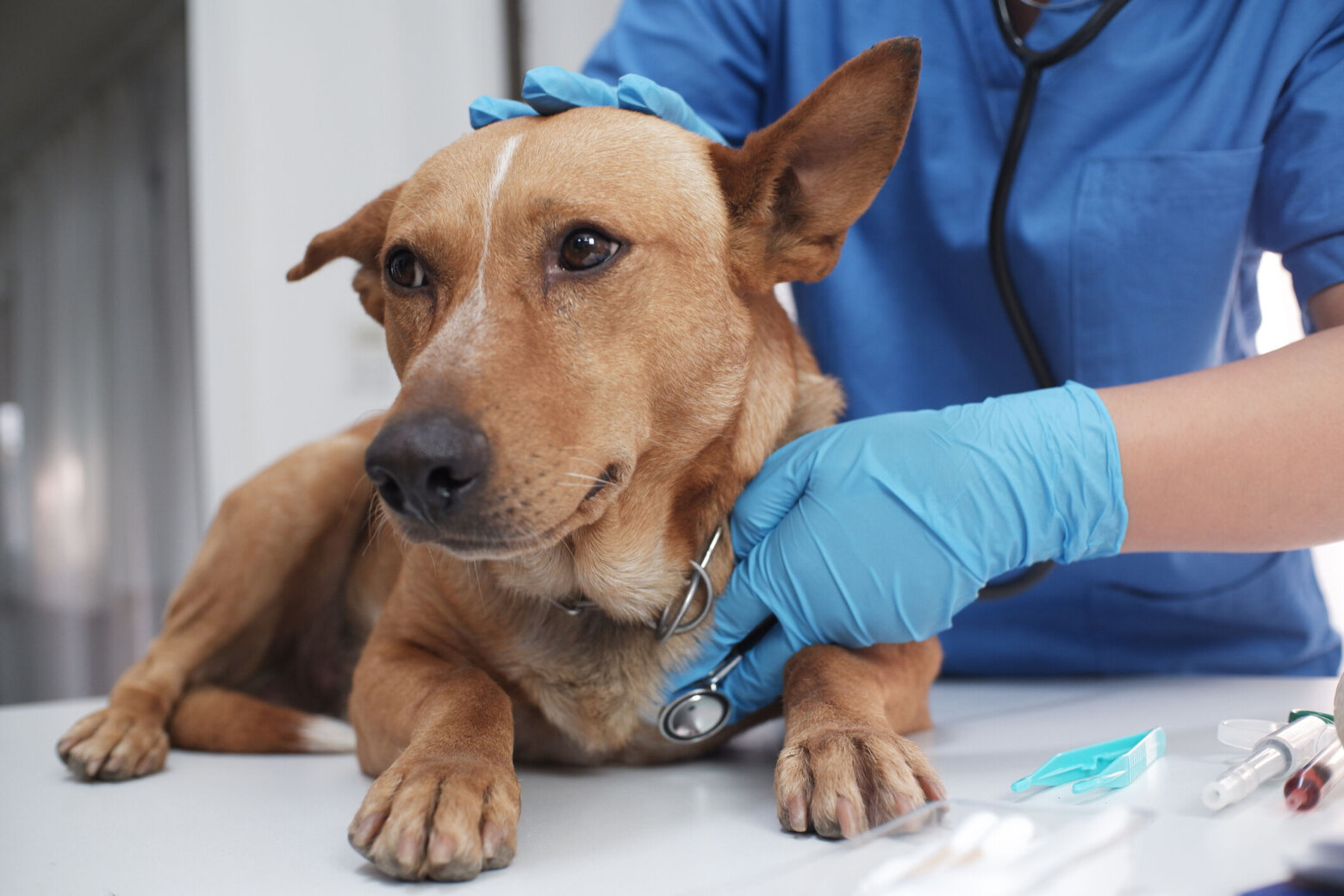
Veterinarians in New York City are reporting an increase in canine parvovirus, a highly contagious virus that can lead to severe acute gastrointestinal disease and can be potentially fatal if not treated. Symptoms include vomiting, diarrhea, loss of appetite, fatigue, fever, and abdominal pain. Treatment varies, but hospitalization, electrolyte therapy, and antibiotics may be necessary in severe cases. The virus can spread through direct contact and contaminated surfaces and is most common in young, unvaccinated dogs.
Veterinarian offices in the D.C. region are reporting an increase in the number of highly contagious canine parvovirus cases. While the illness affects all dogs, puppies under four months old are most at risk. Dogs catch the illness through contact with an infected dog or contaminated objects. Symptoms include lethargy, loss of appetite, abdominal pain, bloating, fever, low body temperature, diarrhea, bloody stool, and vomiting. Prevention is key, and one of the best ways to protect a dog is to make sure the animal’s parvo vaccination is up to date, which includes boosters every one to three years after the initial shots.