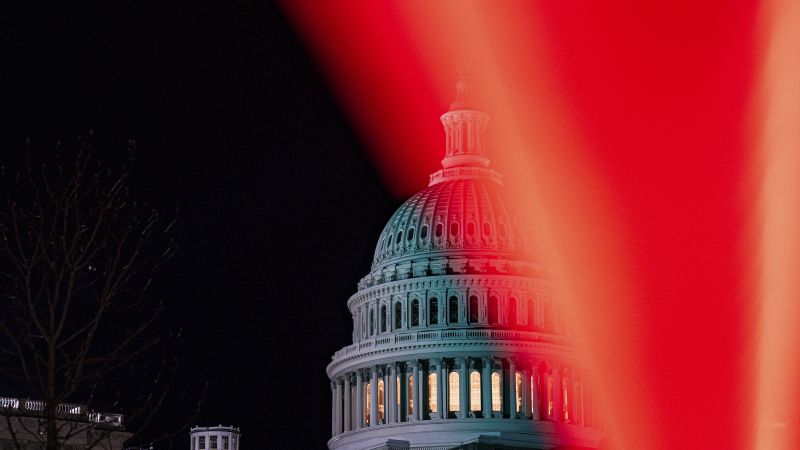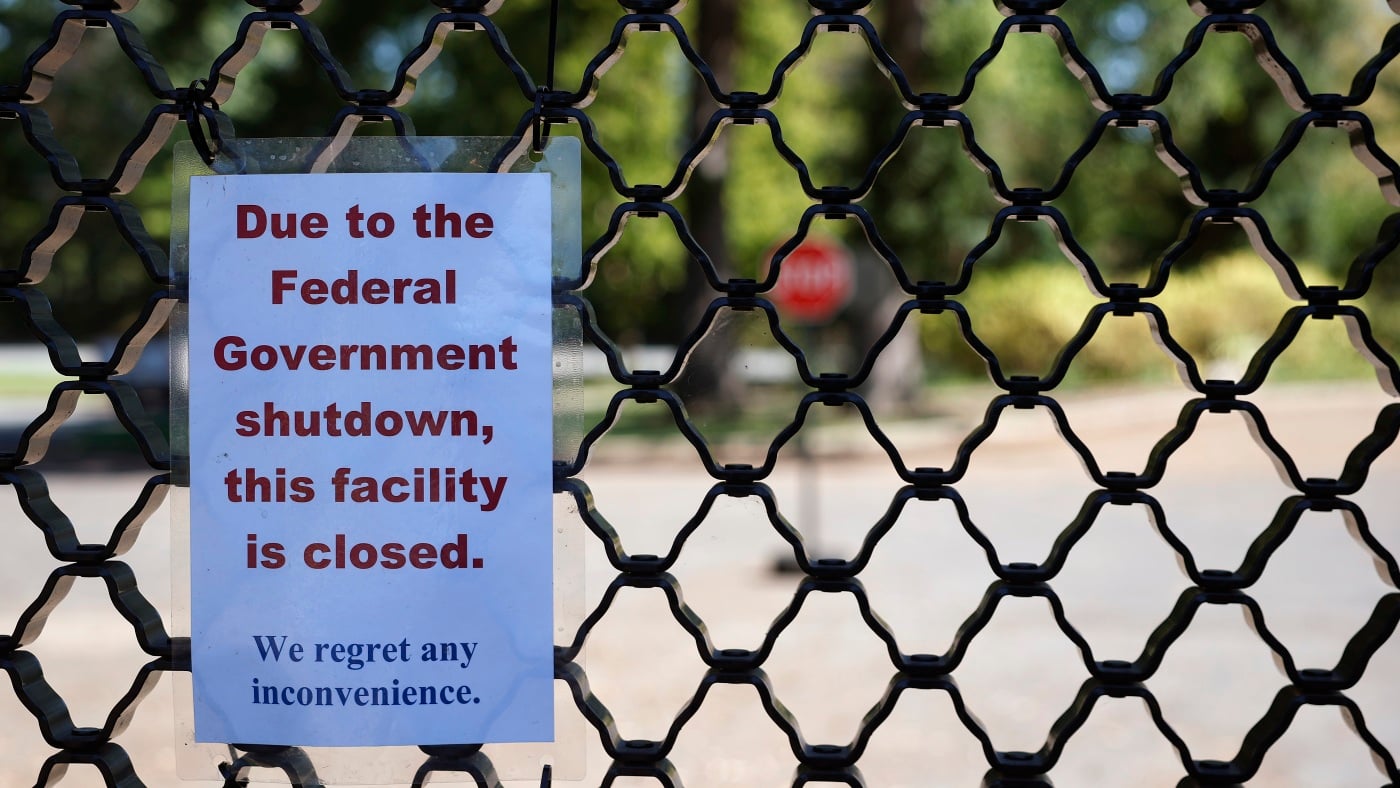
The Senate failed to pass measures to fund federal workers during the ongoing government shutdown, with disagreements between Democrats and Republicans over who should be paid and how, as the shutdown enters its 23rd day, the second-longest in U.S. history.
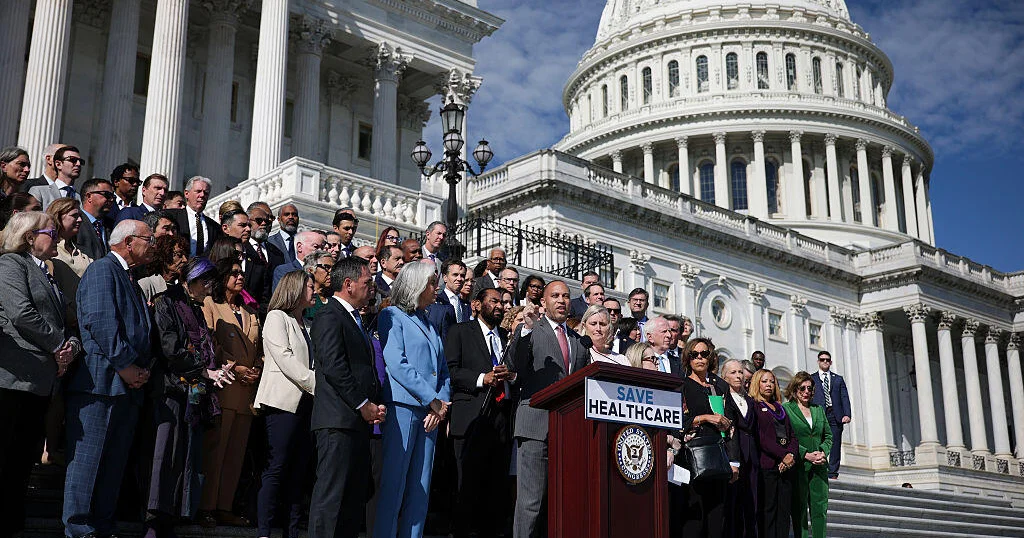
The US government shutdown enters its third week with the Senate set for its ninth vote on a House-passed bill to reopen the government, which has so far failed to secure enough support. Despite efforts to pay military personnel using alternative funds, the shutdown persists due to deep partisan disagreements over funding and health care provisions. Leaders from both parties criticize each other, with Democrats urging Republicans to return to negotiations and Republicans blaming Democrats for the deadlock.
The US government shutdown has escalated into a major political crisis, exposing deep divisions within Congress, with no clear resolution in sight, affecting military pay and increasing public frustration.
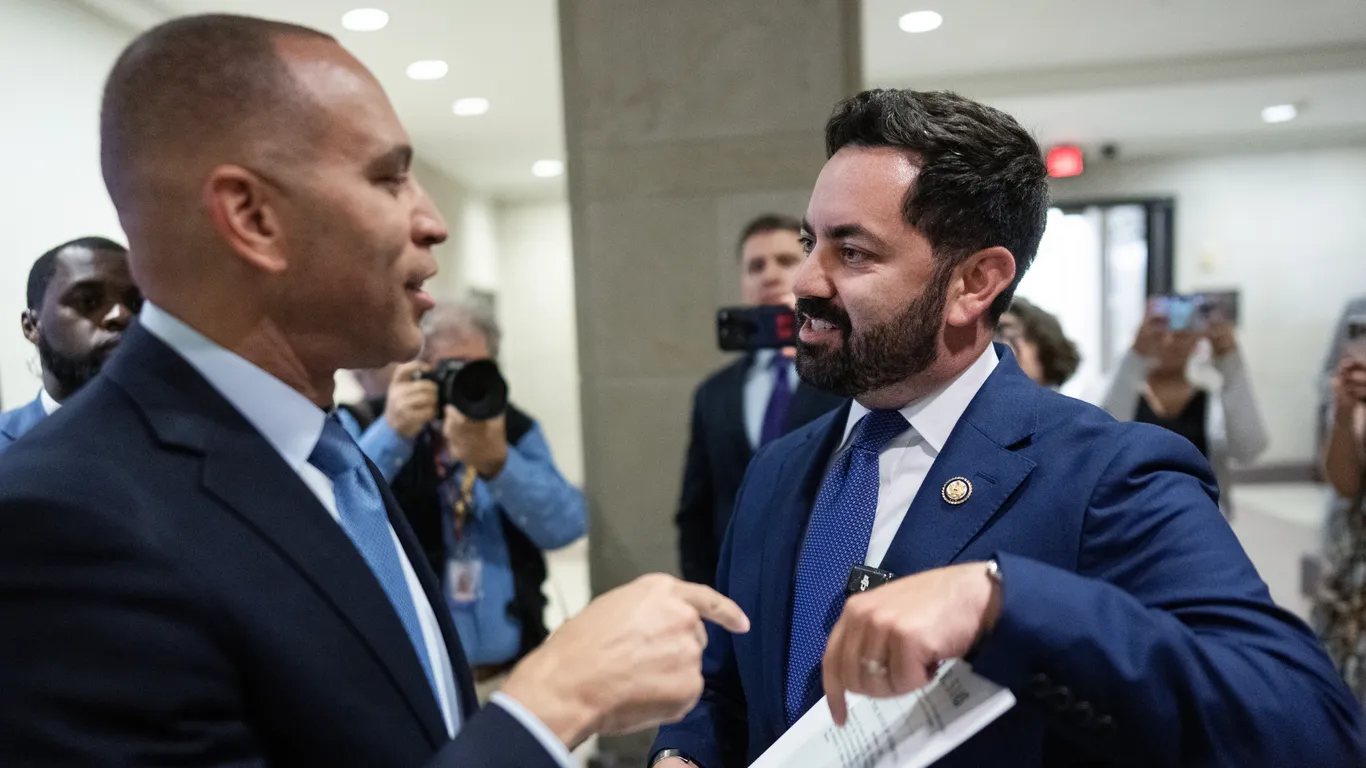
Tensions on Capitol Hill have escalated into heated confrontations among lawmakers from both parties amid the ongoing government shutdown, with disputes over procedural issues, appropriations, and internal party disagreements highlighting the deep divisions.
The shooting of conservative activist Charlie Kirk has intensified the already tense and hostile atmosphere in Congress, leading to heated exchanges, social media outbursts, and accusations among lawmakers, with both parties expressing concern over the increasing severity of their conflicts.
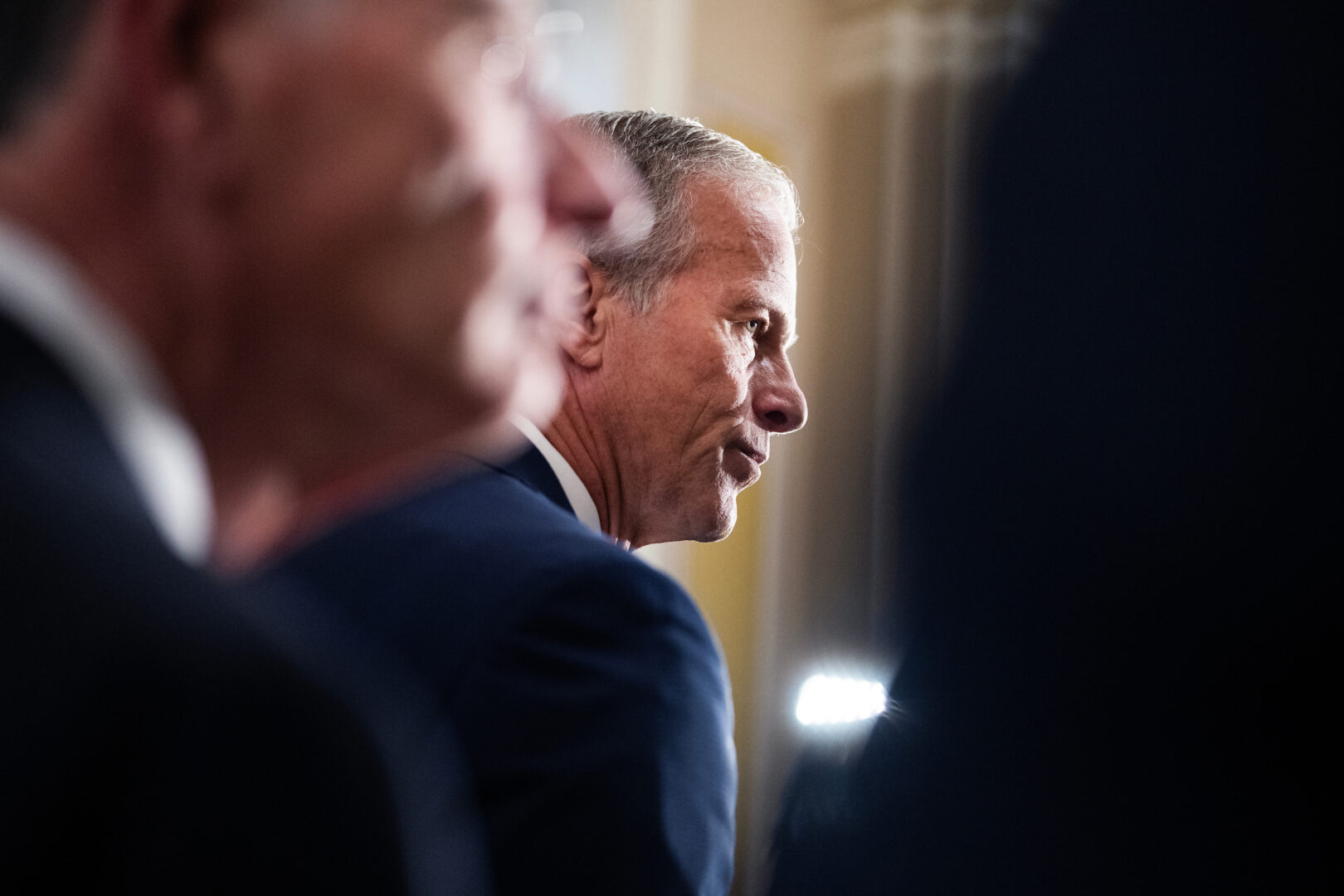
Senate Majority Leader John Thune is pushing to change Senate rules to expedite the confirmation process for lower-level Trump administration nominees, citing delays caused by Democratic procedural tactics, while Democrats warn this could lead to unchecked presidential nominations and undermine Senate traditions.
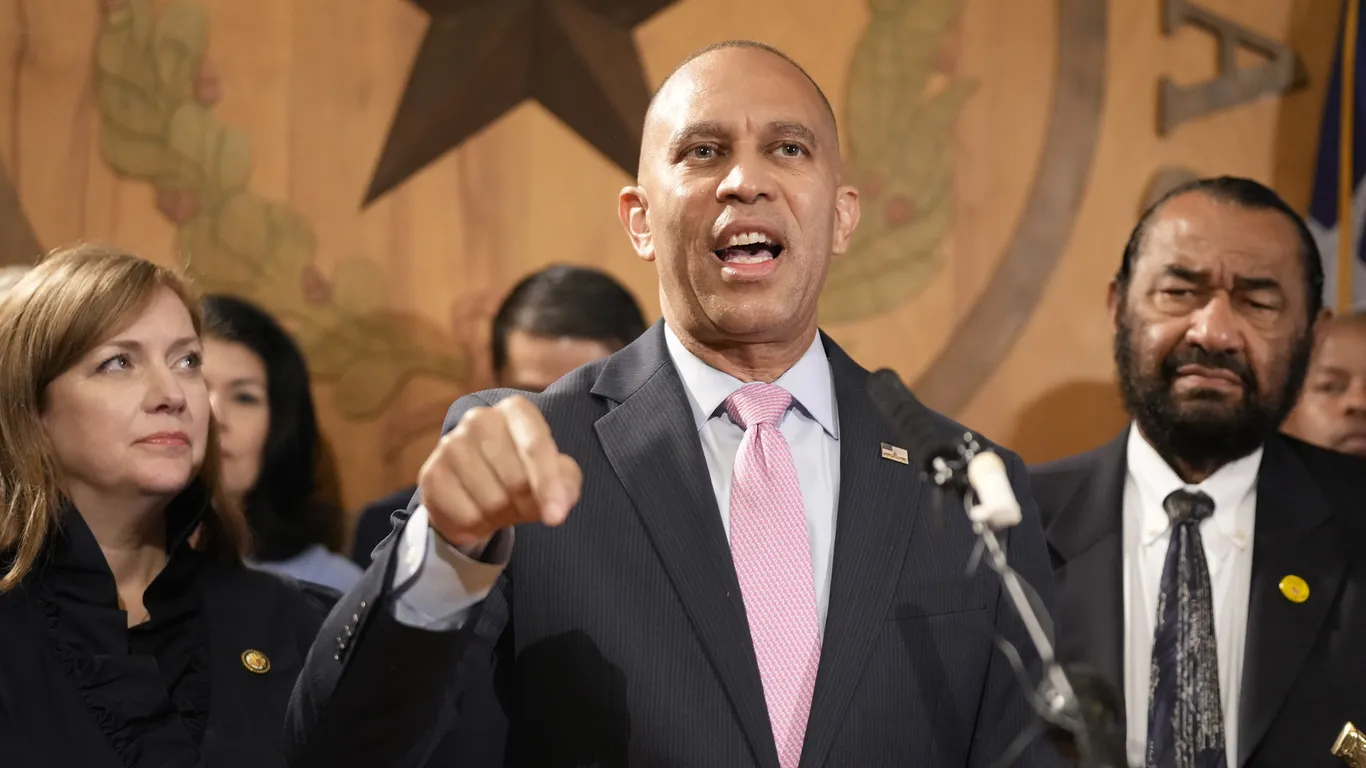
House Democrats, led by Hakeem Jeffries, are adopting aggressive redistricting strategies in response to Republican efforts to gerrymander districts in favor of the GOP, with some Democrats advocating for retaliatory gerrymandering in blue states to counteract Republican gains ahead of the 2026 elections.
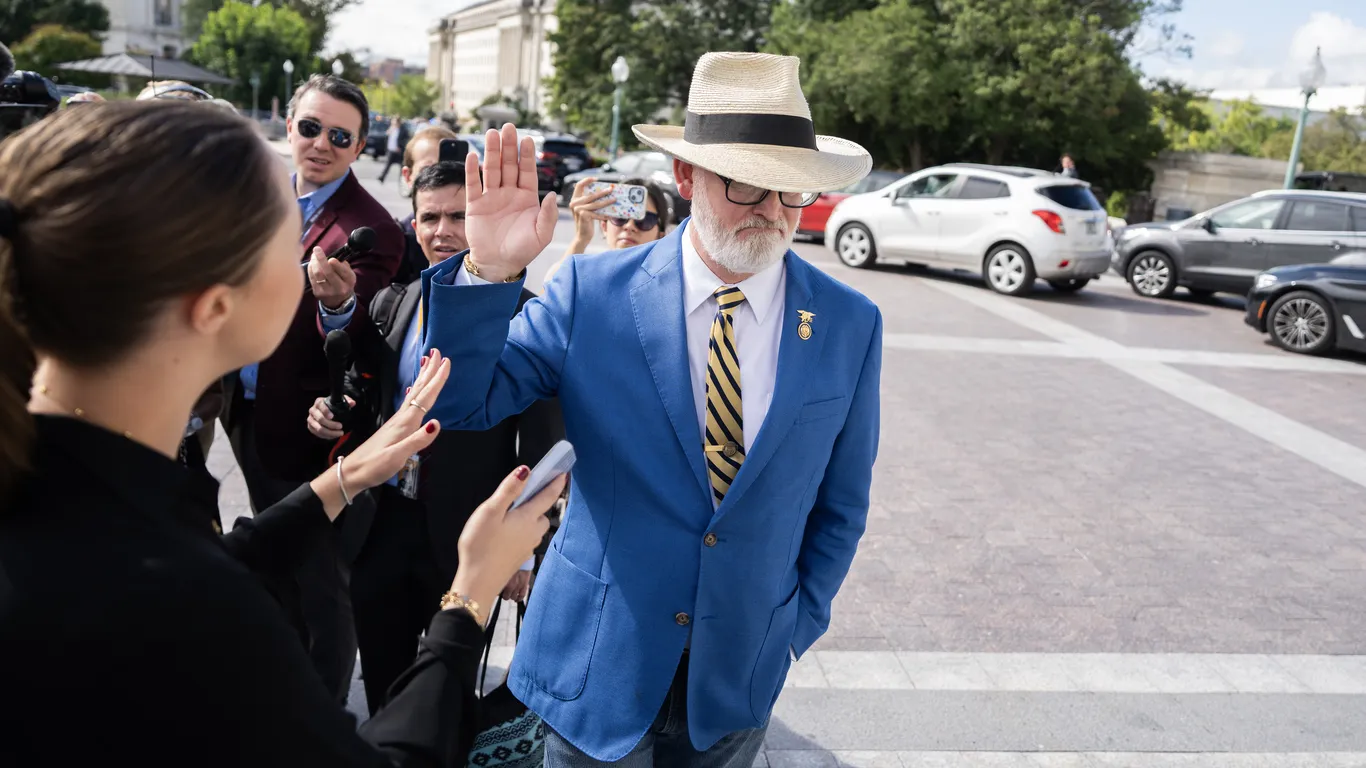
Sen. John Kennedy criticizes the Senate's bipartisan appropriations process as broken and is causing delays and disagreements over government funding, advocating for spending cuts and protesting the current system's inefficiencies, which has frustrated colleagues and challenged traditional Senate cooperation.
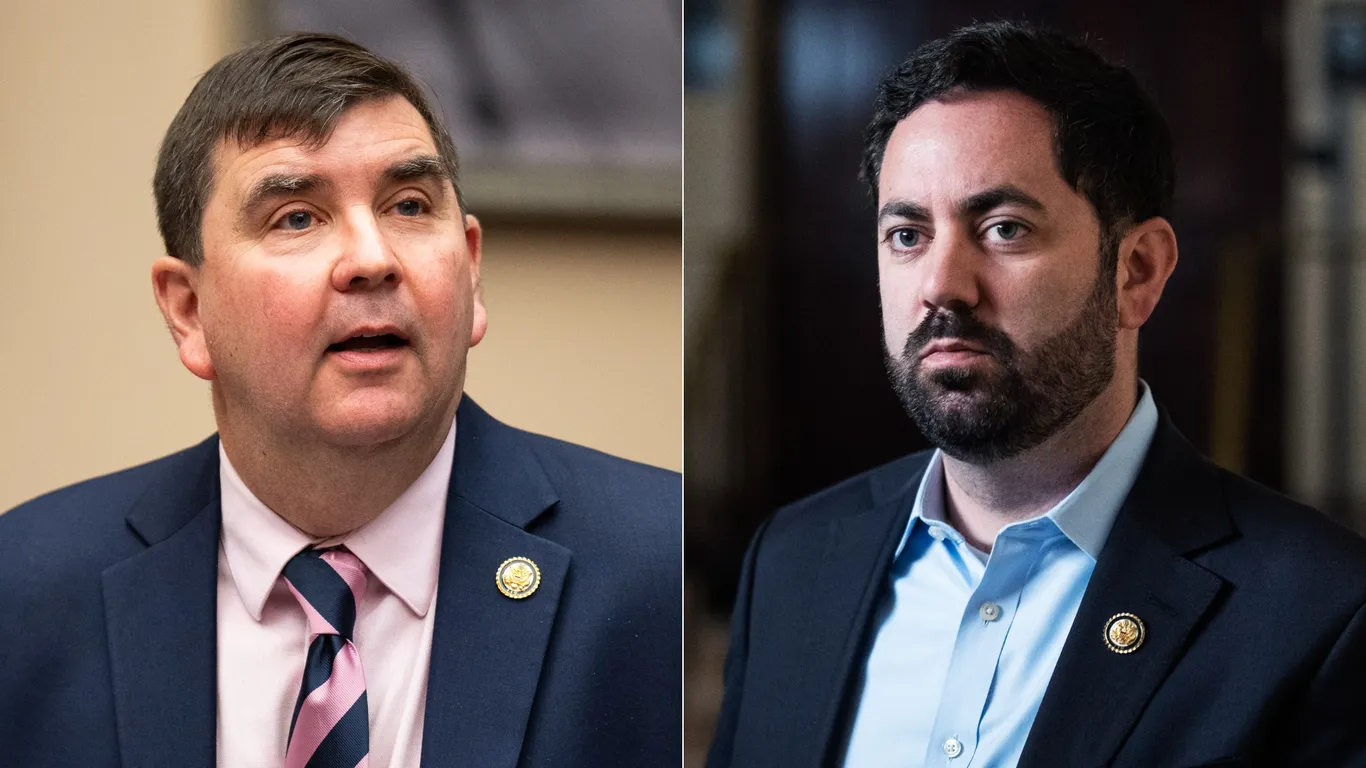
Tensions erupted on the House floor over the Padilla incident, with Rep. John Mannion confronting Rep. Mike Lawler in a heated, profane exchange amid rising partisan tensions and recent aggressive actions against Democrats, reflecting a tense and volatile political environment.