Benjamina, a 500,000-year-old Homo heidelbergensis child from Spain, provides the earliest evidence of social empathy and caregiving in human evolution, challenging previous notions about the emergence of social behaviors, and highlights the importance of humanizing ancient individuals to better understand our evolutionary history.
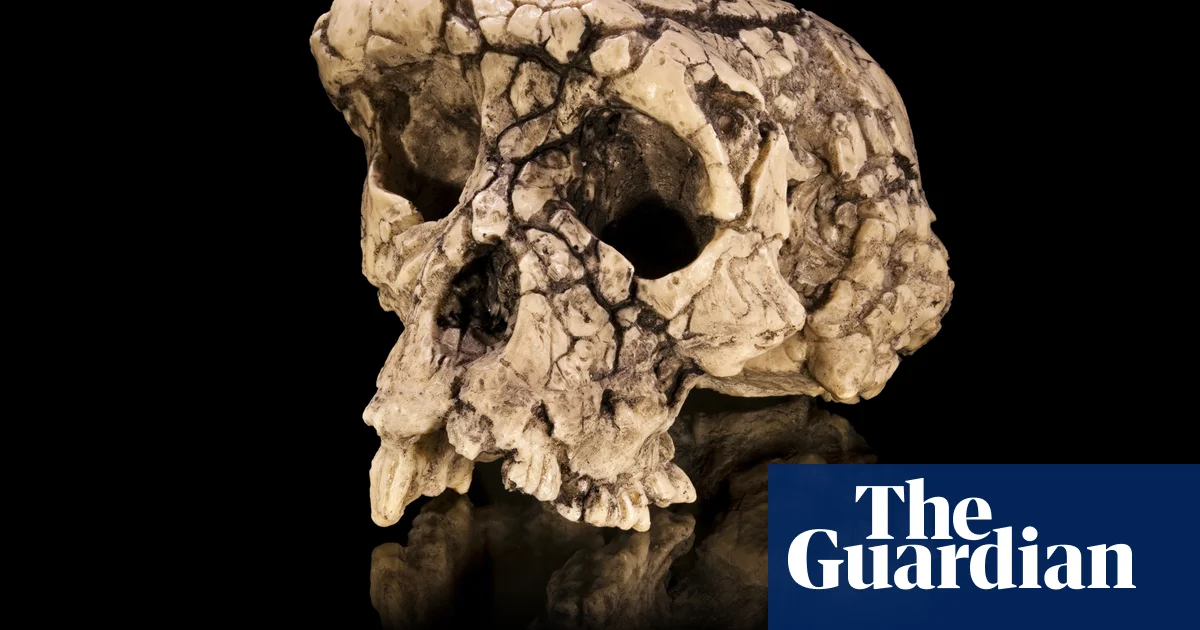
The article details the discovery and subsequent controversy surrounding Toumaï, an ancient skull found in Chad, which challenged existing ideas about human origins. It highlights the scientific disputes over the interpretation of fossils, especially a femur believed to belong to Toumaï, and the intense rivalries and ethical conflicts within the paleoanthropology community. The debate over whether Toumaï was bipedal or not exemplifies the provisional and contentious nature of reconstructing human evolutionary history.
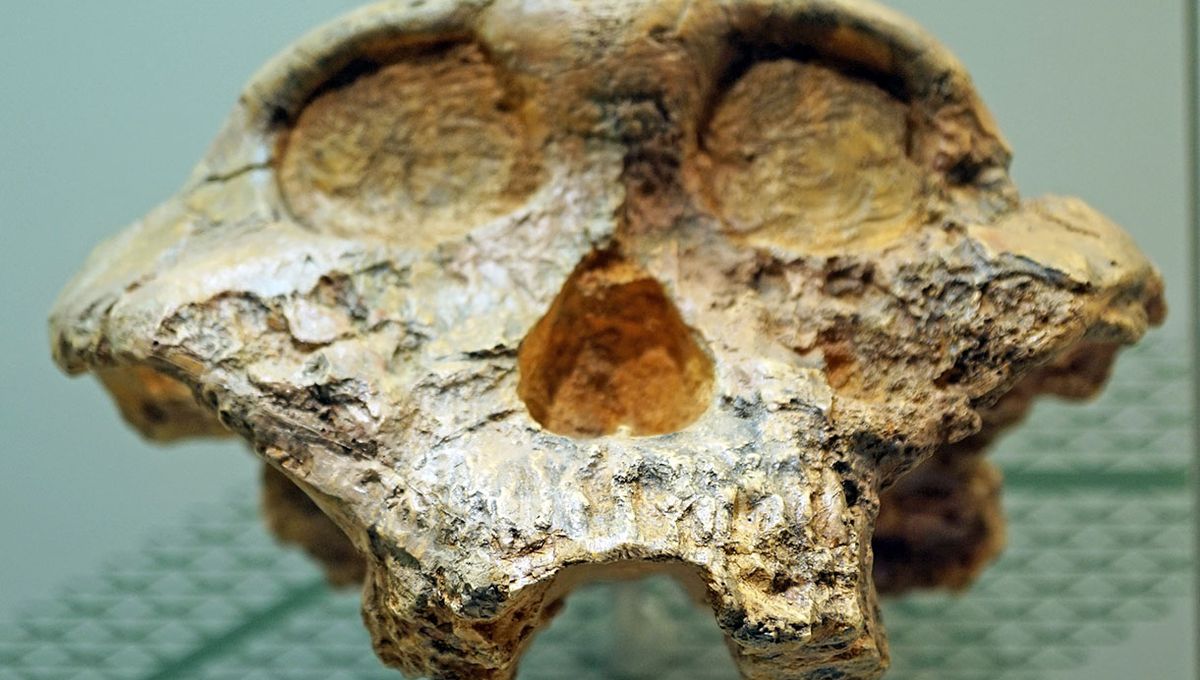
Researchers have successfully extracted genetic data from 2-million-year-old hominid fossils, specifically teeth belonging to the species Paranthropus robustus. This is the oldest genetic information ever recovered from any hominid, providing insights into the evolutionary relationships of this ancient human species. The study reveals that P. robustus is part of the human family but is a distant cousin to more closely related species that emerged in Eurasia. The researchers also identified the sex of the specimens using a protein encoded by a gene present on the Y-chromosome. While the genetic material is insufficient to fully place P. robustus in the human family tree, it represents a potentially transformative breakthrough for paleoanthropology.