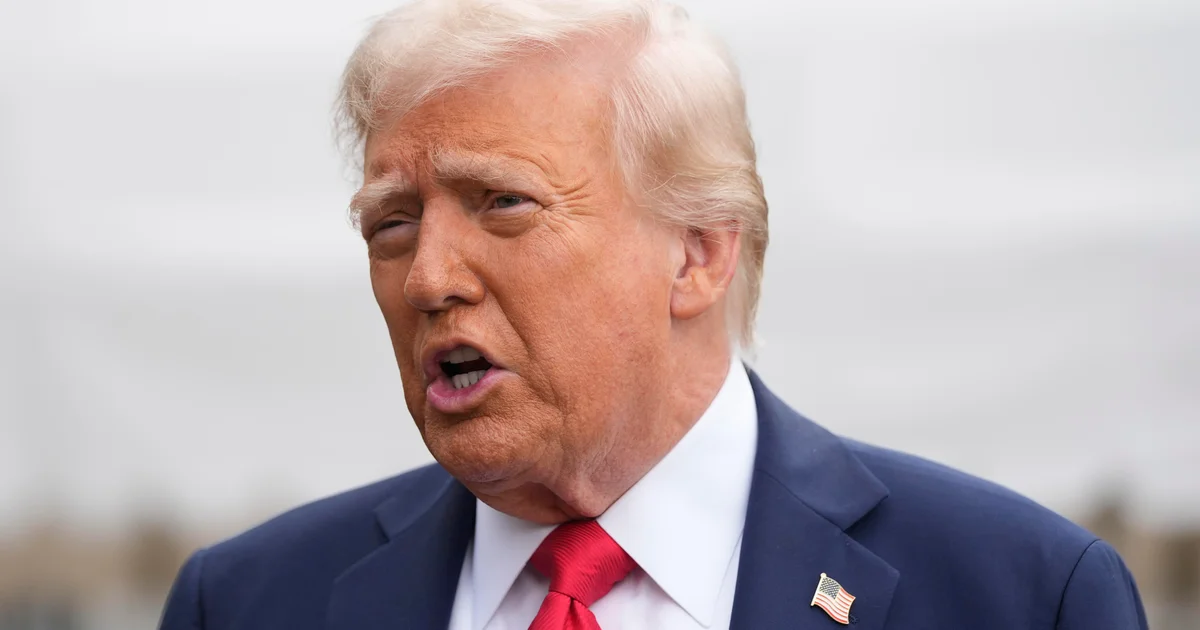
President Trump's nominee to lead the Office of Special Counsel withdrew after offensive text messages were made public, revealing controversial views and causing GOP senators to oppose his confirmation.
The Trump administration is defunding the Council of Inspectors General for Integrity and Efficiency (CIGIE), a key agency supporting federal inspectors general in combating waste, fraud, and misconduct, which has drawn bipartisan criticism and concerns over the impact on government oversight.
The Government Accountability Office will investigate the safety history of the U.S. military’s V-22 Osprey fleet following a deadly crash that killed eight special operations airmen off the coast of Japan. The probe, prompted by a request from House Armed Services Committee members, will assess trends among Osprey accidents, maintenance and supply issues, and risk management across the fleet. The Nov. 29 crash, the latest in a string of deadly Osprey incidents, has led to the indefinite grounding of the entire Osprey fleet and prompted a separate investigation by the House Committee on Oversight and Accountability.
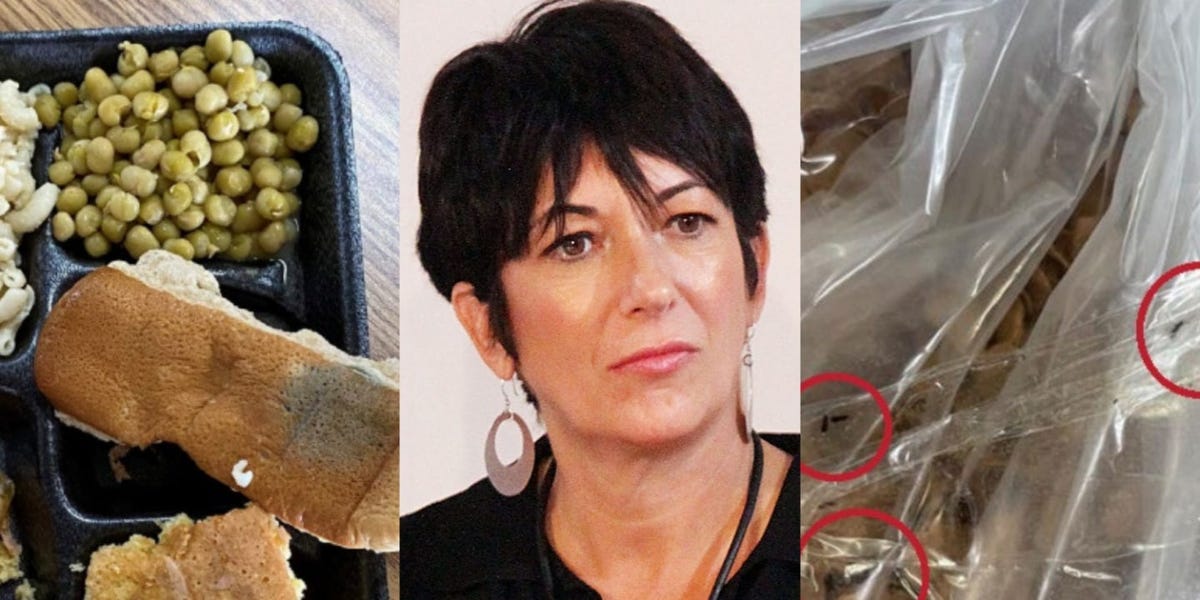
Government inspectors discovered "alarming" conditions at the Florida prison housing Ghislaine Maxwell, including moldy bread, rotting food, rodents, and leaks. The Justice Department's Office of the Inspector General found several serious operational deficiencies at FCI Tallahassee, where Maxwell is serving a 20-year sentence for sex trafficking. Inmates were served moldy bread, and rotting vegetables were found in the food preparation area. The prison's food storage warehouses had infestations of insects, evidence of rodent droppings, and chewed-through food containers. Additionally, female inmates experienced frequent water leaks in their housing units, which were patched up with feminine hygiene products. The Federal Bureau of Prisons has stated that they will evaluate and implement necessary corrective actions.
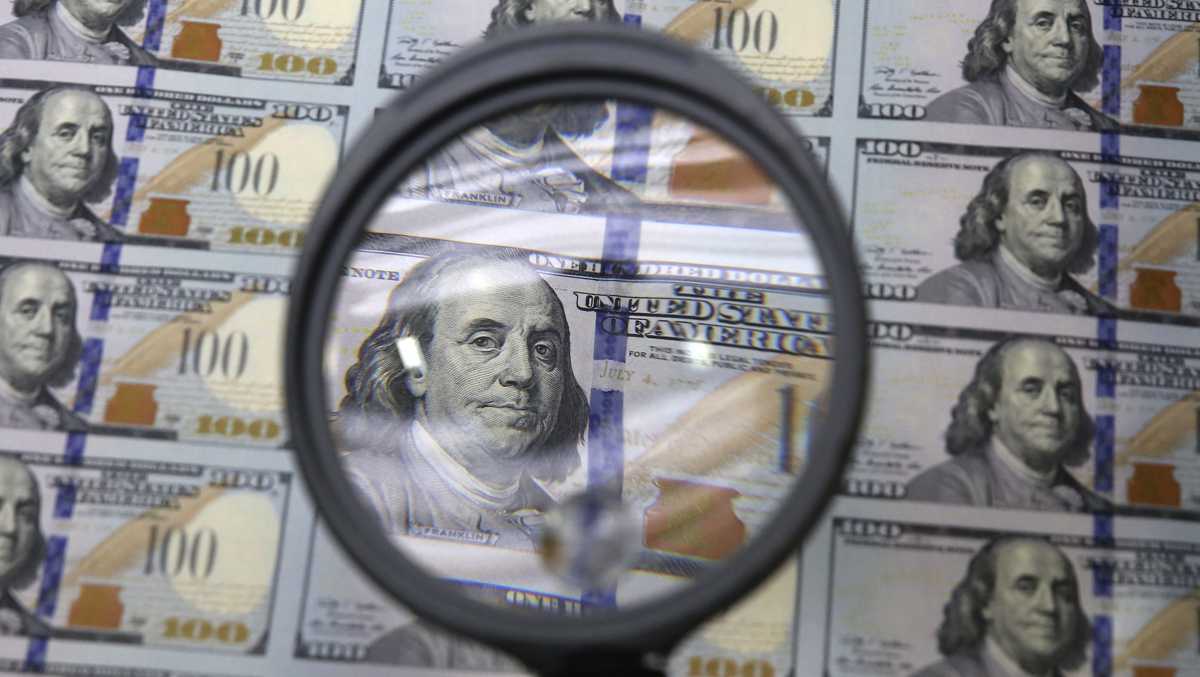
A federal watchdog investigating federally funded programs that helped small businesses survive the COVID-19 pandemic estimates that more than $200 billion may have been stolen from two large COVID-19 relief initiatives. The fraud estimate for the COVID-19 Economic Injury Disaster Loan program is more than $136 billion, which represents 33 percent of the total money spent on that program, according to the report. The Paycheck Protection fraud estimate is $64 billion, the inspector general said. The Biden administration has put in place stricter rules to stem pandemic fraud, including the use of the "Do Not Pay" database.
A federal watchdog investigating COVID-19 relief initiatives has estimated that over $200 billion may have been stolen from the Paycheck Protection Program (PPP) and COVID-19 Economic Injury Disaster Loan (EIDL) program. The U.S. Small Business Administration inspector general's report indicates that at least 17% of funds disbursed through these programs went to potentially fraudulent actors. The fraud estimate for the COVID-19 EIDL program is over $136 billion, representing 33% of the total money spent, while the PPP fraud estimate is $64 billion. The Biden administration has implemented stricter rules to combat pandemic fraud and proposed a $1.6 billion plan to enhance law enforcement efforts in this regard.
A federal watchdog investigating COVID-19 relief initiatives has estimated that over $200 billion may have been stolen from the Paycheck Protection Program (PPP) and COVID-19 Economic Injury Disaster Loan (EIDL) program. The U.S. Small Business Administration inspector general's report indicates that at least 17% of funds disbursed through these programs went to potentially fraudulent actors. The fraud estimate for the COVID-19 EIDL program is over $136 billion, representing 33% of the total money spent, while the Paycheck Protection fraud estimate is $64 billion. The Biden administration has implemented stricter rules to combat pandemic fraud and proposed a $1.6 billion plan to enhance law enforcement efforts in this regard.
A federal watchdog investigating COVID-19 relief initiatives has estimated that over $200 billion may have been stolen from the Paycheck Protection Program (PPP) and COVID-19 Economic Injury Disaster Loan (EIDL) program. The U.S. Small Business Administration inspector general's report indicates that at least 17% of funds disbursed through these programs went to potentially fraudulent actors. The fraud estimate for the COVID-19 EIDL program is over $136 billion, representing 33% of the total money spent, while the Paycheck Protection fraud estimate is $64 billion. The Biden administration has implemented stricter rules to combat pandemic fraud and proposed a $1.6 billion plan to enhance law enforcement efforts in this regard.
A federal watchdog investigating COVID-19 relief initiatives has estimated that over $200 billion may have been stolen from the Paycheck Protection Program (PPP) and COVID-19 Economic Injury Disaster Loan (EIDL) programs. The report highlights the vulnerability of these programs to fraudsters, with at least 17% of funds disbursed to potentially fraudulent actors. The fraud estimate for the EIDL program is over $136 billion, representing 33% of total spending, while the PPP fraud estimate is $64 billion. The Biden administration has implemented stricter rules to combat fraud, but the scale of potential losses is concerning, with consequences including inflated house prices and increased consumer spending in areas with high amounts of fraudulent funds.