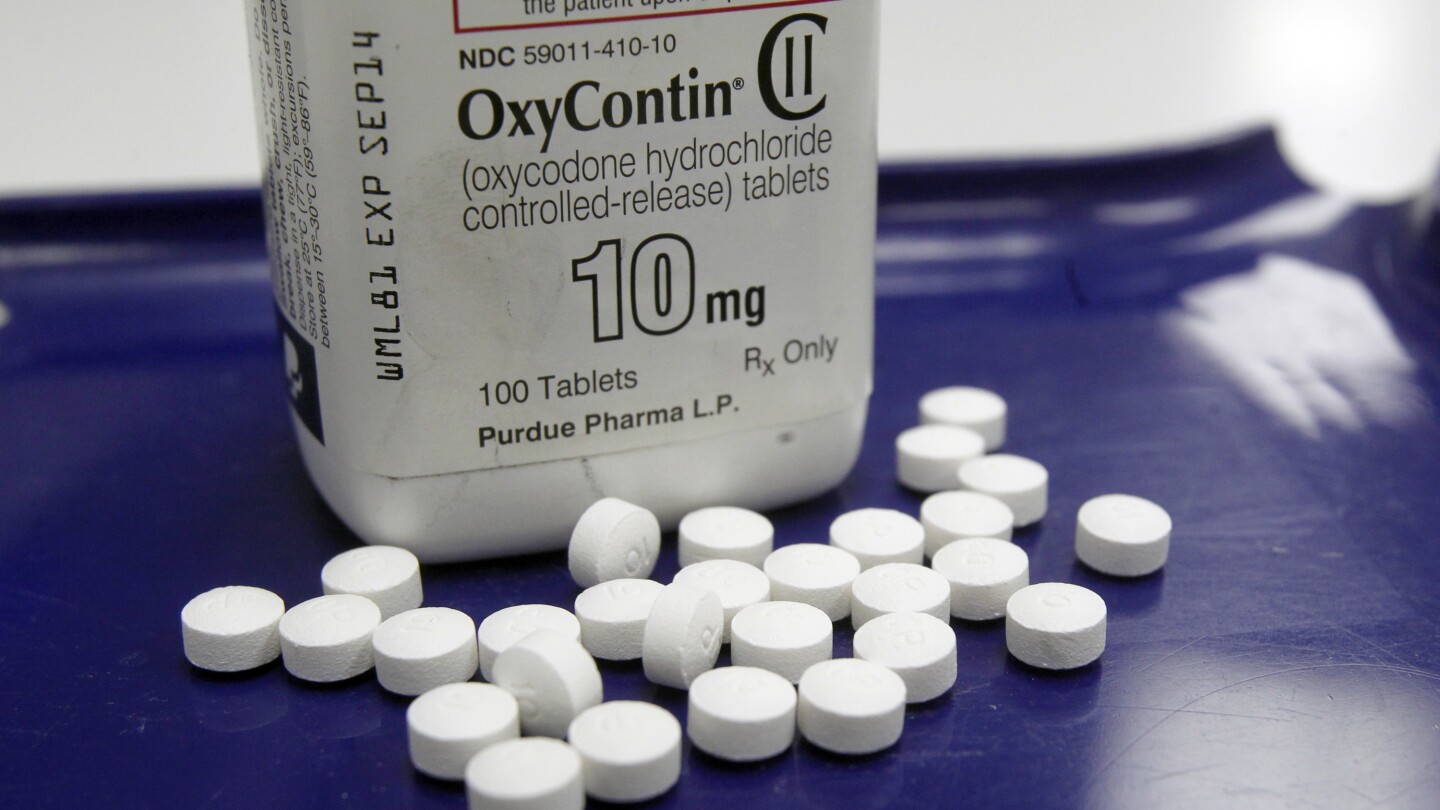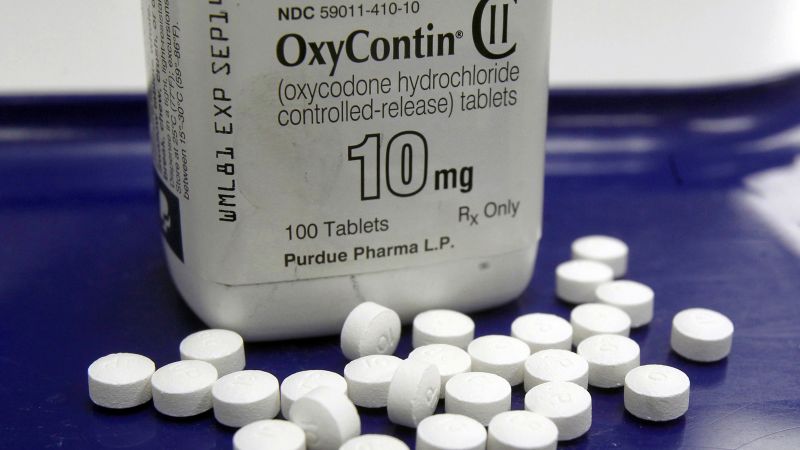
McKinsey & Company has agreed to pay $650 million to settle criminal charges related to its role in promoting OxyContin sales for Purdue Pharma, contributing to the opioid epidemic. The firm will cease any work related to controlled substances and will not contest the charges, which include conspiracy to defraud the U.S. and document destruction. This settlement follows a previous $573 million agreement with state attorneys general over similar allegations.
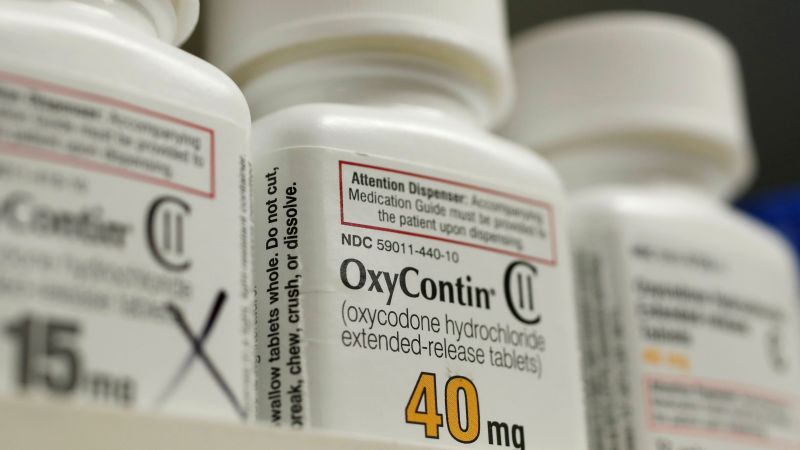
Publicis, a French marketing company, has agreed to pay $350 million in the first-ever opioid marketing settlement, accused of falsely marketing opioids as safe while working on Purdue Pharma’s OxyContin account. The settlement, led by New York and Colorado Attorney Generals, prohibits Publicis from taking on any more opioid clients. Publicis collaborated with consultancy McKinsey to develop Purdue’s "Evolve to Excellence" campaign, which falsely advertised OxyContin to doctors, contributing to the opioid crisis. The company denied wrongdoing but hopes the payment will help combat opioid addiction, while also reaffirming its decision to turn down any future opioid-related projects.
Publicis Health and Hikma Pharmaceuticals have reached separate settlements totaling $500 million to avoid trial over their involvement in the opioid crisis. Publicis, the first advertising company to settle over opioids, agreed to pay $350 million and release internal documents detailing its work for Purdue Pharma. Hikma agreed to pay $115 million in cash and provide $35 million worth of an overdose reversal drug to governments. The opioid crisis has led to settlements totaling over $50 billion, with one of the largest involving Purdue Pharma and the Sackler family.
Publicis Health, a subsidiary of the French media conglomerate Publicis Group, has agreed to pay $350 million in a settlement with state attorneys general for its role in promoting OxyContin and aiding in the spread of opioids. The company worked with Purdue Pharma from 2010 to 2019 to develop marketing campaigns and materials, including brochures promoting opioids. This marks the first ever settlement targeting a marketing firm involved in the opioid crisis, as state prosecutors accuse the advertising company of falsely promoting OxyContin as safe and contributing to the epidemic.
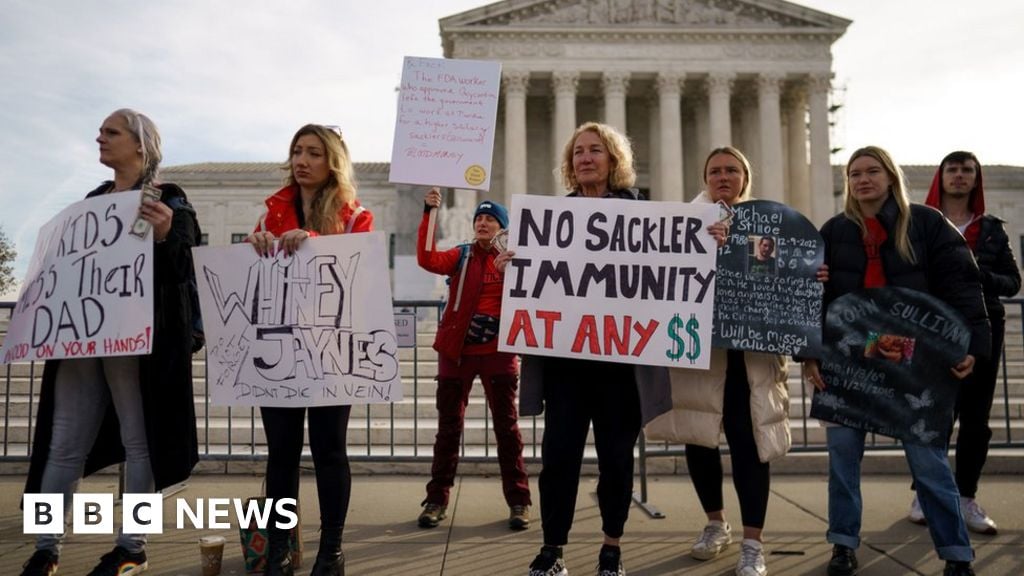
The US Supreme Court is considering a bankruptcy deal for Purdue Pharma, the maker of OxyContin, which may shield the Sackler family from future lawsuits related to the opioid crisis. The deal, which granted the family immunity in civil cases, has faced criticism from US officials who argue it conflicts with bankruptcy law. While some families impacted by the drug support the deal, others want the Supreme Court to overturn it and hold the Sacklers accountable. The court's ruling will have significant implications for bankruptcy law and the ability of third parties to receive immunity in such cases.
The Supreme Court is hearing arguments over a nationwide settlement with OxyContin maker Purdue Pharma that would shield the Sackler family, who own the company, from civil lawsuits related to the toll of opioids. The agreement, which would provide billions of dollars to combat the opioid epidemic, has been put on hold due to objections from the Biden administration. The issue at hand is whether bankruptcy protection can be extended to individuals like the Sacklers who have not declared bankruptcy themselves. Lower courts have issued conflicting decisions on this matter, which has implications for other major product liability lawsuits settled through bankruptcy. The decision is expected by early summer.
Curtis Wright, the former high-ranking official in the Federal Drug Administration (FDA) who played a key role in lifting the federal ban on OxyContin, is now living in retirement in New Hampshire, one of the states hardest hit by the opioid crisis. Wright's involvement in the drug scandal is highlighted in the Netflix series Painkiller, where he is portrayed as one of the villains who allowed the epidemic to happen by bending to the wishes of Purdue Pharma. Despite the attention brought by the show, Wright refuses to comment on his role. He currently resides in a modest home in Littleton, New Hampshire, and leads a quiet life away from the public eye.
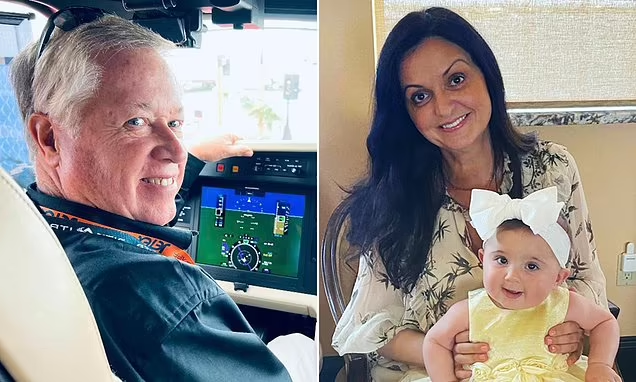
Former business partners of the pilot who crashed a Cessna Citation in Virginia, killing four people, have alleged that he frequently neglected repairs and took Oxycontin while flying. The pilot, Jeff Hefner, was also accused of behaving threateningly, including pointing a gun at one of his partners. Hefner's lawyers denied the allegations, which they said were only emerging after his death. The cause of the crash is still unknown, but the plane had entered restricted airspace over Washington, DC, before two fighter jets were scrambled to investigate.
The Sackler family, founders of OxyContin, will be protected from current and future lawsuits over their role in Purdue Pharma's opioid business in exchange for a $6 billion settlement, according to a New York court of appeals ruling.
The Sackler family, owners of Purdue Pharma, have been granted immunity from lawsuits seeking damages from the firm and its owners over the opioid crisis in exchange for paying $6 billion toward the company's broader bankruptcy settlement. Thousands of lawsuits from states, local governments, and individuals have been filed against Purdue and its owners for OxyContin's contribution to the nation's opioid crisis. The Sackler contribution accounts for most of the cash payment in a broader bankruptcy settlement that Purdue values at more than $10 billion.