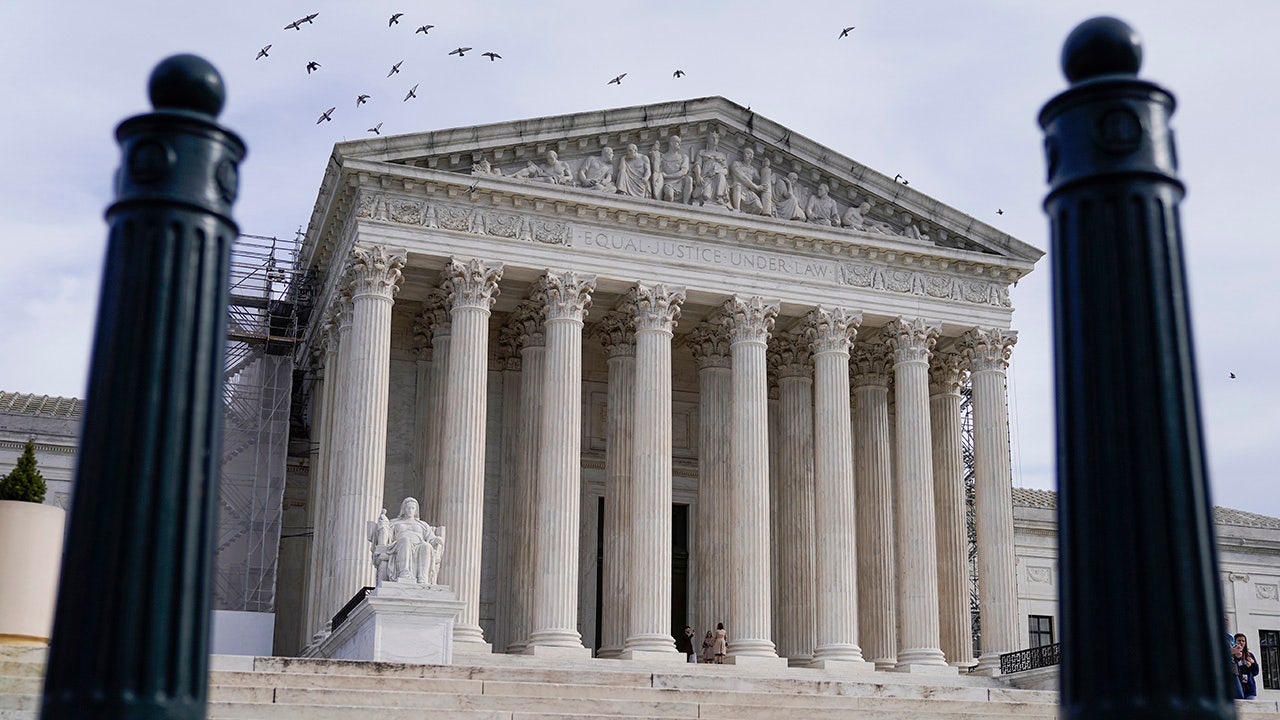
The Supreme Court has allowed the $2.5 billion bankruptcy settlement by the Boy Scouts to proceed, rejecting a move by 144 plaintiffs to block the settlement. The settlement will continue to be litigated among the parties, with the plan aiming to compensate sexual abuse claimants while allowing the organization to continue operating. The settlement, approved in 2022, would pay between $3,500 and $2.7 million to abuse victims, with over 86% of the 82,000 victims voting in favor of the plan.
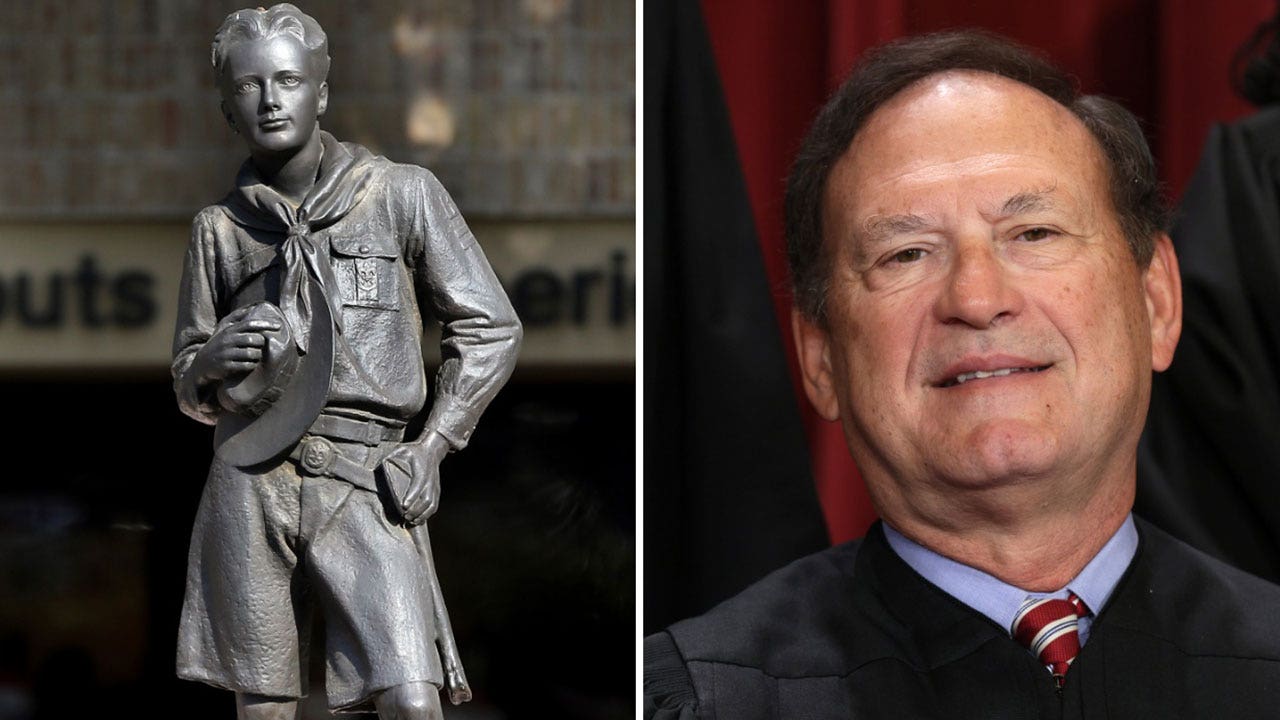
The Supreme Court declined to halt a $2.46 billion bankruptcy settlement for the Boy Scouts of America, rejecting an emergency request from childhood sex-abuse victims who argued that the agreement unlawfully bars them from suing groups that ran local scouting programs. The victims sought to halt the settlement while the court considers a similar dispute involving Purdue Pharma. The settlement prohibits victims from suing third parties for damages, and the court's decision has implications for other major bankruptcy deals.
Supreme Court Justice Samuel Alito has temporarily halted the Boy Scouts of America's $2.46 billion settlement following sexual abuse claims, giving the court more time to consider a request by 144 abuse claimants seeking to block the settlement. The claimants argue that the settlement prevents them from pursuing lawsuits against non-bankrupt organizations that are also responsible for the abuse. The stay suspends all work on the settlement, including evaluating claims and mailing checks to abuse survivors, and the Court's decision will have significant implications for both the Boy Scouts organization and the abuse survivors.
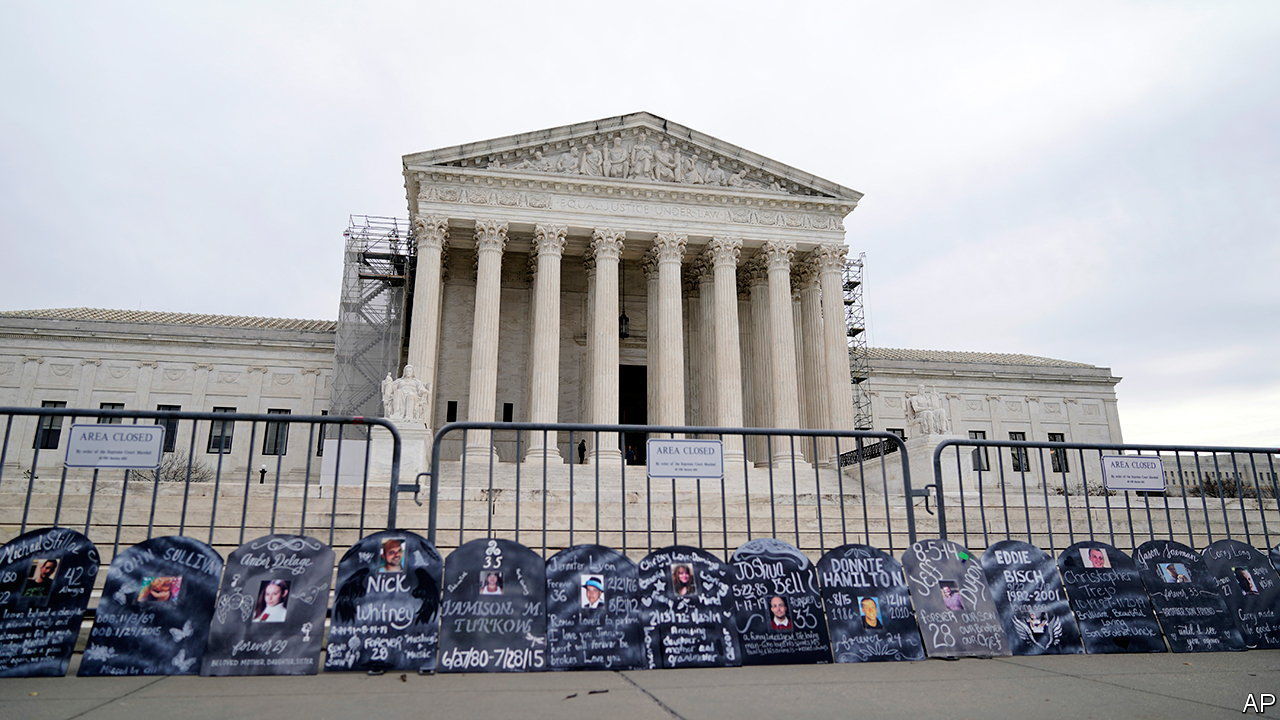
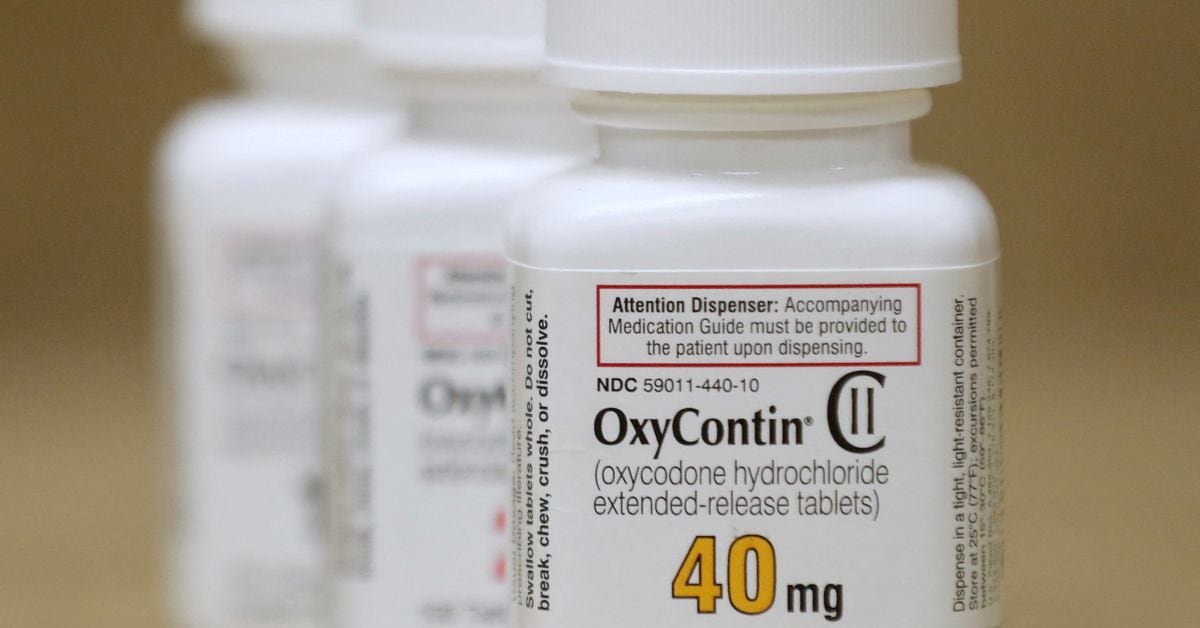
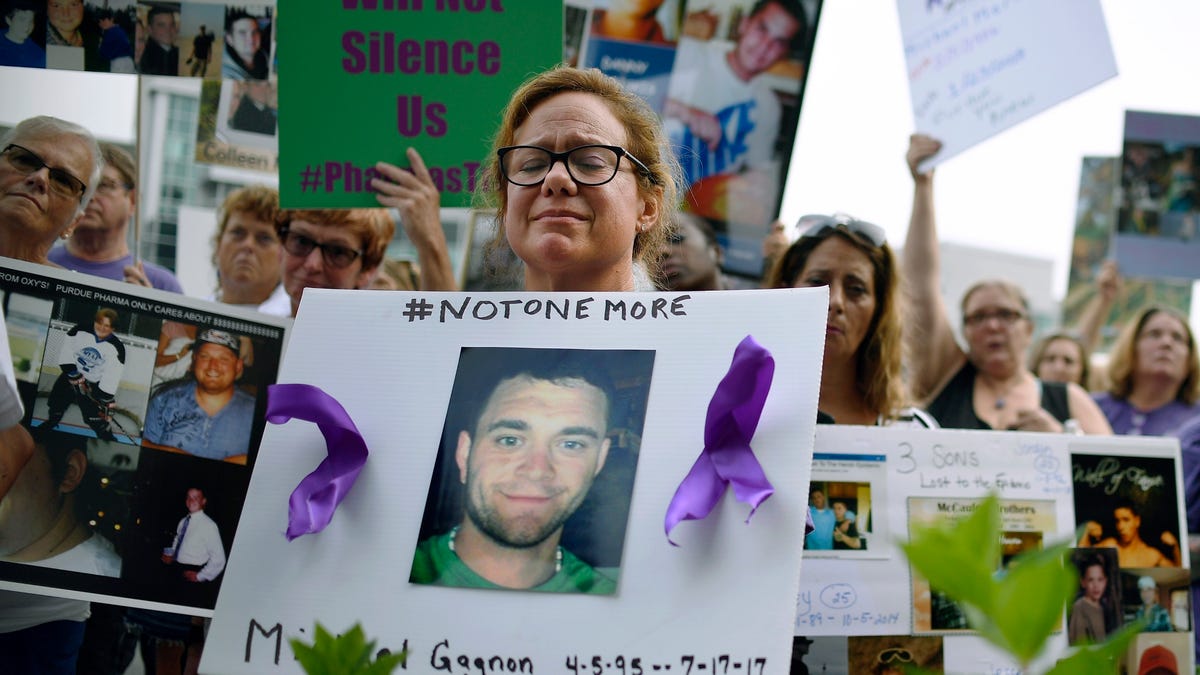
The Supreme Court is deliberating over the $6 billion bankruptcy settlement proposed by Purdue Pharma, the company responsible for the opioid crisis in the United States. The justices are focused on determining what is fair for the victims of the epidemic and have little sympathy for the Sackler family, who profited from the sale of the highly addictive painkiller OxyContin. The settlement would require the Sacklers to contribute 97% of their profits to an estate for distribution among states, victims, and others in exchange for immunity from further civil lawsuits. While the majority of plaintiffs voted in favor of the settlement, thousands rejected it, raising constitutional questions about extinguishing the personal property rights of dissenters. The Supreme Court must decide whether the bankruptcy agreement should stand or be scuttled, potentially leaving victims without compensation.
The US Supreme Court is divided over whether to approve Purdue Pharma's bankruptcy settlement, which would grant immunity to the wealthy Sackler family, owners of OxyContin maker Purdue Pharma, from lawsuits related to their role in the deadly opioid epidemic. The court expressed concerns about shielding the Sacklers while also considering the potential harm to victims if the settlement is scuttled. The case raises questions about whether bankruptcy law allows for legal protections for non-bankrupt parties like the Sacklers. Some justices expressed skepticism towards the Biden administration's opposition to the settlement, while others were wary of extending protections to the Sacklers when they themselves were not debtors. The settlement, which would provide $10 billion in value to creditors, including victims of addiction, hospitals, and governments, was approved by a bankruptcy judge in 2021 but has faced challenges from the Biden administration and several states.
The Supreme Court is divided over whether the Sackler family, known for their role in the opioid crisis, can be shielded from civil lawsuits by paying $6 billion to victims and drug treatment programs as part of a bankruptcy settlement with Purdue Pharma. The majority of victims support the settlement, but the Justice Department questions whether the Sacklers can be absolved from future lawsuits. The court's decision will determine whether blowing up the current settlement could jeopardize payouts for tens of thousands of victims and their families. The Supreme Court is expected to decide the case next year.
The Sackler family, owners of Purdue Pharma, have been granted immunity from lawsuits seeking damages from the firm and its owners over the opioid crisis in exchange for paying $6 billion toward the company's broader bankruptcy settlement. Thousands of lawsuits from states, local governments, and individuals have been filed against Purdue and its owners for OxyContin's contribution to the nation's opioid crisis. The Sackler contribution accounts for most of the cash payment in a broader bankruptcy settlement that Purdue values at more than $10 billion.