Microsoft and McKinsey are each contributing up to $1 million to support Donald Trump's platform at the Davos summit, highlighting their financial backing and interest in engaging with Trump during this event.
Nathan Wangliao, a former McKinsey consultant, left his corporate job to start an AI startup in Singapore, learning to unlearn consulting habits like overanalyzing and embracing risk-taking and quick decision-making to succeed in the startup world.
McKinsey conducted a one-year performance review of over 50 AI agents, finding that they perform best when integrated into workflows, require ongoing development, and are most effective when shared across functions, but they are not suitable for all tasks and need human oversight to prevent errors and ensure success.
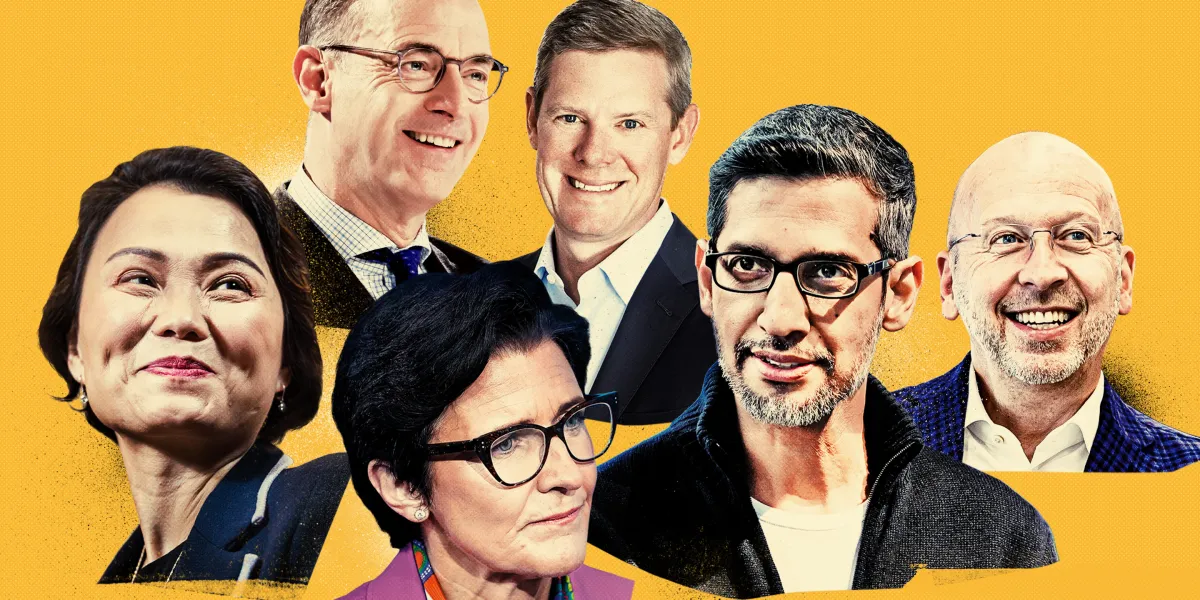
McKinsey has historically been a powerful incubator for future CEOs, with a vast alumni network occupying top corporate roles worldwide. The firm’s rigorous training, strategic relationships, and alumni engagement have created a self-reinforcing influence in global business. However, the rise of AI and changing leadership archetypes pose challenges to its traditional model, prompting McKinsey to adapt its talent development and value proposition to remain relevant in an AI-driven economy.
The consulting industry is facing significant challenges due to AI-driven efficiency gains and reduced government contracts under Trump, leading to layoffs and a potential industry shake-up, with some firms like McKinsey adapting by leveraging AI for internal efficiency while others face decline.
The article discusses how McKinsey, a consulting firm, historically positioned itself as an expert in navigating rapid business changes, but the title suggests it may be exploring how the firm has lost its competitive edge over time.
Quantum computing stocks like D-Wave and Quantum Computing are experiencing significant gains in 2025 amid optimistic industry forecasts from McKinsey and Morgan Stanley, which project a booming market potentially reaching $97 billion by 2035, driven by advancements and synergies with AI, despite inherent volatility.
Consulting firm McKinsey has agreed to pay $650 million to settle charges related to its role in the US opioid crisis, where it allegedly conspired with Purdue Pharma to misbrand prescription drugs. The settlement includes a deferred prosecution agreement, requiring McKinsey to reform its practices. This follows previous settlements totaling nearly $1 billion over similar allegations. The opioid crisis has led to nearly 100,000 overdose deaths annually in the US.
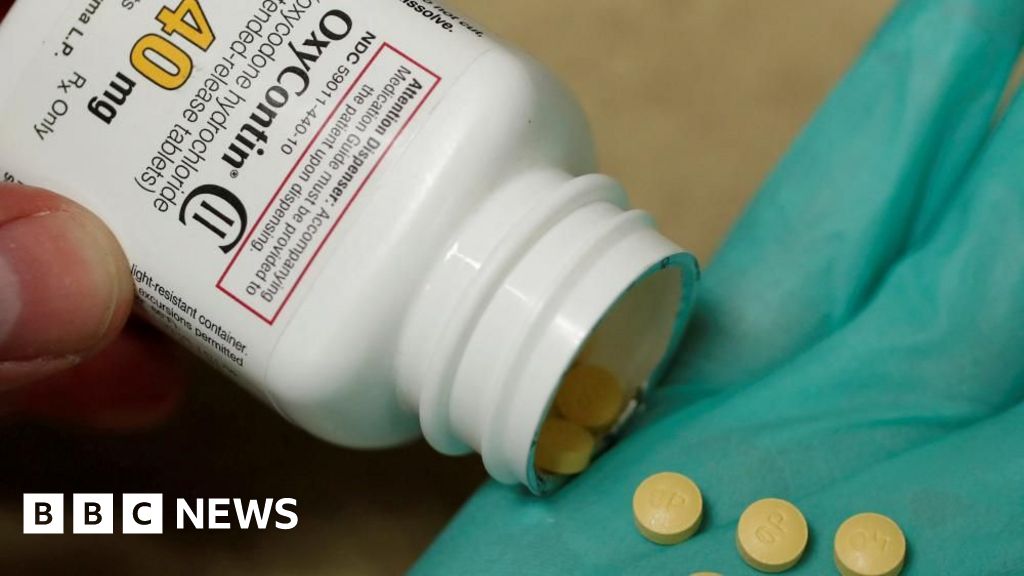
McKinsey & Company has agreed to pay $650 million to settle federal civil and criminal investigations into its role in boosting opioid sales for Purdue Pharma, the maker of OxyContin. The settlement includes a deferred prosecution agreement, with McKinsey not admitting liability but agreeing to refrain from future work involving controlled substances. This marks the first time a consulting firm has been held criminally responsible for advice leading to a client's criminal actions. The settlement follows previous payouts by McKinsey related to the opioid crisis.
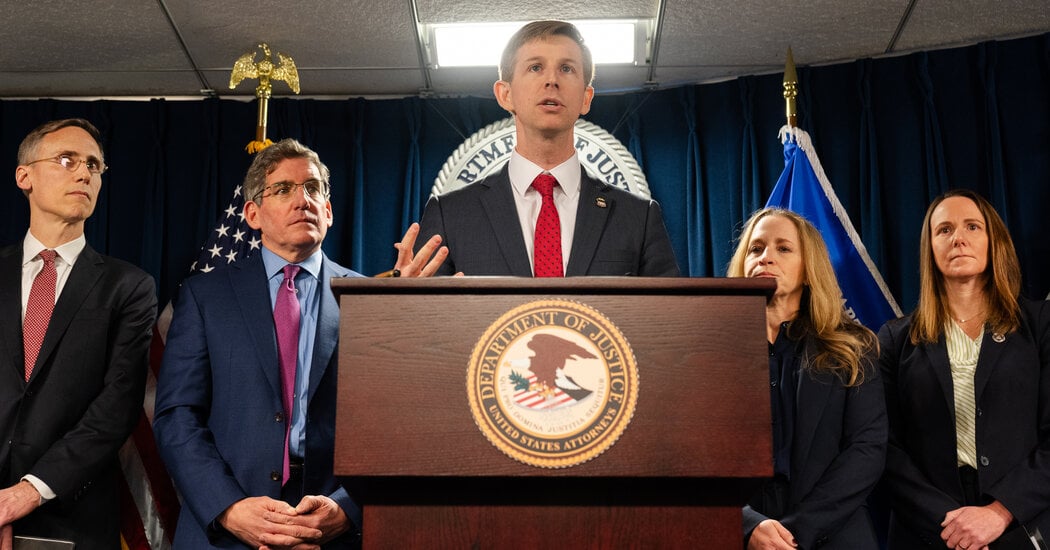
McKinsey has agreed to a $650 million settlement with the US Department of Justice over its role in advising opioid manufacturers, including Purdue Pharma, during the opioid crisis. The firm admitted to conspiring to misbrand prescription drugs and will face restrictions on future pharmaceutical consulting work. A former senior partner, Martin Elling, will plead guilty to obstructing justice by destroying documents. This marks the first criminal accountability for a consulting firm in such a case, highlighting the legal risks for consultants involved in client misconduct.
McKinsey & Company has agreed to pay $650 million to settle claims with the U.S. Justice Department over its role in the opioid crisis. The settlement addresses allegations that the consulting firm advised opioid manufacturers on how to "turbocharge" sales of the addictive painkillers, contributing to the nationwide epidemic.
McKinsey & Company has agreed to pay $650 million to settle criminal charges related to its role in promoting OxyContin sales for Purdue Pharma, contributing to the opioid epidemic. The firm will cease any work related to controlled substances and will not contest the charges, which include conspiracy to defraud the U.S. and document destruction. This settlement follows a previous $573 million agreement with state attorneys general over similar allegations.
McKinsey & Co. has agreed to pay $650 million in a deferred prosecution agreement to settle a federal criminal investigation into its consulting work with Purdue Pharma, which involved advising on increasing sales of the opioid OxyContin. Additionally, a former McKinsey partner will plead guilty to obstruction of justice for destroying and concealing documents related to the probe.
McKinsey & Company has agreed to pay $122 million to settle a bribery case in South Africa, where the consulting firm was accused of engaging in corrupt practices to secure government contracts. This settlement is part of ongoing efforts to address corporate misconduct and restore public trust.