Tag

Overdose Prevention

All articles tagged with #overdose prevention

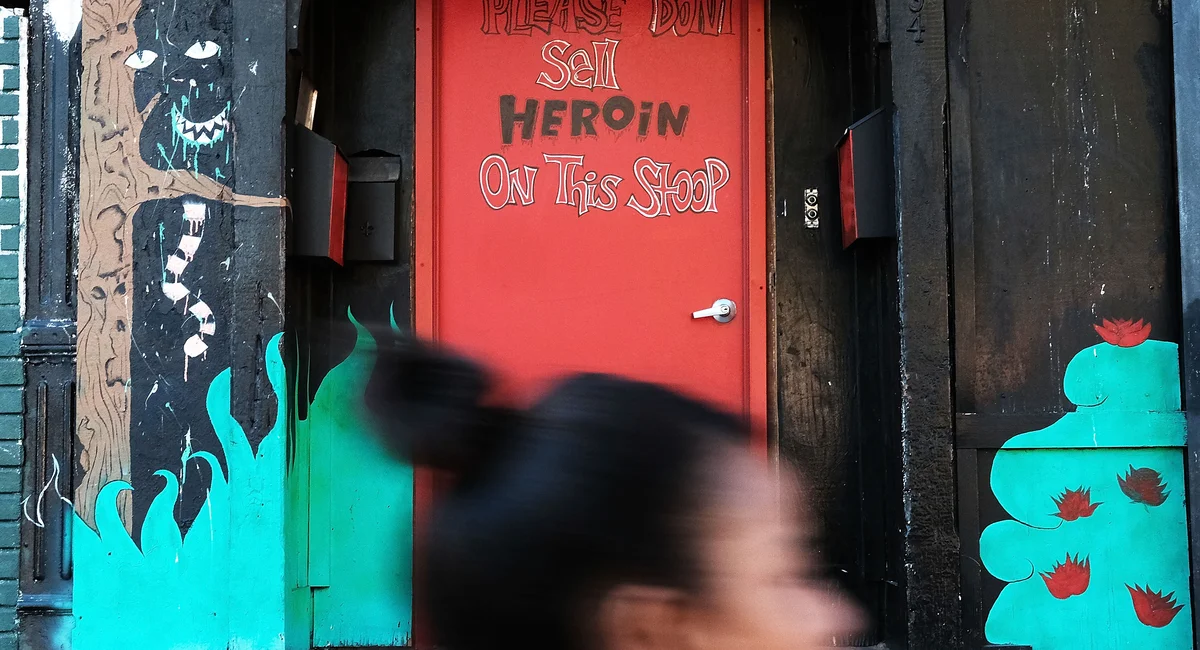
Staten Island's 'Hotspotting' Program Contributes to NYC Overdose Decline

Originally Published 2 months ago — by Gothamist

Featured image for Staten Island's 'Hotspotting' Program Contributes to NYC Overdose Decline
Source: Gothamist

Staten Island's innovative 'hotspotting' program, which uses data, AI, and peer outreach, has contributed to a significant decline in overdose deaths on the borough, marking a potential shift in addressing the overdose crisis through targeted, proactive care and community engagement.

CDC to Resume Overdose Prevention Funding Amidst Political Delays

Originally Published 5 months ago — by The Hill

Featured image for CDC to Resume Overdose Prevention Funding Amidst Political Delays
Source: The Hill

The CDC is restoring full funding for its Overdose Data to Action program, which had faced delays and partial funding under the previous administration, aiming to better track and reduce drug overdoses including fentanyl, with concerns raised about transparency and impact on communities.

CDC to release delayed funds for fentanyl fight and more, staffers say

Originally Published 5 months ago — by NPR

Featured image for CDC to release delayed funds for fentanyl fight and more, staffers say
Source: NPR

The CDC is expected to fully fund the OD2A overdose prevention program after delays caused by budget issues, which had threatened to impact efforts against fentanyl and other drug overdoses. However, several other CDC programs remain under frozen budgets due to broader federal funding restrictions, raising concerns about the overall strategy and impact on public health initiatives.

Baltimore Faces Multiple Overdose Incidents and Community Support Efforts

Originally Published 6 months ago — by The Baltimore Banner

Featured image for Baltimore Faces Multiple Overdose Incidents and Community Support Efforts
Source: The Baltimore Banner

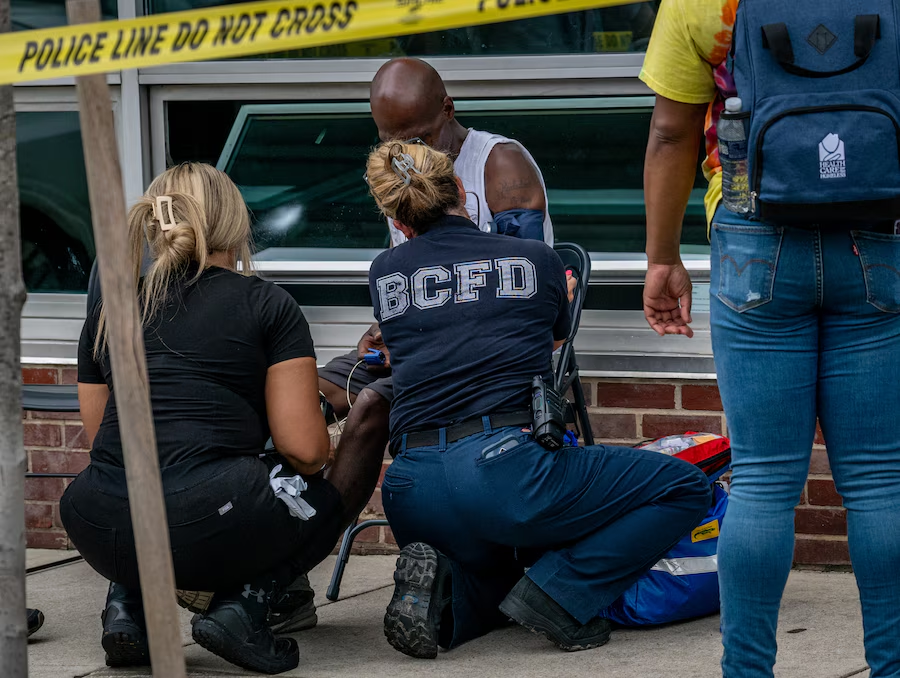
A recent surge in drug overdoses in Baltimore is suspected to be caused by a 'bad batch' of drugs contaminated with dangerous substances like fentanyl and other additives, highlighting ongoing challenges in tracking, prevention, and the dangers of adulterated street drugs.

Nationwide Drop in Overdose Deaths Spurs Investigation and Education Efforts

Originally Published 1 year ago — by WEAR

Featured image for Nationwide Drop in Overdose Deaths Spurs Investigation and Education Efforts
Source: WEAR

Jacy Werner, whose brother died from a fentanyl overdose, is using her personal tragedy to educate Gulf Coast teens on opioid overdose prevention. As the executive director of the Benjamin Thomas Werner Foundation, she speaks to high school students about the dangers of drugs like fentanyl and demonstrates how to use Naloxone, an opioid overdose-reversal drug. Her efforts are part of a broader trend contributing to a decline in overdose deaths in the U.S., as reported by the CDC. Werner's initiative aims to prevent other families from experiencing similar losses.

"Debate on Safer Fentanyl Use: Injecting vs. Smoking"

Originally Published 1 year ago — by The Washington Post

Featured image for "Debate on Safer Fentanyl Use: Injecting vs. Smoking"
Source: The Washington Post

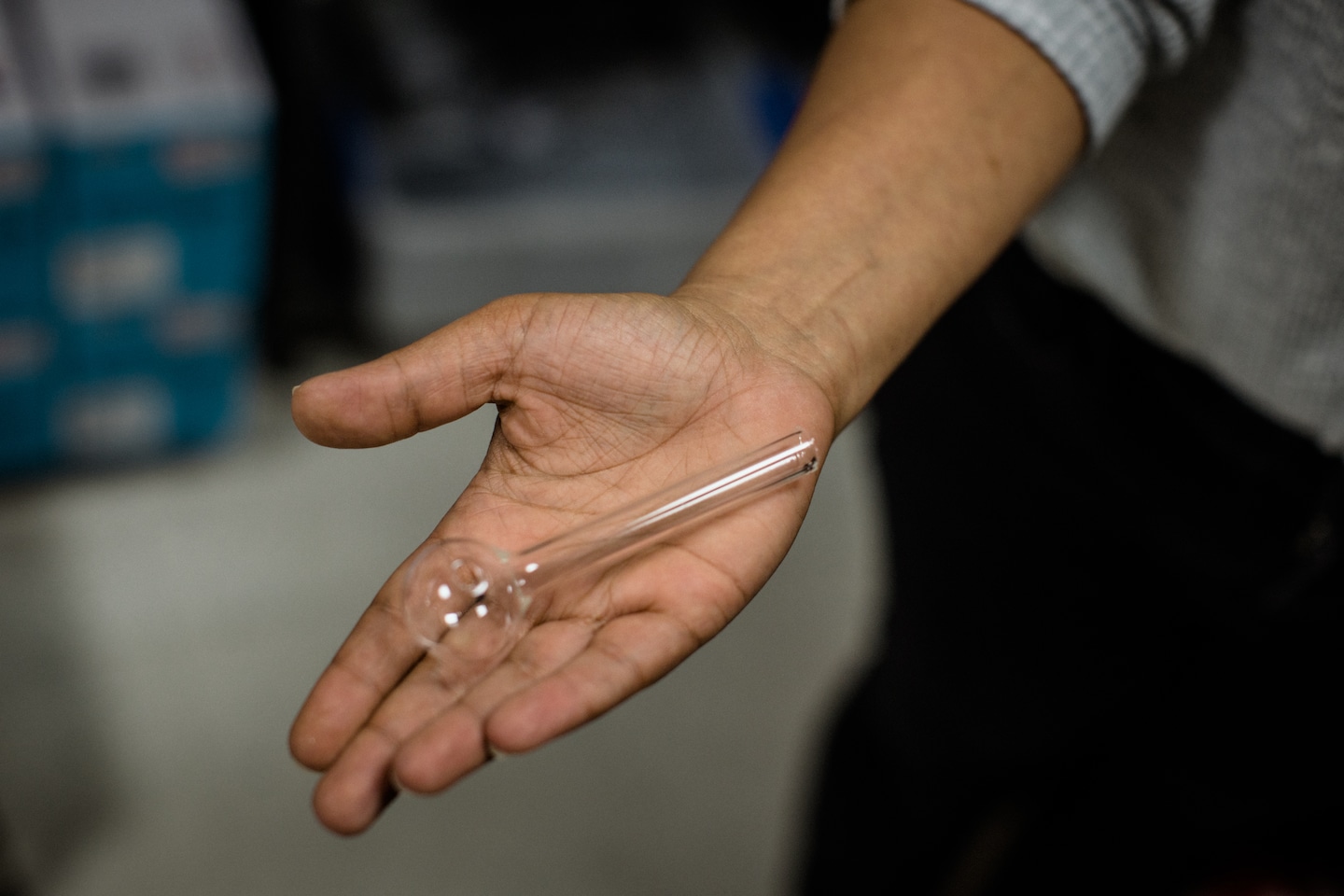
Some cities have been providing free smoking supplies to fentanyl users as a harm reduction strategy to reduce the risks associated with injecting drugs, such as infections and overdoses. However, this approach is facing pushback, with new laws in states like West Virginia banning the distribution of smoking paraphernalia by state-authorized syringe exchange programs. Critics argue that such measures enable drug use, while proponents believe they help mitigate harm. The debate highlights ongoing tensions in public health strategies aimed at addressing the opioid crisis and overdose deaths.

"Drug Dealers Use Fentanyl Test Strips to Market 'Clean' Pills"

Originally Published 1 year ago — by NBC News

Featured image for "Drug Dealers Use Fentanyl Test Strips to Market 'Clean' Pills"
Source: NBC News

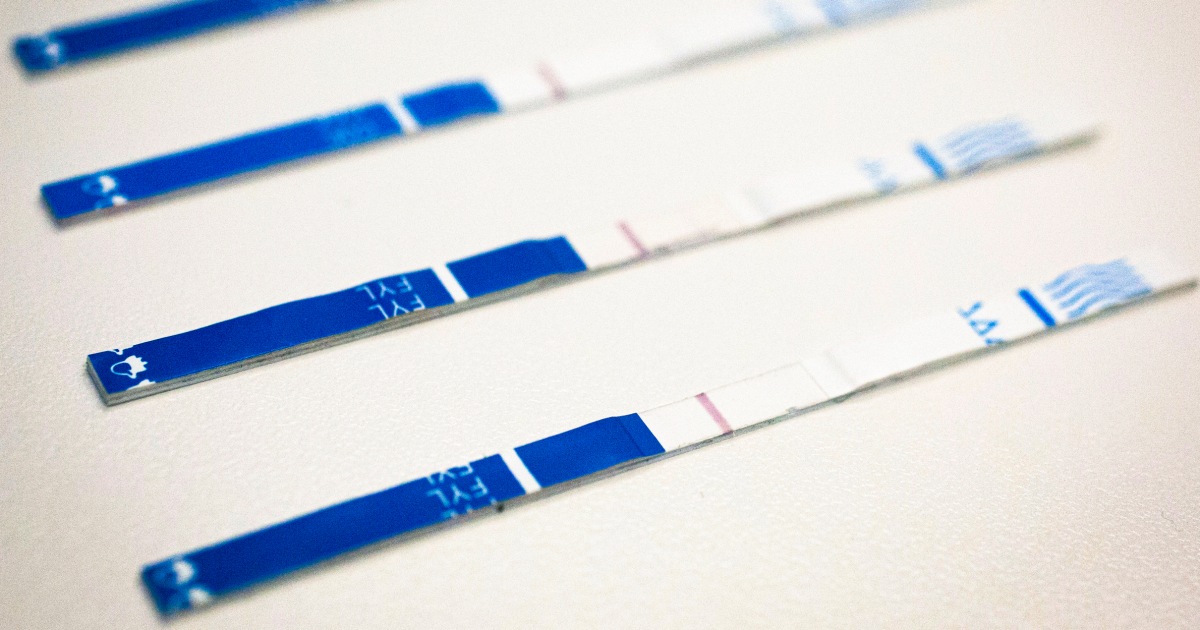
Fentanyl test strips, intended to help users detect the presence of the deadly synthetic opioid in drugs, are being misused by drug dealers to falsely advertise "clean" pills on social media. This misuse creates a dangerous false sense of security among users, as the strips are not reliable unless an entire pill or batch is tested. The DEA reports a rise in the potency of fentanyl pills, with 7 out of 10 pills tested in 2023 containing potentially lethal doses. The issue is exacerbated by the lack of quality control in counterfeit pills, leading to inconsistent fentanyl levels.

"UK Authorities Sound Alarm Over Deadly 'Zombie Drug' in Cannabis Vapes"

Originally Published 1 year ago — by The Telegraph

Featured image for "UK Authorities Sound Alarm Over Deadly 'Zombie Drug' in Cannabis Vapes"
Source: The Telegraph

The powerful animal tranquilizer xylazine, known as the "zombie drug," is causing major problems in the US and has now been linked to 11 deaths in Britain. Researchers have warned that the drug is being mixed with other substances and is penetrating the UK's illicit drug market, posing a growing public health threat. Healthcare workers have been urged to test skin ulcers for potential links to xylazine use, and there is a call for expanded harm reduction interventions for people who use drugs to help them stay safe.

"U.S. Opioid Crisis: Methadone and Buprenorphine Sidelines"

Originally Published 1 year ago — by STAT

Featured image for "U.S. Opioid Crisis: Methadone and Buprenorphine Sidelines"
Source: STAT

The U.S. is failing to effectively utilize medications like methadone and buprenorphine to prevent opioid overdose deaths, with various sectors obstructing their use. Despite their proven effectiveness in reducing overdose deaths and helping individuals achieve stable, healthy lives, barriers such as limited access, stigma, and opposition from organizations like Narcotics Anonymous and methadone clinics persist. The prevailing attitude in the U.S. often favors ineffective detox and 12-step approaches over medication-assisted treatment, contributing to the opioid crisis and exacerbating racial health disparities. Efforts to expand access to these medications and shift attitudes are underway, but outdated laws and practices continue to impede progress.


"HHS Expands Opioid Disorder Treatment with Telemedicine at Home"

Originally Published 1 year ago — by CNN

Featured image for "HHS Expands Opioid Disorder Treatment with Telemedicine at Home"
Source: CNN

The US Department of Health and Human Services is updating regulations to allow opioid treatment programs to offer telemedicine appointments and at-home doses of methadone, aiming to make treatments more accessible and meet people where they are. These changes are part of the Biden-Harris administration's efforts to combat the ongoing overdose epidemic, including allowing federal grant funds to be used for purchasing test strips for xylazine, an animal sedative often found in street drugs, to prevent overdose and other drug-related harms. The updates are seen as a historic modernization to help connect more Americans with effective treatment for opioid use disorders.

"Electrician's Innovation Saves Lives: Preventing Fatal Overdoses"

Originally Published 1 year ago — by The Boston Globe

Featured image for "Electrician's Innovation Saves Lives: Preventing Fatal Overdoses"
Source: The Boston Globe

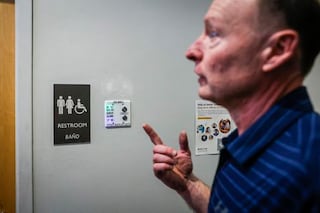
An electrician in Massachusetts has developed motion-sensor systems equipped with timers to detect potential overdoses in public bathrooms, particularly targeting the rise in fatal opioid overdoses. The systems have been effective in alerting emergency medical teams to respond to individuals who have collapsed from respiratory failure due to drug use. The technology has been adopted by various organizations and is being considered for wider implementation to address the ongoing overdose crisis.

"Portland Fire & Rescue Initiates Opioid Addiction Treatment Distribution Program"

Originally Published 2 years ago — by Willamette Week

Featured image for "Portland Fire & Rescue Initiates Opioid Addiction Treatment Distribution Program"
Source: Willamette Week

Portland Fire & Rescue is launching a pilot program to distribute medication, such as buprenorphine, to treat opioid use disorder at the time of 9-1-1 responses, aiming to reduce overdose deaths and provide lasting recovery for community members. The program, funded by a $400,000 grant from CareOregon, will enroll patients immediately and track their progress, complementing a recent initiative to send smaller vehicles to respond to overdoses.

"Rising Teen Overdose Crisis: Fentanyl, Naloxone, and Hotspots"

Originally Published 2 years ago — by Fox News

Featured image for "Rising Teen Overdose Crisis: Fentanyl, Naloxone, and Hotspots"
Source: Fox News

A new study published in The New England Journal of Medicine reveals that a record number of high school teens died of drug overdoses in 2022, primarily due to fentanyl poisonings from counterfeit pills. The death rate for drug overdoses among teens has more than doubled since 2018, with at least 75% of adolescent drug overdose deaths attributed to fentanyl poisonings. Experts recommend that parents discuss the dangers of counterfeit pills with their teens and keep overdose reversal medicine readily available at home, while also emphasizing the importance of staying drug-free and having frank conversations about risk reduction strategies for those experimenting with drugs.

"The Rise of 'Safe Bathrooms' in the Fight Against Opioid Fatalities"

Originally Published 2 years ago — by STAT

Featured image for "The Rise of 'Safe Bathrooms' in the Fight Against Opioid Fatalities"
Source: STAT

An electrician named John King has developed a "safe bathroom" system with motion sensors to detect opioid overdoses in public restrooms, a response to the frequent overdoses occurring at Boston Health Care for the Homeless Program. The system alerts staff to administer life-saving naloxone and has been installed in nearly 100 sites nationwide. While the technology has saved lives, it also highlights the need for more comprehensive solutions like supervised consumption, which faces legal and political challenges in the U.S. despite its potential to connect individuals to harm-reduction services and treatment.