A new study suggests that over-the-counter nicotinamide, a form of vitamin B3, can reduce the risk of certain skin cancers, especially in individuals with a history of the disease, potentially leading to earlier preventive use. The research analyzed data from nearly 34,000 US veterans, finding a 14% overall risk reduction, with greater benefits for those previously affected by skin cancer, though less clear benefits were observed for immunocompromised patients. The findings could influence future guidelines for skin cancer prevention.
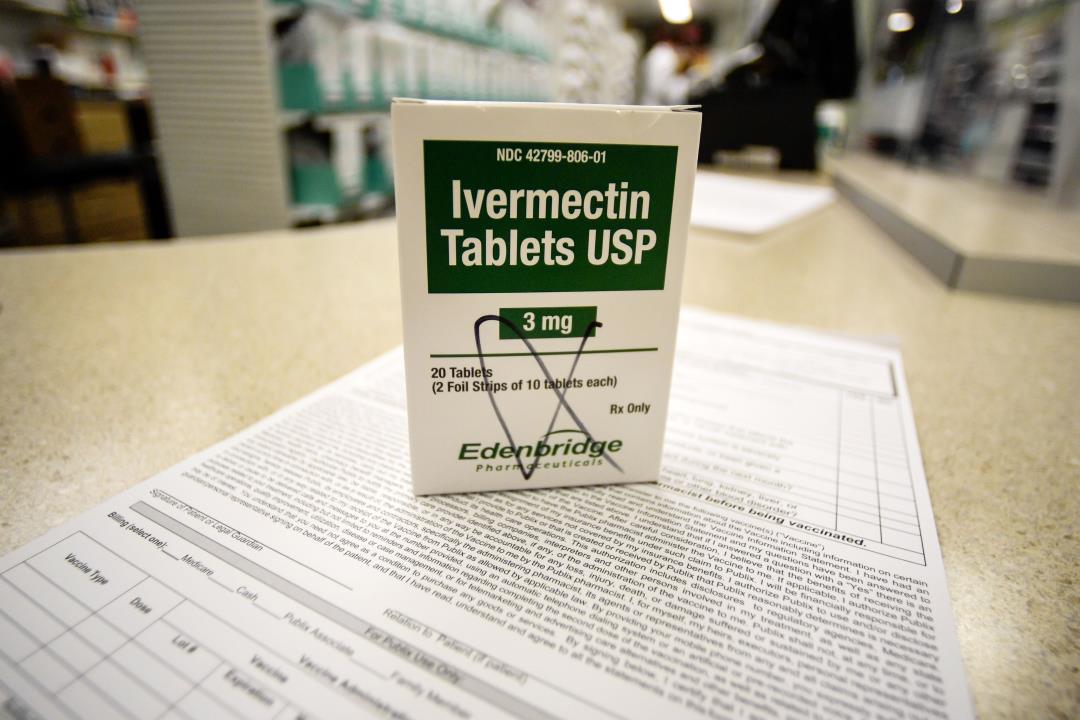
Several states are proposing or have enacted laws to make ivermectin available over the counter, despite the FDA not approving its use for COVID-19 and warnings about potential risks. The move is driven by political and public interest, but remains controversial due to safety concerns and lack of clinical evidence for COVID treatment.
As cold season arrives, many over-the-counter cold medicines, including those containing phenylephrine, are found to be ineffective. Effective alternatives include pain relievers like Tylenol and ibuprofen, pseudoephedrine for congestion, and certain nasal sprays. Preventive measures such as vaccination for flu and COVID-19, handwashing, and air ventilation are recommended. Non-pharmaceutical remedies like honey, zinc, and vitamin C may also help, while rest and hydration remain crucial. Consult a healthcare provider if symptoms persist or worsen.
Dr. Grant Harting, a pharmacist, has identified five over-the-counter medications he considers ineffective or overpriced, labeling them as 'scams.' These include ZzzQuil, Colace, Mucinex, Sudafed, and Prevagen. He suggests cheaper or more effective alternatives, such as generic versions or prescription options. Harting criticizes these products for either being no more effective than placebos or for having cheaper alternatives that work just as well.
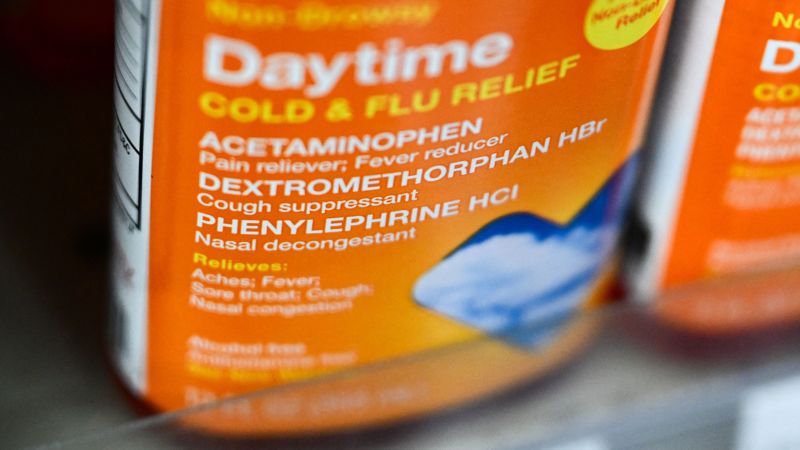
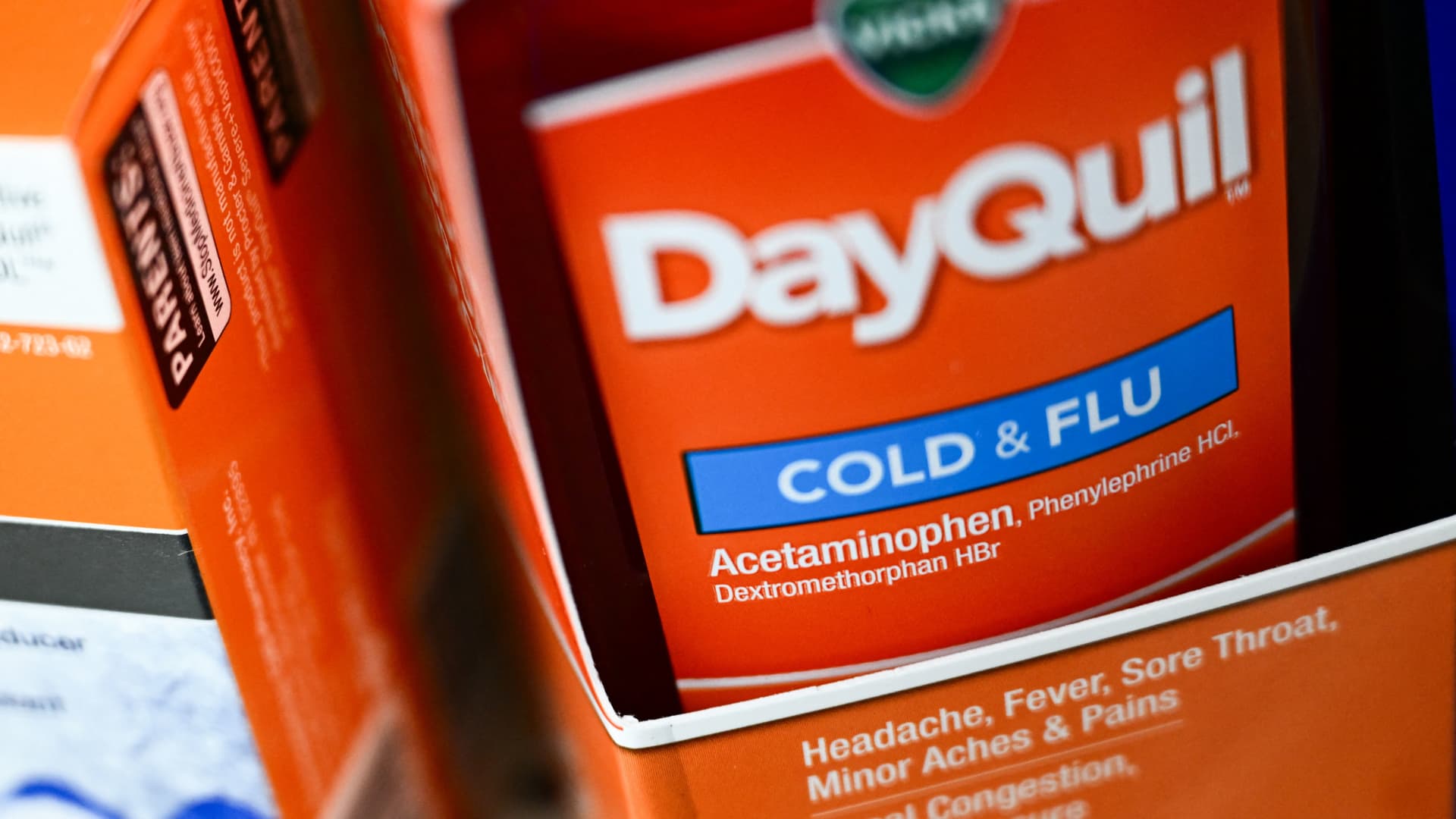
The FDA has proposed removing oral phenylephrine, a common ingredient in over-the-counter decongestants like Sudafed PE and DayQuil, from the market due to evidence of ineffectiveness. This proposal initiates a six-month public comment period before a final decision is made. While CVS has already stopped selling phenylephrine products, other pharmacies continue to stock them. The FDA's move follows several studies and an advisory committee's conclusion that phenylephrine is ineffective at typical oral dosages. The proposal does not affect phenylephrine used in nasal sprays.
The FDA has proposed ending the use of oral phenylephrine, a common ingredient in many over-the-counter cold and allergy medications, after determining it is ineffective as a nasal decongestant. This decision follows a unanimous conclusion by FDA advisors and could lead to the removal of products like NyQuil and Sudafed from shelves, impacting sales and requiring drugmakers to reformulate their products. The proposal is not based on safety concerns, and the final decision is pending.
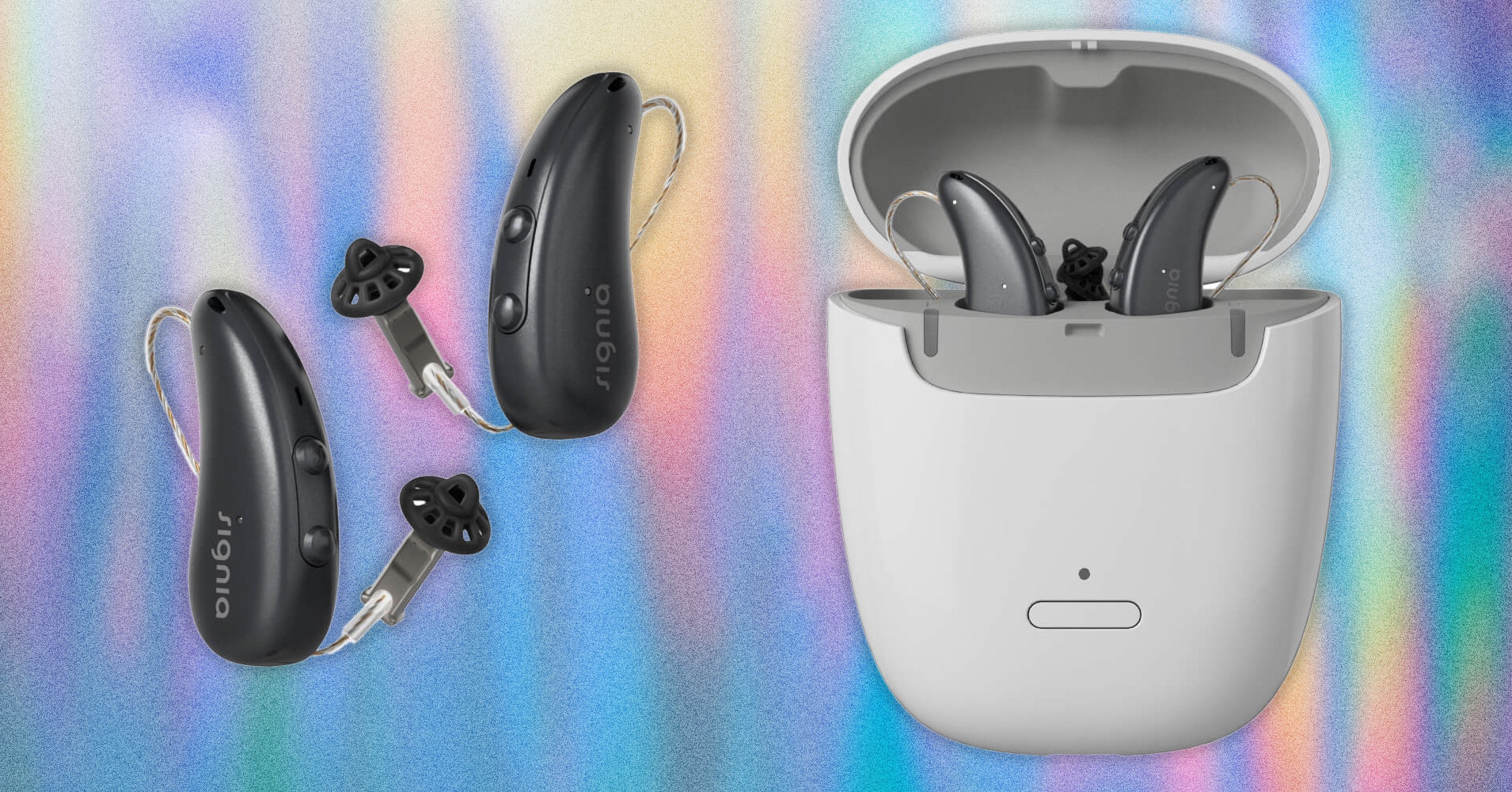
The FDA's 2022 approval of over-the-counter hearing aids has increased accessibility and reduced costs for seniors, who commonly experience age-related hearing loss. Popular options include behind-the-ear and in-the-ear models, with the Jabra Enhance Select 300 being a top choice for its sound quality and ease of use. Testing by experts, including audiologist Ruth Reisman, evaluated 22 hearing aids on quality, comfort, and performance.
Psychiatrist Dr. Roy Perlis has sparked outrage among doctors for suggesting that antidepressants should be available over-the-counter without disclosing his financial ties to antidepressant manufacturers. Critics have accused him of bias and unprofessionalism, pointing out the potential side effects and limited effectiveness of antidepressants. Dr. Perlis holds equity in antidepressant manufacturers and has received fees from several pharmaceutical companies. His proposal comes amid calls for other medications, such as birth control pills, to be available over-the-counter.
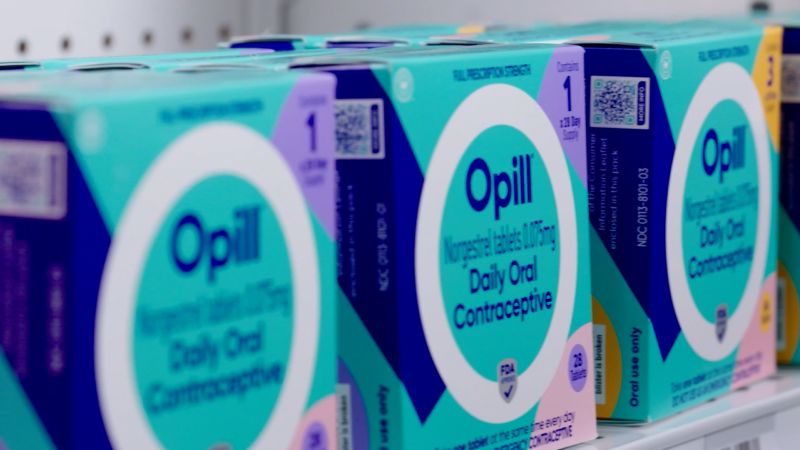
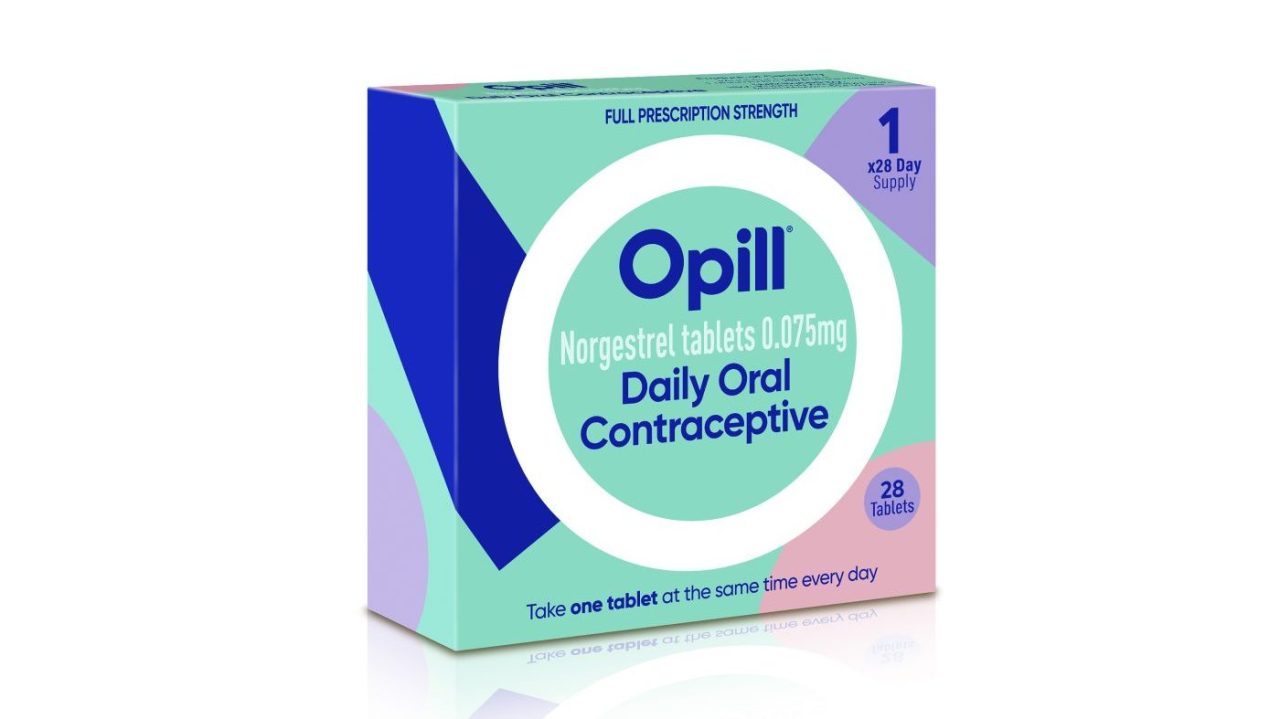
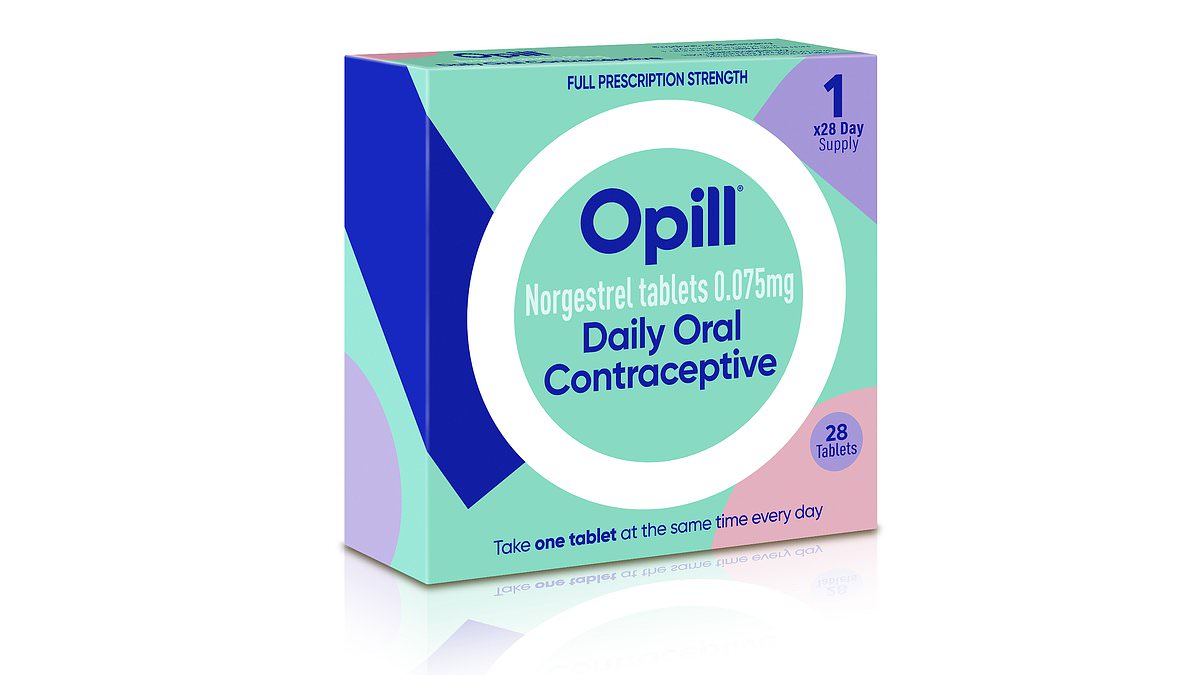
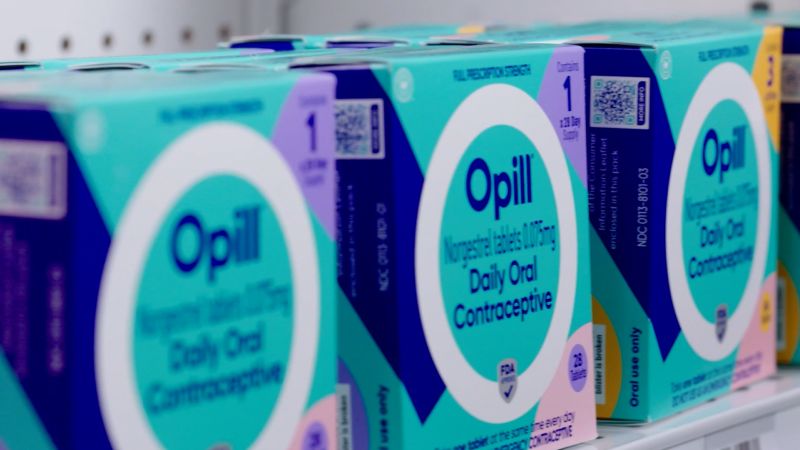
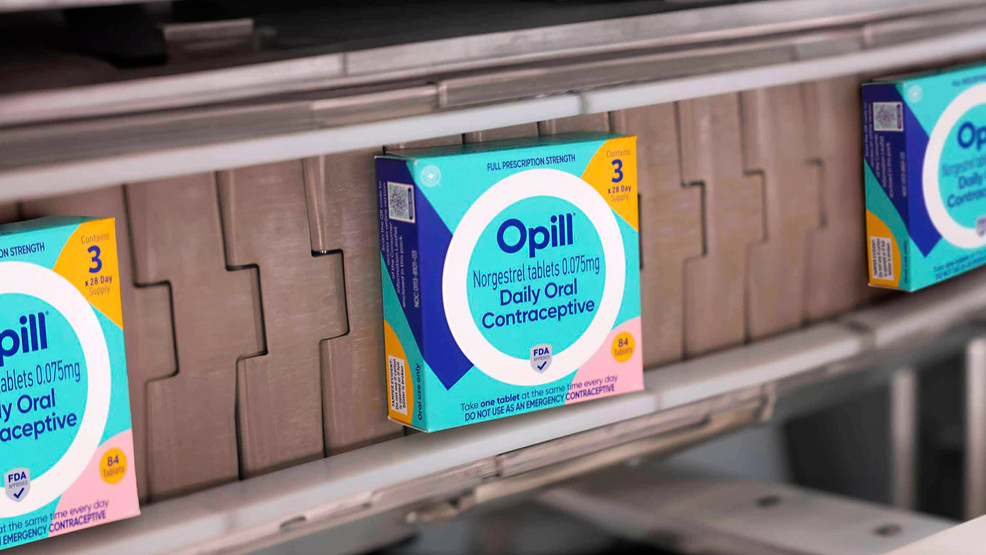
The first FDA-approved over-the-counter birth control pill, Opill, is now available at certain retail pharmacy chains such as CVS, Walgreens, and Walmart, as well as online. It has a suggested retail price of $19.99 for a one-month supply and $49.99 for a three-month supply. A cost assistance program has been launched to provide Opill at reduced or no cost for eligible consumers, and it is suitable for most people of reproductive age to use to prevent pregnancy.
Online sales have begun for Opill, the first over-the-counter birth control pill in the US, available for purchase on Amazon, Opill.com, Walgreens, and Walmart. The pill, containing the progestin norgestrel, is 98% effective at preventing pregnancy and costs $19.99 for a month's supply. While efforts to make birth control more accessible have gained urgency following recent legal developments, potential barriers include insurance coverage and potential state restrictions.
America's first over-the-counter birth control pill, Opill, is now available online and will soon be in major pharmacies without a prescription. The progestin-only pill, priced at $49.99 for a three-month supply on its website, has been hailed as a historic milestone by advocacy and medical groups. Some anti-abortion groups equate hormonal birth control with abortion, while the FDA expressed concerns about obesity and the risk of missed doses with OTC availability. Opill, which has been safely used for five decades, is seen as lower-risk due to not containing estrogen and works by thickening cervical mucus to prevent sperm from fertilizing an egg.
The first over-the-counter birth control pill, Opill, is now available for online purchase in the US, with a suggested retail price of $19.99 for a one-month supply. This new option provides increased access to contraception, particularly benefiting those in remote areas or with limited access to reproductive health care. While the FDA's approval of Opill without an age restriction is a milestone for expanding access to contraception, concerns remain about potential state restrictions. The availability of Opill online and in stores offers more control over reproductive health choices, but there is ongoing debate about access to sexual and reproductive health care in the US.
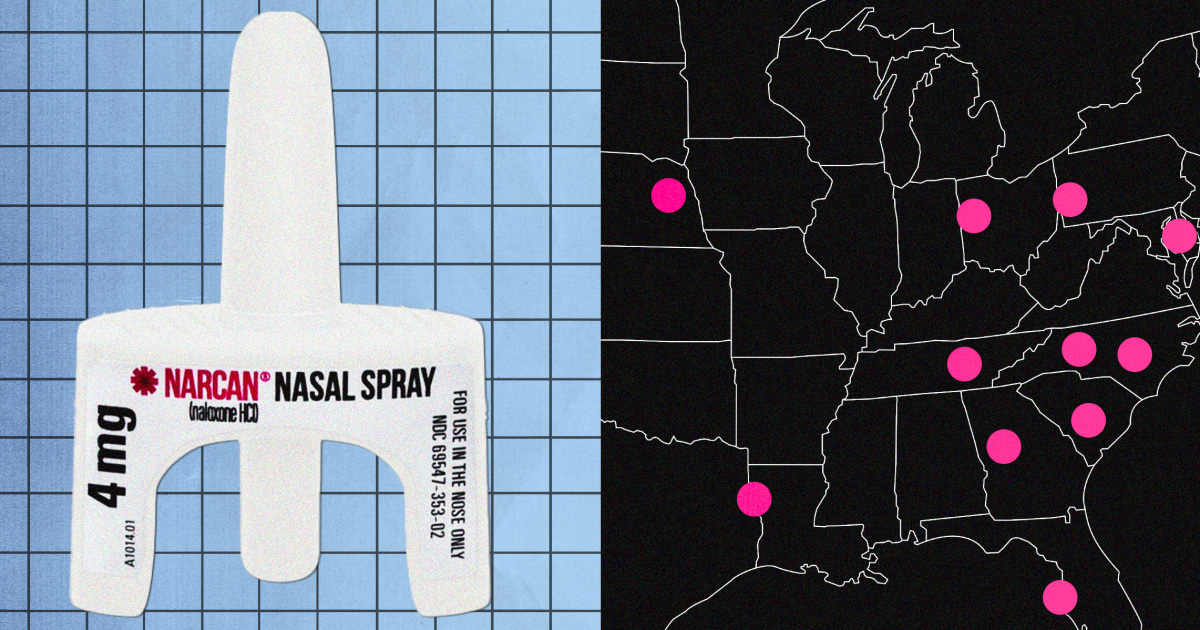
Since the launch of the over-the-counter version of Narcan, the antidote for opioid overdoses, sales have increased, with over 20 million doses distributed in the U.S. and Canada in 2023. However, the availability and pricing of Narcan vary across pharmacies, with some stores placing it behind the counter and pricing it at around $45, posing barriers to access. Despite this, advocates believe that making Narcan more accessible will save lives, especially as it becomes more widely recognized as a crucial tool for addressing the opioid crisis.
The FDA has approved the first over-the-counter continuous glucose monitor, the Dexcom Stelo Glucose Biosensor System, designed for individuals 18 years and older who do not use insulin. This integrated CGM allows users to monitor and analyze glucose levels using a wearable sensor and a smartphone app, providing valuable information about their health without the involvement of a healthcare provider. However, it is not intended for individuals with problematic hypoglycemia. This approval aligns with the FDA's goal of advancing health equity by expanding access to valuable health information for all patients.
The U.S. will soon offer over-the-counter birth control pills, sparking mixed reactions. Opill, priced at $20 for a one-month supply, is 98% effective and uses only progestin. Advocates argue for increased access to hormonal contraceptives, while critics express concerns about self-medication and the need for comprehensive women's healthcare. The availability of over-the-counter birth control coincides with discussions around women's fertility, including access to the abortion pill.