Tag

Osce

All articles tagged with #osce

international-relations1 year ago

Lavrov and Blinken Clash Over Ukraine at OSCE Malta Meeting

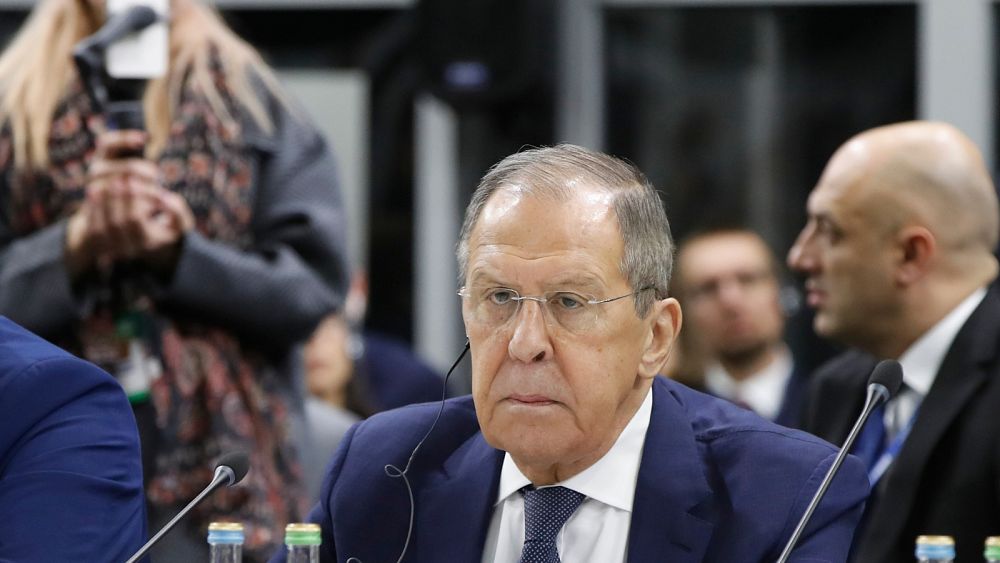
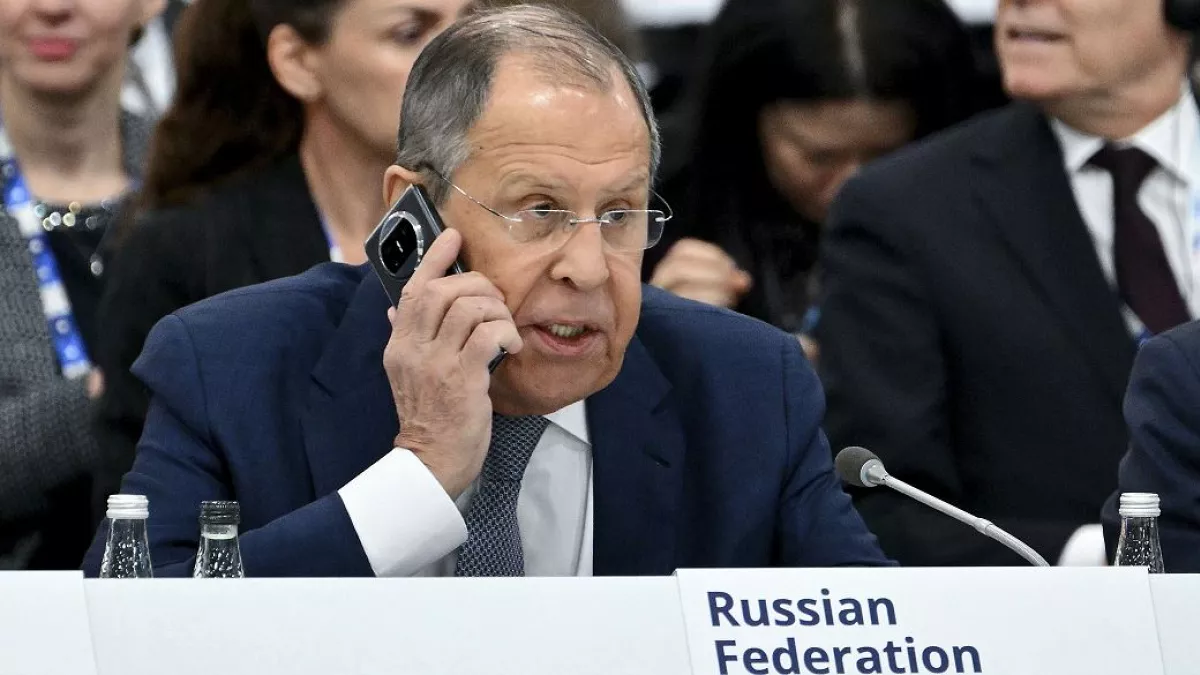
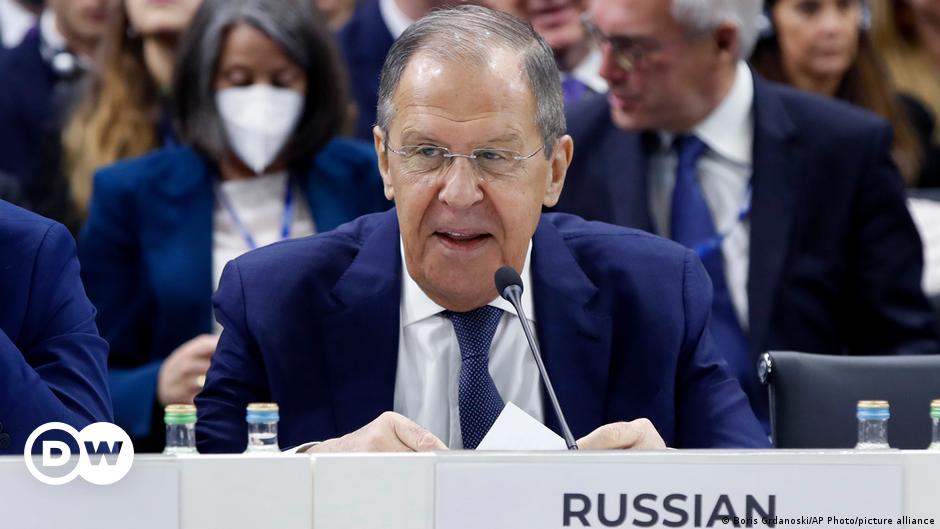
At the OSCE ministerial summit in Malta, US Secretary of State Antony Blinken and other Western foreign ministers criticized Russian Foreign Minister Sergei Lavrov over Russia's invasion of Ukraine. Ukrainian, Polish, and Estonian ministers walked out during Lavrov's speech, with Ukraine's Foreign Minister Andrii Sybiha labeling Lavrov a "war criminal." Lavrov accused the West of provoking conflict and warned of escalating tensions. Blinken countered by highlighting Russia's aggressive actions and emphasized Ukraine's right to self-determination. The OSCE has faced challenges due to Russia's vetoes since the 2022 invasion.
international-relations2 years ago

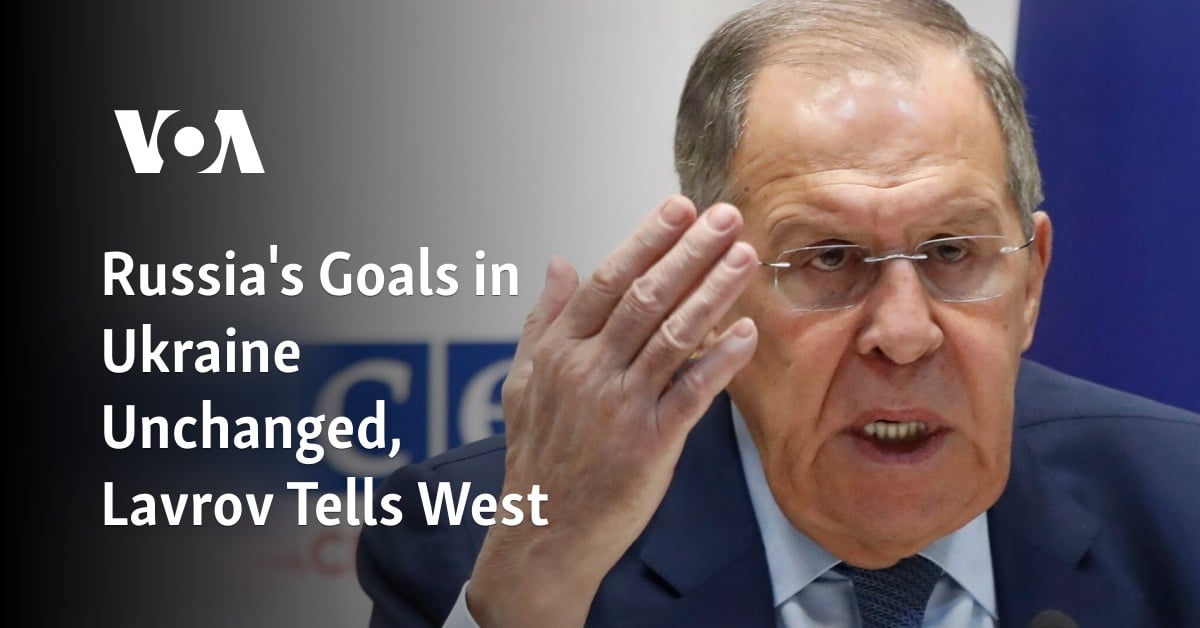
Lavrov Affirms Russia's Unwavering Goals in Ukraine to the West

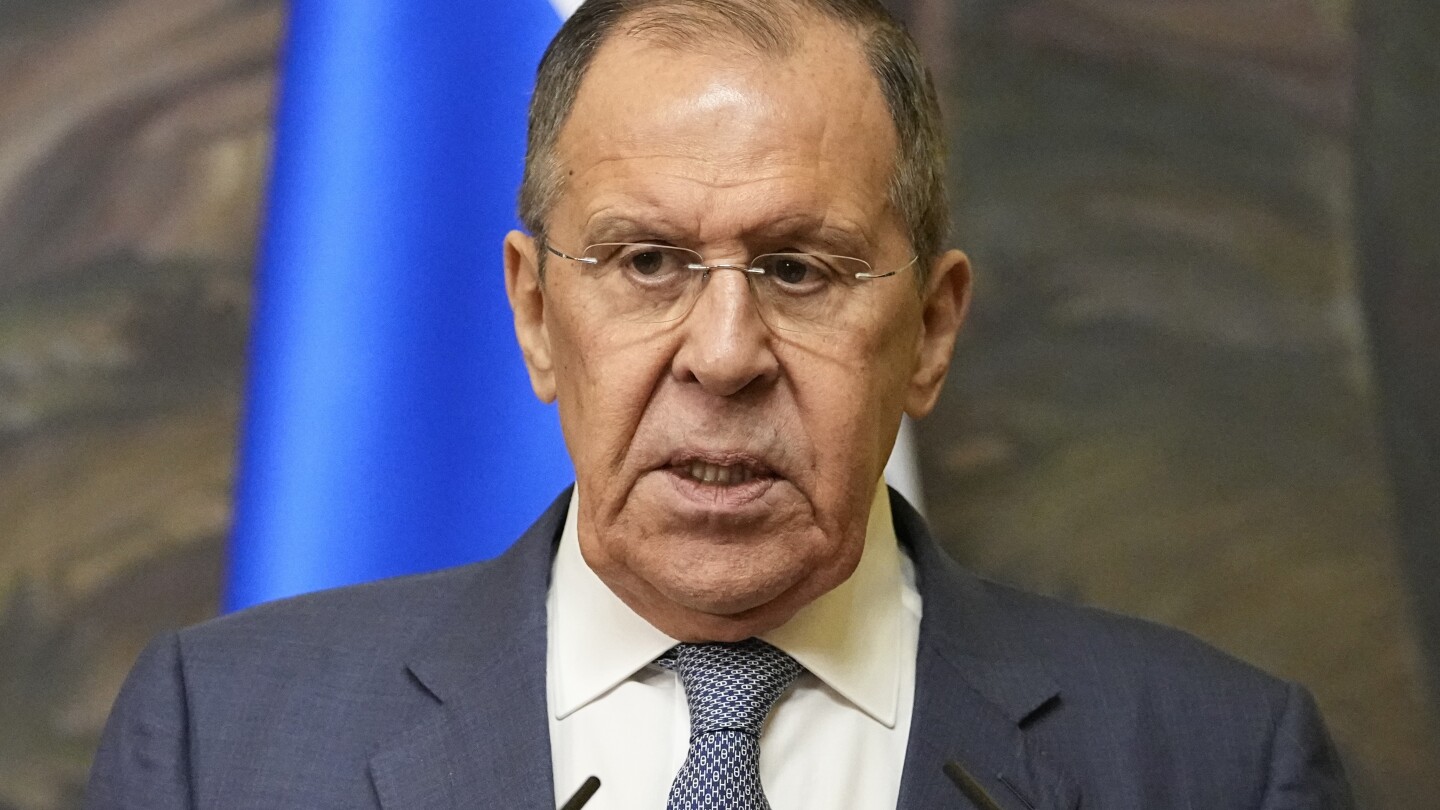
Russian Foreign Minister Sergey Lavrov stated that Russia has no intention of changing its goals in Ukraine and criticized Western diplomats for refusing to engage in honest conversations. Lavrov's remarks came during an international security conference in North Macedonia, where the top diplomats of Ukraine, Estonia, Latvia, and Lithuania boycotted the event in protest. Participants accused Russia of undermining the Organization for Security and Co-operation in Europe (OSCE) with its war in Ukraine. Despite objections from Moscow, the OSCE's activities were saved, and Malta will assume the presidency on January 1.

international-relations2 years ago

Lavrov's Controversial Speech Dominates OSCE Security Summit

Russian Foreign Minister Sergey Lavrov's presence at the annual ministerial conference of the Organization for Security and Cooperation (OSCE) in Skopje, North Macedonia, caused friction and led to a boycott by some members. Poland, the Baltic countries, and Ukraine refused to attend, criticizing Russia's aggression against Ukraine. The OSCE, originally founded to ease tensions between the Soviet Union and the West, is currently paralyzed due to Russia's veto power. Lavrov dismissed criticism and accused the OSCE of being an appendage of NATO and the EU. Despite the controversy, Lavrov achieved his goal of demonstrating that Russia is not isolated and maintained ties with Kremlin-friendly EU nations. The OSCE, though sidelined in the current European security debate, remains important for future negotiations and bridge-building between Russia and the West.

international-relations2 years ago

"Deadly Russian Missile Strikes Leave Civilians Trapped and Injured in Ukraine War"

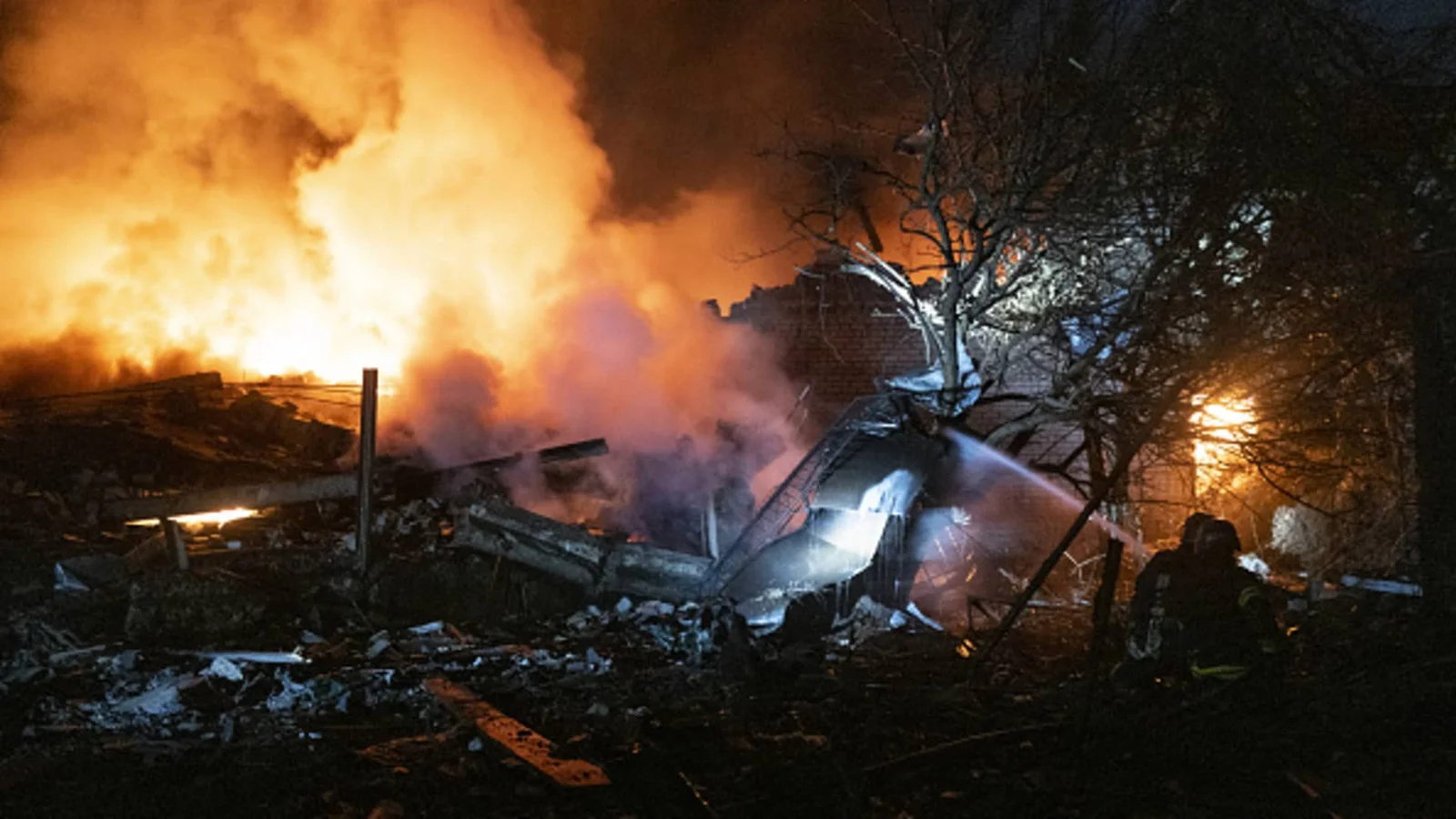
Germany's Chancellor Olaf Scholz expresses unwavering solidarity with Ukraine and emphasizes its future lies in the European Union; Russia's Supreme Court designates LGBT activists as extremists, raising concerns of arrests and prosecutions; Russian Foreign Minister Sergei Lavrov accuses the Organization for Security and Co-operation in Europe (OSCE) of being on the brink of an abyss and being turned into an appendage of NATO and the EU; EU Commission President Ursula von der Leyen calls for Ukraine's military needs to be included in the EU's defense strategy; Russian President Vladimir Putin will address the nation on December 14, possibly announcing his candidacy for the 2024 election; Russian missiles and drones strike eastern Ukraine, injuring at least 10 people, including a baby; Russia's Lavrov attends the OSCE meeting, causing a rift among member countries; U.S. Secretary of State Antony Blinken reaffirms NATO's unwavering support for Ukraine; a Russian man is jailed for 10 days for writing "No to War" on a snow-covered turnstile; Russia claims to have taken control of a village outside Bakhmut in eastern Ukraine; Russia criticizes Finland's decision to close its border, calling it unjustified.

international-relations2 years ago

Lavrov's Controversial Speech at OSCE Meeting Sparks Tensions with NATO and EU

Russian Foreign Minister Sergei Lavrov criticized NATO, the EU, Ukraine, and the West during a speech at the Organisation for Security and Cooperation in Europe (OSCE) meeting in North Macedonia. Lavrov referred to the OSCE as an "appendage" of NATO and the EU and blamed NATO's expansion for the return of war to Europe. He also accused the OSCE of being on the brink of irrelevance. Lavrov's presence at the meeting led to boycotts by the Baltic countries and Ukraine. Western ministers criticized Lavrov's remarks, with Danish Foreign Minister Lars Lokke Rasmussen stating that Russia's attempts to blame others were transparent.

international-relations2 years ago

Baltic and Ukrainian Diplomats Boycott OSCE Talks Due to Russian Foreign Minister's Presence

The foreign ministers of Estonia, Latvia, Lithuania, and Ukraine have announced their boycott of an Organization for Security and Cooperation in Europe (OSCE) meeting in North Macedonia due to the participation of Russian Foreign Minister Sergey Lavrov. They argue that Lavrov's presence will provide Russia with a propaganda opportunity and accuse Russia of coercing and undermining the OSCE. The Russian delegation plans to emphasize the return of the OSCE to its original principles and purpose. Lavrov's visit to a NATO member country since the invasion of Ukraine in 2022 is seen as significant.

international-relations2 years ago

Diplomatic Tensions Rise as Russian Foreign Minister Visits NATO Member State

Russian Foreign Minister Sergei Lavrov is set to visit North Macedonia, a NATO member country, for an OSCE meeting, marking his first visit to a NATO country since Russia's military intervention in Ukraine. Lavrov's plane will need to fly through Bulgarian or Greek airspace, both NATO members, to reach Skopje. Lavrov's visit comes amidst heightened tensions between Russia and the West, with Lavrov stating that the security situation in Europe is more dangerous now than during the Cold War. He also expressed Moscow's focus on safeguarding its economy, life, and security rather than rebuilding ties with Europe.

international-relations2 years ago

Russia's Threat to Ukraine's Zaporizhzhia Nuclear Plant Raises Concerns.

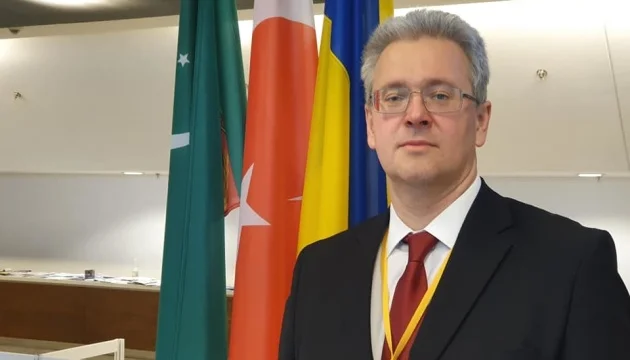
Ukraine's Permanent Representative to the International Organizations in Vienna, Yevhenii Tsymbaliuk, has accused Russia of intensifying its disinformation campaign about a "dirty bomb" and "combat mosquitoes," which may indicate that Russia is plotting new provocations. Tsymbaliuk emphasized that Russia's recent missile attack on Kyiv and genocidal statements show that Russia seeks war, not peace. He also called for the liberation of all Ukrainian lands from Russian occupation to protect the people who live there. The IAEA has already dispelled the lie about the "dirty bomb."

politics2 years ago

Turkey's Election: Observers Criticized, Momentum Shifts, and Authoritarianism in Question

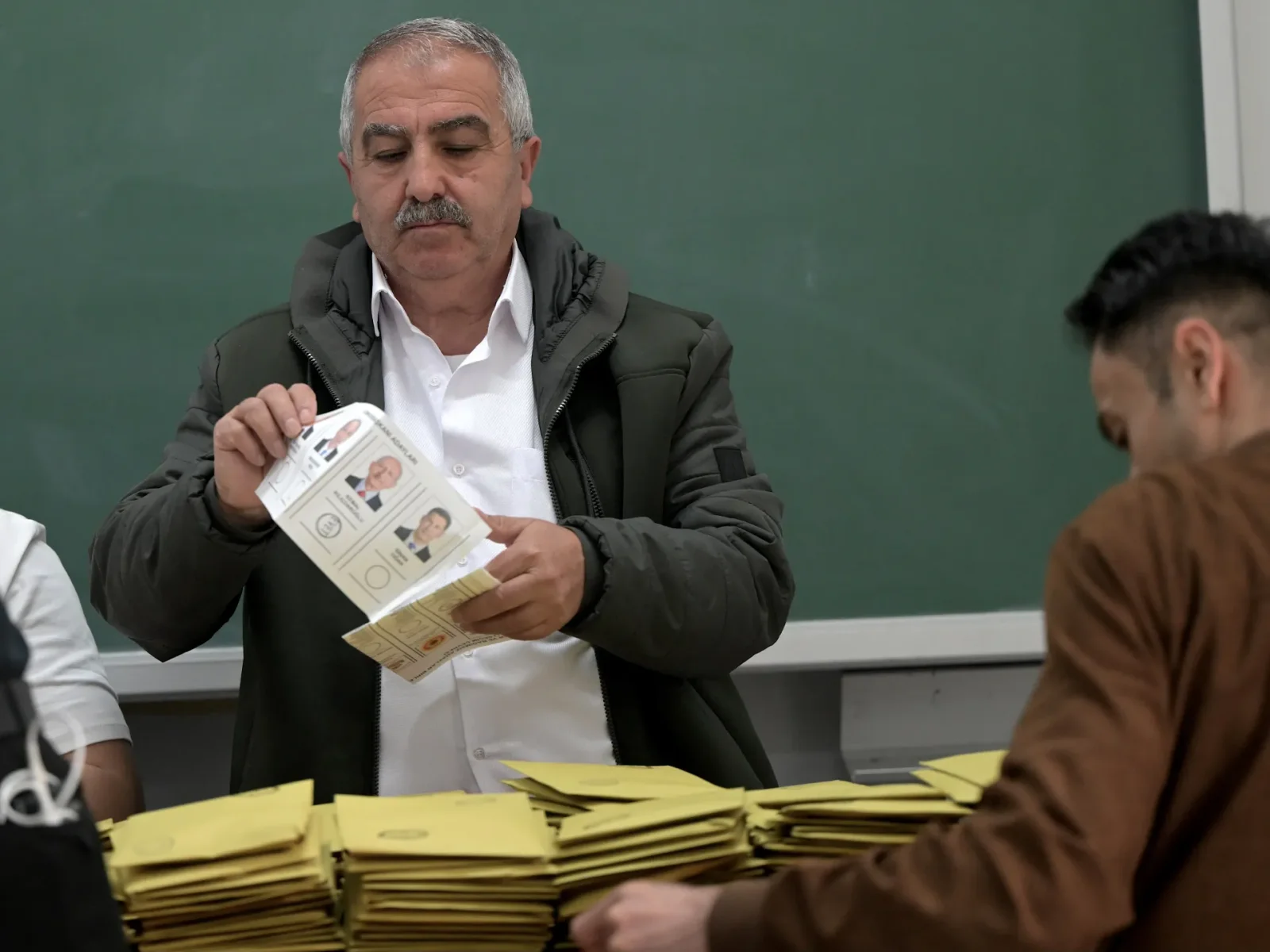
Turkey's foreign ministry has criticized the "lack of transparency" comments made by international observers monitoring Sunday's elections in the country, calling them "politically charged and accusatory". The observers also expressed concern over biased state-media coverage of the polls and an advantage enjoyed by President Recep Tayyip Erdogan's political party and its allies over opposition parties. Despite a number of incidents, the elections were mostly peaceful, and the high turnout was praised as a clear indicator of a "strong democratic spirit".

politics2 years ago

Uzbekistan's President Mirziyoyev announces snap election in July.

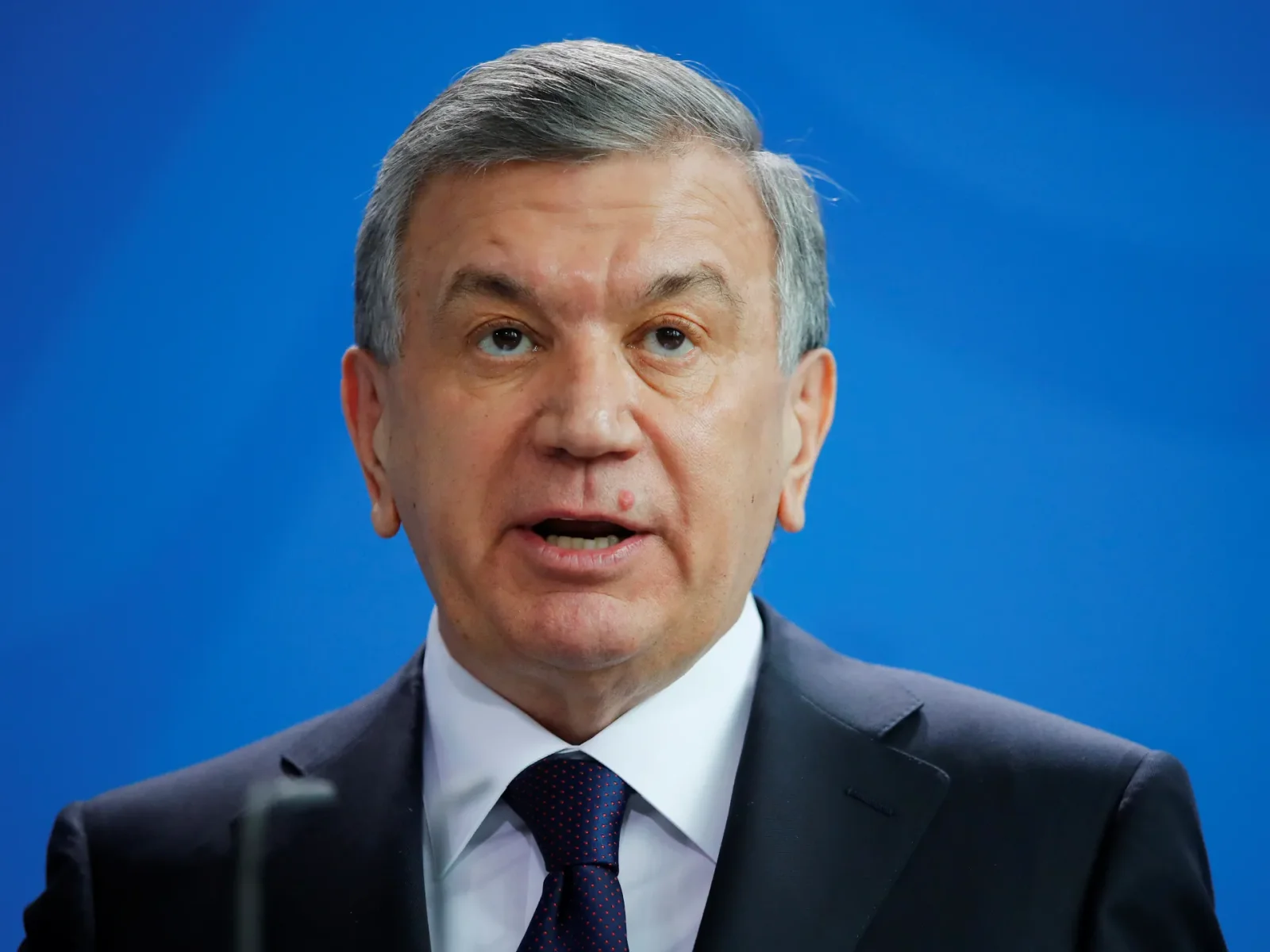
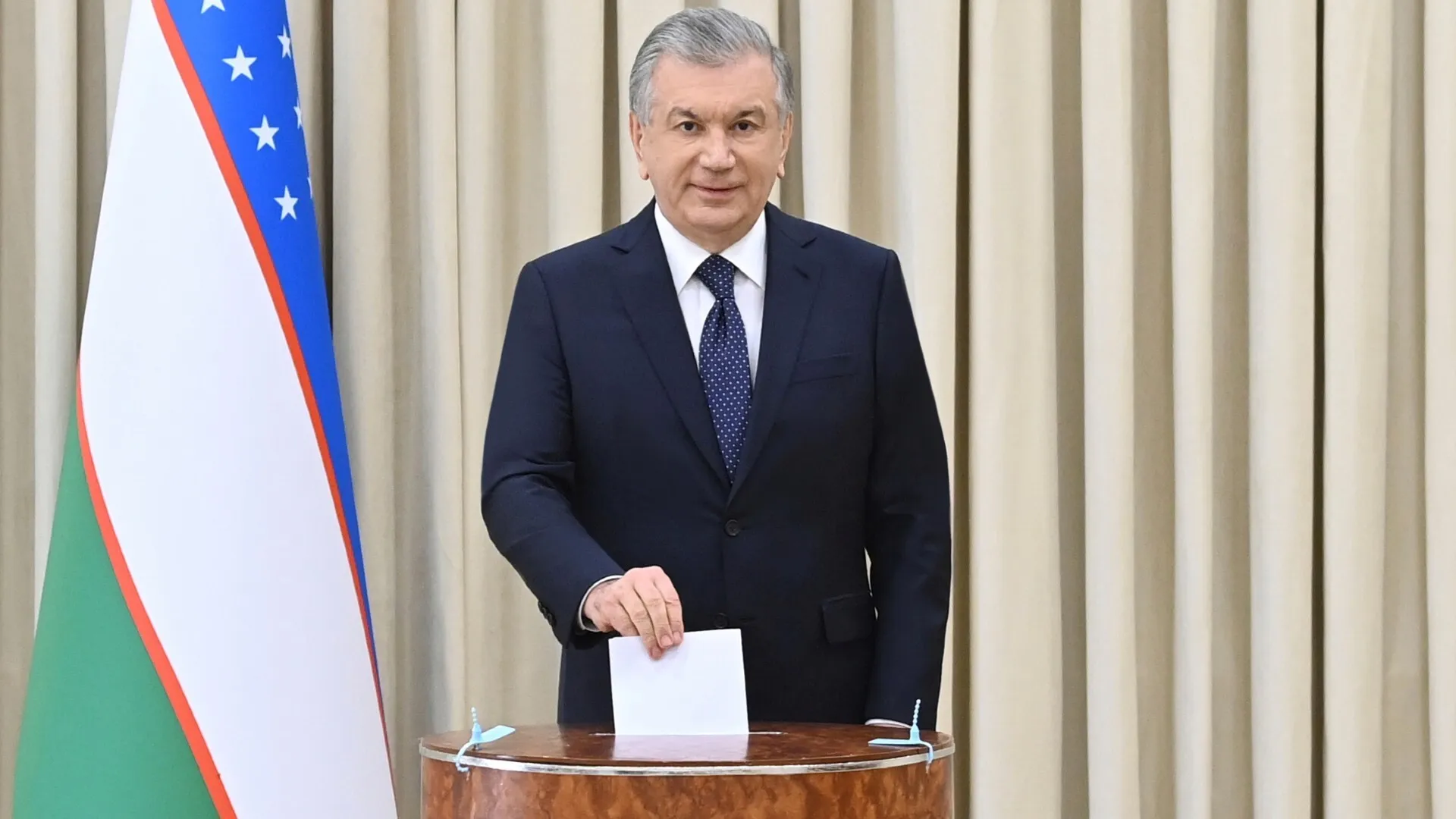
Uzbekistan's President Shavkat Mirziyoyev has called for a snap presidential election on July 9, following a referendum that approved constitutional amendments allowing him to run for two more terms. Mirziyoyev said he needed a new mandate to carry out further reforms in the country. The constitutional changes could see Mirziyoyev in power until 2040. There are no significant opposition figures in the country of 35 million people who could compete with Mirziyoyev. Election observers from the Organisation for Security and Co-operation in Europe (OSCE) said the referendum was not representative.

politics2 years ago

Uzbekistan approves referendum to extend president's rule.

Uzbekistan's election commission announced that over 90% of voters supported constitutional changes that could allow President Shavkat Mirziyoyev to remain in power until 2040. The amendments will extend presidential terms from five to seven years and allow Mirziyoyev to run for two more terms when his current one ends in 2026. Observers from the Organization for Security and Co-operation in Europe (OSCE) said the referendum was not truly representative. Experts predict that Uzbekistan will try to distance itself from Moscow due to the war in Ukraine.