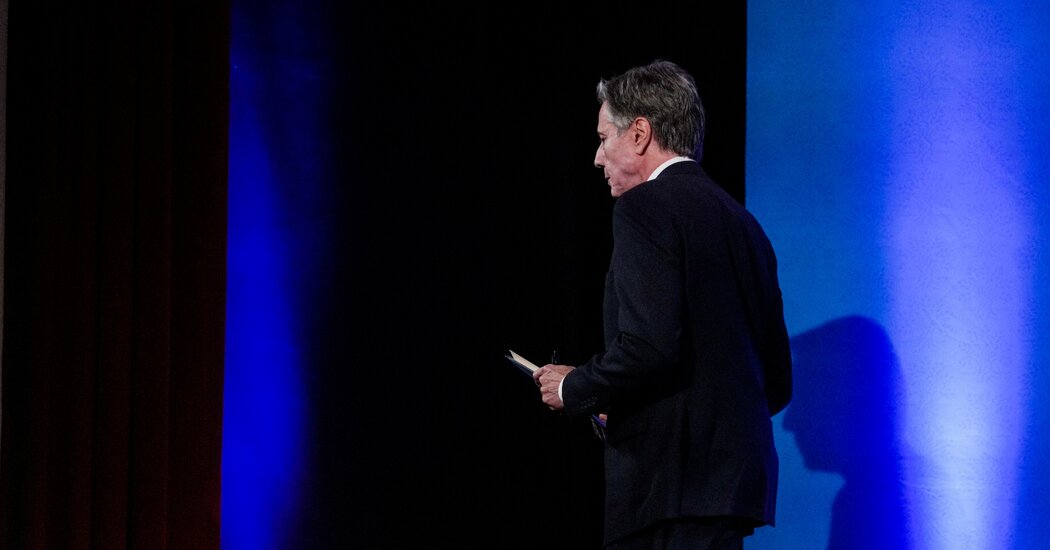
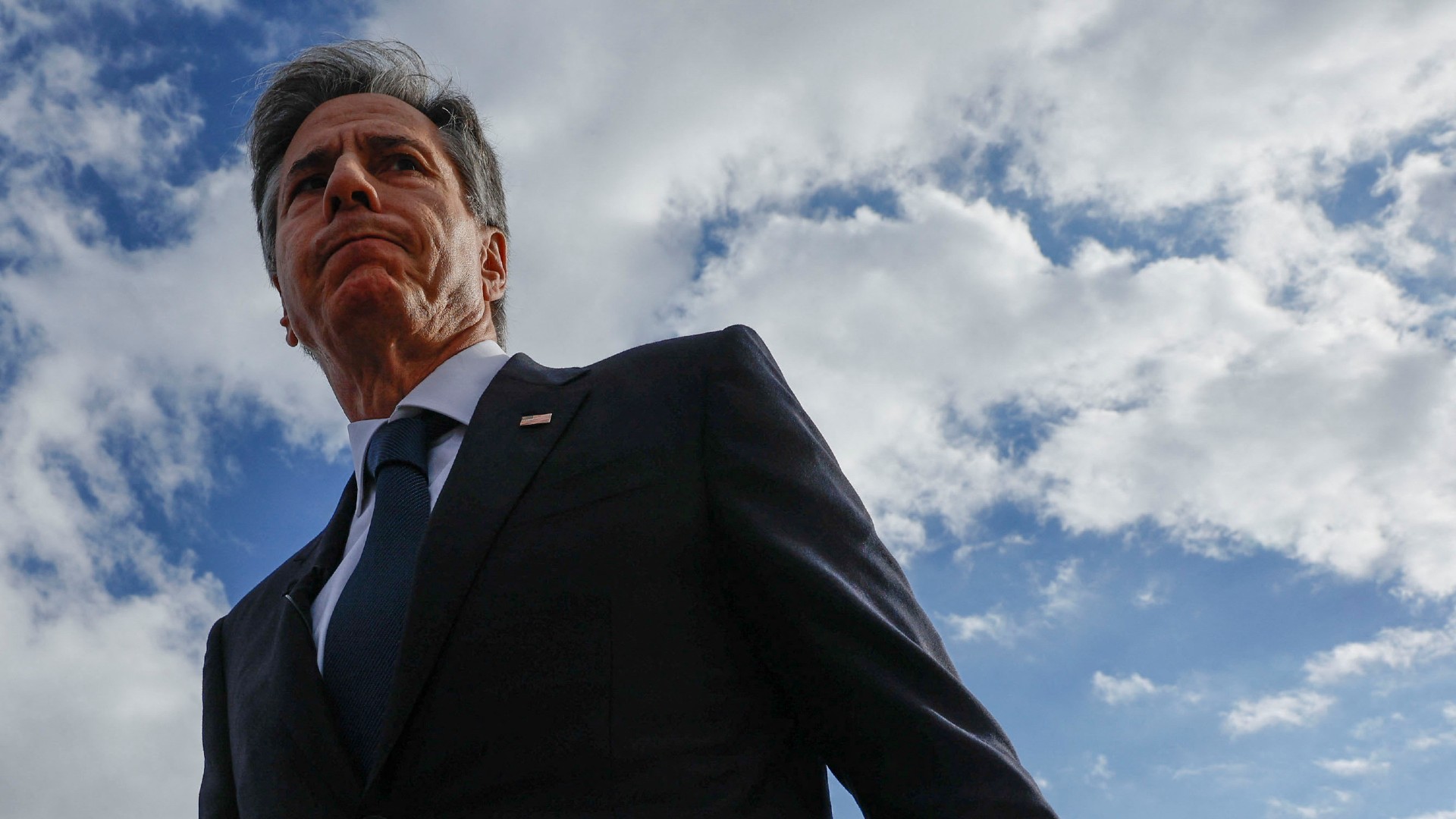
US Secretary of State Antony Blinken emphasized that recognizing a Palestinian state is a rebuke to Hamas and should be contingent on conditions such as denouncing terrorism and respecting Israel's right to exist, while prioritizing the return of hostages, preventing famine in Gaza, and ending the war. He highlighted the need for credible political pathways and urged Israel to address humanitarian issues and halt settlement expansion, warning against extremist ideas like 'from the river to the sea.'
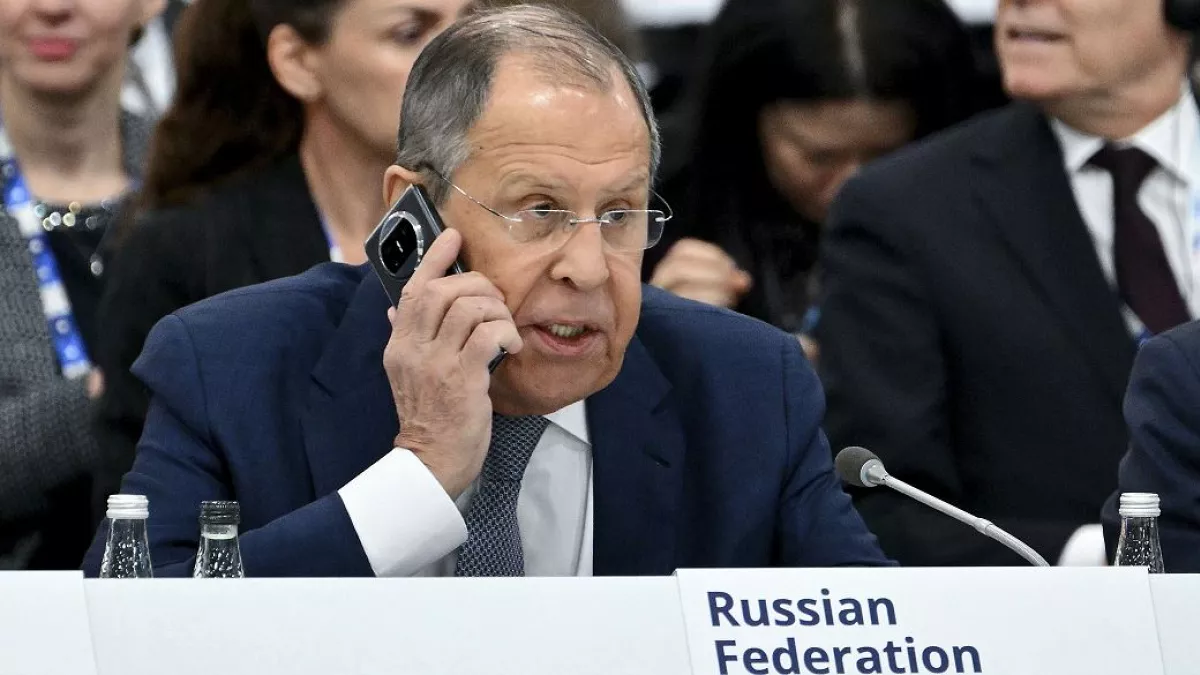
At the OSCE ministerial summit in Malta, US Secretary of State Antony Blinken and other Western foreign ministers criticized Russian Foreign Minister Sergei Lavrov over Russia's invasion of Ukraine. Ukrainian, Polish, and Estonian ministers walked out during Lavrov's speech, with Ukraine's Foreign Minister Andrii Sybiha labeling Lavrov a "war criminal." Lavrov accused the West of provoking conflict and warned of escalating tensions. Blinken countered by highlighting Russia's aggressive actions and emphasized Ukraine's right to self-determination. The OSCE has faced challenges due to Russia's vetoes since the 2022 invasion.
As President Biden's term progresses, Secretary of State Antony Blinken and U.S. allies face challenges in managing ongoing global conflicts. The administration's foreign policy efforts are under scrutiny as they navigate complex international issues.
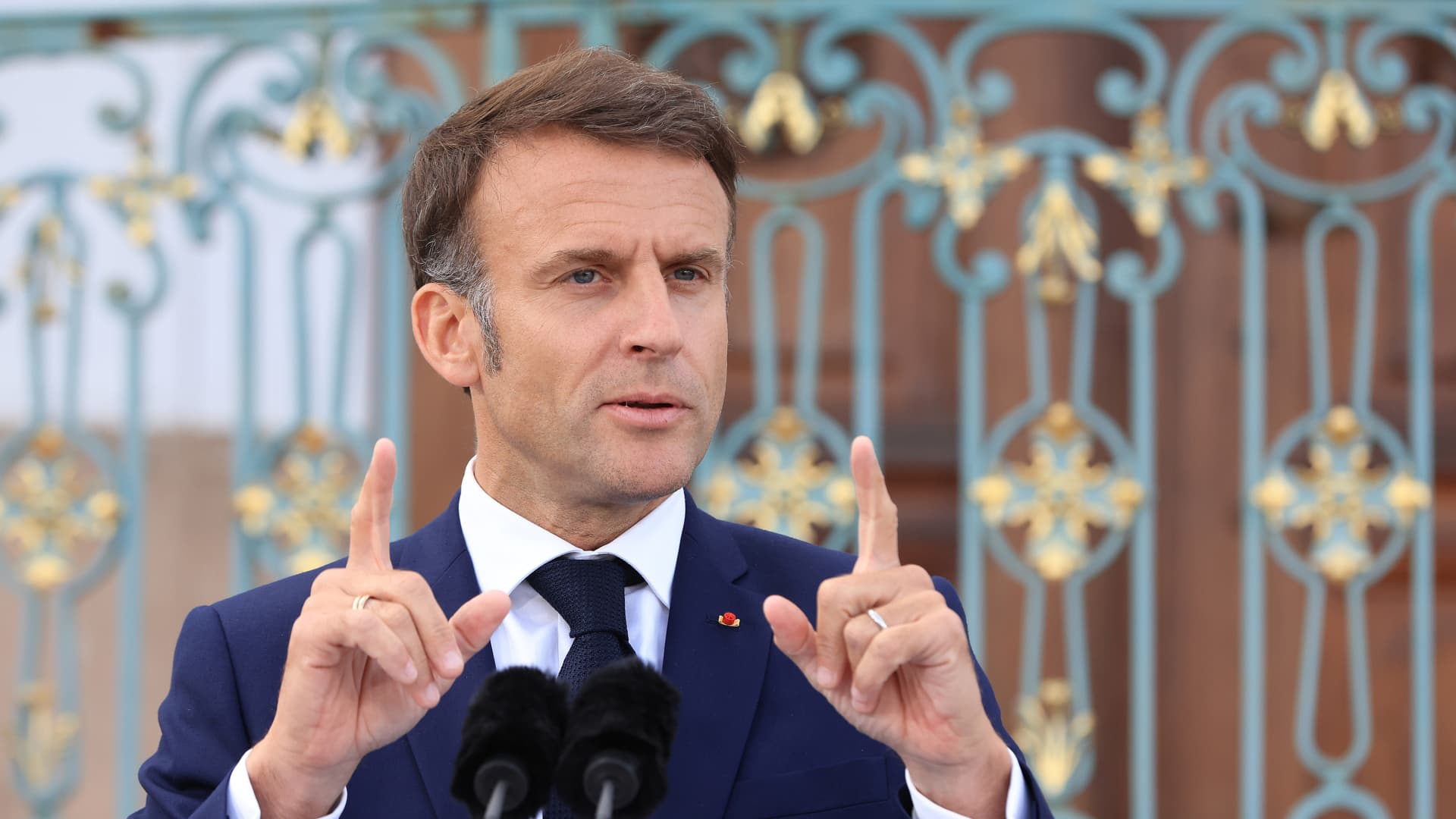
French President Emmanuel Macron stated that Ukraine should be allowed to use Western weapons against Russian military sites targeting Ukraine, a stance supported by German Chancellor Olaf Scholz. Meanwhile, U.S. Secretary of State Antony Blinken is traveling to Moldova to bolster support for Ukraine. Additionally, Sweden announced a significant military aid package for Ukraine, and Belgian police conducted searches related to suspected Russian interference in the European Parliament.
US Secretary of State Antony Blinken informed Israeli Defense Minister Benny Gantz that there are alternative options to a potential invasion of Rafah in response to recent rocket attacks from Gaza. This communication underscores ongoing diplomatic efforts to de-escalate tensions between Israel and Gaza.
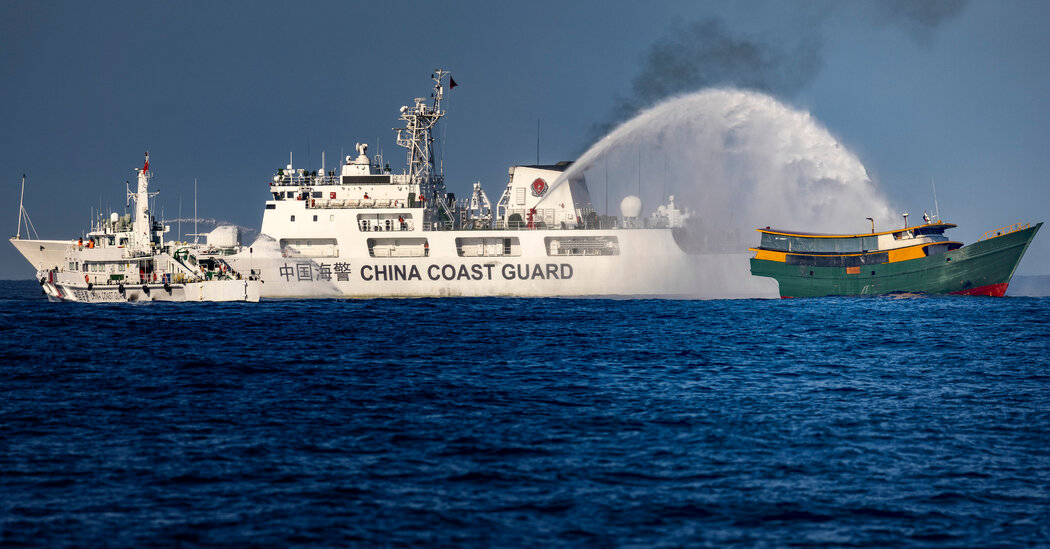
Secretary of State Antony J. Blinken warned China that an armed attack on Philippine vessels in the South China Sea would trigger a mutual self-defense pact between the United States and the Philippines, reflecting rising tensions in the region. While addressing recent Chinese provocations, including ramming Philippine vessels and using water cannons, Blinken emphasized diplomatic measures to deter such actions, signaling robust American support for the Philippines amidst strained relations with Beijing.
US Secretary of State Antony Blinken's recent visit to Israel highlighted the challenges and limitations of US diplomacy in the Middle East, as he faced pressure from both Israeli and Palestinian leaders. Despite expressing support for a two-state solution, Blinken's visit underscored the complexities and deep-rooted issues in the region, including the ongoing Israeli-Palestinian conflict and the broader challenges of US foreign policy in the Middle East.
During a congressional hearing, Democrats questioned Secretary of State Antony Blinken about the "highly unusual" process of approving weapons sales to Israel during the recent conflict with Gaza, expressing concerns about the lack of transparency and consultation with Congress. Blinken defended the decision-making process, stating that the sales were necessary for Israel's self-defense and emphasizing the administration's commitment to consulting with Congress on such matters.
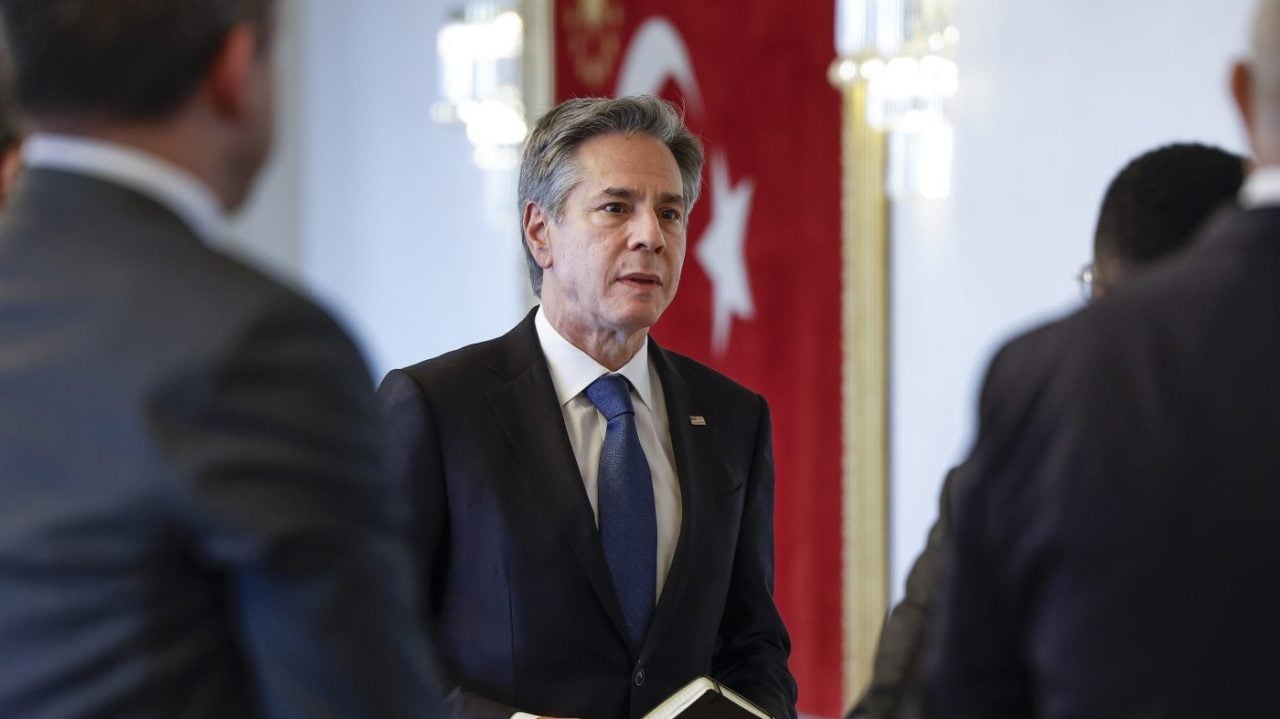
U.S. Secretary of State Antony Blinken warned against the spread of conflict in the Middle East during meetings with Turkish and Greek leaders. In Istanbul, discussions with President Erdoğan and Foreign Minister Fidan focused on the Gaza war, humanitarian aid, and a two-state solution, alongside NATO expansion and the F-16 fighter jet deal. Blinken's trip also includes visits to several Middle Eastern countries to address regional peace and security as tensions escalate with the ongoing Israel-Hamas war and increased militant activity in the region.
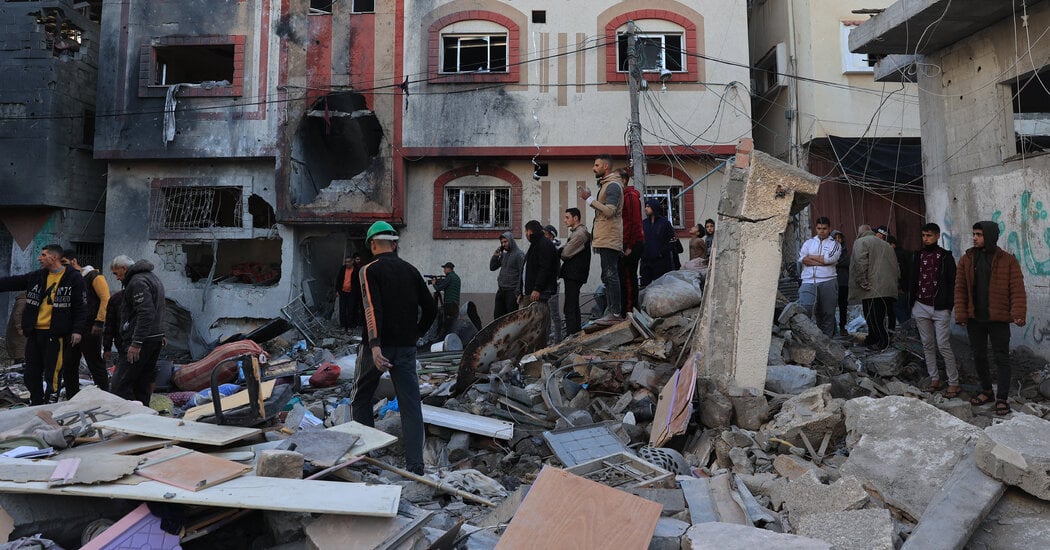
U.S. Secretary of State Antony Blinken is traveling to the Middle East as tensions escalate in the Israel-Gaza conflict, with an estimated 100,000 Palestinians displaced in Gaza. The IDF has intensified operations, and over 20,000 casualties have been reported by Gaza's Health Ministry. Hamas has released over 100 hostages, and a Washington Post video analysis reveals a meticulously planned attack on Israel, exploiting technological vulnerabilities. Additionally, stock traders reportedly profited from the attack, highlighting the conflict's complexity and the historical backdrop of the Israeli-Palestinian tensions.
U.S. Secretary of State Antony Blinken is embarking on a Middle East tour amidst escalating tensions and fears of a wider regional conflict. His agenda includes addressing the Israel-Hamas war, preventing the conflict from spreading, and seeking regional assistance to calm the situation. Recent events, such as the killing of a senior Hamas leader by a suspected Israeli attack and increased attacks by Iran-backed groups, have complicated his mission. Blinken's efforts will focus on increasing humanitarian aid to Gaza, reducing civilian casualties, and deterring attacks from various militant groups, while navigating the challenges posed by the minimal U.S. influence with Iran and the need for regional partnerships.
U.S. Secretary of State Antony Blinken met with Arab nations to discuss the humanitarian crisis in Gaza, shortly after the U.S. vetoed a United Nations Security Council resolution for an immediate cease-fire. Blinken emphasized the shared goal of establishing a future Palestinian state alongside Israel but did not mention a cease-fire. The U.S. veto drew criticism from rights groups and aid organizations, who argued that it would prolong the suffering in Gaza. Meanwhile, Israel conducted a failed rescue mission in Gaza, resulting in injuries to Israeli soldiers and conflicting reports on deaths and hostages. Israel also faced criticism for mass detentions and humiliating treatment of Palestinian men in Gaza. Additionally, the U.S. is considering approving an order for over $500 million in ammunition for Israeli tanks, despite concerns over civilian deaths. The U.S. vetoed the cease-fire resolution, backed by most Security Council members, citing the need to dismantle Hamas before ending the war. The U.N. secretary general warned of a humanitarian catastrophe and instability without a cease-fire.
While US Secretary of State Antony Blinken visited Ankara to seek Turkish assistance on the Israel-Palestine conflict, President Recep Tayyip Erdogan chose to tour the Black Sea region and have tea with locals instead of meeting with Blinken. The meeting between Blinken and his Turkish counterpart, Hakan Fidan, lasted over two and a half hours but lacked a customary post-meeting news conference. Erdogan's decision not to meet Blinken in Ankara has been seen as a snub, as it is a tradition for Erdogan to engage with visiting US secretaries of state. Turkey and the US have divergent views on the conflict, with Turkey becoming increasingly critical of Israel's actions in Gaza. The contents of Blinken and Fidan's meeting remain unclear, but both countries have reportedly reached an agreement to ensure continuous humanitarian aid delivery to Gaza.
US Secretary of State Antony Blinken is set to meet with Arab leaders as heavy fighting continues in Gaza, signaling a diplomatic push to de-escalate the conflict. The meetings come as the violence between Israel and Hamas enters its second week, with no immediate signs of a ceasefire. Blinken has expressed support for Israel's right to defend itself, but has also called for an end to the violence and a path towards a two-state solution. The US is facing pressure to take a more active role in resolving the crisis, with calls for a UN Security Council meeting and international mediation efforts.
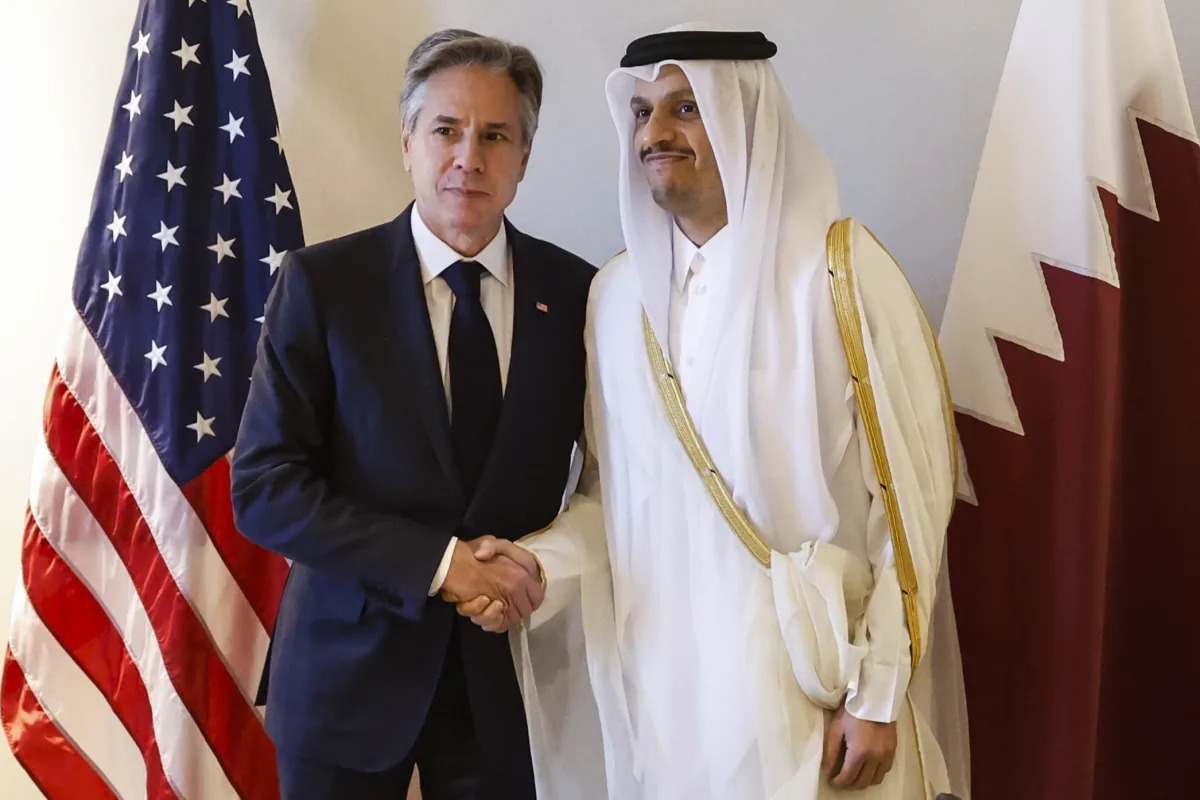
U.S. Secretary of State Antony Blinken is engaging in diplomatic efforts to garner support for planning a post-conflict future for Gaza as the Israel-Hamas conflict escalates. Blinken met with senior Jordanian and other Arab officials, who remain skeptical of Israel as it intensifies its war against Hamas. He also discussed concerns about Hezbollah's potential involvement in the conflict with Lebanon's caretaker Prime Minister. Blinken emphasized the need for humanitarian assistance in Gaza and held talks with Qatar's foreign minister, who has been instrumental in negotiating with Hamas. Arab states have denounced Israel's tactics but have been hesitant to play a larger role in the crisis. The U.S. is seeking Arab backing to address the worsening conditions in Gaza and establish a new governing authority if Hamas is eradicated, although ideas for Gaza's future governance have been met with little enthusiasm.