Ukraine celebrated the release of 100 prisoners of war (POWs) with an Orthodox Easter service, following a prisoner exchange with Russia. The exchange was part of ongoing efforts to end the conflict in eastern Ukraine, which has claimed over 13,000 lives since 2014. The release of the POWs was seen as a positive step towards peace, but tensions remain high between Ukraine and Russia.
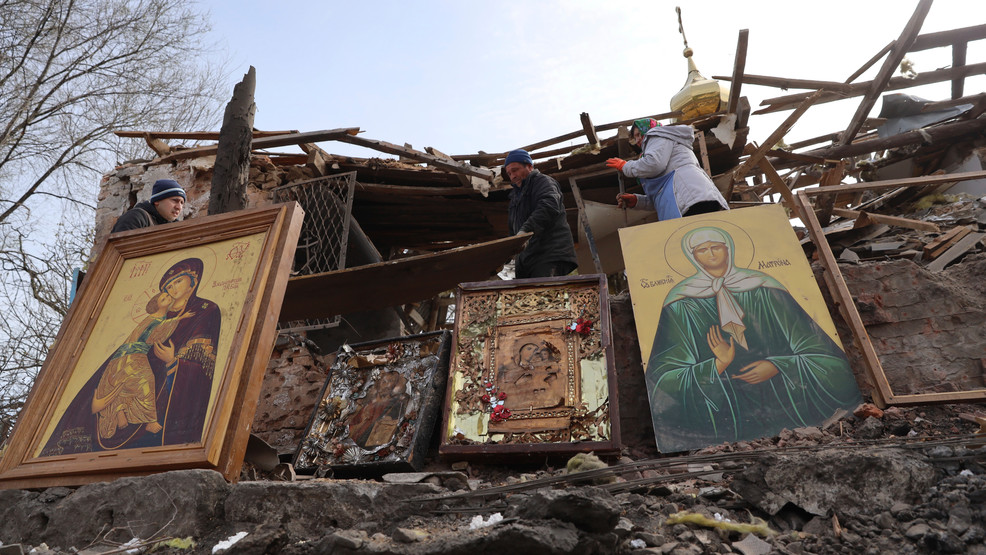
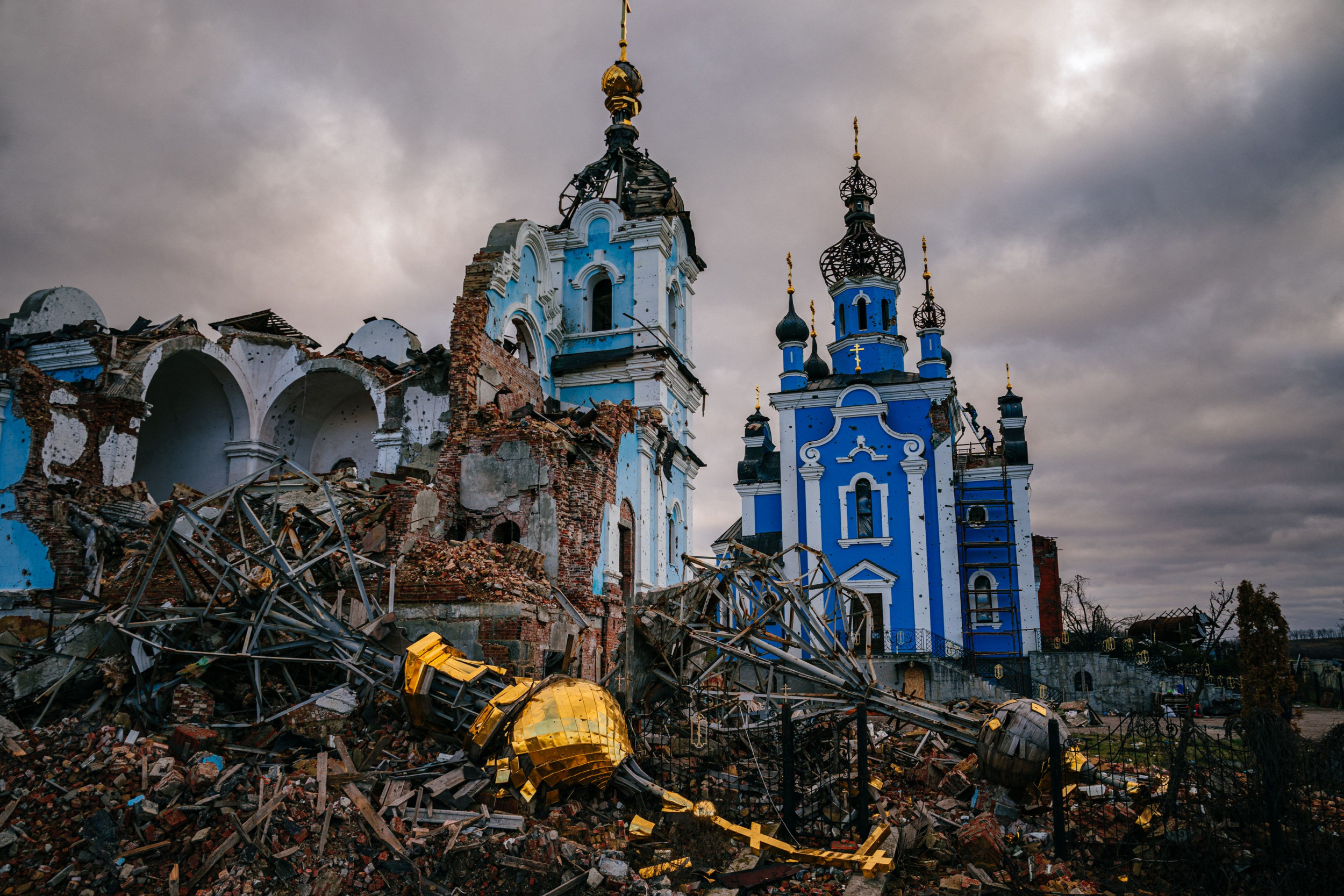
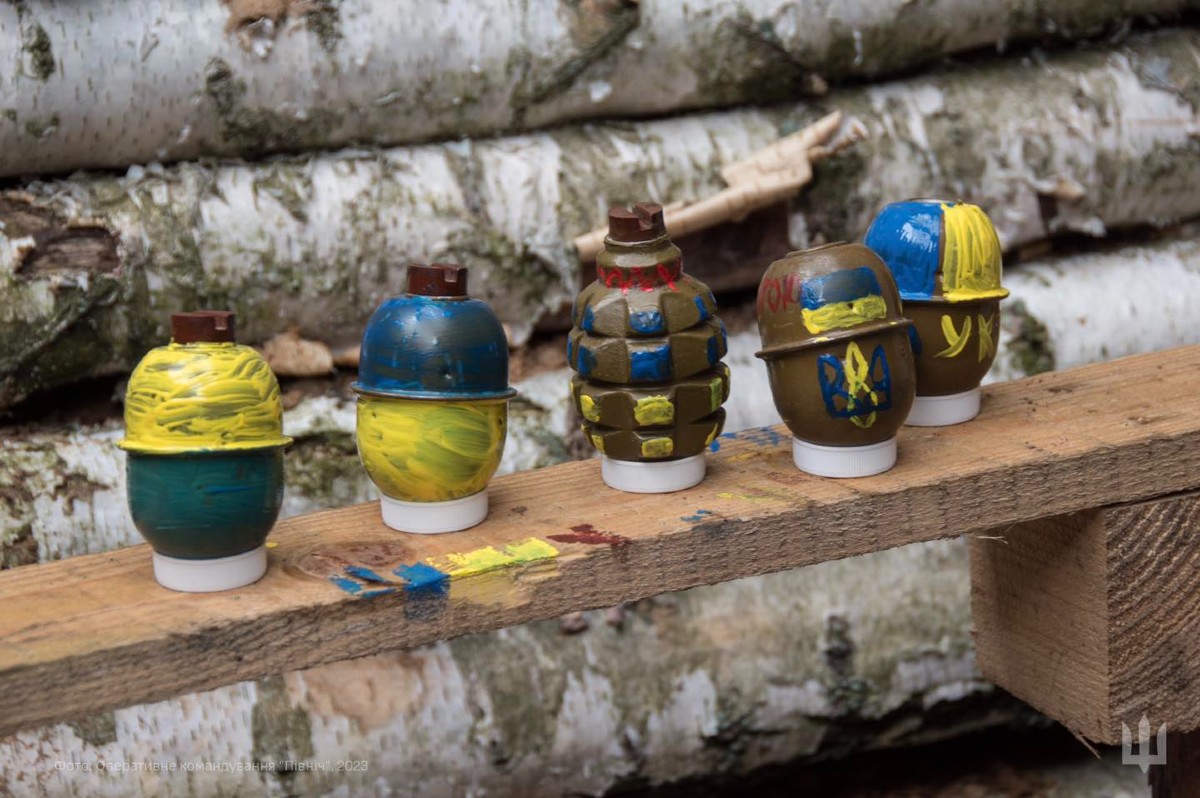
The Russian military allegedly attacked a church in Ukraine on Orthodox Easter, leaving two people injured and damaging several buildings. The attack comes more than a year after Russian President Vladimir Putin launched his "special military operation" on Ukraine. Ukrainian soldiers painted ammunition in Ukrainian national colors to resemble Easter eggs, while the Ukrainian president marked the holiday with an address. The Kremlin dismissed the idea of a ceasefire proposed by a U.S.-based think tank.
Ukrainian troops have painted ammunition, including grenades, in Ukrainian national colors, with many decorated to look like Easter eggs, to mark Orthodox Easter celebrations. Meanwhile, the Wagner Group, a Russian paramilitary unit, released around 100 Ukrainian prisoners of war (POWs) back into Kyiv's hands. Ukrainian President Volodymyr Zelensky's chief of staff called the return of Ukrainian prisoners of war "the Great Easter Prisoner Exchange," although he did not say whether, or how many, captured Russian fighters had been returned to Moscow. The Washington-based Institute for the Study of War (ISW) suggested Putin could use the holiday to propose a ceasefire with Kyiv in a bid to stop a planned Ukrainian counteroffensive, which was quickly dismissed by the Kremlin.
Russia's Wagner Group released over 100 Ukrainian prisoners of war to mark Orthodox Easter, according to a video posted by the group's founder, Yevgeny Prigozhin. President Volodymyr Zelenskiy's chief of staff, Andriy Yermak, said 130 Ukrainian prisoners of war have been released and returned home in a "great Easter exchange". Wagner Group has been gradually pushing out Ukrainian forces from Bakhmut in eastern Ukraine and now claims control of most of the city.
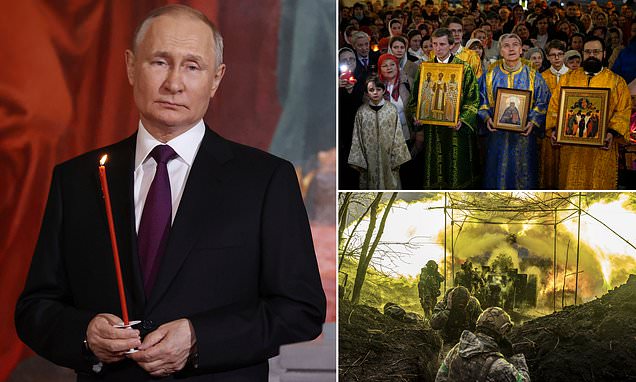
Russian President Vladimir Putin attended an Orthodox Easter service in Moscow's Christ the Savior Cathedral, just days after a US intelligence leak revealed that his top general was readying to 'throw' the war in Ukraine as the Russian leader reportedly undergoes treatment for chemotherapy. The leaked document has prompted a national security investigation in the US and appears to be highly damaging for the Kremlin following the intelligence revelations. The Russian Orthodox Church follows a different calendar, and the service comes after the alleged disclosure of detailed information about troop movements and losses on both sides fighting in Ukraine.
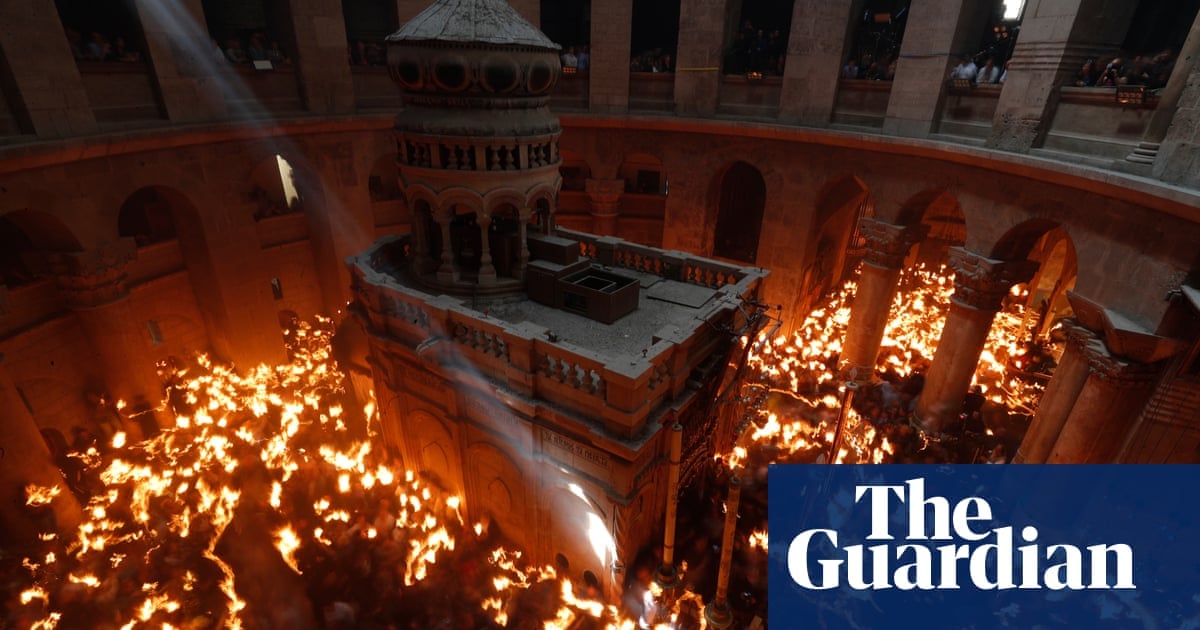
Israeli police limited attendance inside the Church of the Holy Sepulchre in Jerusalem to 1,800 people for the traditional Holy Fire rite ahead of Orthodox Easter due to security concerns, while thousands of Palestinian worshippers and foreign pilgrims gathered outside. The ceremony sees a flame brought from the tomb and passed via candles among worshippers, marking the most important event in the Orthodox calendar. The restrictions have been criticized by many Palestinian Christians as proof of discrimination against them, while Israeli media reported tens of thousands of people turned out for a 15th consecutive week of protests against a controversial government judicial overhaul.