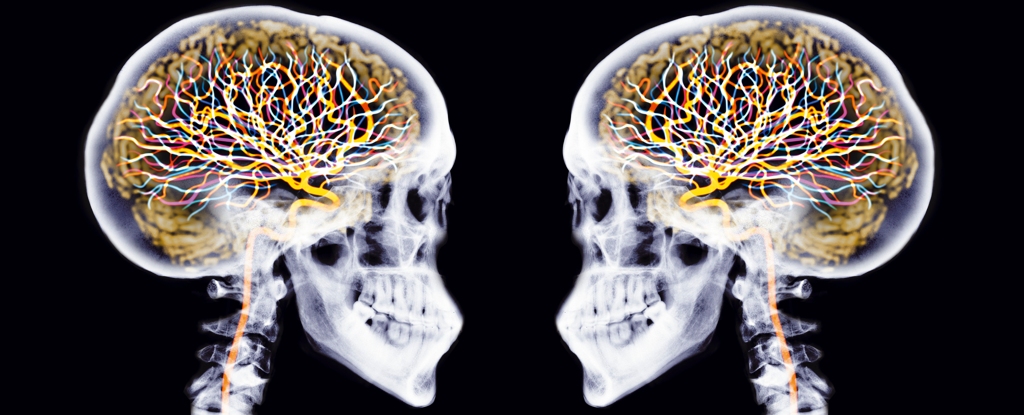
Research from Stanford University indicates that brain age, as measured by a blood test analyzing protein levels, can predict lifespan, with younger brain age associated with longer life and lower risk of diseases like Alzheimer's. The study suggests that brain health is a key factor in longevity, highlighting the importance of understanding and potentially targeting brain aging to improve health outcomes.
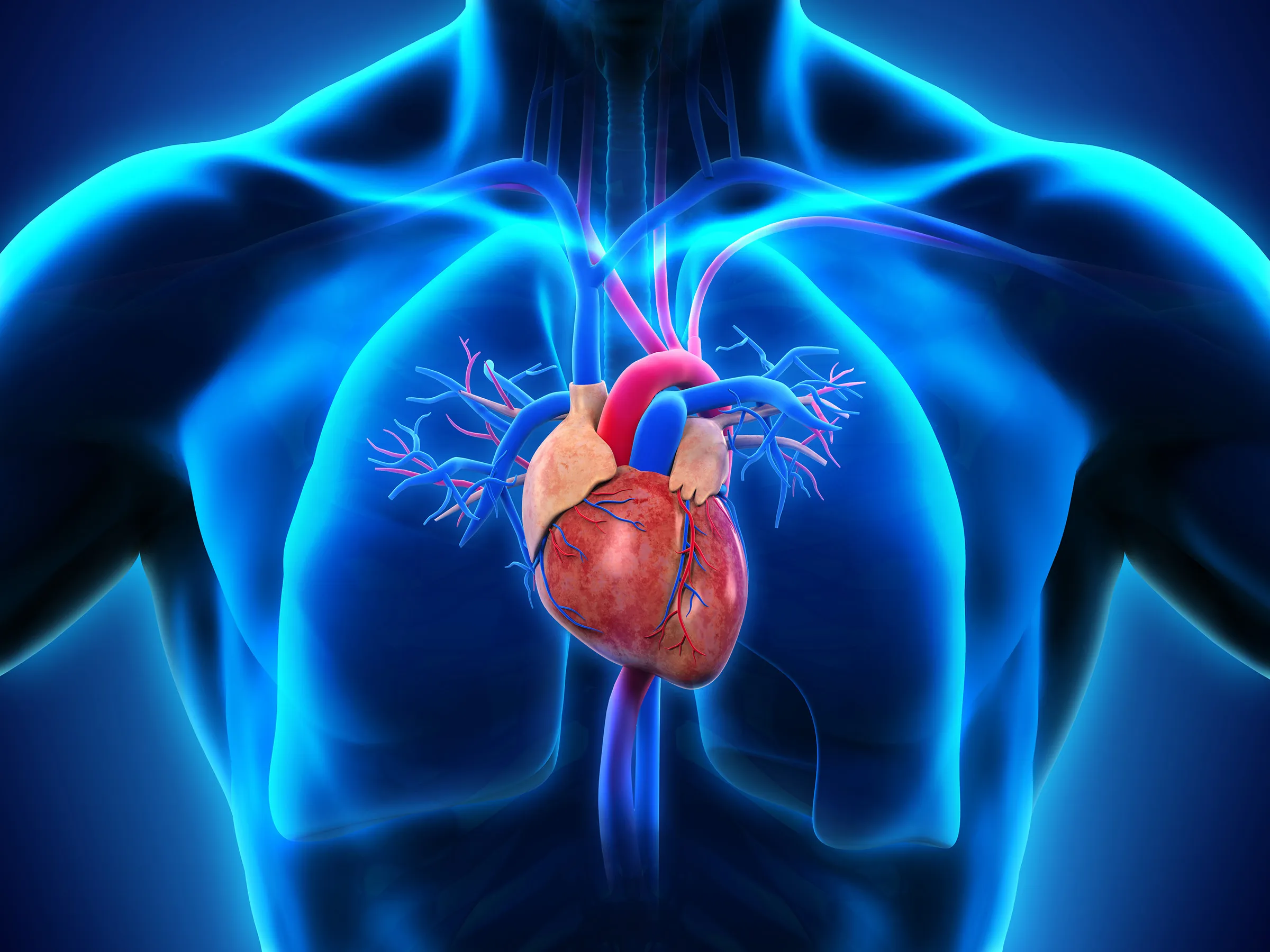
New research reveals that different parts of the body age at varying rates, leading to unique 'biological ages' for each organ. This discovery, facilitated by tools like 'aging clocks' that analyze protein markers, suggests that while one organ may age prematurely, others may remain youthful. The implications are significant, as early aging in organs like the heart or brain can increase risks of diseases such as heart failure and Alzheimer's. Understanding these patterns could lead to targeted treatments to slow aging and improve overall health and longevity.
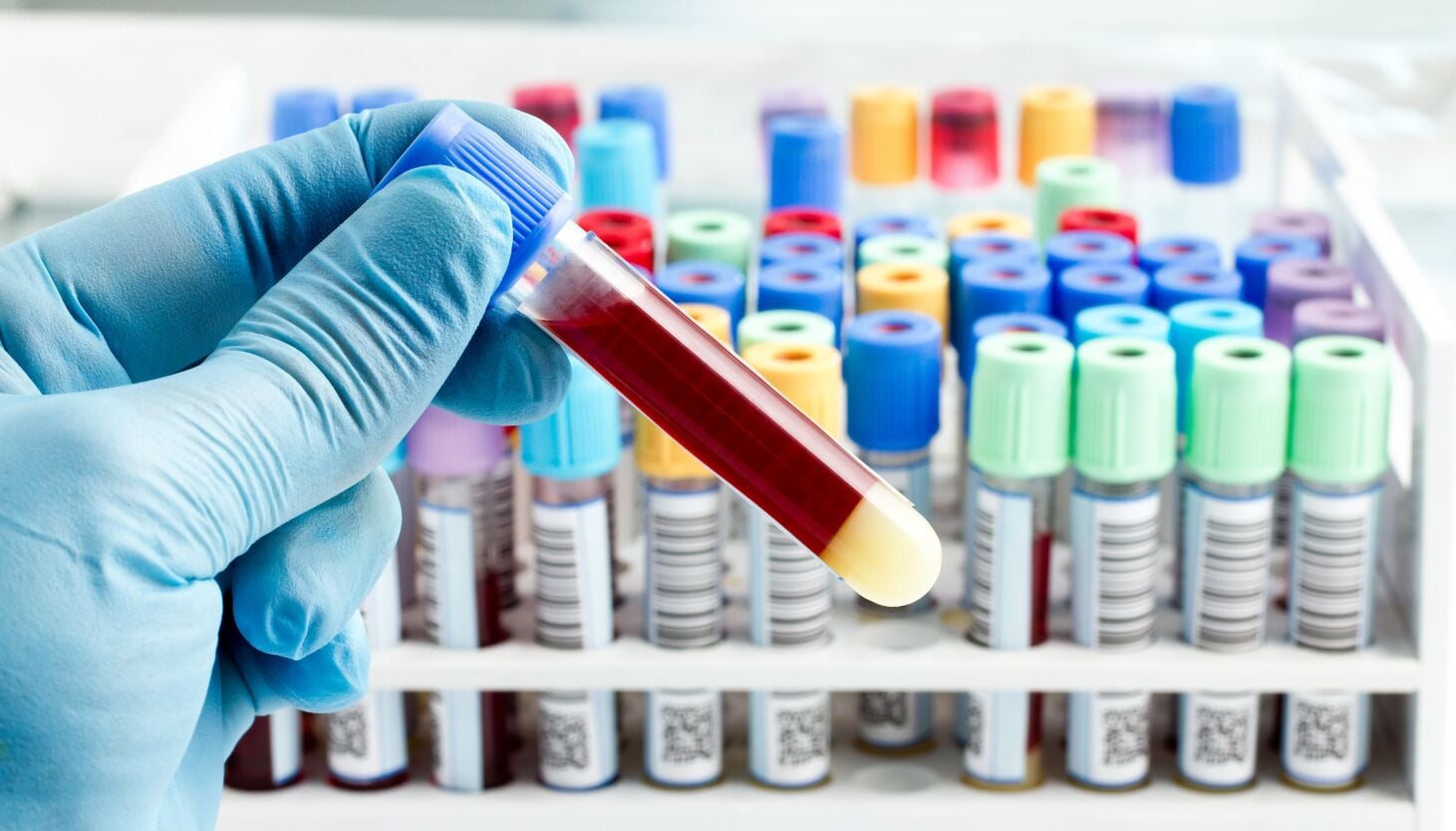
A recent study published in the journal Nature reveals that a simple blood test can identify which organs in apparently healthy individuals are aging at an accelerated rate, putting them at a higher risk of disease and death. By analyzing specialized proteins in the blood, researchers from Stanford University Medicine developed an algorithm to determine the biological age of specific organs. The study found that roughly one in five adults aged 50 or older had at least one organ aging significantly faster than average, increasing their risk of organ-related diseases. The blood test could potentially guide therapeutic interventions and improve prognosis and survival by identifying aging organs before symptoms appear.
Researchers from Stanford Medicine have conducted a study suggesting that a simple blood test could identify organs that are aging faster than the rest of the body, leading to greater risks of associated diseases and complications. By assessing the levels of thousands of proteins in the blood, the researchers were able to estimate the biological age of individual organs in apparently healthy individuals. The study found that those with more than one organ aging quickly had a significantly higher risk of death. The findings could potentially lead to early treatments and prevention measures before symptoms appear.
Diabetes can have a detrimental effect on the liver, causing serious conditions. High blood sugar levels can lead to liver damage, and it is important to be aware of the symptoms in order to protect the organ from the worst effects of diabetes.