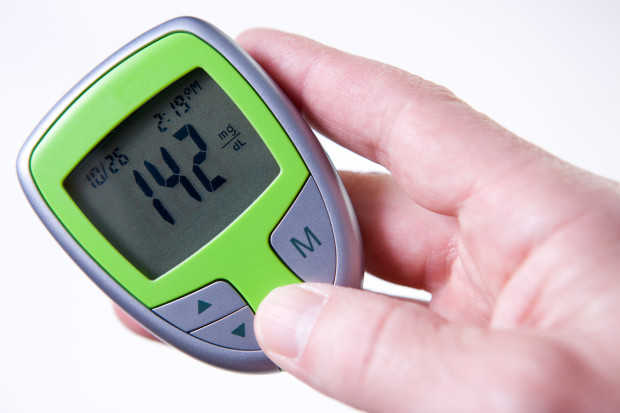
Skipping breakfast may increase the risk of developing metabolic syndrome and its components, such as high blood pressure, high blood sugar, and abdominal obesity, according to a systematic review and meta-analysis. Eating a healthy breakfast could help prevent these health issues and support metabolic health, although more research is needed to establish causality and understand underlying mechanisms.
The article outlines 10 early signs of high blood sugar and insulin resistance, including frequent urination, constant thirst, blurry vision, slow wound healing, tingling in feet, unexpected weight loss, fruity breath, recurring infections, dark skin patches, and extreme hunger, emphasizing the importance of early detection and awareness to prevent serious complications.
The article outlines 11 subtle signs of high blood sugar, such as frequent urination, increased thirst, fatigue, persistent hunger, weight loss, blurry vision, infections, slow wound healing, fruity breath, confusion, and upset stomach, emphasizing the importance of routine screening and prompt medical attention to prevent serious complications like DKA and HHS.
The article outlines 11 silent signs of high blood sugar, such as frequent urination, increased thirst, fatigue, persistent hunger, weight loss, blurry vision, infections, slow wound healing, fruity breath, confusion, and upset stomach, emphasizing the importance of routine screening and prompt medical attention to prevent serious complications like DKA and HHS.
A new study finds that people with metabolic syndrome, which includes high blood pressure, high cholesterol, high blood sugar, and other conditions, are at a higher risk of developing cancer. The research, based in China, studied over 40,000 people with metabolic syndrome and found a 30% increased risk of developing any cancer in subsequent years. The study also highlighted the association between metabolic syndrome and chronic inflammation with specific cancers such as breast, endometrial, colorectal, and liver cancers. The findings emphasize the importance of considering all risk factors holistically and not just relying on BMI as a measure of risk, particularly in populations where diabetes is prevalent without morbid obesity.
A service dog named Spy in Virginia alerted his owners, Shannon and her husband, to their 9-year-old daughter Raelynn's medical emergency. Raelynn, who has Type 1 diabetes, was sleeping when Spy led her parents to her bedroom. They discovered her blood sugar level was dangerously high at 338 mg/dL, well above the recommended range of 90-150 mg/dL. Diabetic alert dogs like Spy are trained to recognize the scent produced by chemical changes in a person's body during hypoglycemia. They can also be trained to retrieve help or emergency supplies. Raelynn was wearing a continuous glucose monitor, but it was still calibrating at the time. The family expressed gratitude for Spy's life-saving alert.
A service dog named Spy in Virginia alerted his owners, Shannon and her husband, to their 9-year-old daughter Raelynn's medical emergency. Raelynn, who has Type 1 diabetes, was sleeping when Spy led her parents to her bedroom. They discovered her blood sugar level was dangerously high at 338 mg/dL, well above the recommended range of 90-150 mg/dL. Diabetic alert dogs like Spy are trained to recognize the scent produced by chemical changes in a person's body during hypoglycemia. They can alert the person with diabetes and even retrieve help or supplies. Raelynn was wearing a continuous glucose monitor, but it was still calibrating at the time. The family is grateful for Spy's life-saving intervention.
Diabetes can have a detrimental effect on the liver, causing serious conditions. High blood sugar levels can lead to liver damage, and it is important to be aware of the symptoms in order to protect the organ from the worst effects of diabetes.
A recent study by the Indian Council of Medical Research (ICMR) revealed that over 100 million Indians suffer from high blood sugar or diabetes. While diet plays a crucial role in managing diabetes, there are certain teas that diabetics can enjoy. Green tea, black tea, chamomile tea, hibiscus tea, and turmeric tea are all beneficial for controlling blood sugar levels. These teas have various health benefits, such as improving insulin resistance, reducing inflammation, promoting good sleep, and aiding in weight loss. However, it is important to consult a doctor for the right amount and type of tea to consume, and diabetics should avoid adding milk, sugar, or sugar-free sweeteners to their tea.
High blood sugar, or hyperglycemia, occurs when there is too much glucose in the blood due to insulin resistance or a lack of insulin. Symptoms include frequent urination, blurry vision, slow healing injuries, fatigue, and more. Risks of high blood sugar include type 2 diabetes, heart attacks, stroke, kidney failure, and more. Lifestyle changes such as eating whole foods, exercising regularly, reducing stress, and improving sleep can help bring down high blood sugar levels. It's important to stay up to date on physical exams and checkups to catch any disease process early.