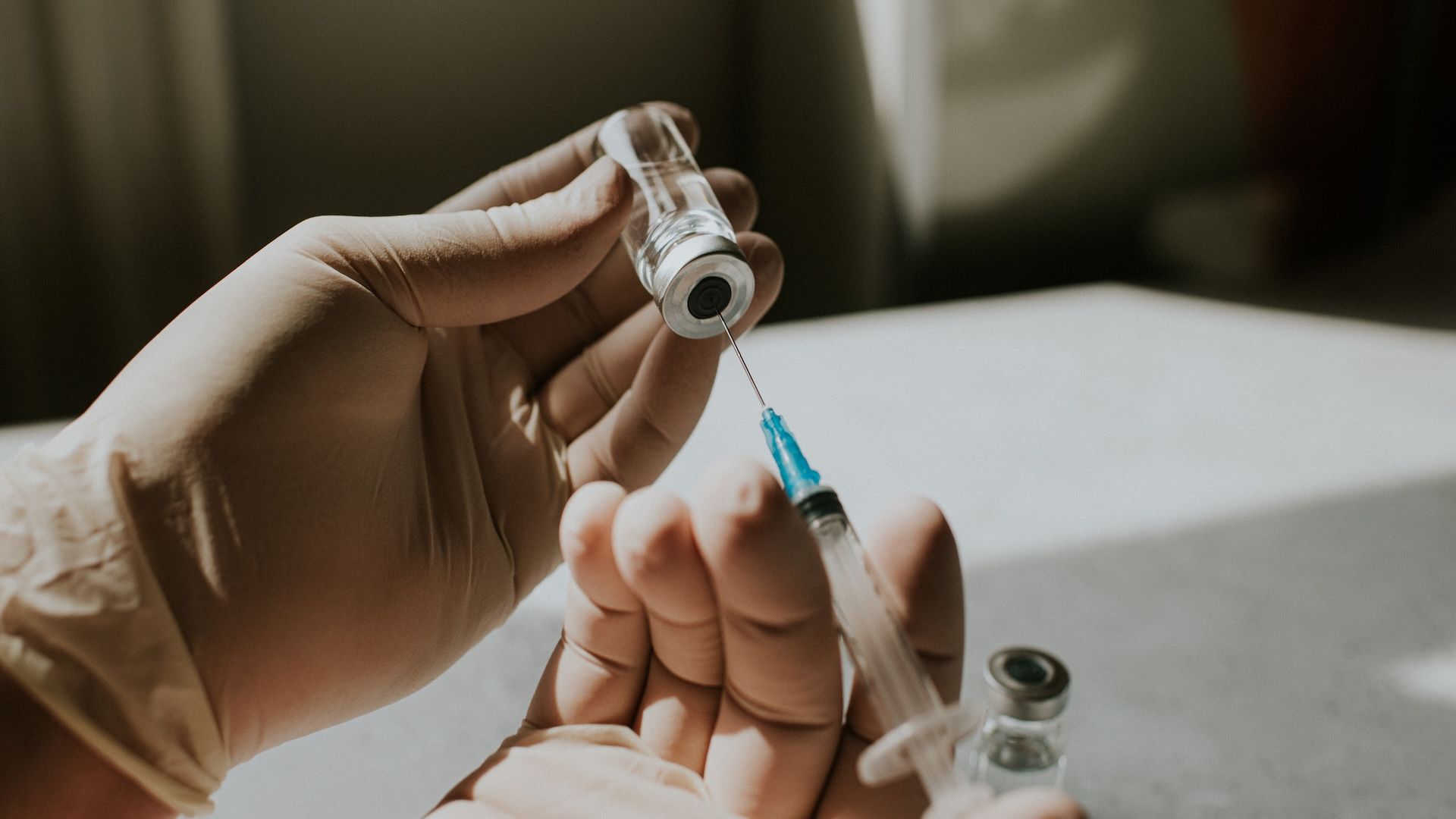
A new fentanyl vaccine, designed to prevent the drug from reaching the brain and causing overdose, will enter human trials in early 2026, offering a potential proactive treatment for opioid use disorder and overdose prevention.
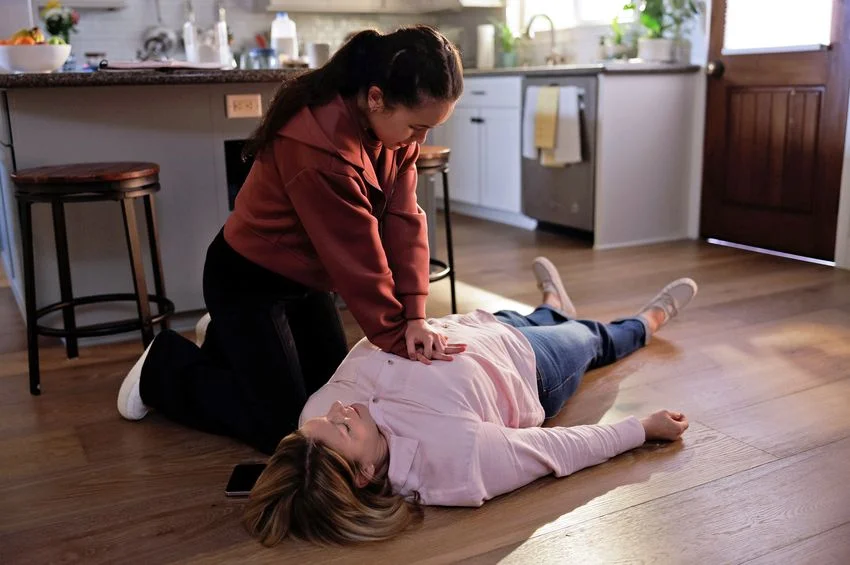
The 2025 American Heart Association CPR guidelines have been updated to include new recommendations for managing choking in children and adults, treating opioid overdoses with public access to naloxone, and simplifying the chain of survival for all cardiac arrests, aiming to improve emergency response and save more lives.
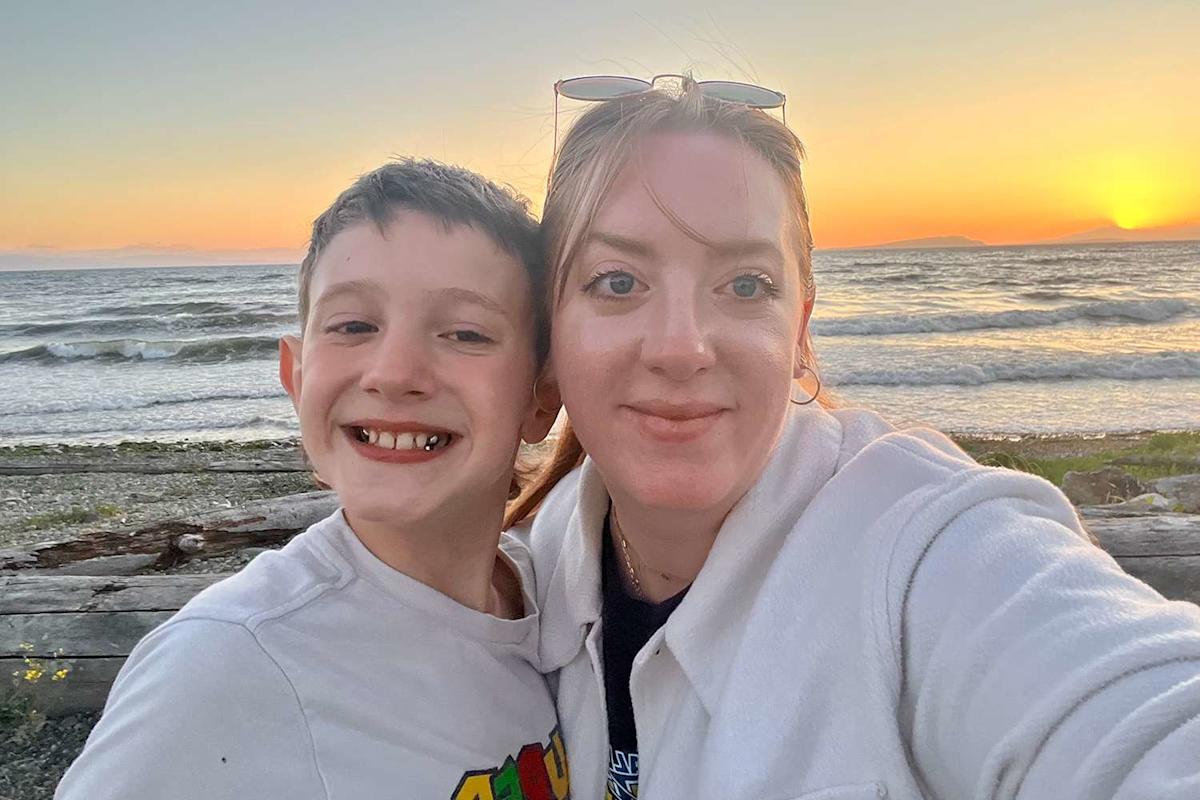
A pharmacy in Comox, BC, mistakenly gave a 9-year-old boy a powerful opioid instead of his ADHD medication, nearly causing a serious overdose. The error was due to human mistake, and the family has filed a complaint, emphasizing the need for stricter procedures to prevent such dangerous mix-ups, especially for children's medications.
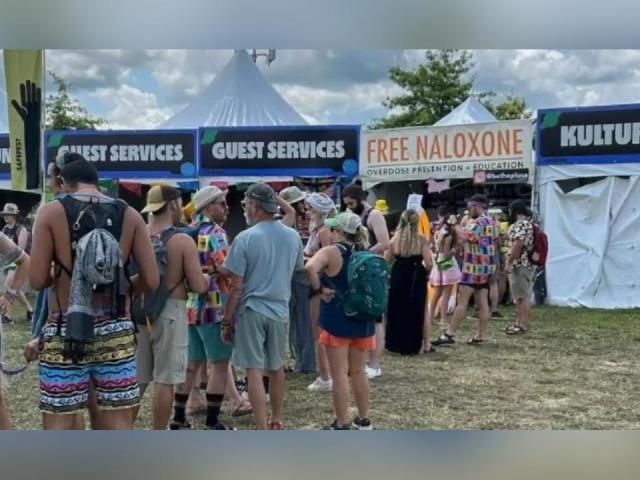
The non-profit organization This Must Be The Place will be providing naloxone kits at the upcoming Dreamville Music Festival to help prevent opioid overdoses, with the goal of normalizing naloxone and other overdose prevention tools. The organization has distributed 50,000 kits resulting in 100 overdose reversals at various events, and aims to make naloxone more accessible and destigmatize its use. This initiative comes amidst increasing efforts to make naloxone more widely available, including in schools and county jails.
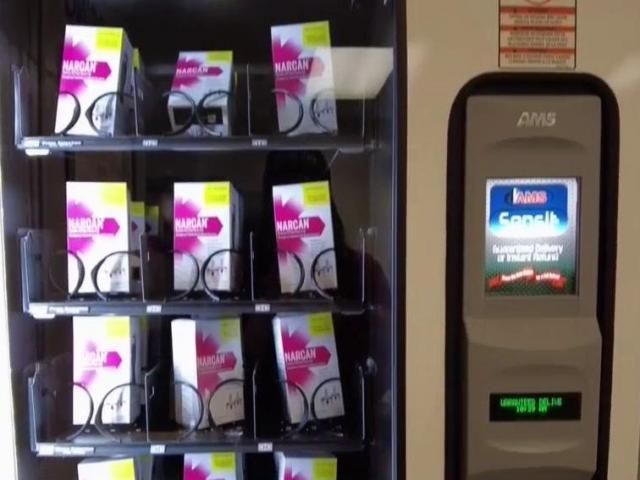
Edgecombe County's first Narcan vending machine has been installed at the local jail, allowing deputies, jail employees, and recently released inmates to access the opioid overdose-reversing drug with the touch of a button. The Edgecombe County Community Paramedic Program is working on placing a second machine for free public access. The initiative aims to protect vulnerable populations and reduce the stigma surrounding overdoses, with hopes of expanding the availability of Narcan throughout the county.
Police suspect that Kouri Richins, accused of murdering her husband and altering a life insurance policy, may not have acted alone, pointing to parallels with an incident involving her mother, Lisa Darden, whose partner died of an overdose. Detectives describe Darden's "disdain" for her son-in-law and suggest she may have been involved in planning and orchestrating the husband's death. Richins has pleaded not guilty, while her attorney argues that Darden's former partner's death due to opioid addiction is common and not suspicious. Darden has not been charged in the case.
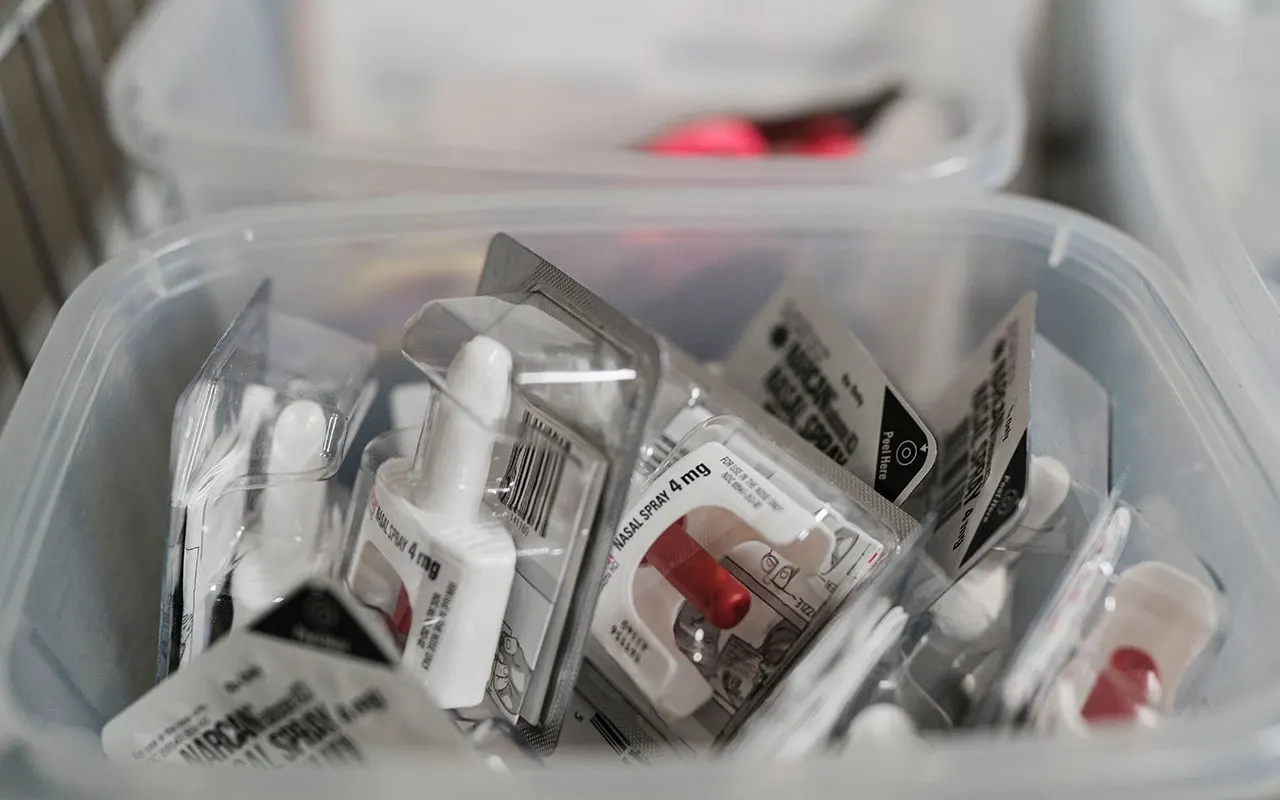
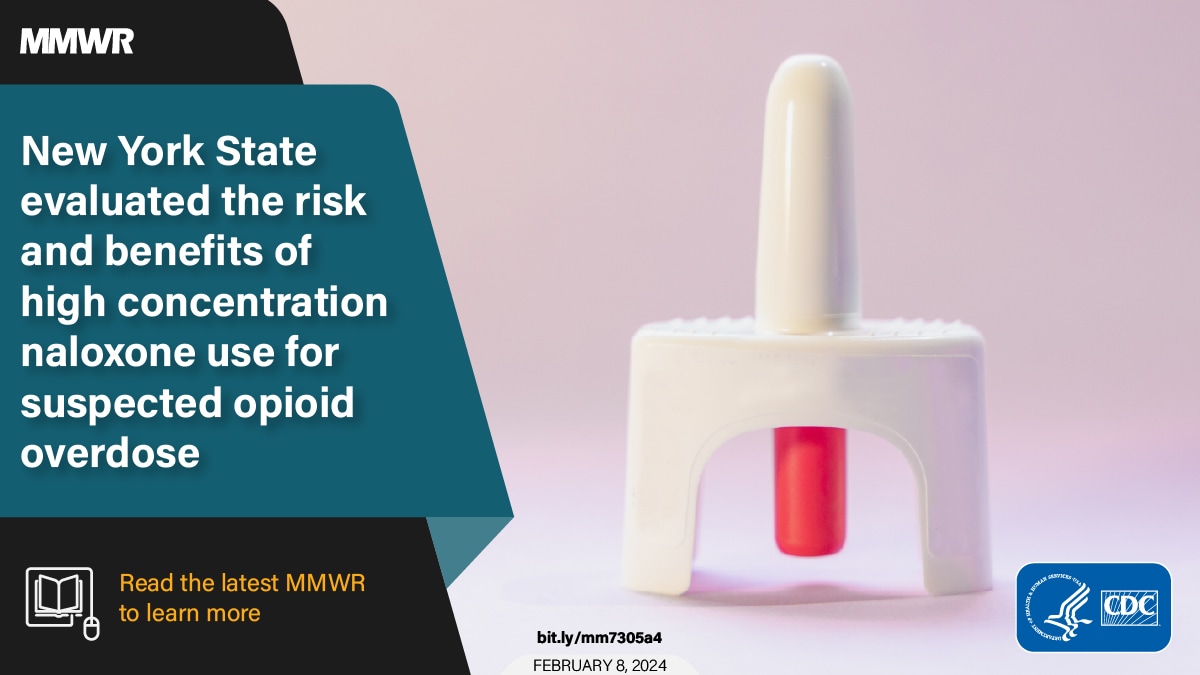
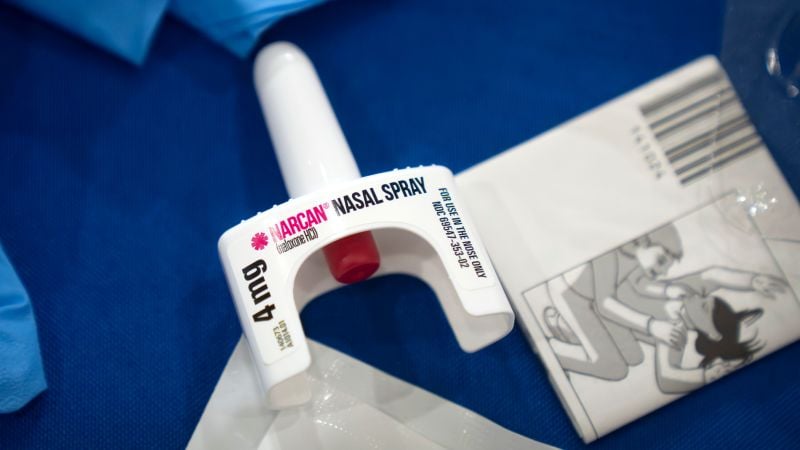
A study comparing a new, higher-dose naloxone nasal spray for opioid overdoses to the standard dose found no increase in survival rates but more side effects, with the 8-milligram spray causing more vomiting and withdrawal symptoms. The study, published by the CDC, revealed that survival rates remained the same regardless of the dose administered. Experts caution that the potential for increased side effects from the higher-dose spray could contribute to future overdose deaths, emphasizing the importance of having witnesses who can administer naloxone and call for help.
A study compared the administration of 8-milligram and 4-milligram intranasal naloxone by law enforcement during responses to suspected opioid overdoses in New York from March 2022 to August 2023. The study found no significant differences in survival or the number of doses administered between the two formulations, but recipients of the 8-milligram product had a higher prevalence of opioid withdrawal signs and symptoms, including vomiting, compared to those who received the 4-milligram product. The findings suggest that there are no benefits to law enforcement administration of higher-dose naloxone, and more data are needed to determine whether the 8-milligram intranasal naloxone provides added benefits.
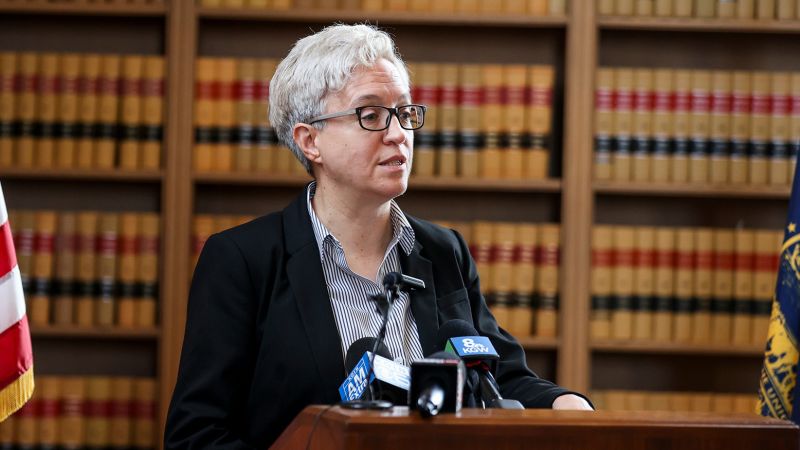
Oregon leaders, including Gov. Tina Kotek, declared a 90-day state of emergency in downtown Portland to address the deadly fentanyl crisis, citing a significant increase in opioid overdose deaths. The emergency order will allocate resources for public health campaigns, increased outreach for treatment and recovery services, and collaboration between law enforcement agencies to hold drug sellers accountable. The move comes in response to a surge in fentanyl-related deaths and overdoses, with the state experiencing a drastic increase in opioid overdose deaths from 280 in 2019 to 956 in 2022.
Indianapolis Colts owner Jim Irsay was found unresponsive and struggling to breathe at his home last month, prompting police to administer Narcan, an opioid overdose antidote. Irsay, who has openly discussed his struggles with addiction, was being treated for a severe respiratory illness at the time of the incident. The Colts have requested privacy for Irsay and his family as he continues to recover.
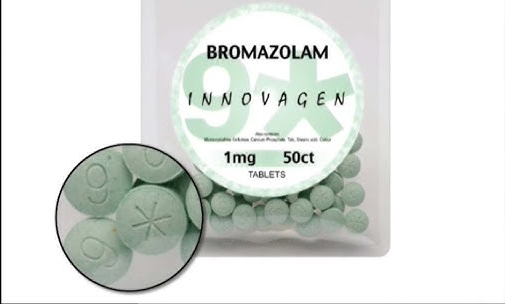
The Hamilton County Coroner in Indiana has issued a warning about a dangerous new drug called Bromazolam, a designer benzodiazepine similar to fentanyl. The drug is being mixed with fentanyl and other opioids, leading to an increased risk of overdoses. Adverse side effects include loss of coordination, dizziness, drowsiness, blurred vision, slurred speech, muscle relaxation, difficulty breathing, amnesia, and death. The drug has already been found in large numbers in Ohio and Illinois and is now emerging in Indiana. Health officials urge those struggling with addiction to seek help, and resources are provided for assistance.
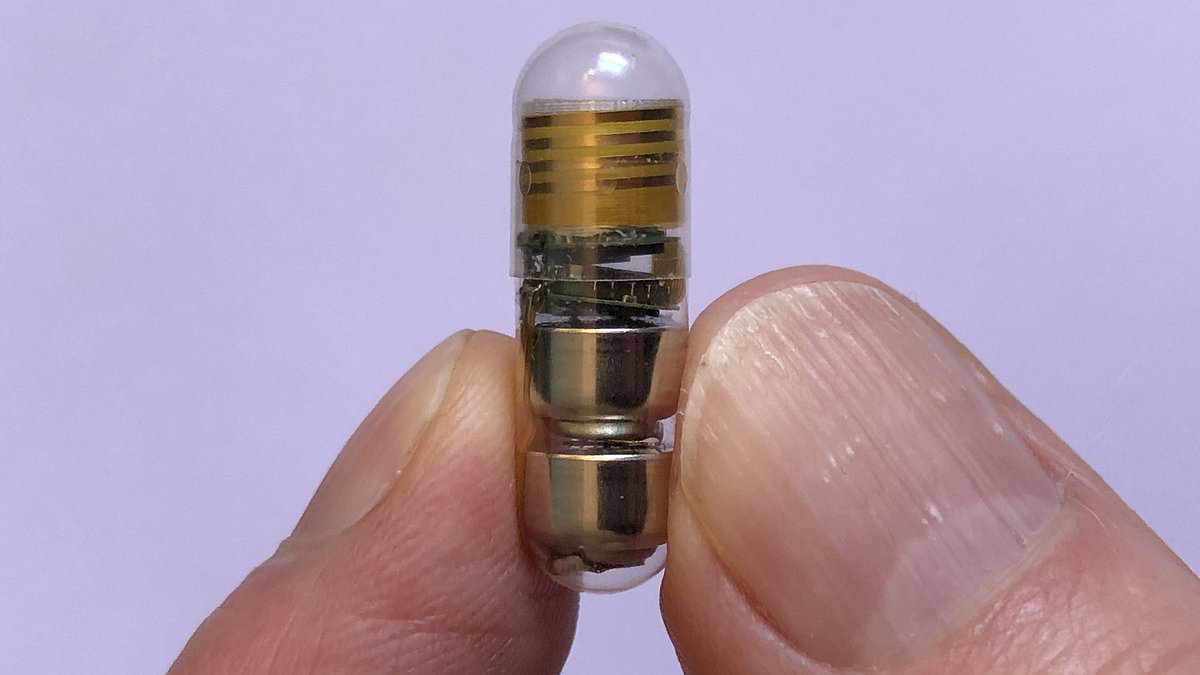
A new pill-sized device has successfully cleared human trials, demonstrating its ability to monitor vital signs such as breathing and heart rate from inside the body and transmit data to an external device. The device has the potential to provide life-saving care for people at risk of opioid overdose and could also help those with sleep disorders. Unlike implantable devices, ingestible devices like this one are easy to use and do not require surgery. The device has been tested in humans and showed accurate monitoring of breathing and heart rate. The team hopes to upgrade the device to automatically deliver drugs to reverse conditions like opioid overdose.
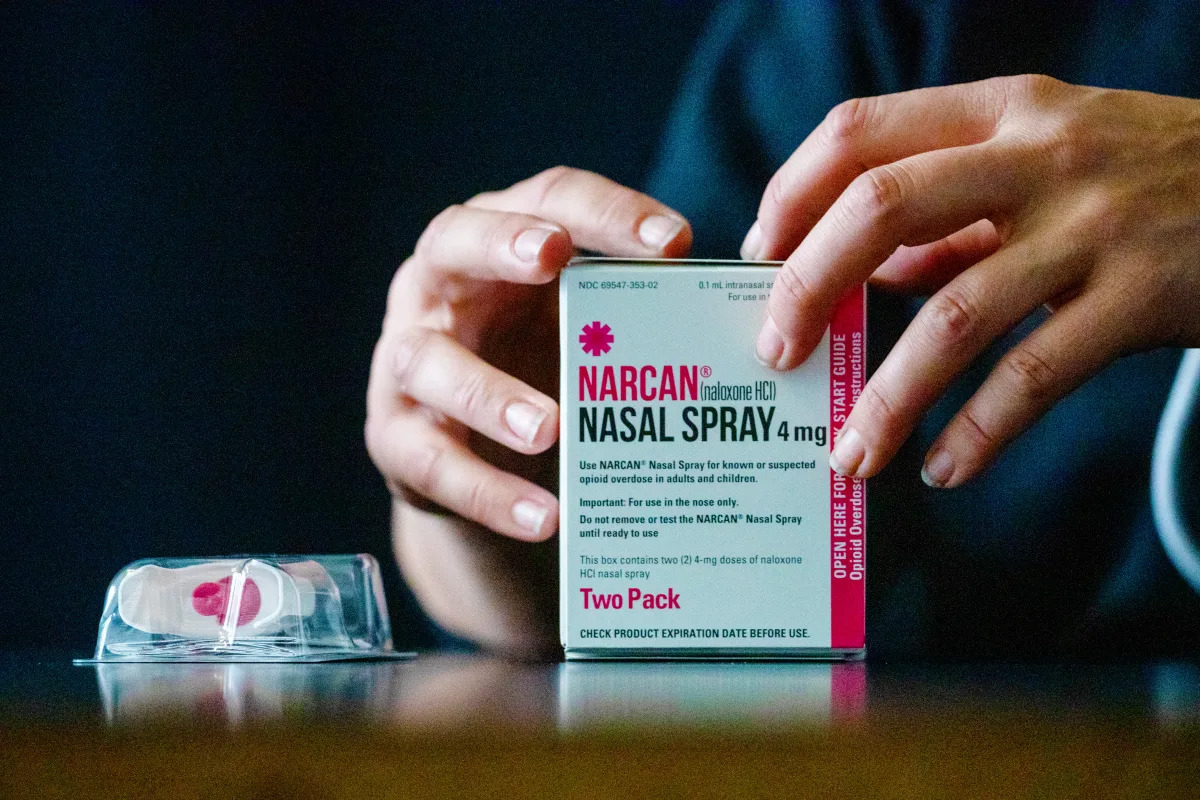
The availability of Narcan, an over-the-counter medication that can reverse opioid overdoses, may not significantly expand access due to factors such as unpredictable retail prices, sporadic availability, and the need to ask a pharmacist for it. Experts argue that while the move is a step in the right direction, it falls short of addressing the urgent need to prevent fatal overdoses. Affordability is another concern, as the suggested price of $44.99 for a two-dose pack may be too steep for many consumers. Nonprofit organizations and harm reduction programs may need to continue distributing Narcan for free to reach a larger population. Additionally, efforts are being made to educate Latino immigrants, who are disproportionately affected by fentanyl deaths, about Narcan and its use.
Narcan, a medication that rapidly reverses the effects of opioids and can save someone from a fatal overdose, is now available over the counter in stores across Minnesota. Previously, it was only accessible in pharmacies, but now it can be found in places like grocery stores, convenience stores, gas stations, and online. The availability of Narcan without a prescription aims to address the increasing opioid-involved overdose deaths in the state. Major retailers such as CVS, Walgreens, Walmart, and Target carry the over-the-counter nasal spray, and other businesses can also choose to sell it. The cost of Narcan spray is around $44.99 for a pack with two doses, and while most major insurance providers partially cover it, coverage may vary now that it's available over the counter. Free Narcan can be obtained at syringe exchange programs, although they are more likely to offer injectable Narcan instead. It is recommended that individuals who take opioids, use drugs that can be contaminated with fentanyl, or are in close proximity to those in these categories carry Narcan as a precautionary measure. Training on how to use Narcan is available through various resources.
A recent poll conducted by Yahoo News/YouGov found that 60% of Americans have no plans to purchase Narcan, an over-the-counter nasal spray that can reverse the effects of an opioid overdose. The survey also revealed that only 28% of respondents had heard a lot about Narcan, while 43% had some awareness, and 29% had heard nothing at all. The main reason cited for not considering purchasing Narcan was the belief that they would never need it. Experts emphasize the importance of naloxone access and education, particularly for those at risk of opioid overdose, and hope that increased awareness and availability will eventually lead to more affordable and widespread use of the medication.