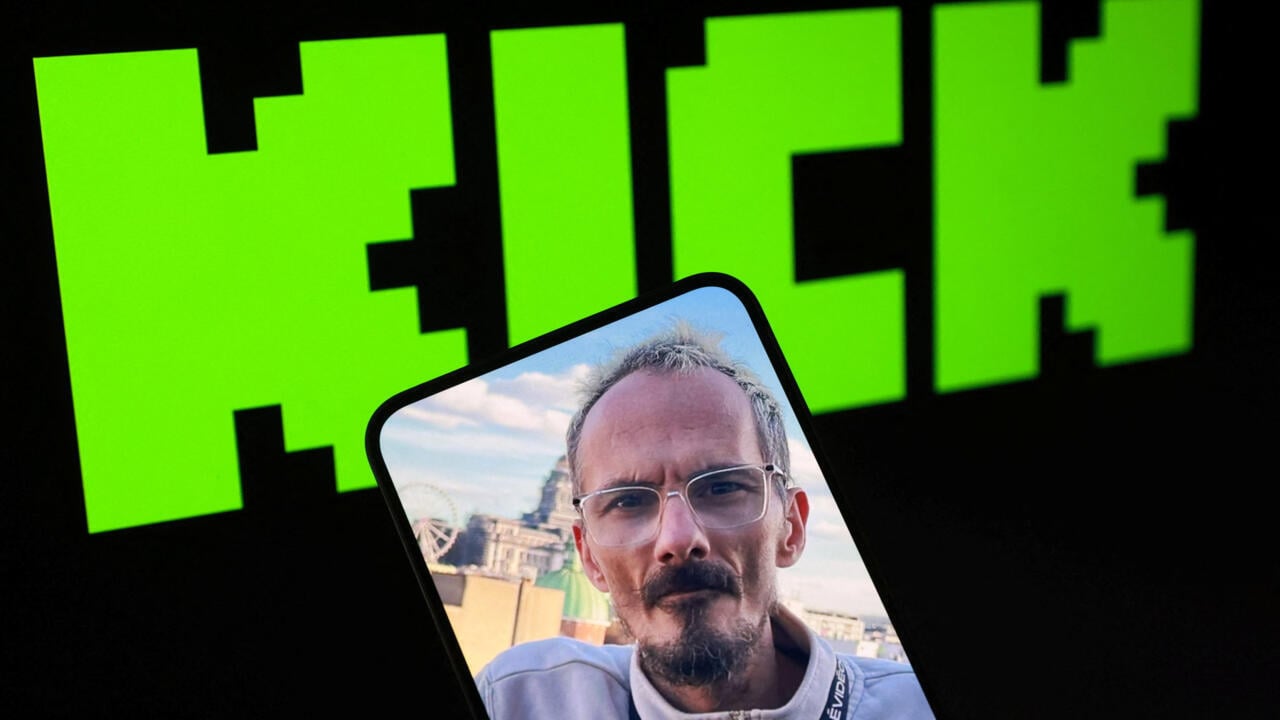
France plans to sue Australian streaming platform Kick for negligence after a French streamer died during a marathon livestream, with authorities investigating whether the platform failed to prevent dangerous content and complied with EU content moderation laws.
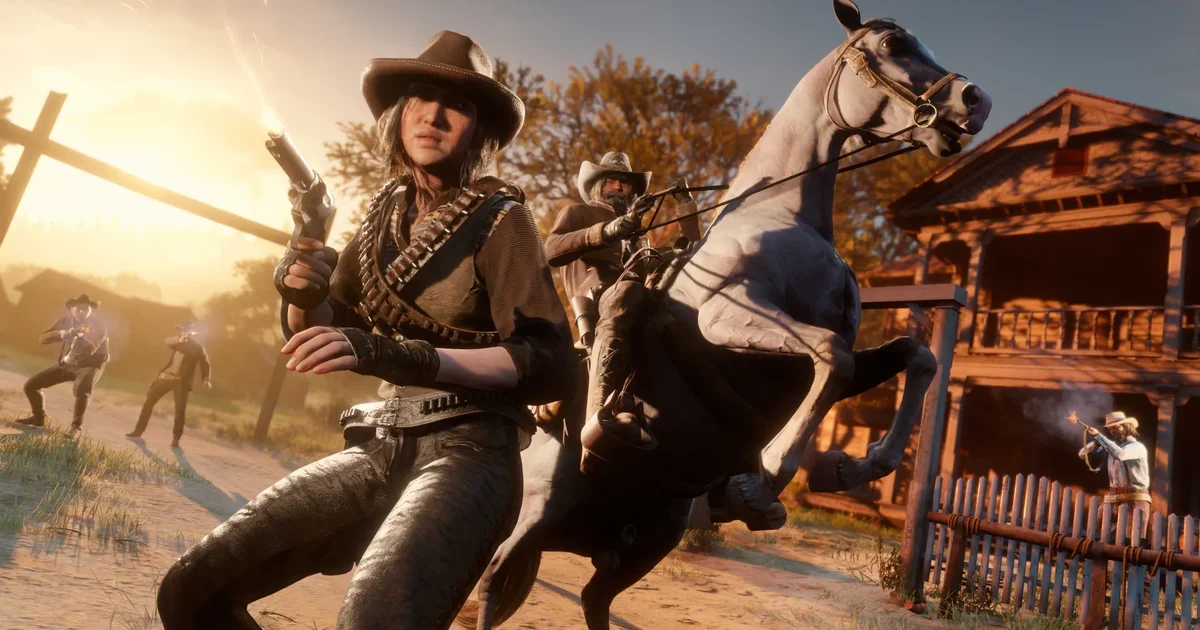
Rockstar Games has released the first significant update for Red Dead Redemption 2 in 18 months, but it disappointingly lacks new content and visual upgrades for newer console hardware. The update, available for PC, PlayStation 4, and Xbox One, includes general fixes for Red Dead Online and bug squashing, with voice chat defaulting to off and HDR10+ Gaming support for PC. Despite the game's massive success, fans express frustration over the lack of new online content and quality of life updates, hoping for improvements such as a 60fps patch.
The European Union has launched a formal investigation into TikTok over potential breaches of online content rules, focusing on issues such as protecting minors, transparent advertising, addictive design, screen time limits, and privacy settings. The investigation comes under the new Digital Services Act (DSA) and could result in fines of up to 6% of TikTok's global turnover if found guilty. TikTok has stated its commitment to working with experts to ensure the safety of young users and looks forward to explaining its efforts to the European Commission. This marks the second DSA investigation after Elon Musk's social media platform X faced scrutiny in December.
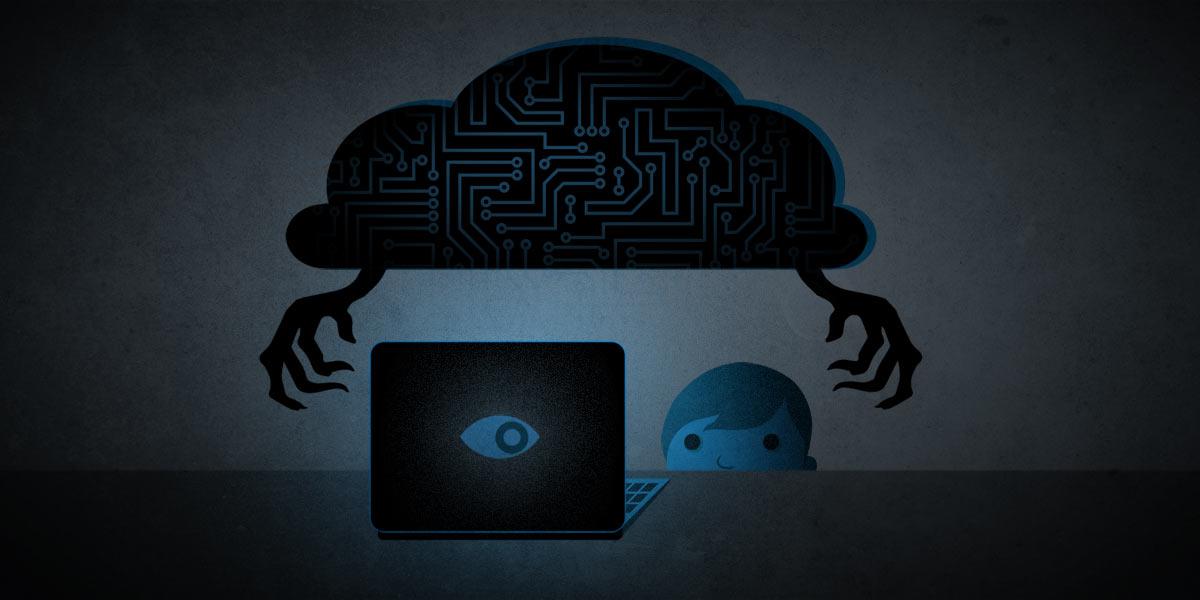
The latest version of the Kids Online Safety Act (KOSA) remains a dangerous censorship bill that empowers state officials to target online content they don't like, posing a threat to minors' access to lawful speech and information. Despite some changes, KOSA still raises First Amendment concerns and could harm vulnerable communities, including LGBTQ+ youth and those seeking mental health and reproductive rights information. The bill's "duty of care" provision and enforcement by state attorneys general continue to pose censorship risks, prompting the EFF to urge people to oppose the bill and demand that their representatives do the same.
The creator economy, valued at $250 billion globally, has transformed the labor force, with millions of people working as online creators and content-makers. However, the U.S. government has yet to regulate this industry, leaving creators without oversight or protection. While the rise of creators has allowed for greater diversity of voices and expression, it has also led to the spread of misinformation, fragmented public discourse, and a constant need for attention-grabbing content. Many creators struggle with unpredictable income, demanding workloads, and intense competition. The industry has reshaped American culture and become a mainstream career aspiration, but the lack of regulations and support pose challenges for creators and society as a whole.
The European Union's Digital Services Act (DSA) comes into force, imposing stricter rules on big tech companies to police digital content and protect users from disinformation and hate speech. Companies failing to comply risk heavy fines. The DSA applies to platforms with at least 45 million active monthly users, including Amazon, Apple, Google, and social media giants like Instagram, LinkedIn, Pinterest, Snapchat, TikTok, Twitter, and YouTube. Despite legal challenges, companies are expected to rush to comply. The EU will also introduce the Digital Markets Act (DMA) next month, targeting tech companies that must obey tougher competition rules. The DSA's impact may extend beyond Europe, and more intense regulatory scrutiny is expected in the future.
Russia has fined Google 3 million rubles for not removing what it considers fake news about the war in Ukraine from YouTube, despite being ordered to do so. This comes as part of Russia's increased efforts to control online content that does not align with its narrative. Google has previously been fined for similar reasons and has scaled down its activities in Russia due to Western sanctions and pressure from the Ukrainian government.
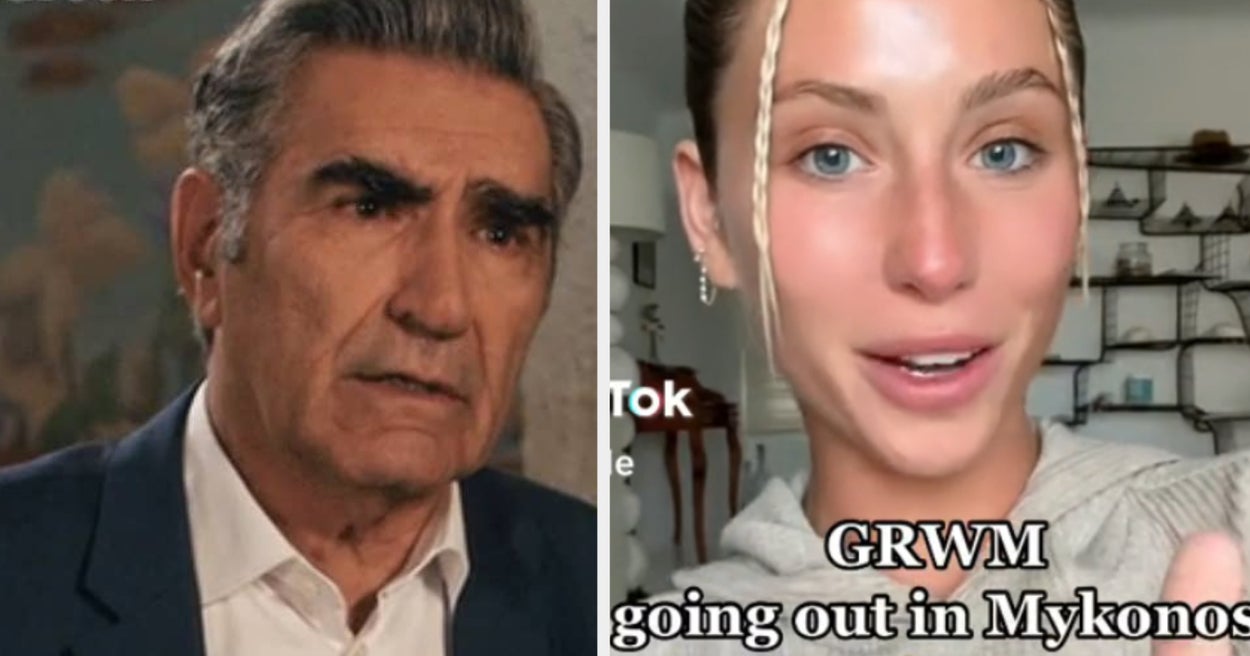
Older people are sharing their confusion about younger people's trends, including TikTok dancing, FaceTiming instead of calling, sharing everything on social media, acting dumb, creating too much online content, filming strangers without consent, unboxing videos, over-the-top fake eyelashes, Mukbang videos, Snapchat and location sharing.
Google is adding an "about this image" option to its image search function, providing users with information about when the image was first indexed, where it has appeared online, and whether it has been fact-checked. The feature will help users identify AI-generated or manipulated images. The tool does not currently detect image manipulation, but Google is researching ways to do so. The feature will launch in the US in the coming months and will include a markup in the original file to add context about its creation wherever it's used.
YouTube will lift its restrictions on former President Trump's channel, allowing him to post new videos and buy YouTube ads for his campaign. The restrictions were put in place after Trump's account violated YouTube's policies for inciting violence following the January 6 insurrection. The channel will continue to be subject to YouTube's policies, and some videos that violated those policies will not be restored. Other Big Tech platforms, including Facebook, Instagram, and Twitter, have also reinstated Trump's accounts in recent months.