The article discusses how digital media companies are turning to creator-focused subscription platforms like Substack and Patreon to find sustainable audiences, amid a landscape where traditional news and search referral traffic are declining due to AI and changing consumer habits, highlighting a shift towards authenticity and parasocial relationships in media.
Facebook has revamped its monetization policy to pay creators based on post performance, leading many influencers to treat the platform as a major income source, with some earning six figures monthly, especially through short videos and engaging content.
Forbes' 30 Under 30 Social Media 2025 list highlights young innovators transforming the digital landscape through content creation, advocacy, and research. Notable figures include Drew Afualo, a TikToker advocating for women's empowerment, and Carlos Espina, who supports immigrants through his nonprofit. The list also features creators like Joel Bervell, who educates on racial disparities in medicine, and Kahlil Greene, who shares overlooked histories. These changemakers are influencing laws, promoting inclusivity, and developing tools to improve our relationship with social media.
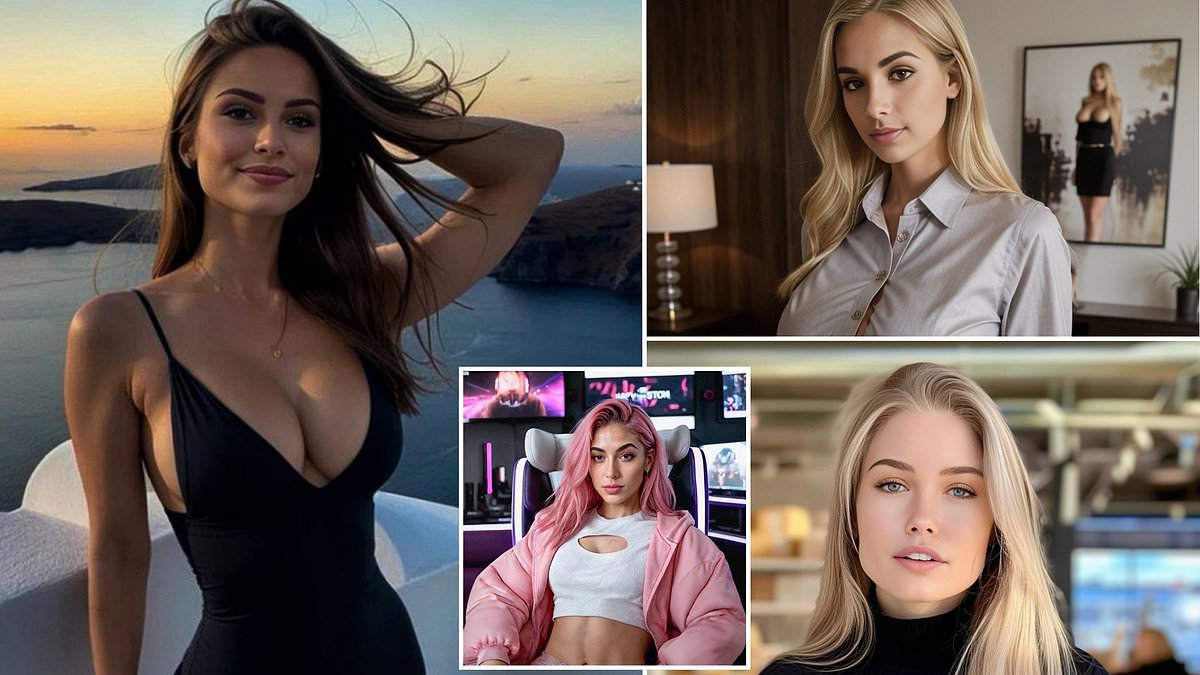
The world's first AI beauty pageant, Fanvue Miss AI, has been announced, with AI-generated women competing for a share of a $20,000 prize pool. Contestants will be judged on beauty, social media clout, and their creators' use of AI tools, with the panel including both AI and human judges. The competition will assess contestants' skill and implementation of AI tools, social media engagement, and revenue generation. The winner will receive $5,000 in cash and a creator mentorship program, reflecting the growing trend of AI creators monetizing their content and engaging with fans.
TikTok is reportedly developing AI avatars to create sponsored content and promote items on its platform, potentially competing with human influencers. The avatars would read scripts from advertisers or sellers on TikTok Shop, but the feature is not live yet and may still undergo changes. The platform will need to navigate how to share sponsorship dollars between virtual influencers and human creators without antagonizing its user base, especially after asking them to call on Congress not to ban TikTok.
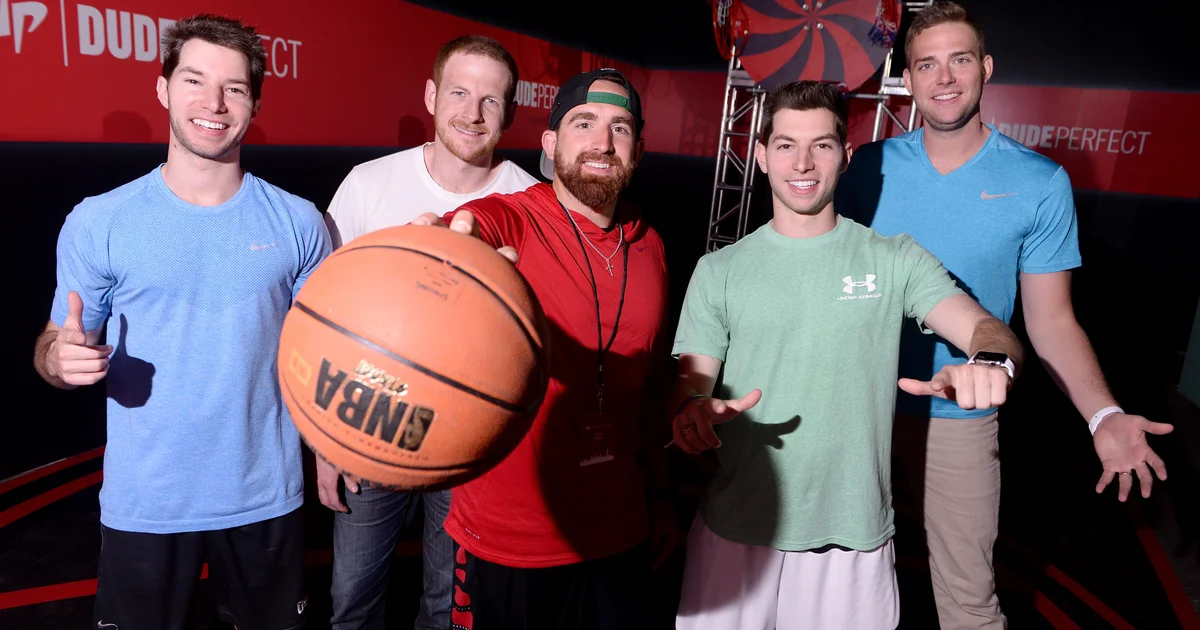
Dude Perfect, the popular content creator group known for their trick shots and comedy videos, has secured a significant investment ranging from $100 million to $300 million from Highmount Capital, a private investment firm. The capital will be used to expand the management team and further grow the brand's reach. With the "creator economy" now valued at $250 billion and projected to reach $480 billion by 2027, the investment reflects the increasing value and potential of online content creators.
Bryce Adams, one of the top earners on OnlyFans, runs a highly successful business empire on the platform, earning millions of dollars annually. Adams and her team operate with a professional approach, treating their work as a machine-like operation. They utilize various social media platforms to promote their content and engage with subscribers. While OnlyFans is often associated with explicit content, it has become a significant player in the creator economy, allowing influencers to monetize their content and gain financial independence. However, the platform also raises questions about the commodification of intimacy and the potential risks and challenges faced by creators.
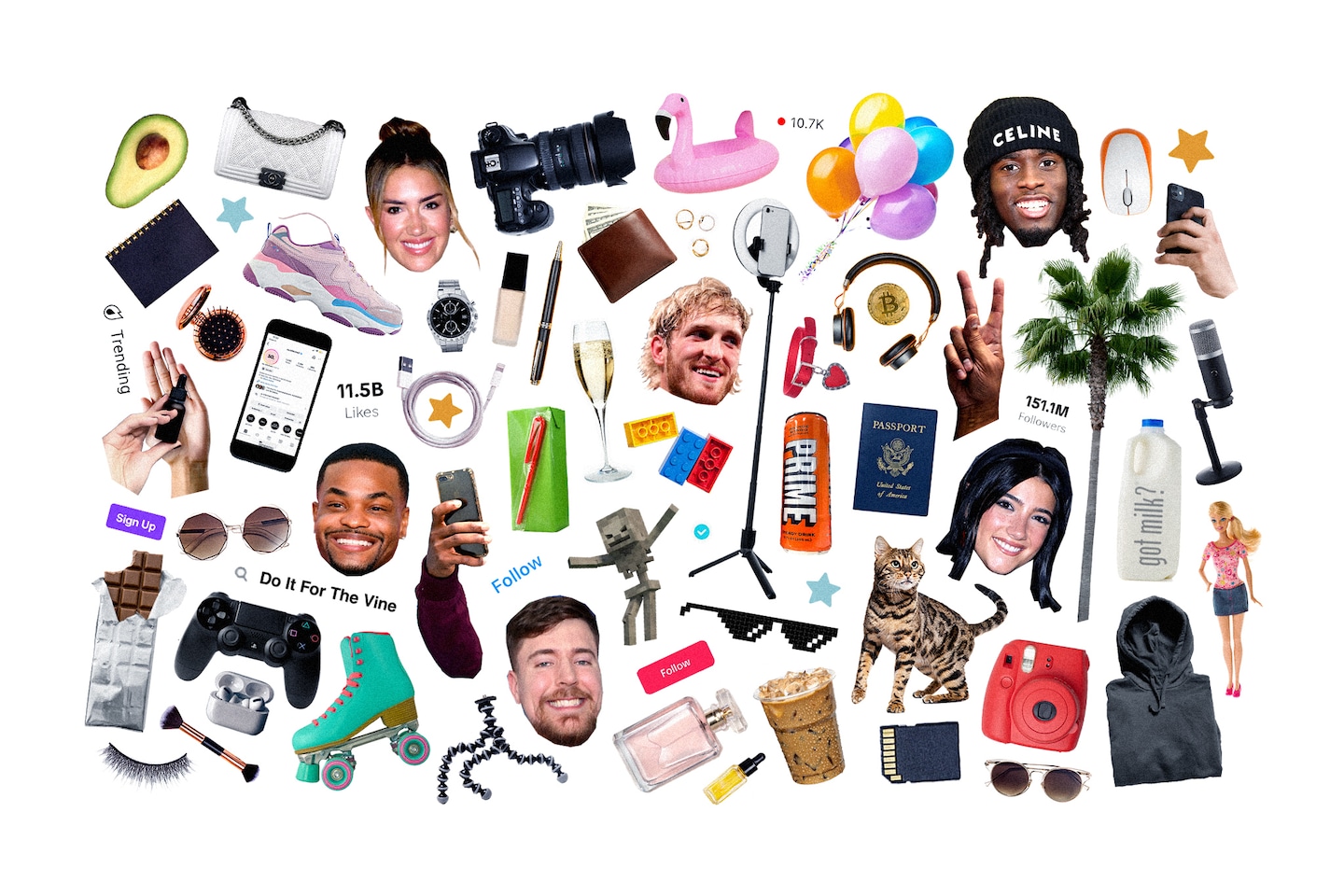
The creator economy, valued at $250 billion globally, has transformed the labor force, with millions of people working as online creators and content-makers. However, the U.S. government has yet to regulate this industry, leaving creators without oversight or protection. While the rise of creators has allowed for greater diversity of voices and expression, it has also led to the spread of misinformation, fragmented public discourse, and a constant need for attention-grabbing content. Many creators struggle with unpredictable income, demanding workloads, and intense competition. The industry has reshaped American culture and become a mainstream career aspiration, but the lack of regulations and support pose challenges for creators and society as a whole.
Patreon, the platform that helps creatives make money through fan support, is undergoing a major rebrand and introducing new features and products. The company is expanding beyond its membership-based model and becoming an all-in-one app, offering free membership tiers, the ability to sell digital products, and community chats. Patreon is also revamping member profiles and introducing an updated home feed. The rebrand includes a new logo that can be customized by creators. CEO Jack Conte believes that the future of the creator economy lies in empowering individuals and giving them ownership and control over their platforms.
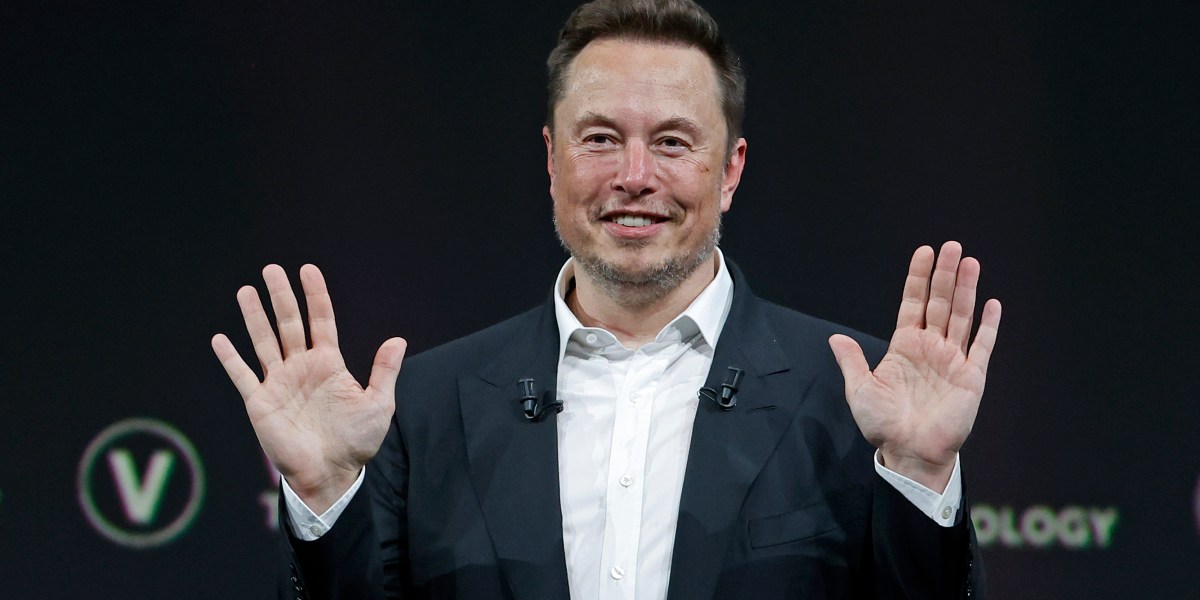
Elon Musk, the most followed user on X (formerly Twitter) with 155 million followers, has just over 40,000 paying subscribers on the platform's Subscriptions feature, representing about 0.025% of his followers. Each subscriber pays $4 a month, resulting in nearly $2 million in annual revenue for Musk. However, this number is relatively modest compared to his large following. Other high-profile creators on X also have less than 5,000 paying subscribers. The Subscriptions feature, which allows creators to provide exclusive content for a monthly fee, has not gained significant traction on the platform.
Five prominent gaming influencers, including SypherPK, Ninja, Nickmercs, TimTheTatman, and CouRageJD, are teaming up to create "Project V," a custom Fortnite Creative game featuring unique game mechanics and quests connected to each creator's brand and fandom. The creators are hoping to turn "Project V" into the No. 1 Fortnite Creative experience after its planned release in Q2 2024. The move comes after Epic Games announced a raft of significant changes to its creator strategy in Unreal Engine and Fortnite Creative, including Creator Economy 2.0, a promise to dole out 40 percent of revenue from "Fortnite's" Creative and Battle Royale modes to in-game creators.
Podcaster and commentator Sa Ra Garvey accused anti-feminist creator Pearl of having a "colonialist" mindset and not paying her Black co-hosts appropriately. Pearl described Garvey's claims as "defamatory" and suggested she may sue him. The claim and Pearl's response highlight a contentious part of the creator economy, where people often work outside of normal employee-employer relationships. The controversy also involves Pearl's recent interview with white supremacist Nick Fuentes, which drew backlash from several Black creators.
Fortnite's Discover tab now shows player counts for all experiences, including those made by non-Epic creators. The Battle Royale and Zero Build modes are overwhelmingly more popular than any other experiences, with just under 600,000 players combined. The new metrics will be important for creators trying to measure up in Epic's "Creator Economy 2.0" and could make the platform feel more competitive. The move also puts Epic on more even footing with Roblox, which also shows player counts while browsing experiences.
Epic Games has introduced a new revenue-sharing system for Fortnite creators, with 40% of the game's net revenues each month being paid out to creators based on player engagement with islands other than Epic's own. However, Epic's own in-game islands are also eligible for payouts from the revenue pool, and payouts will be based on engagement metrics that still largely favor Epic's own islands. The new system replaces the previous "Support-A-Creator" system, which only paid creators 5% of purchases made using their individual creator code.
Epic Games' new Unreal Editor for Fortnite allows players to design their own experiences, but comes with limitations on what can be created and monetized, including restrictions on intellectual property. The Creator Economy program pays creators based on engagement metrics, but players cannot use anyone's intellectual property without permission, even if they don't intend to publish or monetize it. Chapter one maps can be remade but cannot be monetized, and maps from other games cannot be created. The policy around intellectual property is still unclear, raising concerns among some creators.