A study published in Psychological Medicine reveals distinct neural alterations in patients with depression during processing of monetary and natural rewards, indicating that reward dysfunctions in depression differ depending on the type of reward. While patients exhibited decreased activation in certain brain regions during receipt of all reward types, separable alterations were observed during monetary and natural rewards in specific parts of the striatum. The findings suggest the need for reward-type specific interventions and challenge previous assumptions about reward dysfunctions in depression. However, the study also highlights the impact of anti-depressive medication on brain alterations, calling for further research in this area.
A small study conducted in China found that men who were infected with the Omicron variant of COVID-19 experienced thinning of the gray matter and other changes in certain parts of the brain. The study, which included 61 participants, revealed that gray-matter thickness had thinned in specific brain regions, and the ratio of right hippocampus volume to total intracranial volume was significantly reduced after infection. These brain alterations were associated with increased anxiety scores and decreased word fluency test scores. The findings highlight the emotional and cognitive effects of Omicron infection and suggest that imaging can aid in the early detection and treatment of neurologic complications.
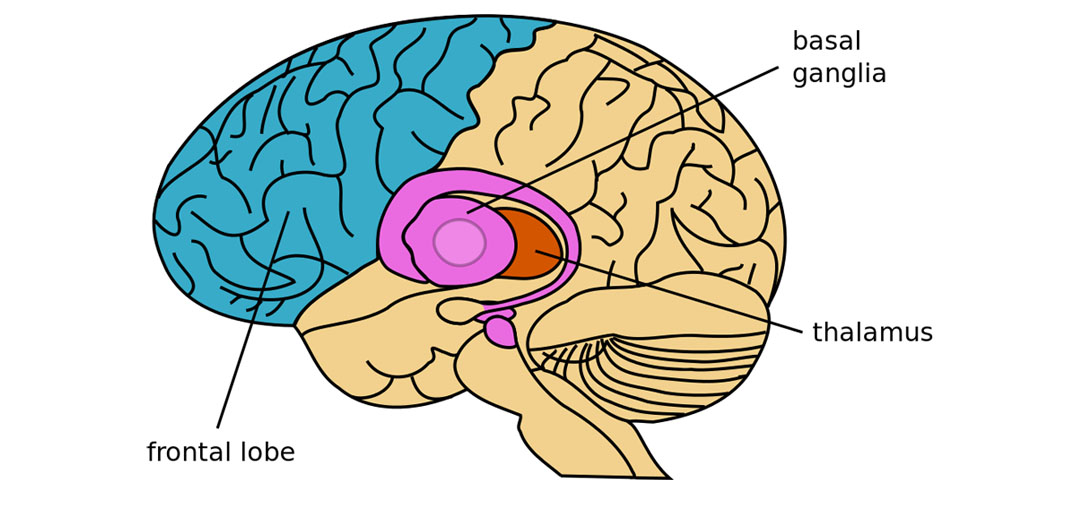
A neuroimaging study conducted in China found that individuals with cocaine use disorder showed signs of atrophy in various brain regions, particularly in the basal ganglia. The study revealed that these alterations were more pronounced in individuals who started using cocaine before the age of 18. The basal ganglia are involved in motor control, learning, cognition, and emotional regulation. The findings provide insights into the neural changes associated with cocaine use and may contribute to the development of effective interventions for treating cocaine use disorder. However, the study design does not establish causation, and healthy individuals included in the study had a history of tobacco use and some experience with cocaine.