Tag

Olbers Paradox

All articles tagged with #olbers paradox

Unraveling the Mystery of the Dark Night Sky
astronomy2 years ago

Unraveling the Mystery of the Dark Night Sky

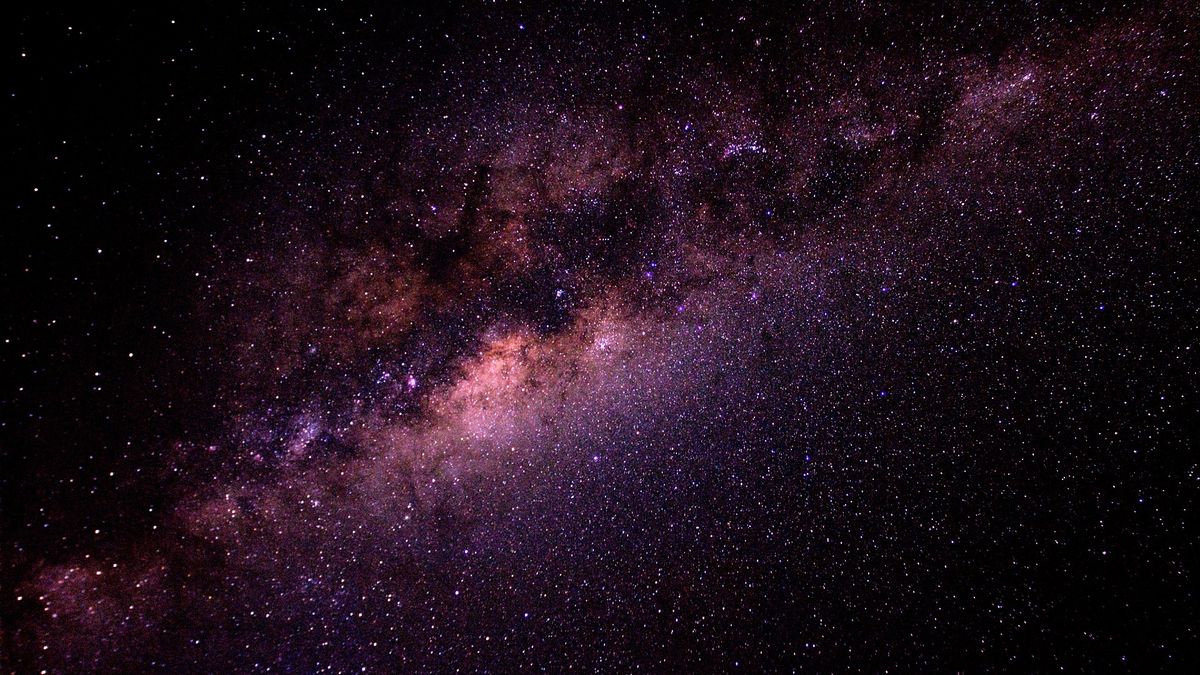
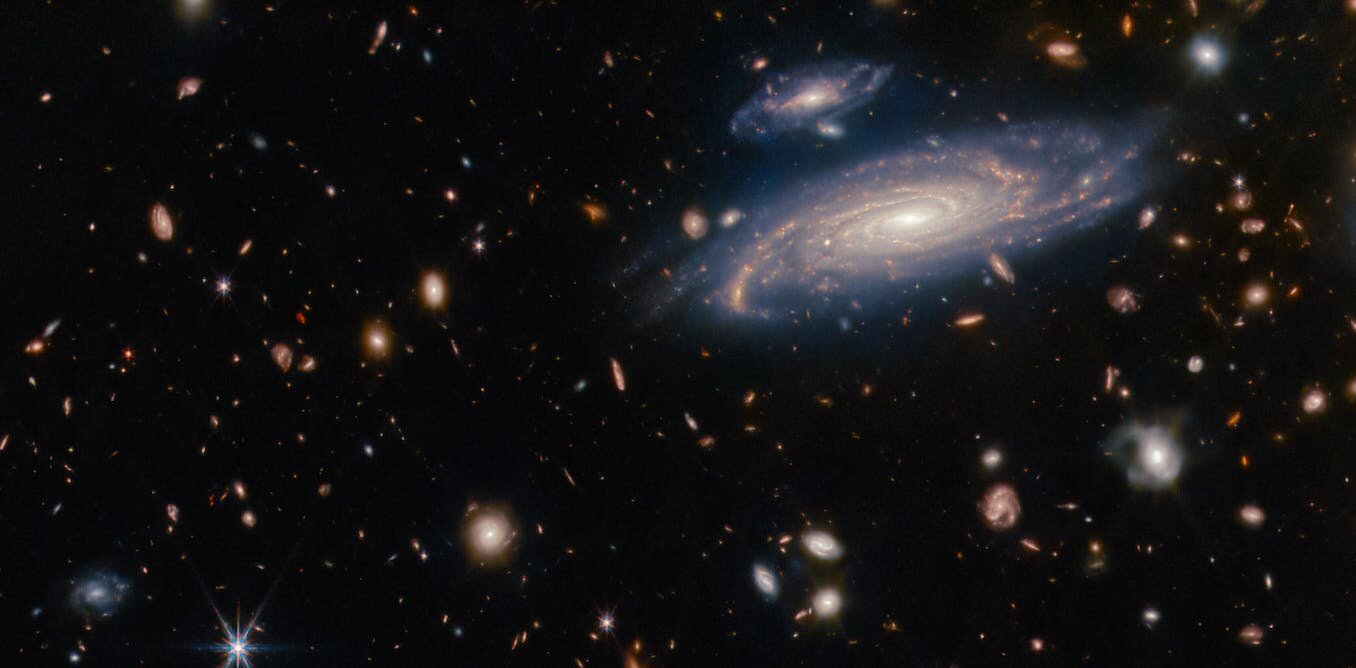
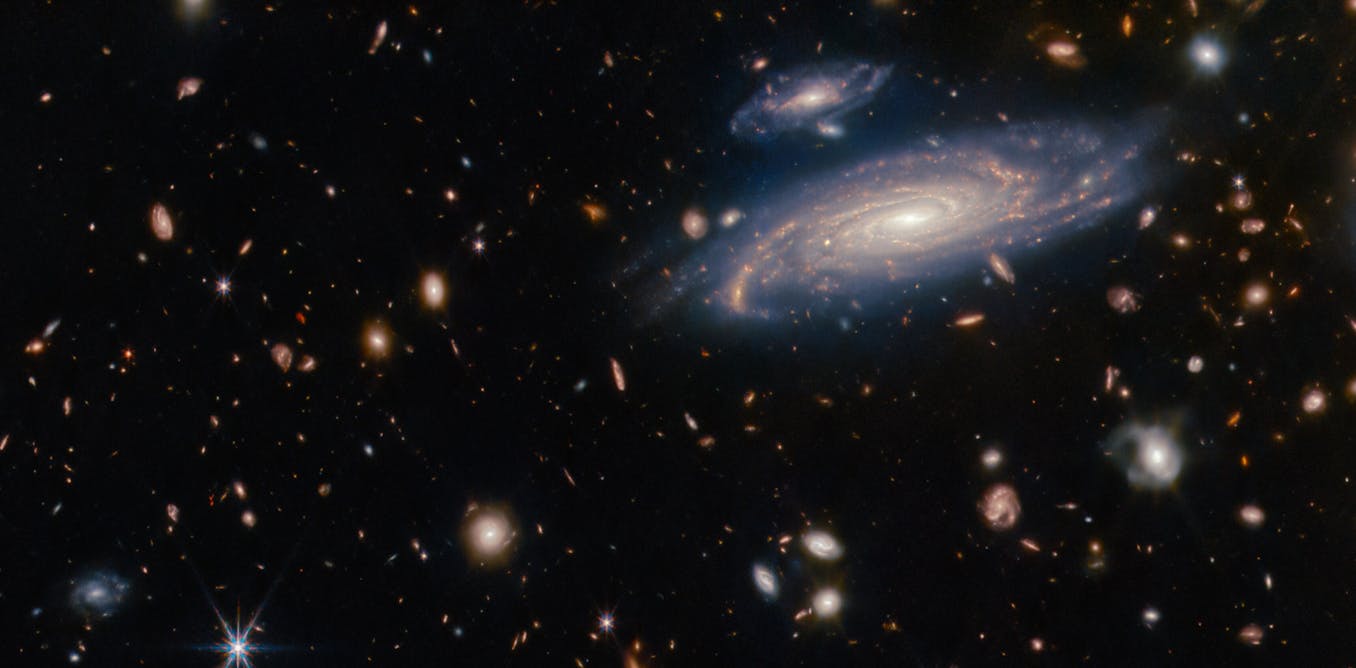
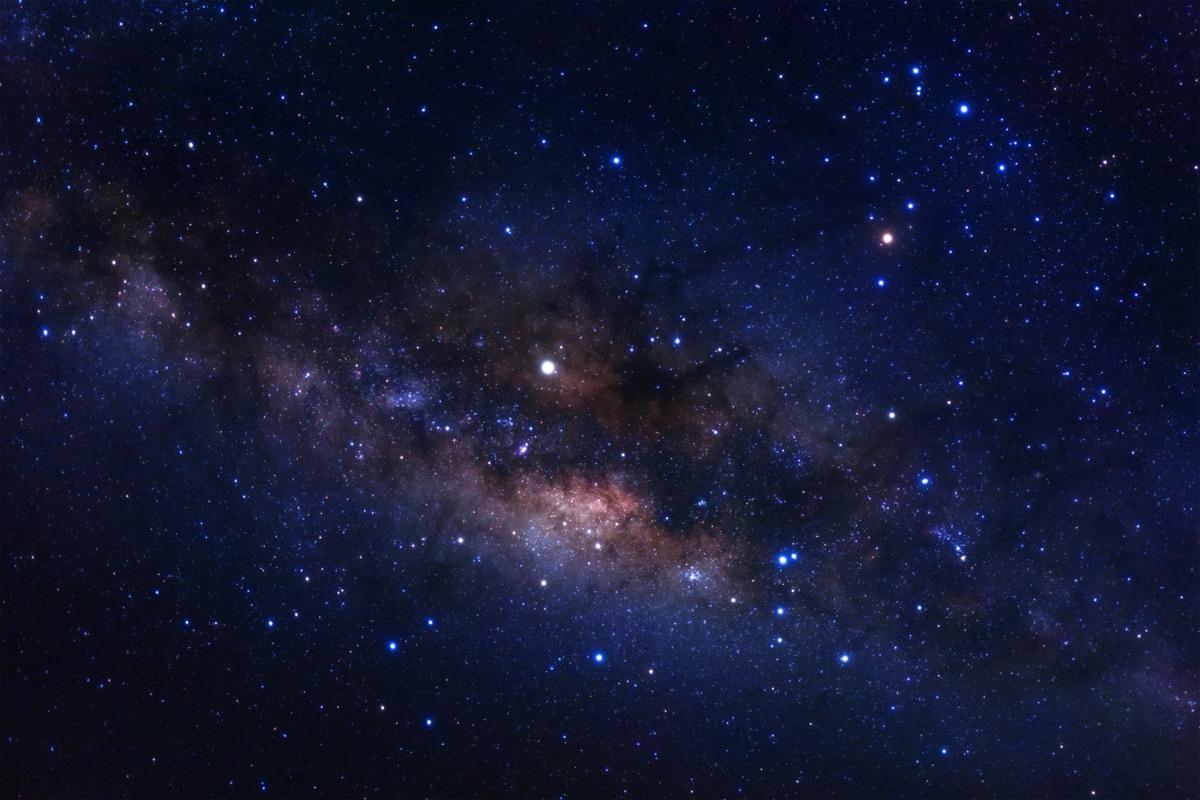
The question of why space is dark despite being filled with stars is known as Olbers' paradox. While it is true that distant stars appear dimmer, the main reason space is dark is because the universe is only about 13 billion years old, and the light from stars beyond that distance hasn't reached Earth yet. Additionally, the universe is expanding, causing the light from the most distant galaxies to be shifted into colors the human eye can't see. Eventually, all stars will burn out, and the universe will go dark.

The Dark Night Sky: A 200-Year Journey of Cosmic Discovery.
astronomy2 years ago

The Dark Night Sky: A 200-Year Journey of Cosmic Discovery.

Heinrich Olbers, a German astronomer, noted in 1823 that the night sky should not be dark based on the cosmological model of the time. This paradox, known as Olbers' paradox, was later resolved by British cosmologist Edward Harrison in 1964, who showed that the finite age of stars is the main factor determining the brightness of the night sky. However, the discovery of the cosmic microwave background in 1964 and the cosmic ultraviolet, optical, and infrared background have shown that the sky is not actually dark, but faintly glimmers with the dim relic radiation of all that has been over the finite lifetime of the universe.

The Dark Night Sky: A 200-Year Journey of Cosmic Discovery.
astronomy2 years ago

The Dark Night Sky: A 200-Year Journey of Cosmic Discovery.

Heinrich Olbers, a German astronomer, noted in 1823 that the night sky should not be dark based on the cosmological model of the time. This paradox, known as Olbers paradox, was later resolved by British cosmologist Edward Harrison in 1964, who showed that the finite age of stars is the main factor determining the brightness of the night sky. However, the discovery of the cosmic microwave background radiation in 1964 and the cosmic ultraviolet, optical and infrared background light produced by galaxies have led to new answers and questions about the darkness of the sky.