
The Dark Night Sky: A 200-Year Journey of Cosmic Discovery.
TL;DR Summary
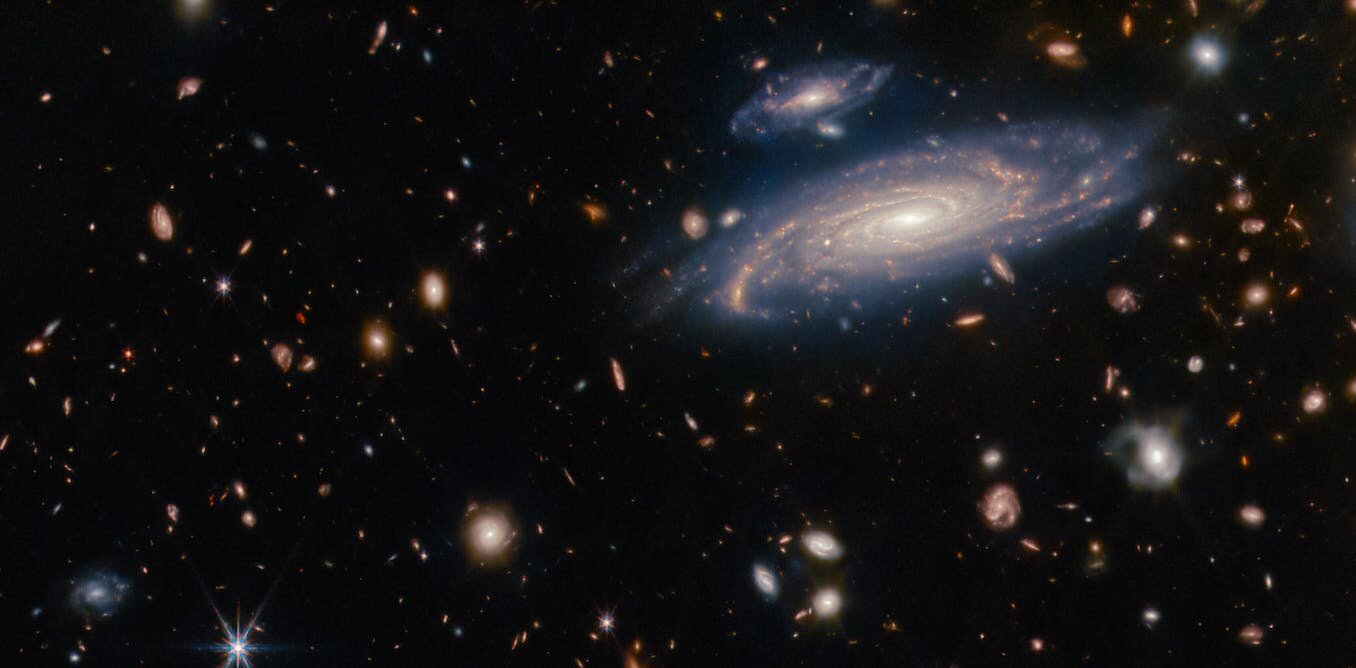
Heinrich Olbers, a German astronomer, noted in 1823 that the night sky should not be dark based on the cosmological model of the time. This paradox, known as Olbers' paradox, was later resolved by British cosmologist Edward Harrison in 1964, who showed that the finite age of stars is the main factor determining the brightness of the night sky. However, the discovery of the cosmic microwave background in 1964 and the cosmic ultraviolet, optical, and infrared background have shown that the sky is not actually dark, but faintly glimmers with the dim relic radiation of all that has been over the finite lifetime of the universe.
Reading Insights
Total Reads
0
Unique Readers
0
Time Saved
6 min
vs 7 min read
Condensed
92%
1,357 → 106 words
Want the full story? Read the original article
Read on Phys.org