Oil prices remained steady after a recent drop as OPEC+ plans to reintroduce barrels to the market starting April 2025, delaying the increase by three months. This decision comes amid expectations of an oversupplied market next year, with US crude production hitting record levels. The market is also influenced by factors like fluctuating Chinese demand and potential changes in US energy policy under a possible second Trump presidency.
The stock market experienced mixed results today, with some sectors showing strength despite overall declines. Beazer Homes surged past a new buy point following earnings, while Disney's stock rose over 8% on strong quarterly results. Oil stocks, including Chevron, benefited from a rally in crude oil prices. Meanwhile, some fast-moving stocks like Nu Holdings and Hims & Hers faced significant declines. The 10-year U.S. Treasury yield slightly decreased, and jobless claims were lower than expected.
The Dow Jones Industrial Average fell 200 points amid volatile trading ahead of the U.S. presidential election, with traders pricing in aggressive Federal Reserve rate cuts despite lingering inflation concerns. Bank stocks could benefit if Donald Trump wins, while oil prices rose over 2% after OPEC+ delayed a production increase. Independent power producers like Vistra and Talen Energy saw stock declines following a regulatory decision affecting Amazon's data center power supply. Meanwhile, Viking Therapeutics' obesity drug showed promising trial results, boosting its stock.
Saudi Arabia has announced a reduction in crude oil prices for buyers in Asia and other regions for February, responding to a market characterized by weak demand and a potential surplus fueled by strong global supply. This decision comes as oil consumption typically dips during this time of the year due to refinery maintenance, and follows the OPEC+ group's strategy to maintain output cuts to manage market stability.
Oil tanker operators are facing a dilemma due to attacks by Houthi rebels in the Red Sea: risk the dangerous passage or face financial losses. Despite the threats, global oil reserves have kept prices stable, and the industry is adapting by rerouting some tankers or sending cargoes to Asia. A U.S.-led coalition is increasing naval presence to ensure safe passage through the Suez Canal, which remains a key route for oil to European markets. The market remains unshaken by these events, with the perception that there is sufficient oil and natural gas supply to counter any disruptions.
U.S. crude oil inventories experienced a significant draw of 7.418 million barrels, surpassing analyst predictions, while gasoline and distillate inventories saw substantial builds. Despite the draw in crude oil, overall inventories have built up over 13 million barrels in 2023. The Strategic Petroleum Reserve also increased slightly, and oil prices showed a slight decrease from the previous week. The data suggests a mixed picture for oil supply and demand dynamics.
Oil prices surged over 3% amid U.S. warnings to Houthi militants against Red Sea attacks and OPEC's commitment to market stability. The rise also followed the shutdown of Libya's Sharara oil field and shipping companies halting Red Sea routes due to security concerns. Despite the volatility, experts suggest the market is currently insensitive to these disruptions due to softer crude fundamentals and inventory builds. OPEC members have pledged to cut production to support prices, but skepticism remains over the group's unity and the effectiveness of these cuts.
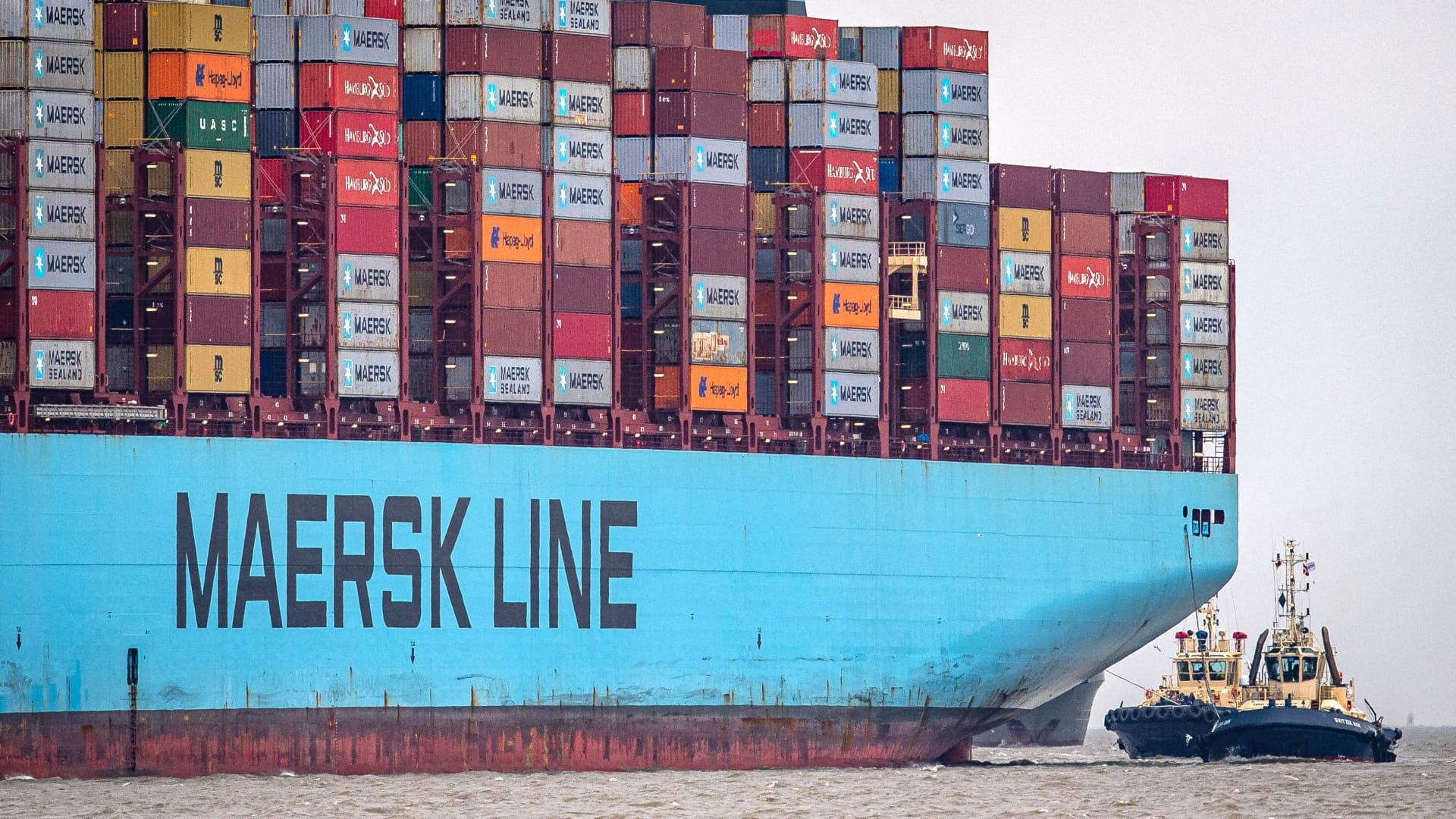
Maersk, a leading shipping company, has suspended all transits through the Red Sea and Gulf of Aden indefinitely after a Houthi militant attack targeted one of its vessels. The attack prompted a response from U.S. Navy helicopters, resulting in the sinking of three militant boats. This halt in shipping may affect global trade and oil prices, as the Red Sea is a vital route for 12% of global trade and 3 million barrels of crude oil daily. Maersk is rerouting ships and assessing the situation while an investigation into the incident continues.
Oil prices experienced a surge following Iran's deployment of a warship to the Red Sea amid escalating regional tensions and recent Houthi attacks on shipping routes. West Texas Intermediate and Brent crude both saw significant price movements, with the situation contributing to market volatility. The US Navy's intervention against Houthi boats attempting to hijack a Maersk container ship further heightened tensions. Despite temporary price increases, crude futures ended the year down due to fluctuating demand and skepticism over OPEC+ production cuts. The oil market remains uncertain, with continued volatility expected in 2024.
U.S. stock futures, including the S&P 500, Dow Jones, and Nasdaq, dropped as trading began for 2024, following a strong performance in 2023. Apple shares fell after a downgrade by Barclays due to iPhone demand concerns. Economic reports, particularly the December jobs report, are anticipated to influence the Federal Reserve's policy decisions. Oil prices increased amid Middle East tensions, while Bitcoin surged, hitting its highest level since early 2022, on optimism over a potential SEC approval of a spot bitcoin ETF.
Despite initial concerns over potential supply disruptions due to heightened Red Sea tensions and an Iranian warship's presence, oil prices fell on Tuesday. West Texas Intermediate crude and March Brent crude both saw declines after earlier gains. The situation escalated when U.S. forces engaged Houthi rebels following an attack on a cargo ship, and shipping giant Maersk paused transit through the Red Sea. However, the risk premium from regional conflicts has not sustained higher oil prices, with factors such as a global economic slowdown, increased U.S. production, and OPEC uncertainties leading to a subdued demand outlook and contributing to oil's first annual loss since 2020.
The year started with cautious market sentiment as oil prices rose due to tensions in the Red Sea and weak Chinese manufacturing data affected Asian stocks. US equity futures remained stable, while European stocks saw a slight increase. The situation in the Red Sea escalated after Iran sent a warship following the US Navy's action against Houthi boats. Meanwhile, Bitcoin's value increased with the prospect of an ETF approval. In Asia, market sentiment was further impacted by the US pressuring the Netherlands to halt shipments of chip-making equipment to China. Upcoming economic data releases and central bank communications are anticipated to guide market directions in the short term.
Oil prices have increased as tensions rise in the Red Sea following the entry of an Iranian warship and the U.S. destruction of Houthi boats. The region's instability, particularly Houthi attacks on vessels and the war in Gaza, has disrupted major shipping routes, leading companies to reroute and face higher costs. Despite these challenges, the U.S.-led Operation Prosperity Guardian has improved maritime security, encouraging companies like Maersk to resume operations in the area. However, analysts suggest that unless there is a significant escalation, the impact on oil prices may remain limited.
Oil prices rose by 1.5% due to potential supply disruptions following a naval clash in the Red Sea where U.S. forces repelled an attack by Houthi militants, and amid expectations of strong holiday demand and economic stimulus in China. The incident raises concerns about the safety of key waterways for oil transport and comes as China's manufacturing activity decline could lead to stimulus measures, potentially boosting oil demand.
Despite recent reports suggesting OPEC's diminishing influence on oil prices due to production cuts and a potential decrease in demand, the organization's impact is expected to remain significant in 2024. OPEC and its allies, including Russia, have reduced production, but the effects on the market may be delayed. Meanwhile, U.S. oil producers have increased output unexpectedly, though future productivity improvements are not guaranteed. OPEC still holds a substantial share of the global oil market and has spare capacity, indicating that reports of its irrelevance may be premature.