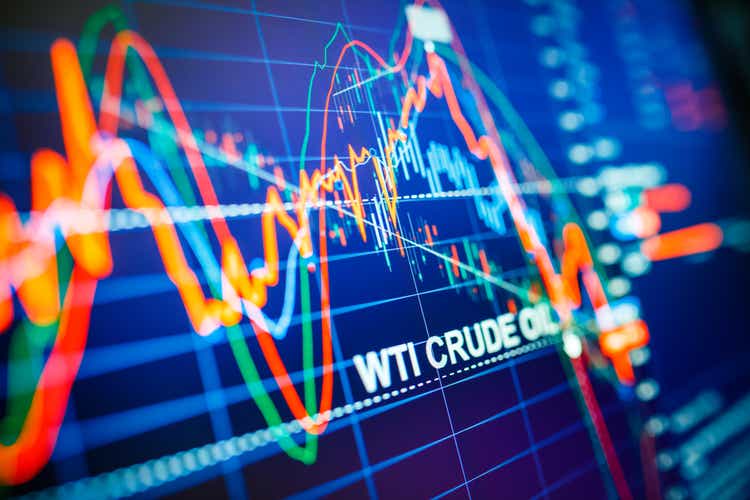
Oil prices remained steady after a recent drop as OPEC+ plans to reintroduce barrels to the market starting April 2025, delaying the increase by three months. This decision comes amid expectations of an oversupplied market next year, with US crude production hitting record levels. The market is also influenced by factors like fluctuating Chinese demand and potential changes in US energy policy under a possible second Trump presidency.

U.S. crude oil prices surged above $87 a barrel amid reports of Israel preparing for a potential direct attack by Iran this weekend, leading to the highest Middle East tensions since last October. The West Texas Intermediate contract for May delivery rose to $87.34, while June Brent futures reached $91.86. Concerns over a possible Iranian strike on Israel have led to heightened geopolitical tensions, with potential for further escalation and impact on oil prices, with analysts warning of a spike to $100 or even $120-130 per barrel if the situation worsens.
Saudi Arabia has announced a reduction in crude oil prices for buyers in Asia and other regions for February, responding to a market characterized by weak demand and a potential surplus fueled by strong global supply. This decision comes as oil consumption typically dips during this time of the year due to refinery maintenance, and follows the OPEC+ group's strategy to maintain output cuts to manage market stability.
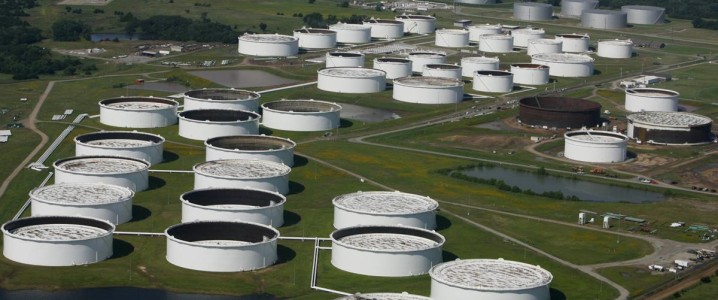
U.S. crude oil inventories experienced a significant draw of 7.418 million barrels, surpassing analyst predictions, while gasoline and distillate inventories saw substantial builds. Despite the draw in crude oil, overall inventories have built up over 13 million barrels in 2023. The Strategic Petroleum Reserve also increased slightly, and oil prices showed a slight decrease from the previous week. The data suggests a mixed picture for oil supply and demand dynamics.
Crude oil experienced its first annual decline since 2020, dropping more than 10% in 2023 despite OPEC+ production cuts and geopolitical tensions. The decrease in oil prices was attributed to rising supply growth outside of OPEC+, with the International Energy Agency expecting non-OPEC+ production to exceed demand growth in 2024. The energy sector was one of the worst performers on the S&P 500 for the year, while certain energy and natural resources companies saw significant gains or losses in their stock prices.