Tag

Chinaeconomy

All articles tagged with #chinaeconomy

finance1 year ago

Stock Futures Mixed as Markets Brace for Key Inflation Data

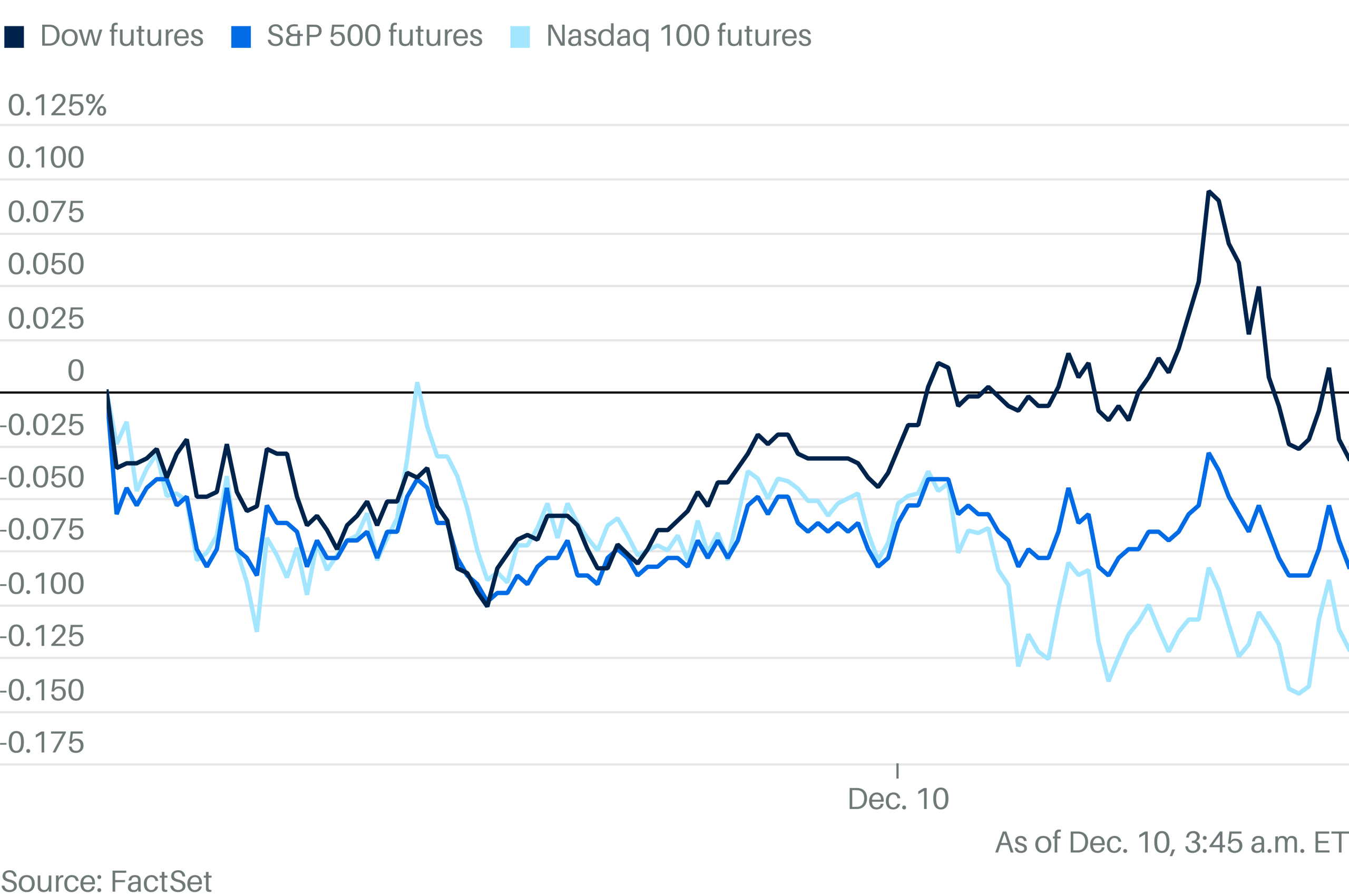
U.S. stock futures were mostly higher as investors awaited the final inflation data of the year, with the S&P 500 and Nasdaq 100 futures slightly up, while Dow futures dipped. The upcoming consumer price index report is expected to show a slight increase in inflation, which could influence Federal Reserve rate cut expectations. Investors are also navigating global geopolitical risks and China's recent antitrust probe into Nvidia, alongside its economic stimulus plans. Despite a recent surge in U.S.-listed Chinese stocks, disappointing trade data from China poses challenges.
finance1 year ago

Asian Markets Waver Amid Dollar Surge and US Inflation Impact

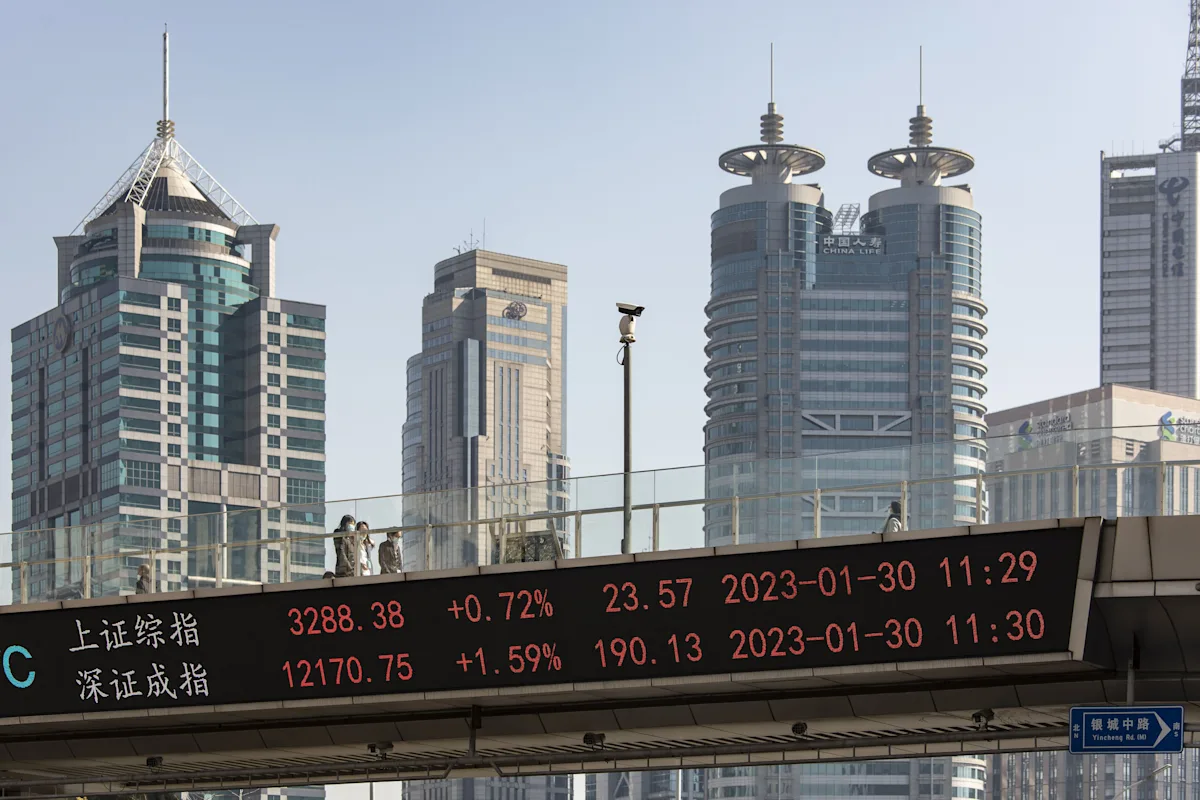
European stocks are expected to rise as investors await third-quarter GDP data, while Asian markets decline due to China's economic weakness and a strong US dollar. The Euro Stoxx 50 futures increased by 0.2%, contrasting with the fall in Asian equities and US stock futures. The dollar reached a two-year high, impacting Asian currencies and stocks, with the MSCI Asia Pacific Index on track for its worst week since April. Chinese equities remain stable amid limited stimulus expectations, and Hong Kong technology stocks continue to decline.

finance-and-business2 years ago

"China and Hong Kong Stocks Stumble into 2024 Amid Economic Uncertainty and US Rate Concerns"

Hong Kong stocks have opened 2024 with a decline, continuing a four-year losing streak, as China's manufacturing activity contracts for the third consecutive month and home sales plummet. The Hang Seng Index fell by 1.5%, with significant losses in tech and real estate shares, including Alibaba and Longfor Group Holdings. The downturn reflects broader economic challenges in China, despite President Xi Jinping's commitment to reforms and growth. Other Asian markets, however, experienced gains on the same day.

finance-and-business2 years ago

"2024 Market Outlook: Asia's Cautious Start Amid China's Economic Signals"

The year started with cautious market sentiment as oil prices rose due to tensions in the Red Sea and weak Chinese manufacturing data affected Asian stocks. US equity futures remained stable, while European stocks saw a slight increase. The situation in the Red Sea escalated after Iran sent a warship following the US Navy's action against Houthi boats. Meanwhile, Bitcoin's value increased with the prospect of an ETF approval. In Asia, market sentiment was further impacted by the US pressuring the Netherlands to halt shipments of chip-making equipment to China. Upcoming economic data releases and central bank communications are anticipated to guide market directions in the short term.

finance-and-business2 years ago

"Asia-Pacific Markets in 2024: Navigating Through Volatility and Investor Optimism"

Asian stocks had a subdued start to 2024, influenced by weak economic data from China and the impact of a significant earthquake in Japan. Despite expectations of a Federal Reserve interest rate cut, Chinese stocks fell due to poor PMI readings and a lackluster post-COVID recovery, with the CSI 300 index hitting a near five-year low. Regional markets showed mixed performance, with some profit-taking anticipated in India after strong gains. Investors are looking ahead to U.S. employment data for further direction on potential interest rate cuts.

business-and-economy2 years ago

"Oil Prices Surge Amid Red Sea Tensions and Market Stability Analysis"

Oil prices rose by 1.5% due to potential supply disruptions following a naval clash in the Red Sea where U.S. forces repelled an attack by Houthi militants, and amid expectations of strong holiday demand and economic stimulus in China. The incident raises concerns about the safety of key waterways for oil transport and comes as China's manufacturing activity decline could lead to stimulus measures, potentially boosting oil demand.

business-and-economy2 years ago

"Chinese Factory Activity Contracts for Third Consecutive Month in December"

China's manufacturing activity contracted in December, marking the third consecutive month of decline, as indicated by the official purchasing managers index (PMI) falling to 49. Despite government efforts to stimulate the economy through increased spending on infrastructure, interest rate cuts, and easing housing market restrictions, weak demand continues to challenge growth. While the non-manufacturing PMI saw a slight increase, the service sector remains unchanged, and the construction industry shows expansion. This manufacturing slowdown reflects broader global economic challenges, including reduced demand for goods and the impact of higher interest rates worldwide.

world-news2 years ago

"Xi Jinping Acknowledges Economic Challenges in 2024 New Year Address"

In a rare admission, Chinese President Xi Jinping acknowledged economic difficulties in his New Year's Eve speech, citing challenges faced by businesses and job seekers. This marks the first time Xi has discussed such issues in his annual address since 2013. The National Bureau of Statistics reported a contraction in factory activity, with the official manufacturing PMI falling to its lowest level in six months. Amidst a broader economic slowdown, Beijing has introduced measures to stimulate growth and employment, while also taking a more statist approach to the economy. Additionally, Xi reiterated China's stance on Taiwan, emphasizing reunification ahead of Taiwan's presidential elections, and highlighted the removal of Jack Ma's controlling shares in Alipay as part of a broader crackdown on Big Tech.

economy2 years ago

"China's Factory Sector Contracts for Third Consecutive Month Amid Economic Challenges"

China's manufacturing sector experienced its third consecutive month of contraction in December, with the official purchasing managers index (PMI) dropping to 49, indicating sluggish demand and a sluggish economy. Despite government efforts to stimulate growth through increased spending, interest rate cuts, and easing property curbs, global demand remains weak, affecting supply chains across Asia. While manufacturing struggles, China's non-manufacturing PMI saw a slight increase, and the construction industry showed growth, suggesting a mixed economic picture as the country transitions from its pandemic response.

economy2 years ago

"China's Economy: A Year in Review and the Uncertain Road Ahead"

The top 10 most-read China economy stories of 2023 covered a range of issues from the pile-up of shipping containers at Yantian Port due to dwindling overseas orders, to China's struggle to attract overseas tech talent amidst a toxic work culture. The Philippines' durian trade with China boomed, while other Asian countries expressed concerns over 'durian diplomacy'. Chinese firms are shifting production to countries like Vietnam as foreign buyers avoid Chinese-made goods. Thailand's new shipping route proposal and China's Pinglu Canal project aim to diversify trade routes, but their impact remains uncertain. China's ambitions in durian farming could challenge Thai and Malaysian market dominance. The tech war with the US puts pressure on China's economy due to chip shortages. Lastly, China's C919 passenger jet aims to break the Boeing and Airbus duopoly with its entry into foreign markets.

economy2 years ago

"China's Factory Downturn Worsens in December, Stimulus Expected"

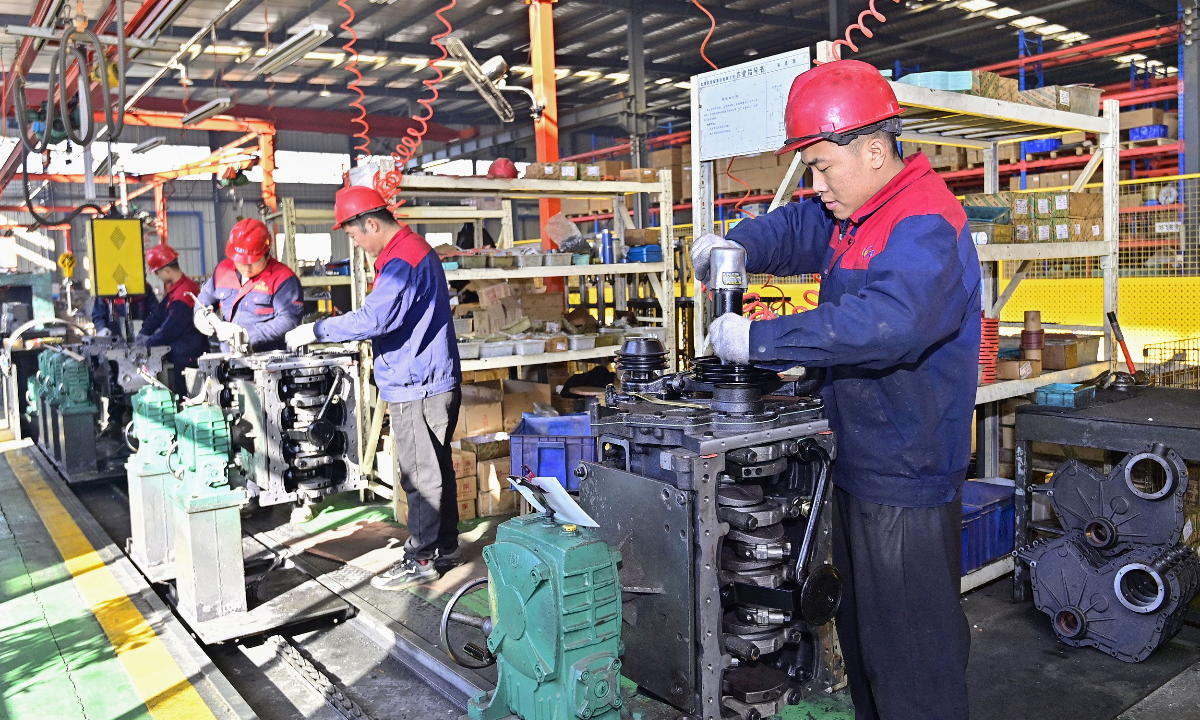
China's manufacturing activity contracted for the third consecutive month in December, with the official purchasing managers' index (PMI) falling more than expected, signaling a deepening factory contraction and a challenging economic recovery. This has led to expectations of additional stimulus measures, including potential interest rate cuts and reserve requirement ratio reductions by the central bank. The economic slowdown is attributed to a severe property slump, local government debt risks, soft global demand, and deflationary pressures. The government is likely to focus on fiscal steps to support growth in the coming year, despite weak domestic and external demand.

economy2 years ago

"China's Manufacturing Downturn Deepens with PMI Slump in December"

China's manufacturing Purchasing Managers' Index (PMI) fell to 49 in December, indicating a contraction in the sector. Despite this, the non-manufacturing PMI showed slight expansion. The decline in manufacturing PMI is attributed to off-season production and insufficient demand. However, with the implementation of policies aimed at boosting domestic demand and deepening supply-side structural reforms, there is optimism for economic recovery. The National Development and Reform Commission (NDRC) is focusing on leveraging China's large market to improve domestic demand and integrate it with supply-side reforms.

economy2 years ago

"China's Factory Downturn Persists, Prompting Economic Stimulus Speculation"

China's manufacturing activity contracted for the third consecutive month in December, with the PMI falling to 49.0, indicating a deepening factory contraction and a challenging economic recovery. This has led to expectations of additional stimulus measures, including interest rate cuts and reserve requirement ratio reductions by the central bank. The government is also expected to focus on fiscal steps to support growth, as weak domestic and global demand continue to weigh on the economy. Despite these challenges, China's economic growth is projected to meet the official target of around 5% for the year.

economy2 years ago

"China's Economic Outlook for 2024: Slower Growth Amid Strategic Challenges"

China's economy, once a powerhouse of global growth, is facing a grim outlook with predictions of further slowdown in 2024 and potential long-term stagnation. Despite an expected growth of around 5% in 2023, structural issues such as a property crisis, weak consumer spending, high youth unemployment, and demographic decline threaten to trap China in a middle-income status. Experts warn that without significant market reforms, China could experience a prolonged period of economic difficulties, drawing parallels to Japan's "lost decades." The Chinese government's response includes fiscal and monetary support, but analysts are skeptical about the effectiveness of these measures in addressing the deep-rooted structural challenges.