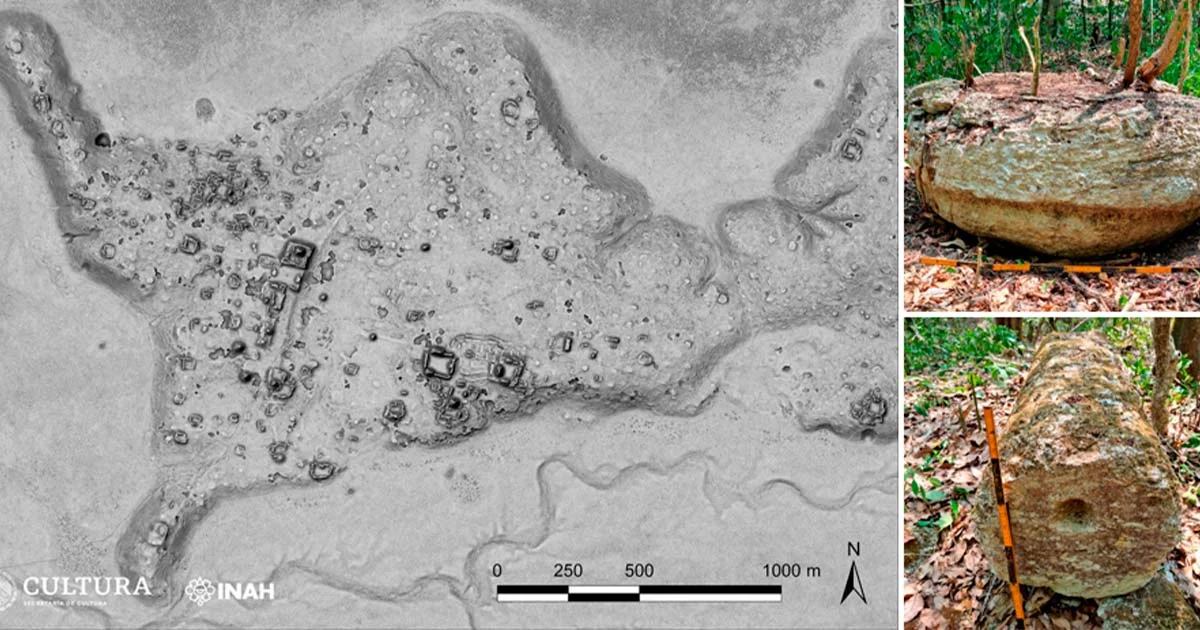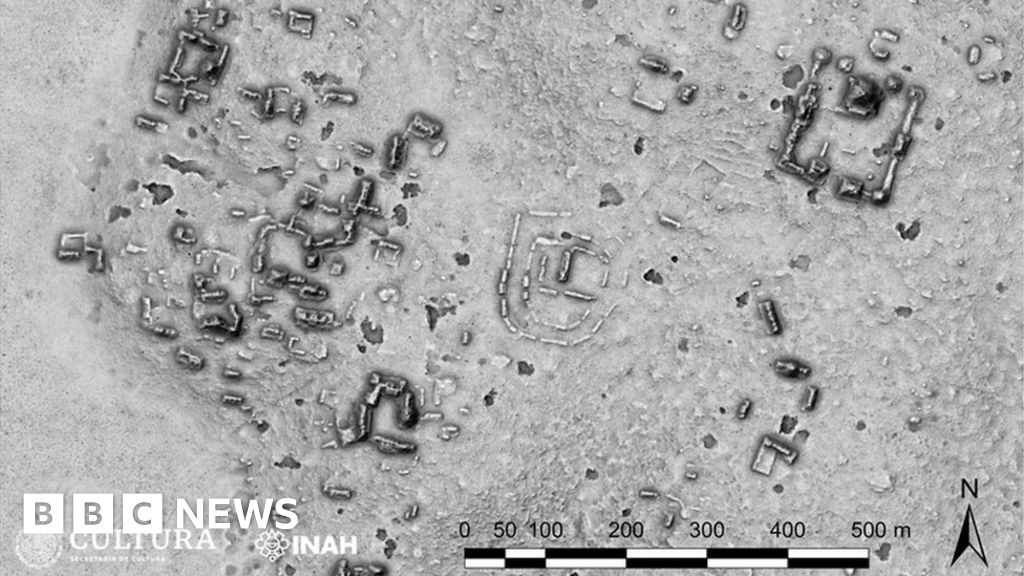
Scientists using lidar technology have discovered a previously unknown and massive Maya city called Ocomtun in Mexico's Yucatan Peninsula. The city, which may have served as a political center, challenges previous assumptions about the Maya civilization's range. Lidar imaging, combined with on-foot verification, revealed monumental structures and puzzling shapes, suggesting Ocomtun's significance. The site contains architectural complexes requiring hundreds of laborers and dates back to the late Classic period, with some objects indicating an even earlier timeline. The discovery raises questions about the Maya's endurance and offers insights into ancient civilizations.
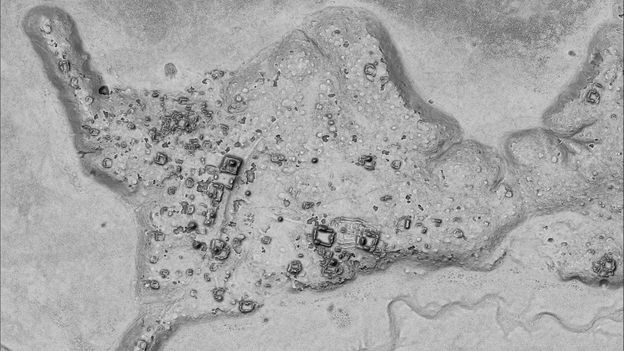
Archaeologist Ivan Šprajc has discovered a long-lost Maya city called Ocomtún in Mexico's Yucatán Peninsula. This city, which was previously unknown, is home to numerous pyramid-shaped structures and was likely inhabited between 600 and 800 CE. The discovery of Ocomtún sheds light on the mysterious collapse of the Maya civilization and provides valuable insights into their daily life and urban planning. The city's location in the virtually impenetrable Balamkú Ecological Conservation Zone highlights the power of Lidar technology in uncovering ancient Maya sites. The rediscovery of Ocomtún may reveal important information about Maya migration patterns and the reasons behind the abandonment of their settlements.
A previously unknown ancient Maya city, named Ocomtun, has been discovered in the jungles of southern Mexico using aerial laser mapping technology. The city includes large pyramid-like buildings, stone columns, three plazas with "imposing buildings," and other structures arranged in almost-concentric circles. It is likely an important center for the peninsula's central lowland region between 250 and 1000 AD. The site probably declined around 800 to 1000 AD, likely due to "ideological and population changes" that led to the collapse of Maya societies in that region by the 10th century.
Mexican archaeologists have discovered a lost Maya city in the Balamku Ecological Reserve on the Yucatan Peninsula using LiDAR drones. The city, named Ocomtun, includes pyramids, stone columns, three plazas, and other sacred stone structures arranged in concentric circles. It was likely an important Maya center between 250 and 1000 AD. The city was equipped with 15-meter high pyramidal structures and a ball court for playing Pre-Hispanic ball games. The city appears to have been significantly rebuilt between 800 and 1000 AD and entered a period of decline around that time.
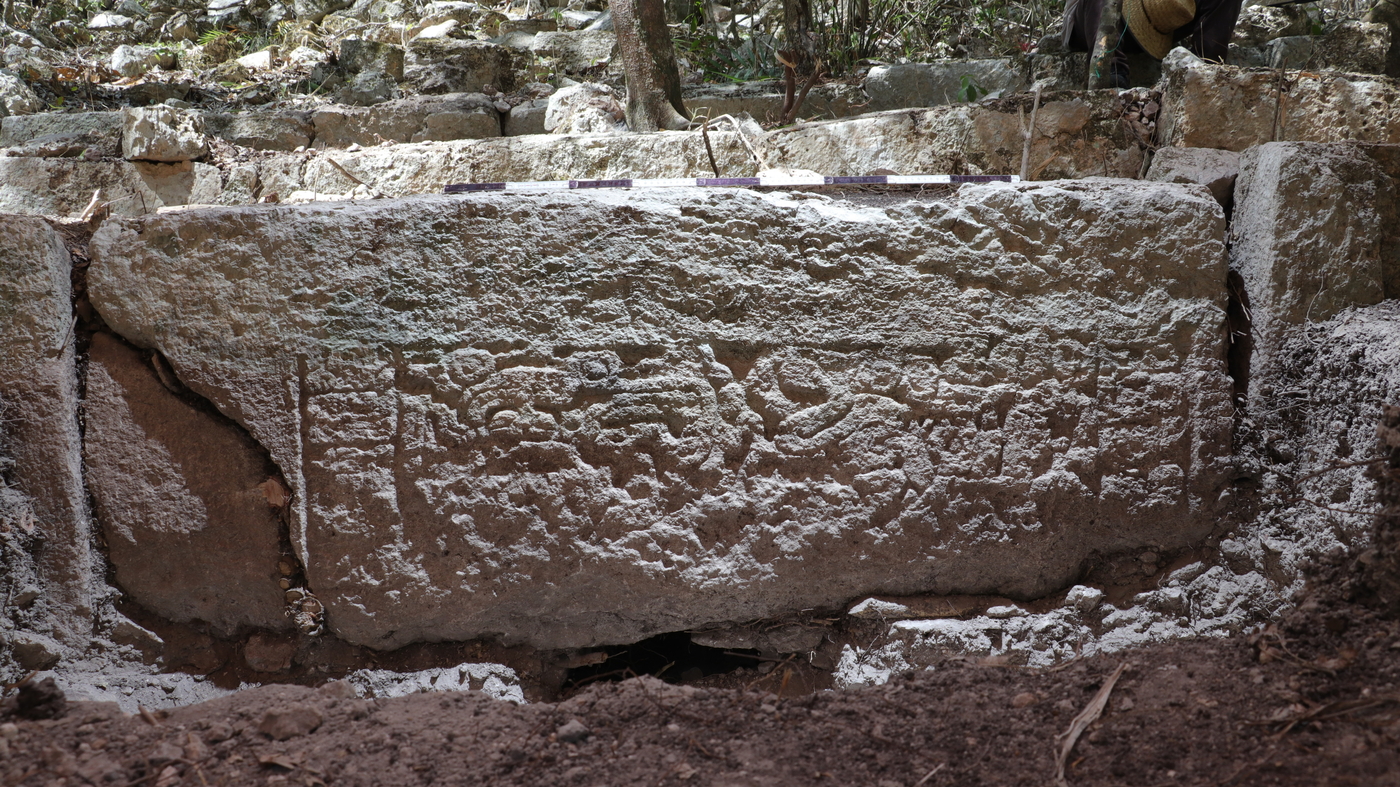
Archaeologists have discovered the remains of an ancient Maya city, named Ocomtún, in the Yucatán Peninsula. The site contains several pyramid-like structures, including cylindrical stone columns that were probably entrances to upper rooms. Pottery found at the site suggests it was inhabited between 600 and 800 AD. The discovery was made in an ecological reserve in the state of Campeche, an area so dense with vegetation that it has been little explored. The site is believed to have served as an important regional centre before falling victim to the collapse of the Lowland Maya civilisation in the 10th Century.
Archaeologists have discovered the remains of an ancient Maya city in the Yucatán Peninsula, Mexico. The site, named Ocomtún, contains several pyramid-like structures measuring over 15m in height and was inhabited between 600 and 800 AD during the Late Classic period. The discovery was made in an ecological reserve in the state of Campeche, an area dense with vegetation that has been little explored. The site is believed to have served as an important regional centre and probably underwent considerable changes between 800 and 1000 AD before falling victim to the collapse of the Lowland Maya civilisation in the 10th Century.