Tag

Observational Data

All articles tagged with #observational data

"The Laniakea Supercluster: Unveiling the Enigma Behind the Hubble Tension"
astronomy2 years ago

"The Laniakea Supercluster: Unveiling the Enigma Behind the Hubble Tension"

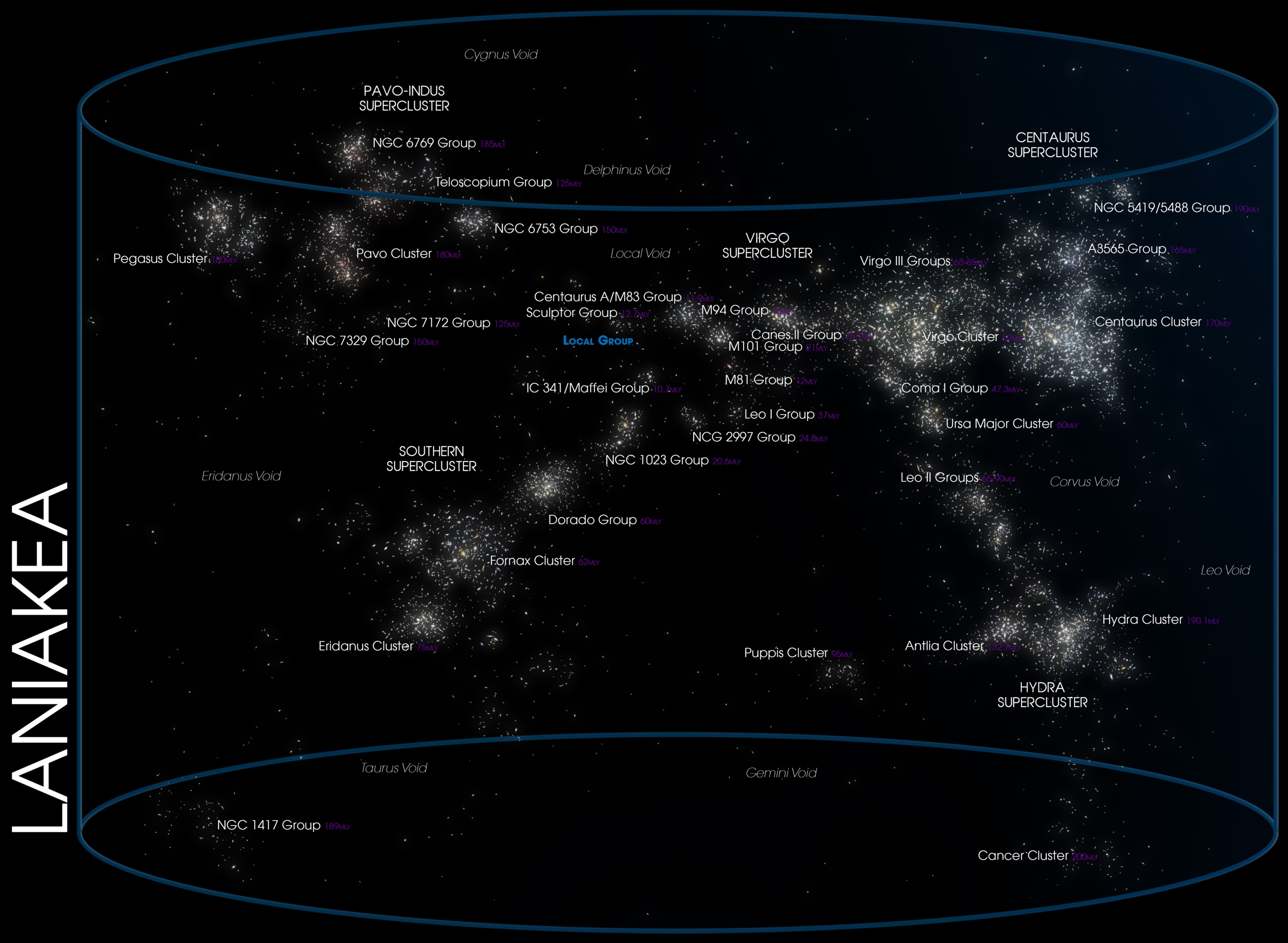
The Hubble tension, which arises from the discrepancy in measuring the rate of cosmic expansion, may be even larger than previously thought due to gravitational biases caused by our location within the Laniakea Supercluster. A recent study found that the supercluster biases our observations by about 2% - 3%, in the opposite direction of what was expected. This means that the Hubble tension is 2% - 3% greater than previously estimated. While further observations may help clarify the situation, it is clear that there is still much to learn about the nature of cosmic expansion.
Confirmed: Gulf Stream Weakening, New Study Reveals
climate-change2 years ago

Confirmed: Gulf Stream Weakening, New Study Reveals

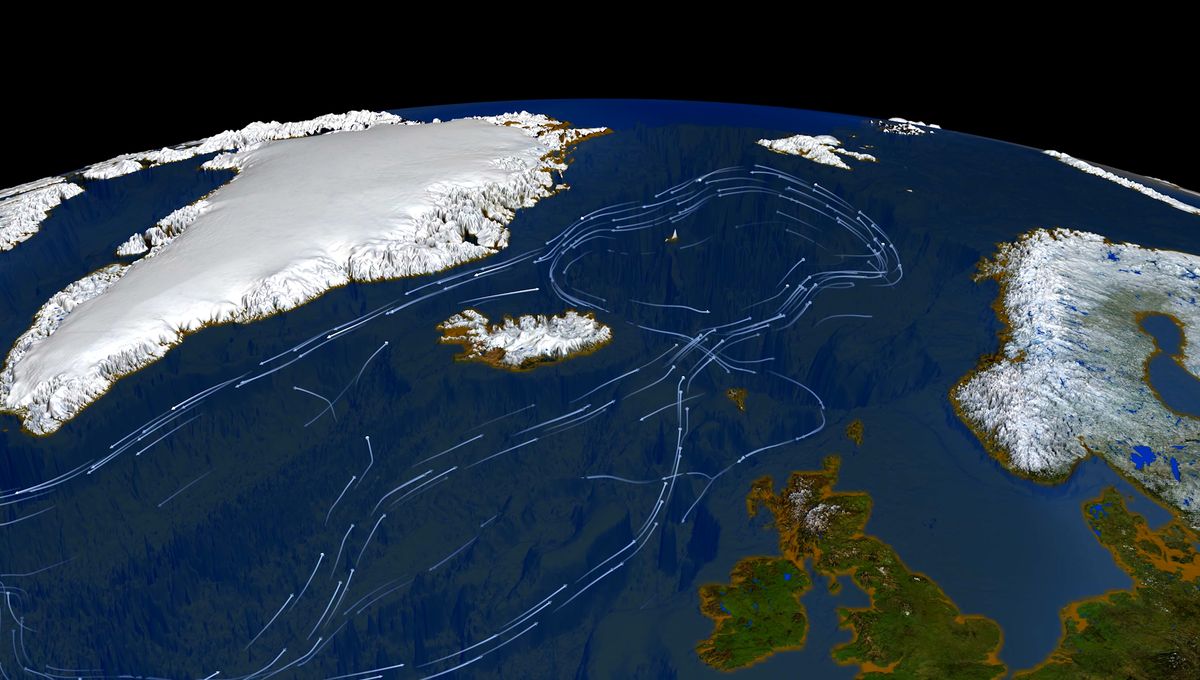
A new study has provided definitive evidence that the Gulf Stream, a vital ocean current that distributes heat and energy across the world's oceans, has weakened by 4% over the past four decades. The researchers used multiple observational datasets and Bayesian methods to analyze changes in the Gulf Stream's volume transport since 1982. The results show a high level of certainty and suggest that climate change is likely responsible for the weakening of this important ocean current. The implications of this weakening could have significant impacts on the climate, sea levels, and hurricane activity in the US East Coast and Western Europe.

Pulsars: Unveiling Cosmic Dark Age with Gravitational Waves
astronomy2 years ago

Pulsars: Unveiling Cosmic Dark Age with Gravitational Waves

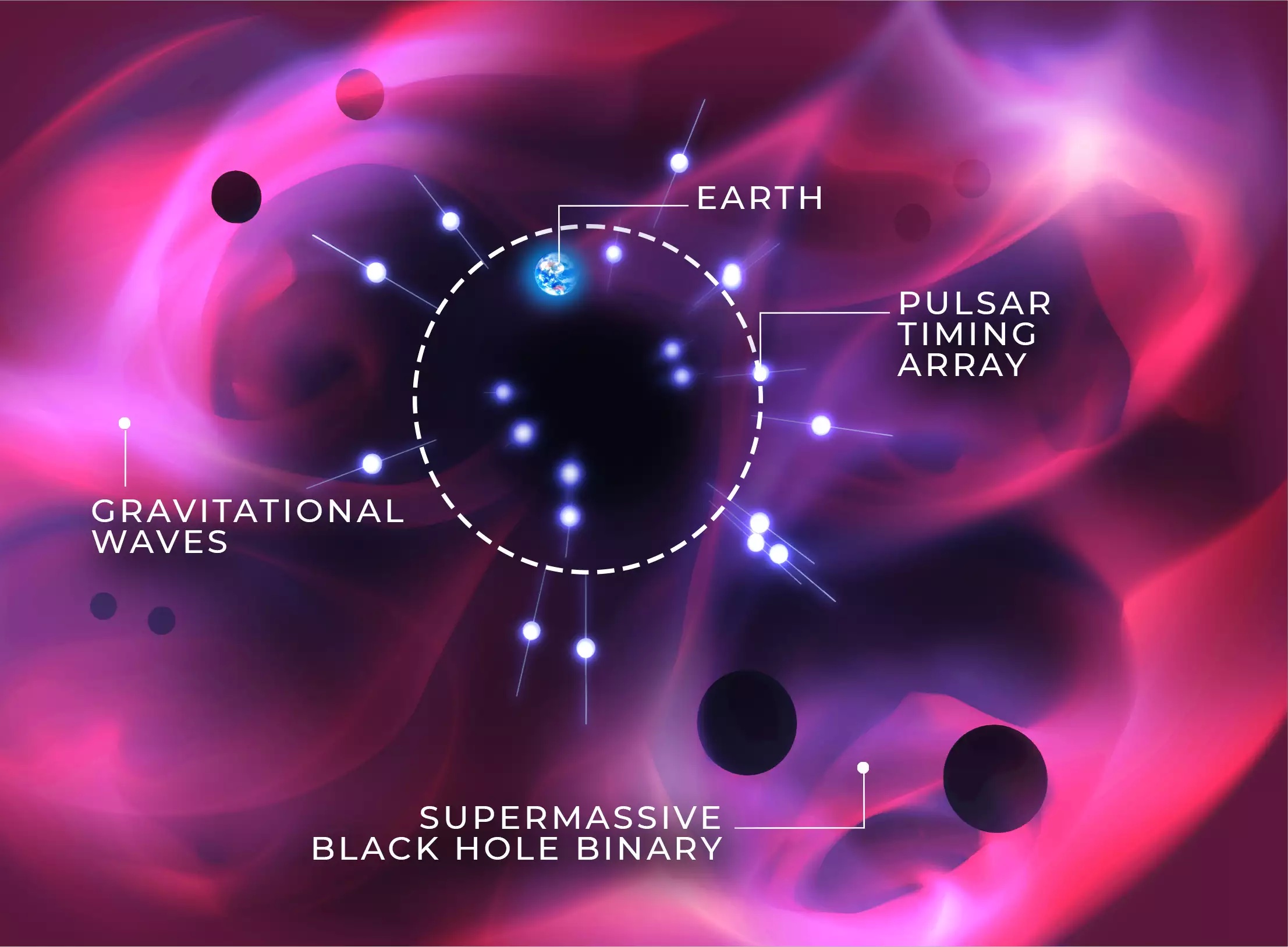
Astronomers are exploring the use of pulsars as a telescope to detect gravitational waves. Pulsars, rotating neutron stars that emit regular radio pulses, can be used as cosmic timepieces. When a gravitational wave passes through a pulsar, its pulses shift slightly, but these shifts are at the random fluctuation level. By observing an array of pulsars, researchers can measure the statistical fluctuations and pinpoint the sources of background gravitational waves. Precise distance measurements of the pulsars in the array could be obtained through observatories like the Very Long Baseline Array, allowing for triangulation of the source. This method could help determine if the background waves come from supermassive binary black holes or other unknown sources.

Amateur astronomers make significant asteroid collision discovery.
astronomy2 years ago

Amateur astronomers make significant asteroid collision discovery.

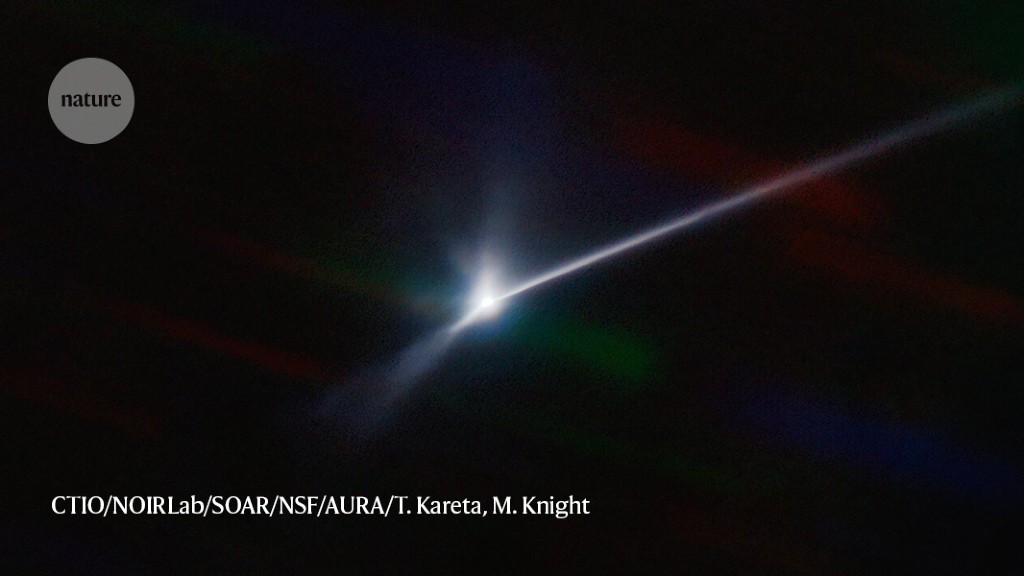
Amateur astronomers played a key role in observing the impact of NASA's Double Asteroid Redirection Test (DART) spacecraft on the asteroid Dimorphos. The four telescopes used were of a type popular in the amateur-astronomy community, and the observational data was uploaded to a server for professional astronomers to analyze. This is just one example of how amateur astronomers have contributed to scientific research, including discovering comets and identifying previously undescribed phenomena. The collaboration between amateur and professional researchers highlights the importance of community science in collecting and verifying data.