Tag

Obesitytreatment

All articles tagged with #obesitytreatment

health-and-medicine2 years ago

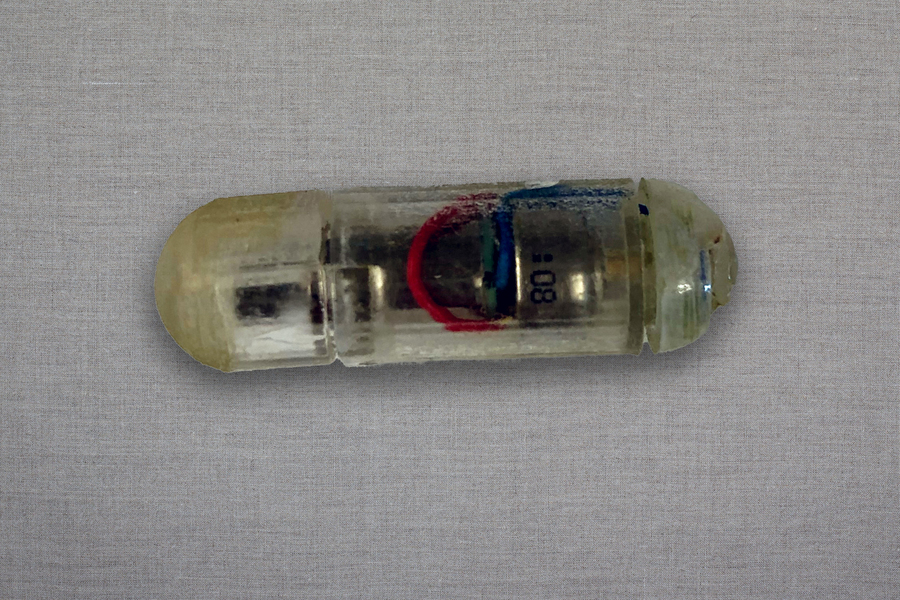
"Engineers Invent Vibrating Pill That Tricks Brain into Feeling Full to Combat Obesity"

MIT scientists have developed a vibrating pill designed to combat obesity by simulating the sensation of fullness. The pill works by stimulating the stomach's mechanoreceptors, which send signals to the brain to produce hormones that reduce hunger and enhance digestion. In animal tests, it reduced food consumption by 40%. The pill, powered by a silver oxide battery, vibrates upon reaching the stomach, and researchers are optimistic about its cost-effective production and scalability. Human trials and safety assessments are the next steps for this innovative approach to weight loss.

health-and-medicine2 years ago

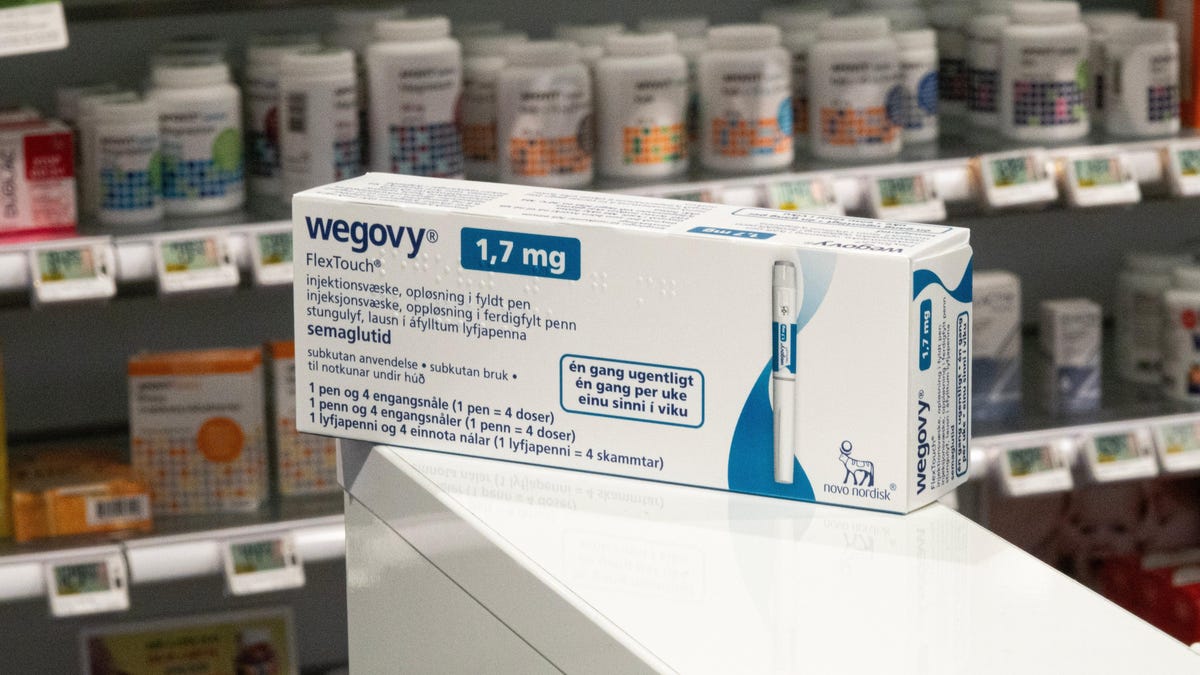
"FDA Probes Hair Loss and Mental Health Concerns in Obesity and Diabetes Drug Side Effects"

The FDA is investigating reports of potential serious side effects, including hair loss and suicidal thoughts, associated with the use of Wegovy and similar weight loss drugs. These drugs, which have been effective in clinical trials for obesity treatment, are now under scrutiny for adverse events reported post-approval. While these reports do not establish causation, they have prompted the FDA to consider regulatory actions, which could range from updated drug labeling to more severe restrictions if the risks are found to outweigh the benefits.

health-and-medicine2 years ago

"Obesity Drug Discontinuation Dilemma: The Struggle to Maintain Weight Loss Post-Medication"

Individuals using Ozempic and Wegovy, drugs initially designed for Type 2 diabetes, for weight loss are experiencing significant weight regain after discontinuing the medication. Patients like Artemis Bayandor have reported gaining more weight than they lost, highlighting the drugs' temporary effect on appetite and fullness. Health experts emphasize that these medications should be taken long-term, similar to treatments for other chronic conditions, to maintain weight loss. However, the high cost and severe side effects, including gastroparesis and unusual dreams, have led some to stop the treatment, resulting in weight gain and other issues like "Ozempic finger" and "Ozempic burp."

health-and-technology2 years ago

"MIT's Vibrating Pill Promises Up to 40% Reduction in Food Intake, Shows Promise in Weight Loss Study"

MIT scientists have developed a vibrating capsule designed to help reduce food consumption by simulating the sensation of fullness, similar to the effect of drinking water before a meal. The capsule works by stimulating mechanoreceptors that signal the brain to produce hormones associated with satiety and digestion. In animal tests, it reduced food intake by about 40%. The technology offers a potential non-surgical, cost-effective alternative to current obesity treatments like GLP-1s. The capsule is powered by a silver oxide battery and is activated by stomach acid. Safety and production scalability are the next steps, along with plans for human trials.

health-and-medicine2 years ago

"Post-Ozempic Weight Rebound: Women Report Intense Hunger and Gain"

Women who used the weight loss drugs Wegovy and Ozempic experienced significant weight loss, but upon discontinuing the medication due to high costs or side effects, not only regained the weight they had lost but also gained additional weight. Experts suggest that these medications, which treat obesity as a chronic disease, need to be taken indefinitely alongside healthy lifestyle changes to maintain weight loss. The high out-of-pocket costs and side effects are major barriers for patients, leading some to consider alternative treatments like bariatric surgery or weight loss apps.

health2 years ago

"2023's Revolutionary Anti-Obesity Drugs: A Modern Approach to Weight Loss"

New GLP-1 agonist weight-loss drugs like Novo Nordisk's Wegovy have shown promising results in combating obesity, with patients experiencing significant weight loss. However, high demand and steep prices are limiting access, particularly for marginalized groups and those on government health plans. The pharmaceutical industry is expanding with competitors entering the market, potentially reaching a $100 billion value. Concerns about long-term effects and equitable access are prompting discussions among healthcare professionals on how to best utilize these treatments for those in need, while also considering the affordability and sustainability of weight loss through medication.

health2 years ago

"2023's Breakthrough Anti-Obesity Drugs: A Modern Solution for Weight Loss"

Powerful weight-loss drugs like Wegovy and Ozempic have shown promise in treating obesity, with potential benefits for related health conditions. However, high demand and costs are limiting access, particularly among marginalized groups. The market for these GLP-1 agonist drugs is expanding, with companies like Eli Lilly entering the fray, but issues of long-term affordability, insurance coverage, and equitable access remain pressing concerns. Health experts are also considering the long-term effects and the necessity of these drugs for individuals without serious health risks associated with obesity.

health2 years ago

"Experts Caution Against Weight-Loss Drugs as Alternative to Healthy Lifestyle Choices"

Health experts are cautioning against the use of weight-loss injections, such as semaglutide, as a quick fix for post-Christmas weight gain. These drugs, which are intended for obesity treatment and require strict diet and exercise regimes, are being misused in response to festive overindulgence. The misuse is exacerbated by online pharmacies that may provide the drugs with minimal oversight. Experts emphasize that these medications are not without side effects and are not suitable for everyone, warning against a binge-then-diet approach to weight management and highlighting the potential for harmful physical and mental health consequences.

health-and-wellness2 years ago

"2024's Breakthrough Obesity Drugs Promise Easier Weight Loss Solutions"

In 2024, Florida is seeing a surge in the use of weight loss drugs like Ozempic, Wegovy, and the newly FDA-approved Zepbound, all of which contain compounds that reduce appetite. Despite their popularity, experts warn of potential side effects and the lack of long-term sustainability without lifestyle changes. New drugs are in development, including one that mimics the effects of exercise. Health professionals emphasize the importance of consulting with a doctor before starting any weight loss regimen and caution against relying solely on medications without addressing underlying issues such as hormonal imbalances or unhealthy eating habits.