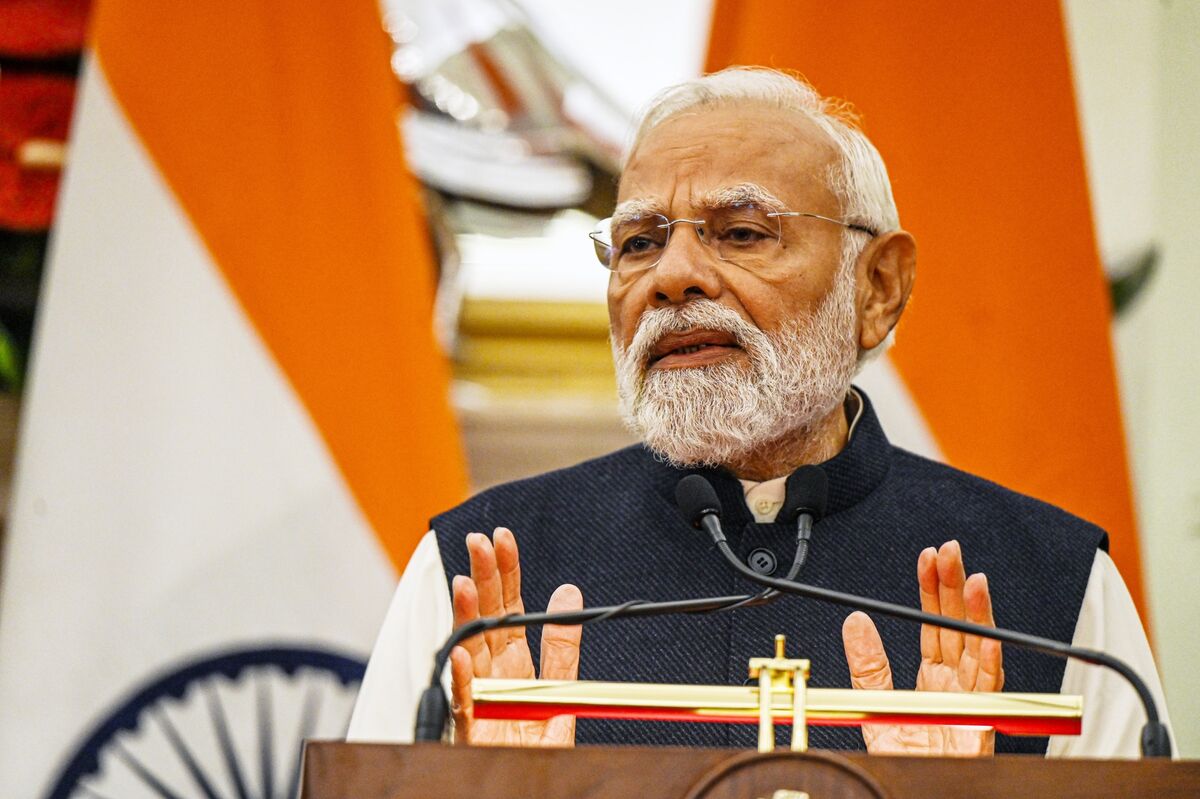
India's government, led by Modi, has approved significant reforms including opening the nuclear industry to private firms, allowing full foreign ownership of insurance companies, and unifying securities laws, aiming to attract investments and boost economic growth amidst US trade tensions. These measures are part of a broader strategy to diversify the economy, attract long-term capital, and achieve developed nation status by 2047, despite challenges like US tariffs and currency depreciation.
Prolonged exposure to low-dose ionizing radiation in the workplace is associated with a higher risk of death from cancer than previously estimated, according to a study tracking the deaths of workers in the nuclear industry. The research suggests that current rules on workplace protection from low-dose radiation may need to be revised. Previous risk estimates were based on studies of atomic bomb survivors, but the new data from the International Nuclear Workers Study (INWORKS) indicate that these estimates may underestimate the cancer risks from prolonged exposure to lower doses of ionizing radiation. The study found that the risk of death from solid cancers increased by 52% for every unit of radiation absorbed, and even workers exposed to the lowest cumulative doses had a doubled risk of death from solid cancers. The researchers hope that these findings will inform the assessment of low-dose radiation risks and lead to an update in the system of radiological protection.