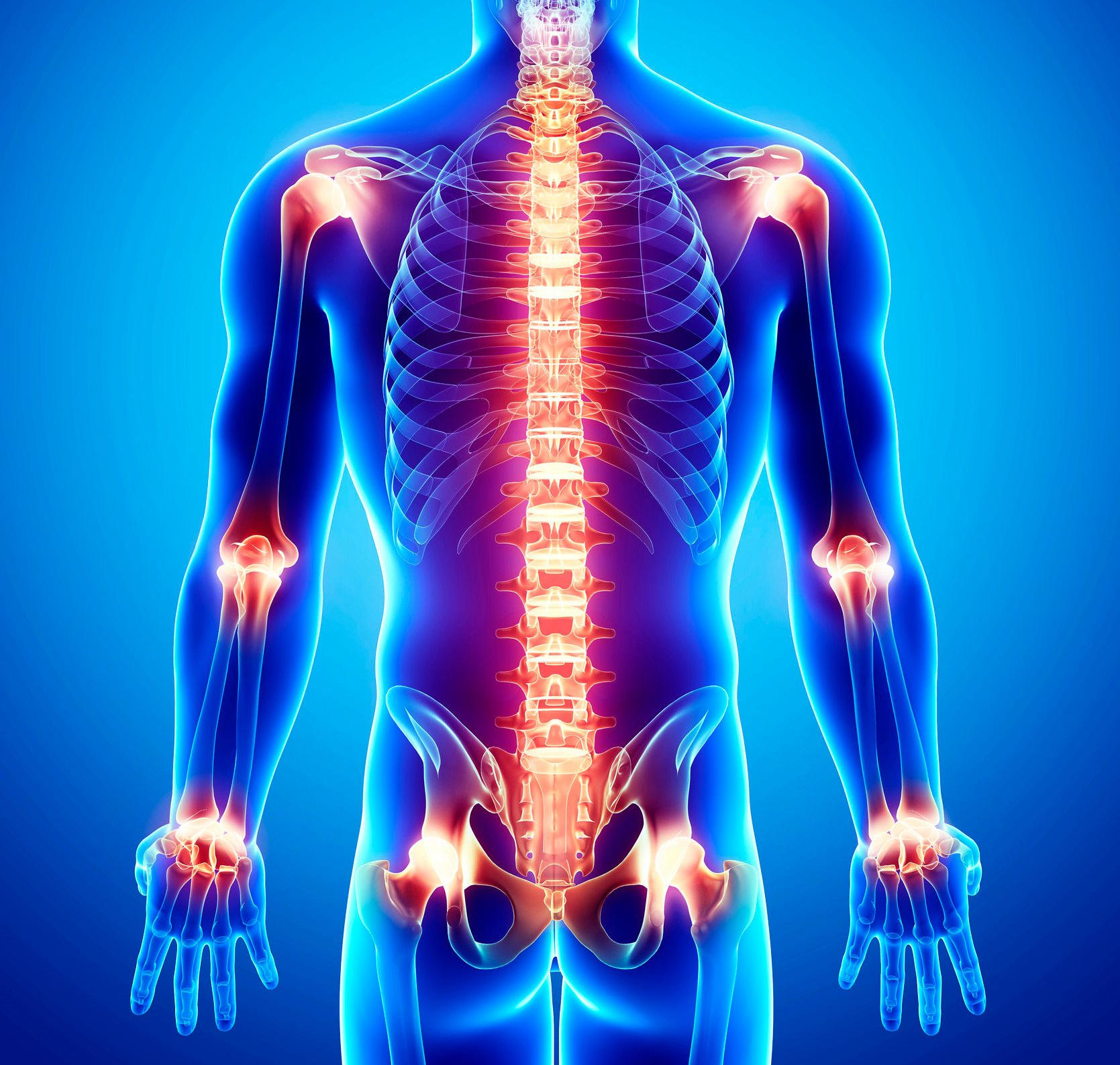
A recent clinical trial suggests that a single course of low-dose radiation therapy may reduce pain and improve mobility in individuals with mild to moderate knee osteoarthritis, potentially delaying the need for surgery, with no significant side effects observed.
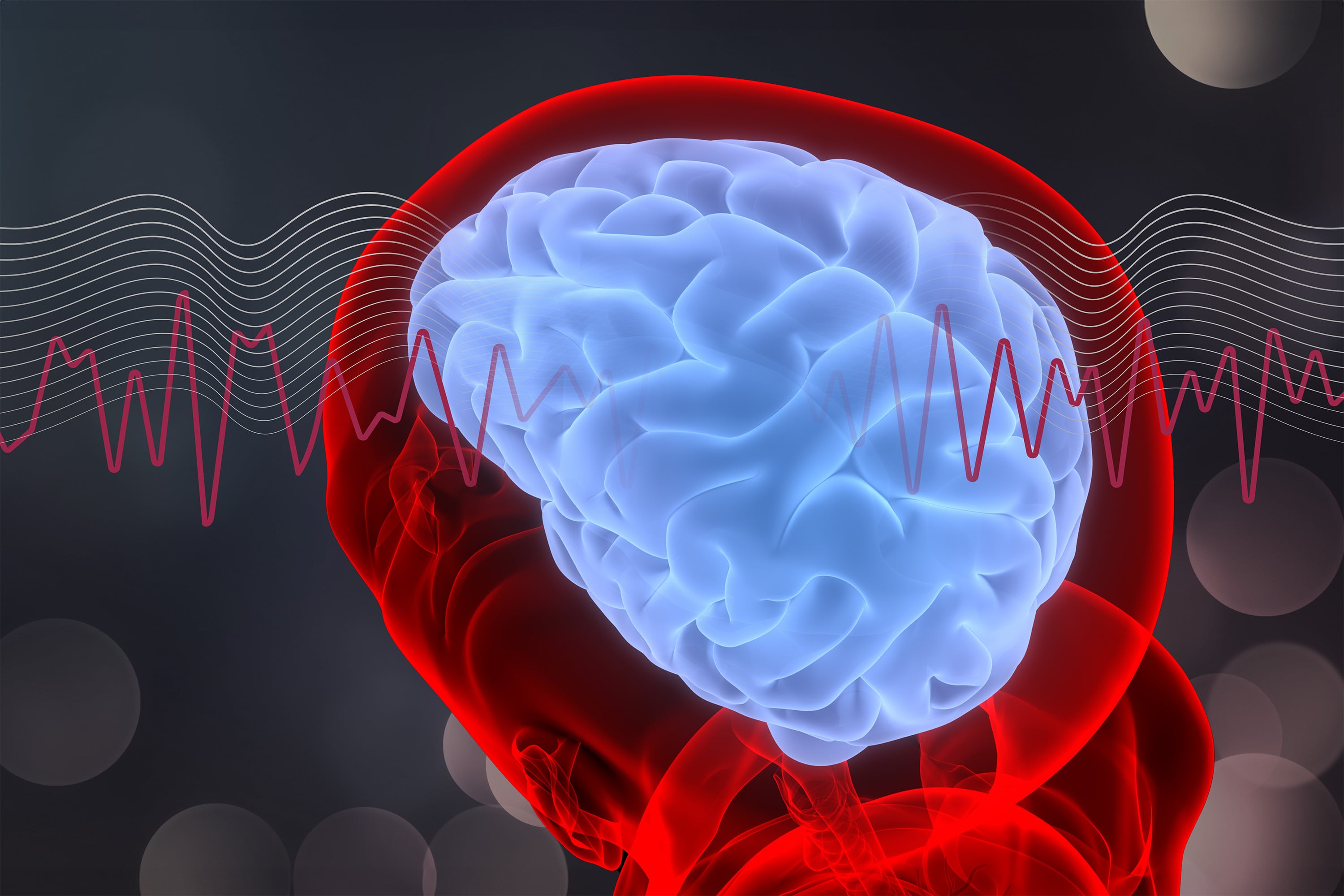
MIT researchers have discovered that a noninvasive treatment involving light and sound stimulation at 40 hertz can protect brain cells from chemotherapy-induced damage and prevent memory loss and cognitive impairment in mice. This treatment, originally developed for Alzheimer's disease, has shown promising effects in countering the cognitive effects of chemotherapy and has potential applications for various neurological disorders. The treatment stimulates gamma waves in the brain, reducing DNA damage, inflammation, and promoting the production of myelin-producing cells. Clinical trials in Alzheimer's patients have shown positive results, and the researchers are now exploring its potential for other neurological conditions.
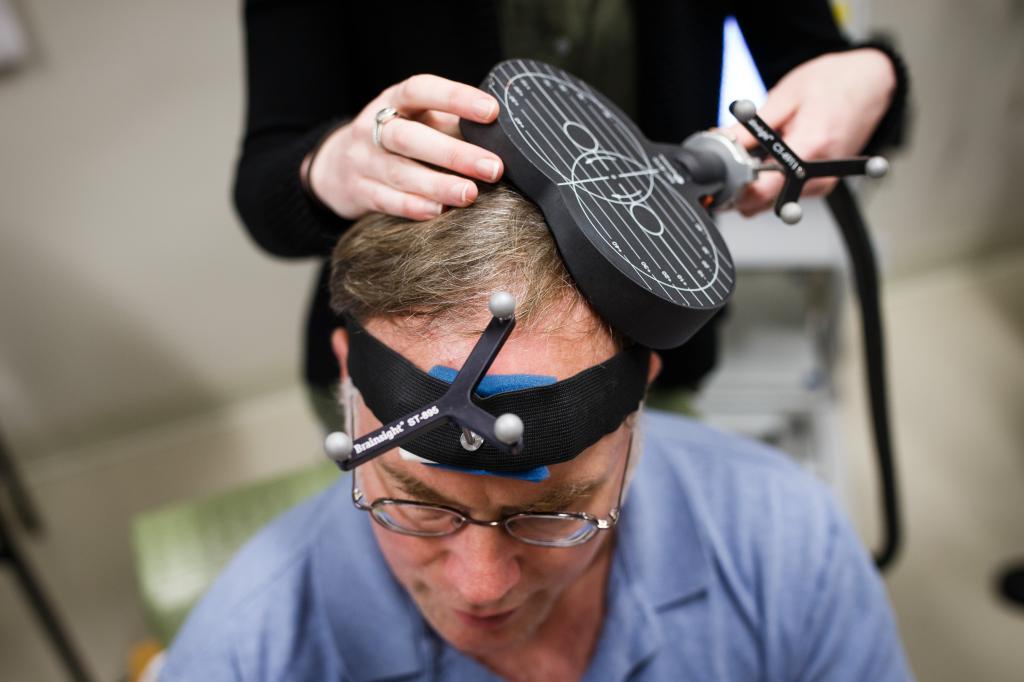
A new study from UCLA Health has found that repetitive transcranial magnetic stimulation (rTMS), a type of transcranial magnetic stimulation (TMS), can effectively ease symptoms of major depression within a week of treatment. TMS is a noninvasive therapy that uses magnetic pulses to stimulate nerve cells in the brain region associated with mood control and depression. The FDA has approved TMS for the treatment of major depressive disorder, as well as other conditions such as obsessive-compulsive disorder and migraines. The study showed that 54% of patients treated with rTMS experienced at least a 50% improvement in depression symptoms. The early improvements observed within the first few treatments can help doctors tailor the treatment approach for each patient.
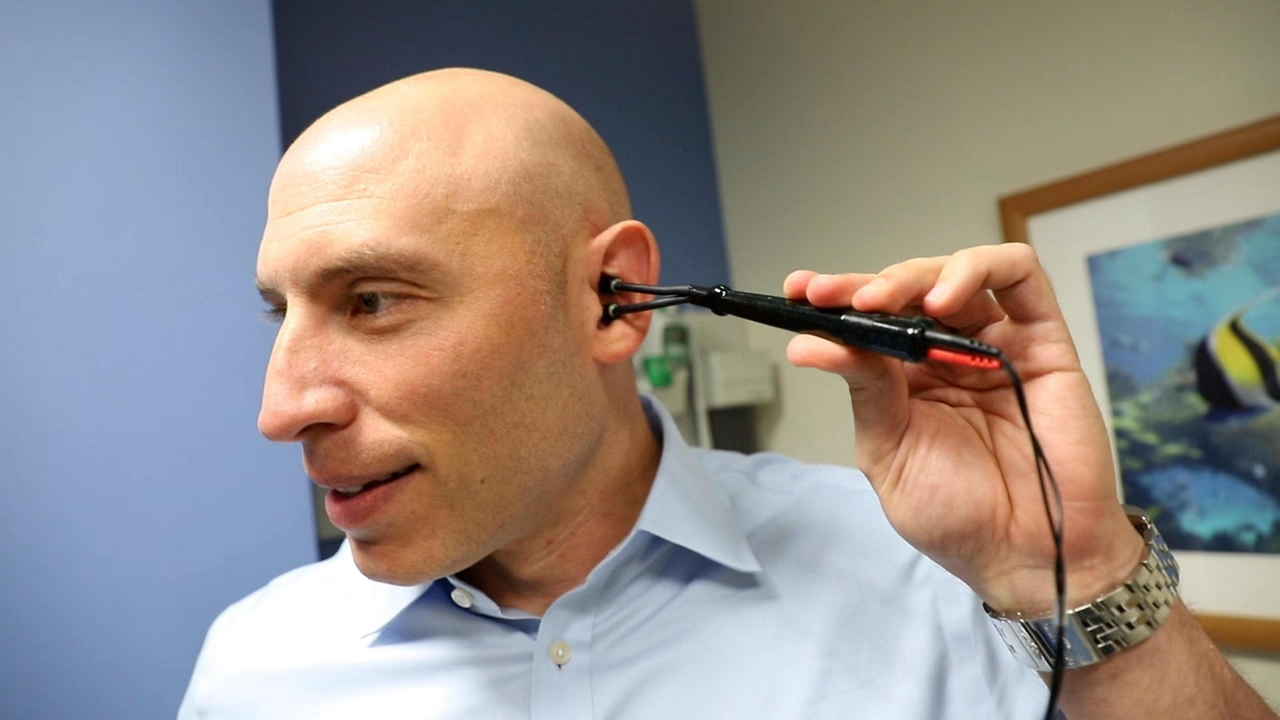
A study conducted by the Feinstein Institutes for Medical Research in Manhasset found that young people suffering from mild to moderate Crohn's disease or ulcerative colitis may experience reduced inflammation and symptom relief through noninvasive vagus nerve stimulation via the ear. Over 64% of participants experienced reduced inflammation, with about one-third of ulcerative colitis patients and half of Crohn's disease patients having no symptoms by the end of the 16-week study. The treatment, which involves placing a noninvasive probe in the ear, activates the vagus nerve and sends signals to the body to decrease inflammation. This non-medication-based therapy may be a promising alternative for children with gastrointestinal illnesses who are at risk of infections from immune-suppressive medications.
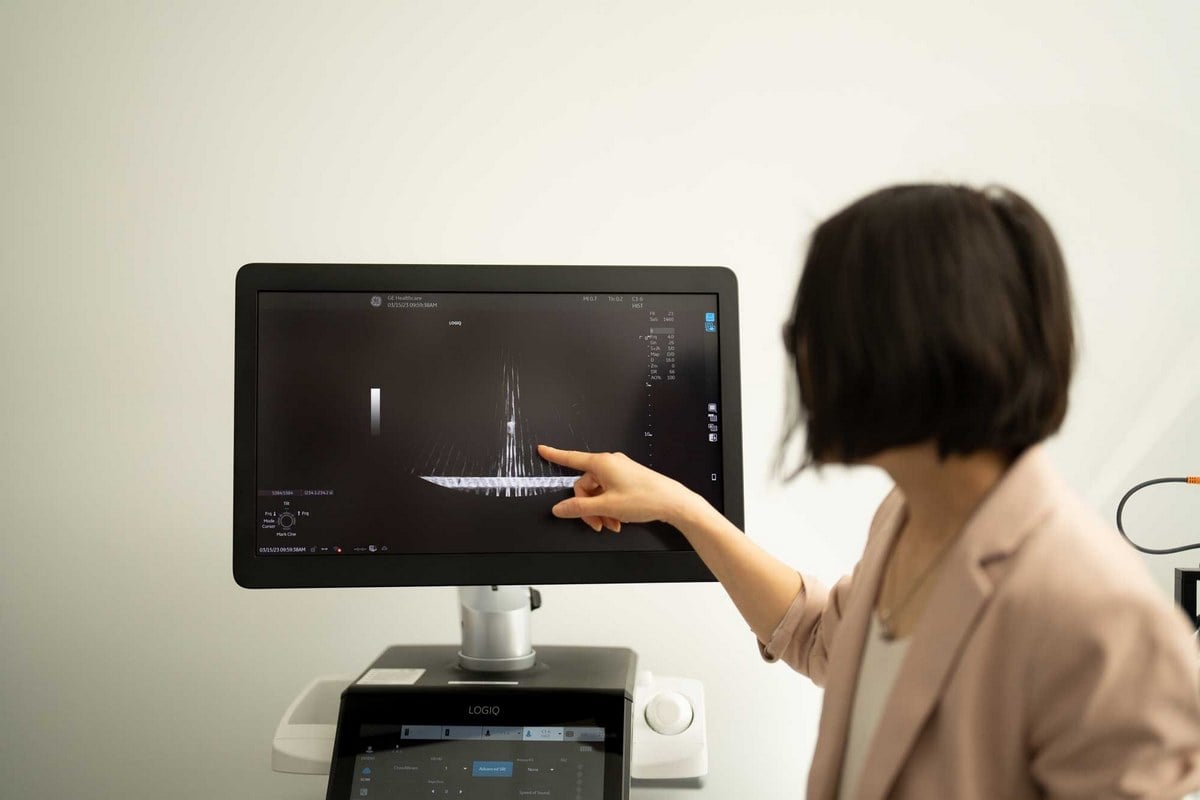
A new noninvasive treatment option for liver cancer called histotripsy, which uses high-energy acoustics to destroy tumors with sound, has been approved by the FDA. The method involves using targeted ultrasound waves to form microbubbles within the tumor, causing it to break apart and be cleared by the immune system. Histotripsy offers a precise and non-traumatic alternative to surgery, chemotherapy, and radiation, and has shown potential in stimulating immune responses against cancer. Researchers hope to combine histotripsy with immunotherapy or drug delivery to treat tumors globally and eventually find a cure for cancer.
Scrambler therapy, a noninvasive treatment approved by the FDA, may provide significant and potentially permanent relief for 80%–90% of chronic pain patients, according to a review paper co-authored by Johns Hopkins pain experts. The therapy uses electrodes to "scramble" pain signals, potentially surpassing the efficacy of TENS. By replacing pain signals with signals from adjacent pain-free areas, the therapy aims to reset the brain's perception of chronic pain. Scrambler therapy has shown promising results, reducing opioid use and offering long-lasting relief for patients.
Scrambler therapy, a noninvasive pain treatment, has shown promising results in alleviating chronic pain, according to researchers at Johns Hopkins Medicine. The therapy involves administering electrical stimulation through the skin to replace pain signals with signals from pain-free areas, effectively "scrambling" the pain signals sent to the brain. Scrambler therapy has been found to be more effective than transcutaneous electrical nerve stimulation (TENS), another noninvasive therapy. The treatment has the potential to provide significant and long-lasting relief for chronic pain patients, reducing the need for opioids.