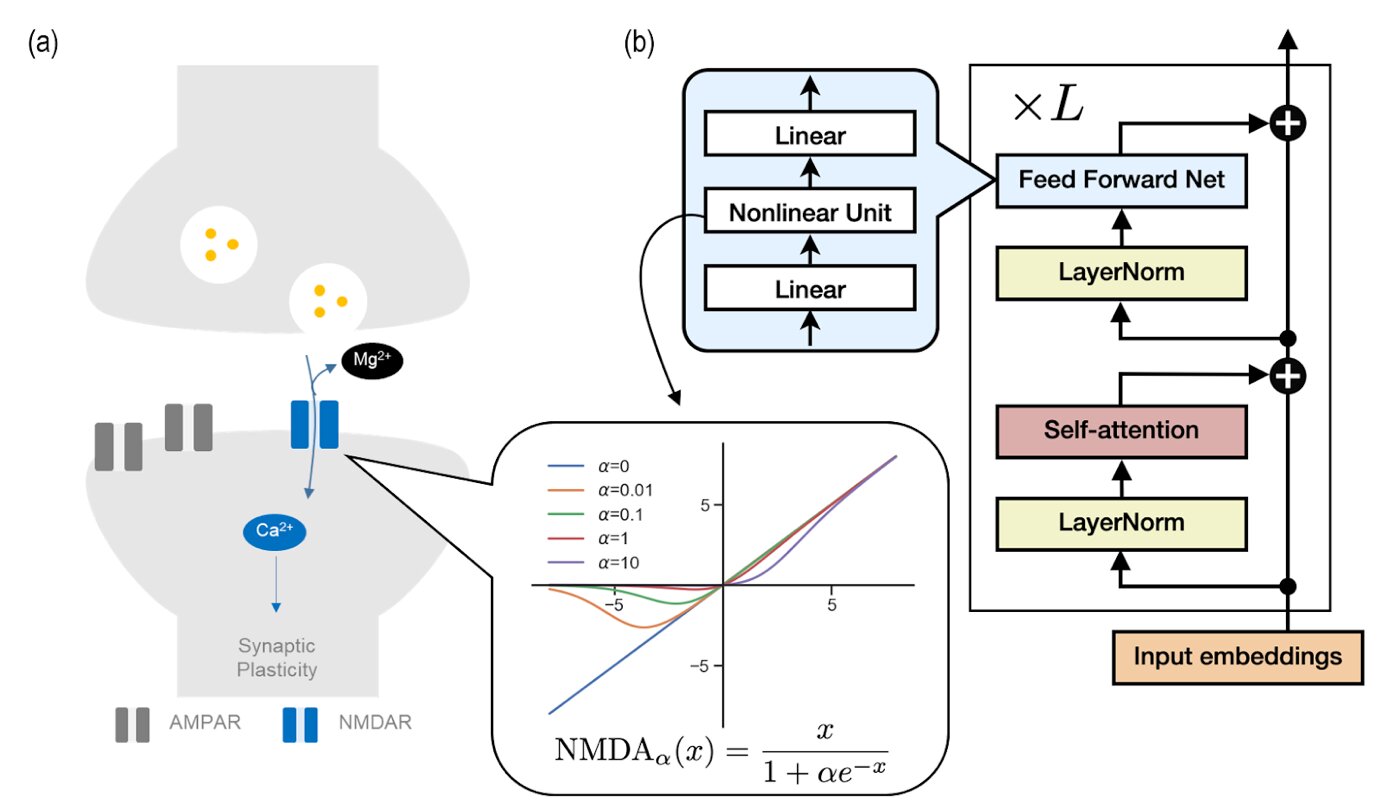
Researchers have discovered a striking similarity between AI memory processing in the Transformer model and the memory functions of the human brain's hippocampus. The study found that the Transformer model employs a gatekeeping process similar to the brain's NMDA receptor, which is crucial for memory consolidation. This research not only advances the development of Artificial General Intelligence (AGI) but also deepens our understanding of human memory mechanisms. The findings offer potential for developing more efficient, brain-like AI systems and shed light on the workings of the human brain through AI models.
Researchers have discovered a striking similarity between the memory processing of artificial intelligence (AI) models, specifically the Transformer model, and the hippocampus of the human brain. By applying principles of human brain learning, the team found that the Transformer model uses a gatekeeping process similar to the brain's NMDA receptor, which facilitates memory formation. Mimicking the NMDA receptor's gating process in the Transformer model led to enhanced memory, suggesting that AI models can learn using established knowledge in neuroscience. This research opens up possibilities for developing low-cost, high-performance AI systems that learn and remember information like humans, while also providing valuable insights into the workings of the brain through AI models.