A study by New York University found that a cavity-fighting liquid, silver diamine fluoride (SDF), can prevent 80% of cavities and protect existing ones from worsening, offering an effective and affordable dental treatment option.
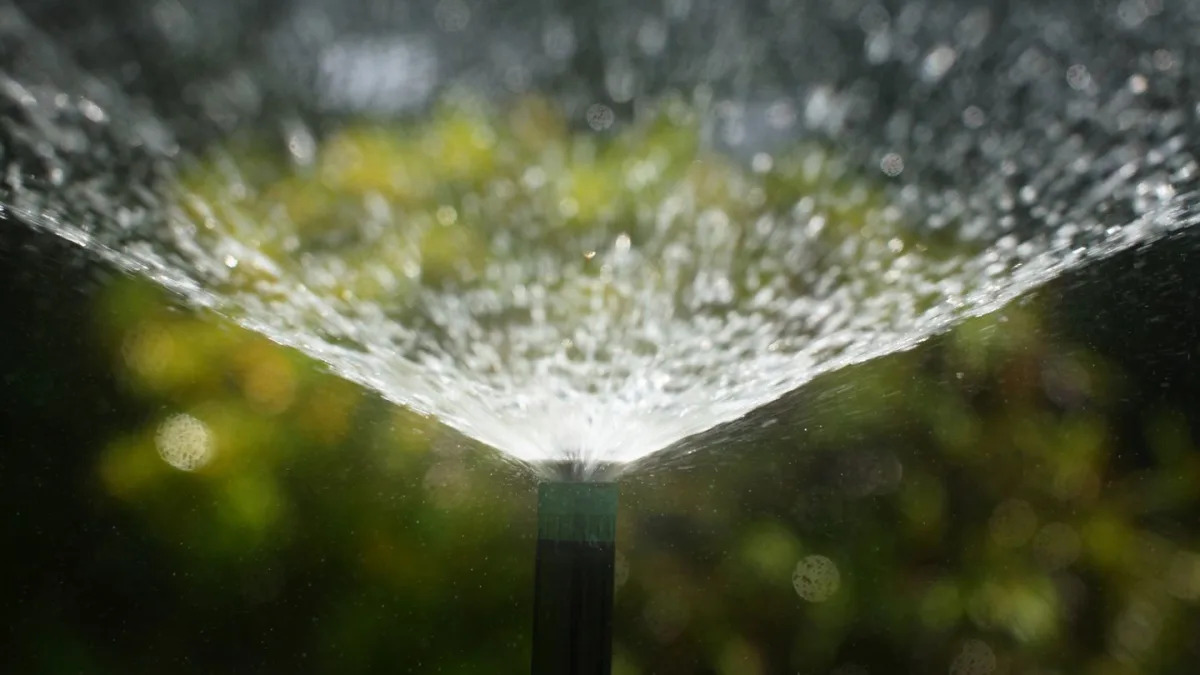
After 141 years, scientists from New York University have finally solved the "reverse sprinkler" problem by designing a device that sucks in water and discovered that it spins counter-clockwise 50 times slower than a normal sprinkler. This breakthrough sheds light on fluid dynamics and could help us better understand sustainable energy sources like wind and water currents.
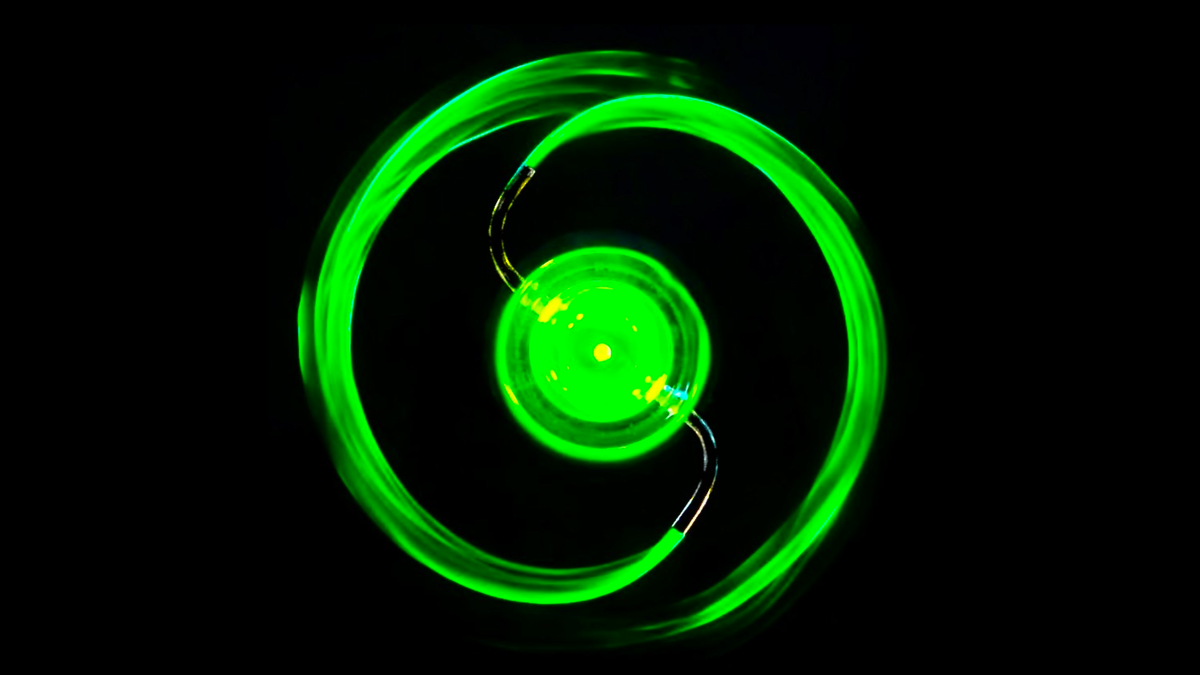
After 141 years of speculation, a team of researchers at New York University has successfully demonstrated and explained the behavior of a reverse sprinkler underwater, a question that has puzzled physicists since the 1880s. Using high-resolution, high-speed cameras and dyeing the water, the team found that the reverse sprinkler does rotate in the opposite direction to a regular sprinkler, albeit at a much slower speed, due to the collision of sucked-in water jets inside the device. The study's methods may have practical applications for devices responding to flowing air or water.
New York University (NYU), the largest university in New York state with an endowment of over $5 billion, has committed to divest from fossil fuels following years of pressure from student activists. In a letter addressed to a student activist group, NYU's board of trustees chair, William R Berkley, stated that the university will avoid direct investments in companies primarily involved in fossil fuel exploration or extraction. The commitment applies to the top 200 coal, oil, and gas companies. While this is a significant win for the climate movement, student organizers believe there is more NYU can do to cut ties with the oil and gas industry, including eliminating fossil fuel funding for research and disaffiliating from fossil fuel companies.