Despite efforts by the Trump administration to cut climate programs, the $5 billion EV charging station initiative from the Biden era has persisted, with over 40 states actively unlocking funds and planning new infrastructure, driven by court rulings and increasing EV adoption, although some programs remain uncertain due to policy shifts.
The Trump administration has resumed a federal program to fund high-speed EV chargers after a six-month freeze and legal challenges, streamlining requirements but causing delays and mixed reactions from stakeholders.
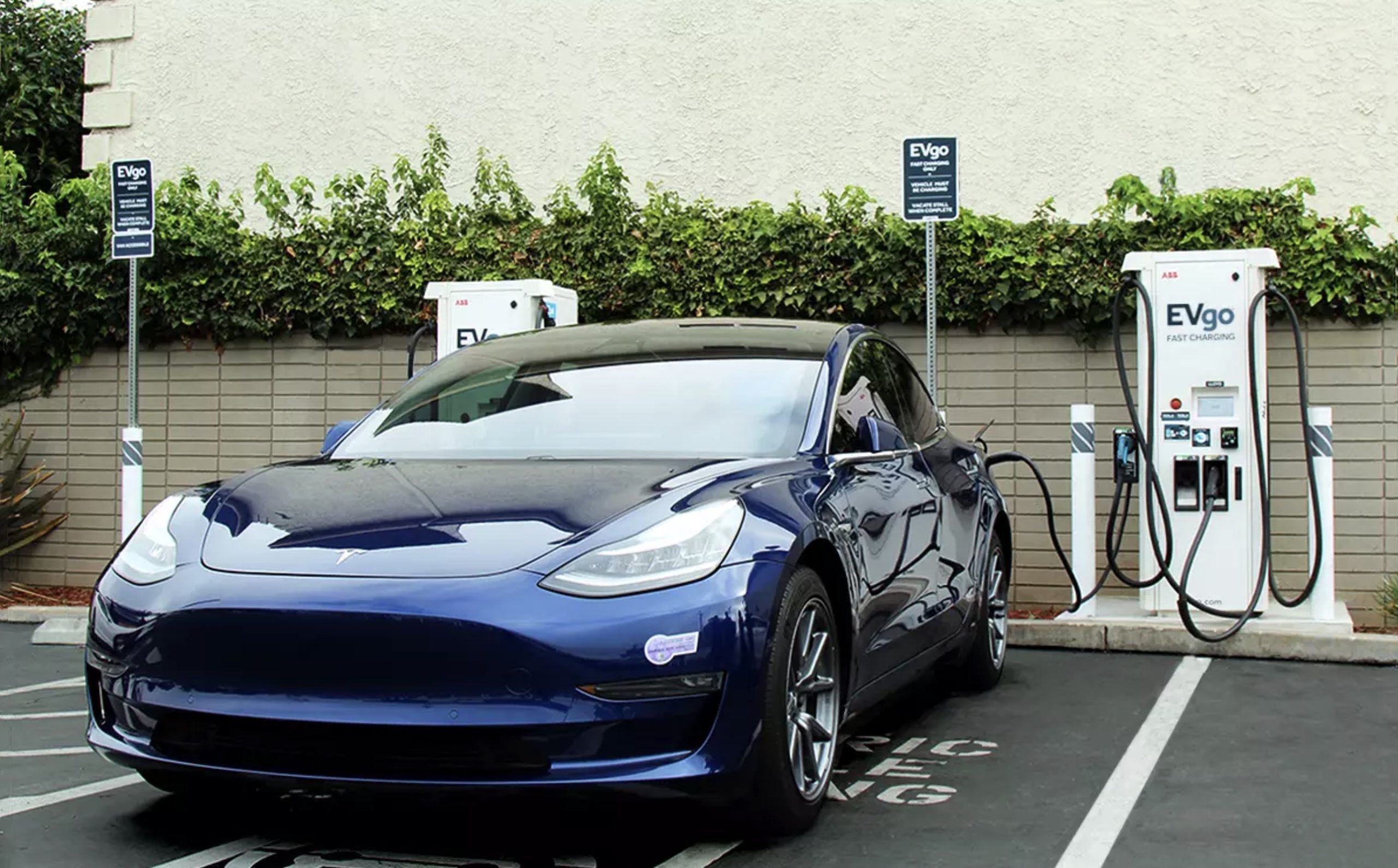
The first electric vehicle (EV) charging station funded by President Joe Biden's National Electric Vehicle Infrastructure (NEVI) program has opened in Ohio. The station, installed by EVgo, features four charging stalls and is capable of delivering up to 350 kW of power. Ohio expects to receive $140 million in NEVI funds over five years, with the first batch of EV fast-chargers funded by the program set to open by the end of next year. Other states, including Vermont, Pennsylvania, and Maine, have also broken ground on their first NEVI-funded charging stations. The NEVI program aims to establish 500,000 public EV chargers across the U.S. by 2030.
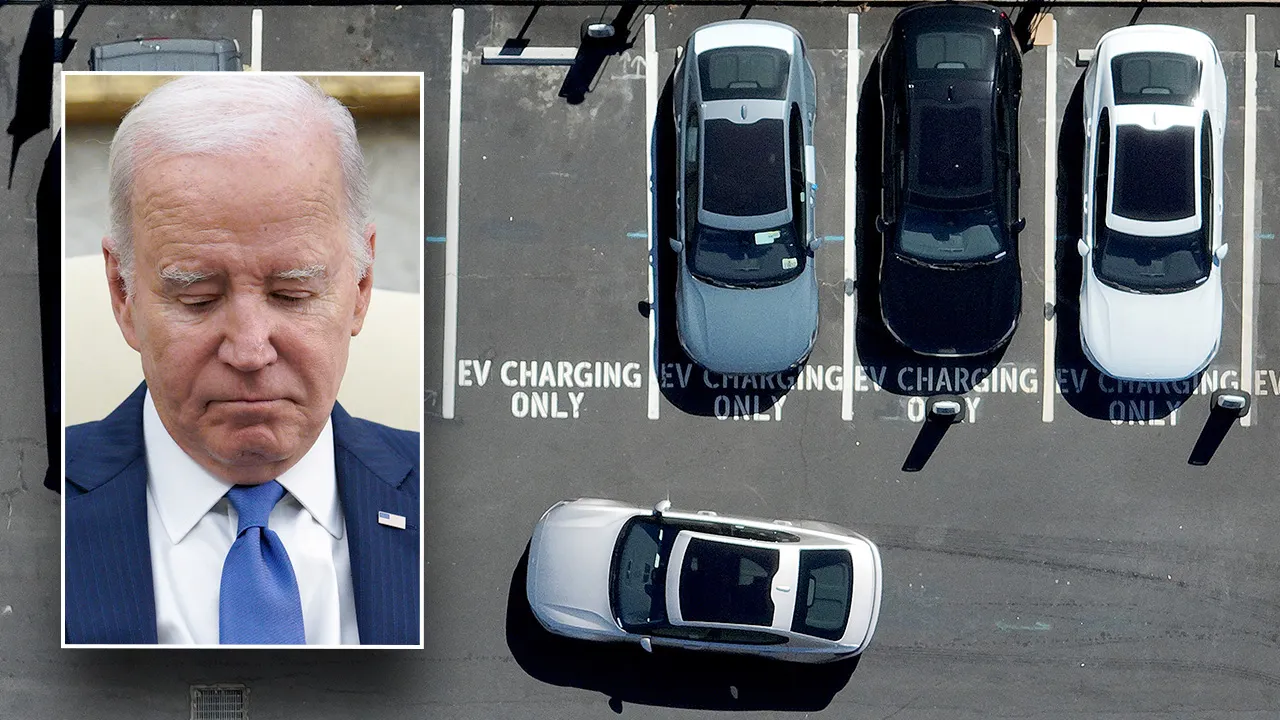
President Biden's $7.5 billion plan to build a nationwide electric vehicle (EV) charging network, as part of the Infrastructure Investment and Jobs Act, has yet to produce a single charger two years later. Only $101.5 million has been distributed for seven state awards, with just two projects underway. Critics argue that the lack of demand for EVs, technological shortcomings, and stringent federal requirements are hindering progress. However, proponents emphasize the need to accelerate the deployment of charging infrastructure to achieve Biden's goal of 50% electric car purchases by 2030.
Not a single electric vehicle charging station has been constructed in the two years since President Joe Biden allocated $7.5 billion for a national network of charging stations. Delays in the implementation of the National Electric Vehicle Infrastructure (NEVI) program have been attributed to the red tape of contracting and performance requirements. The NEVI program aims to build fast chargers along major interstates, with chargers required to be built at least every 50 miles and operational 97 percent of the time. Only two charging stations have started construction so far, and industry insiders expect a surge of stations to break ground in early 2024. The delays could impact Biden's electric vehicle agenda and messaging during his 2024 reelection bid.