Researchers discovered that two types of brain immune cells, microglia, act as internal 'accelerators' and 'brakes' to regulate anxiety levels in mice, suggesting new avenues for understanding and treating anxiety disorders in humans.
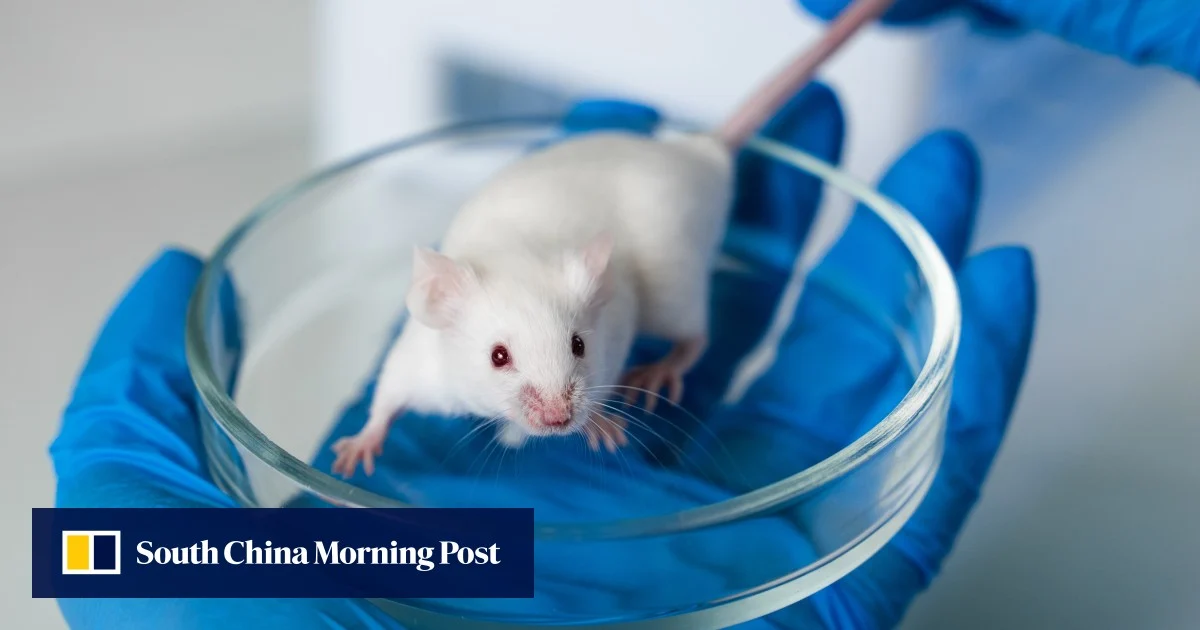
Chinese scientists have successfully transplanted human stem cell-derived dopamine-producing neurons into mice, reducing depressive behaviors and increasing pleasure, offering potential new treatments for neuropsychiatric disorders like major depressive disorder.
New research suggests that blocking kappa opioid receptors (KOR) can restore normal dopamine signaling in mouse models with a rare mutation, offering a potential safer treatment for disorders like ADHD, autism, and bipolar disorder by targeting dopamine imbalances without the side effects of current therapies.