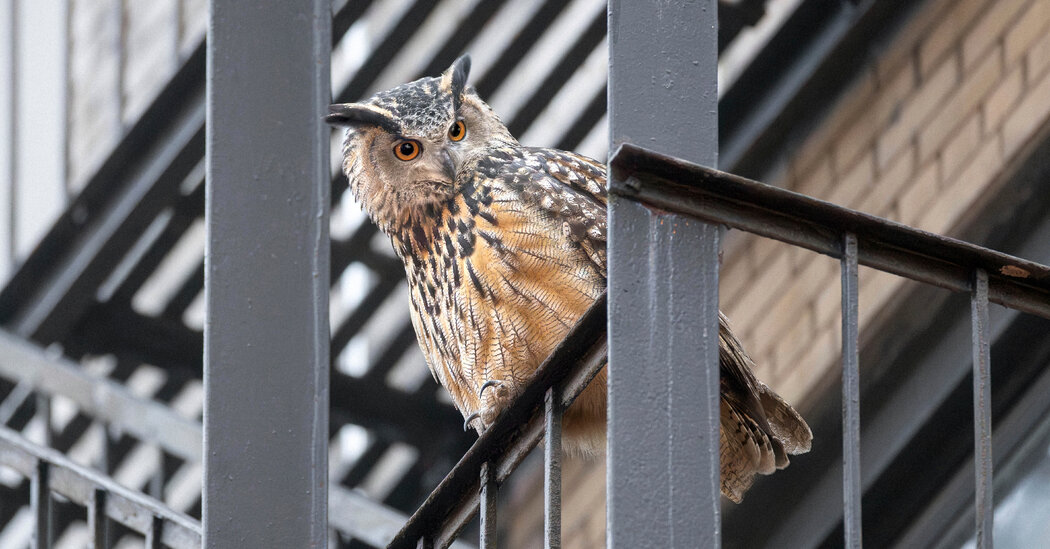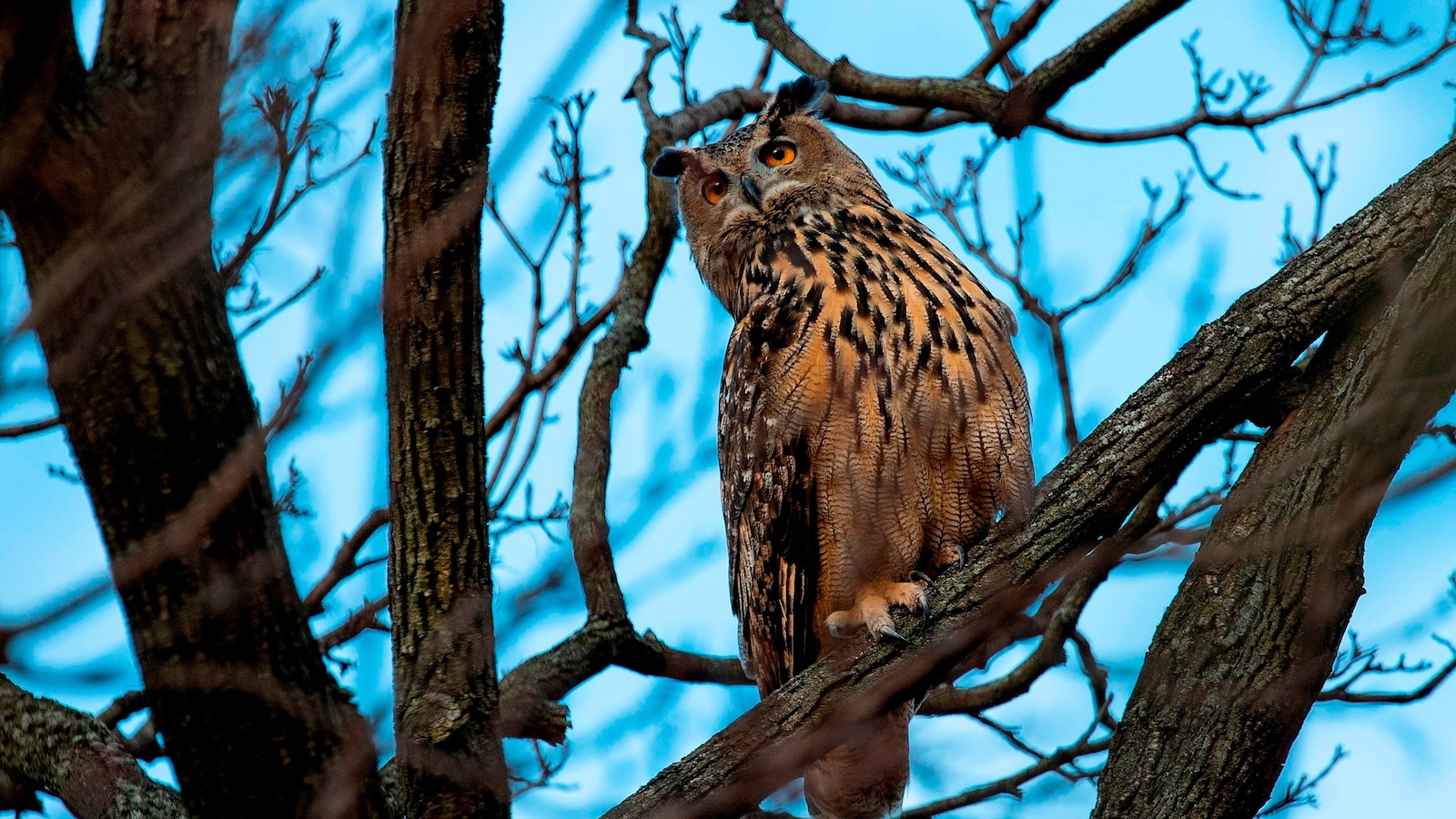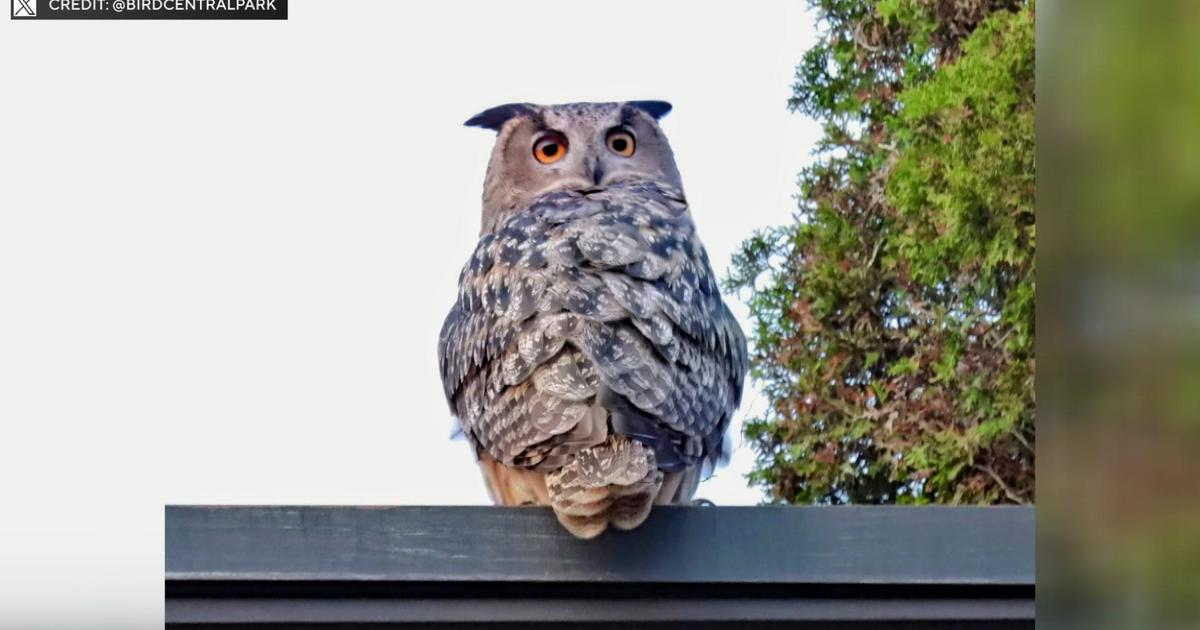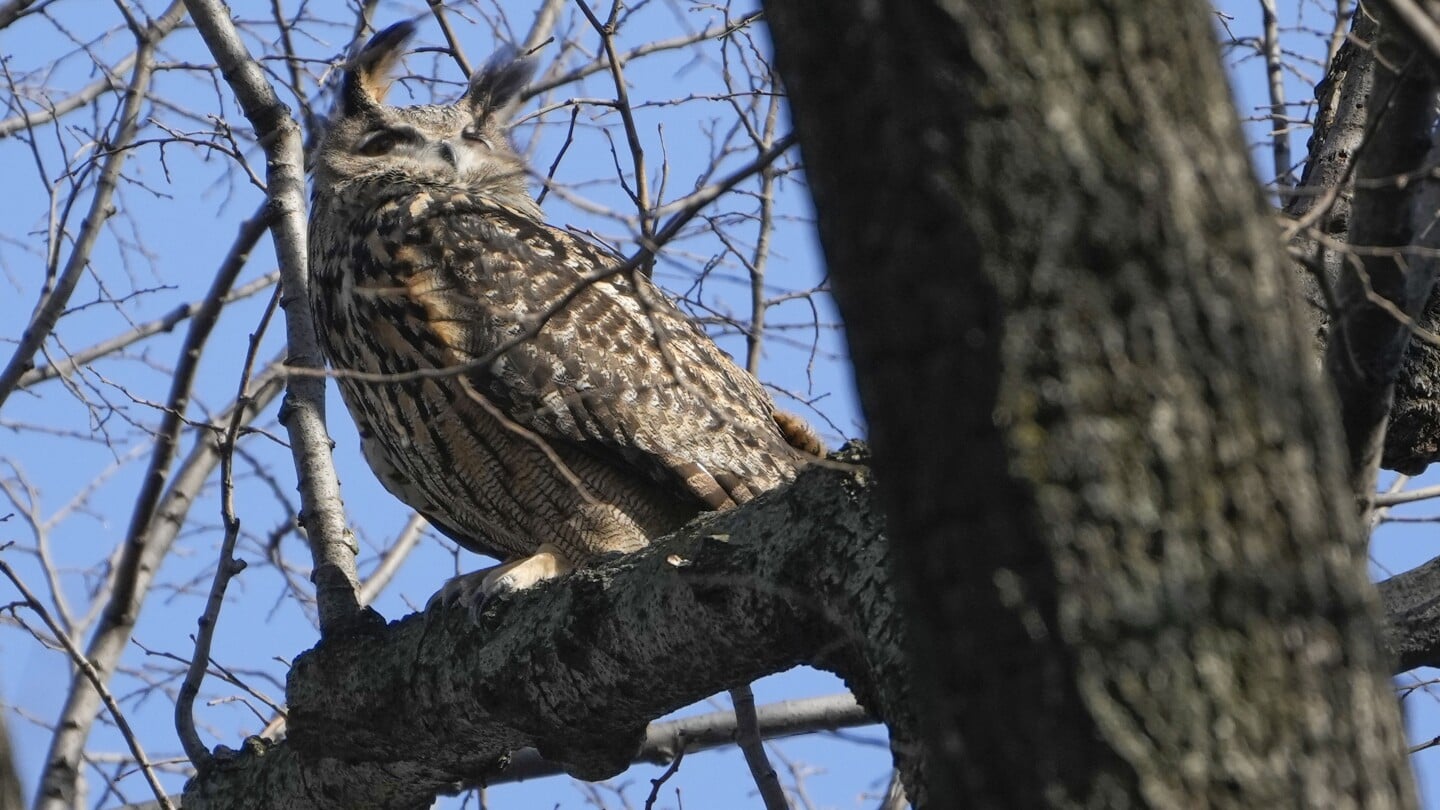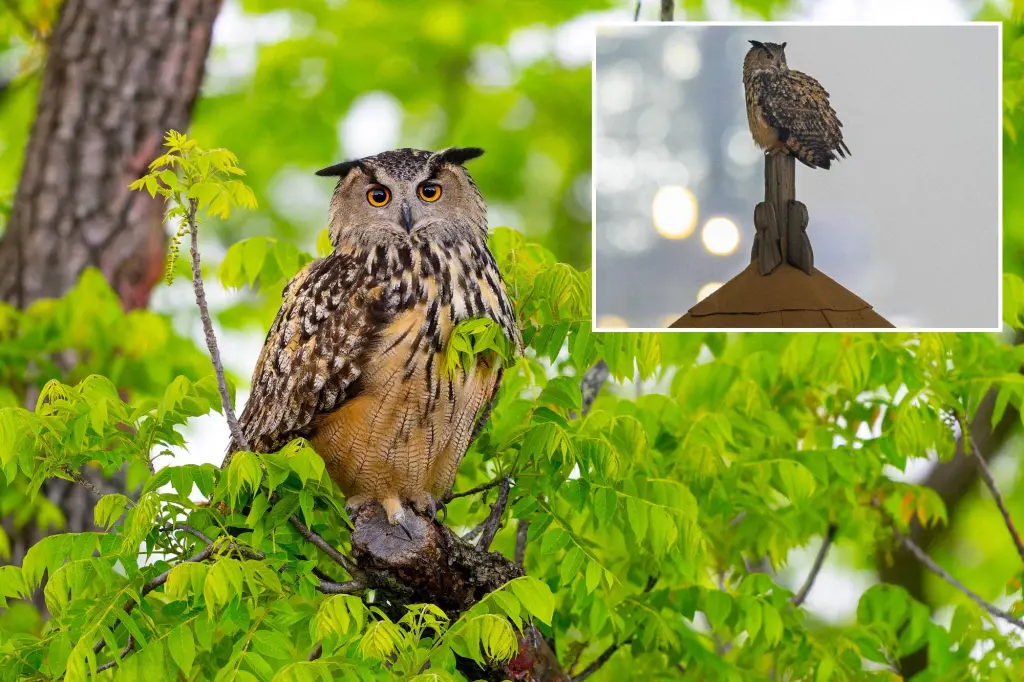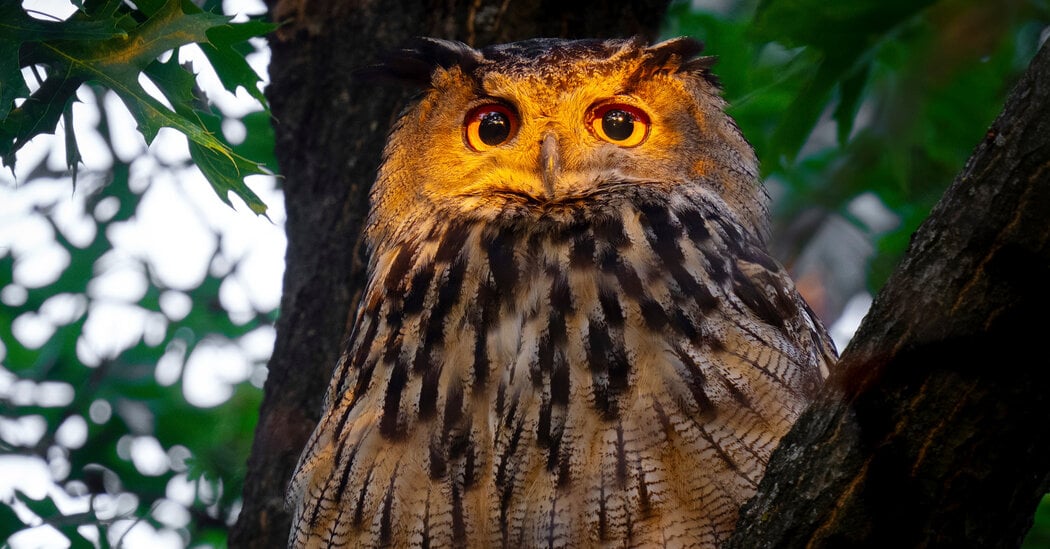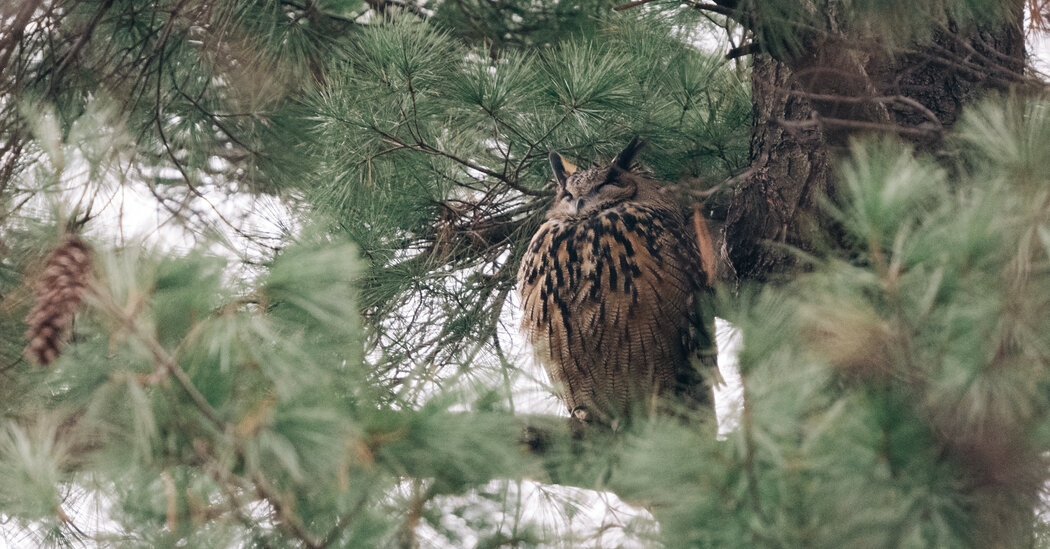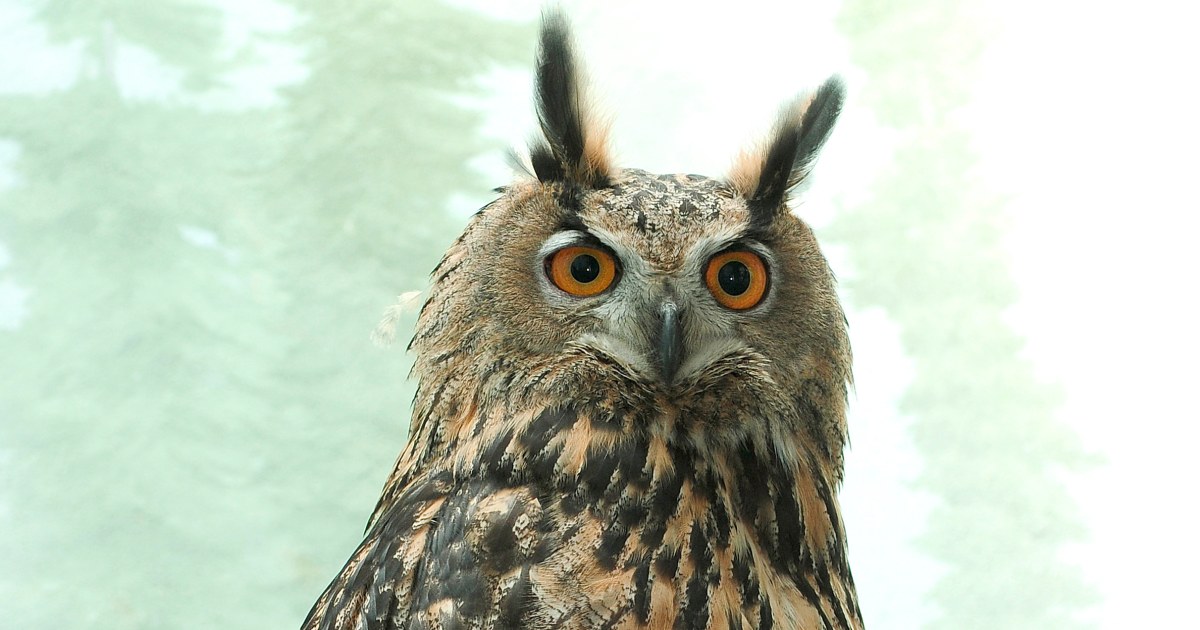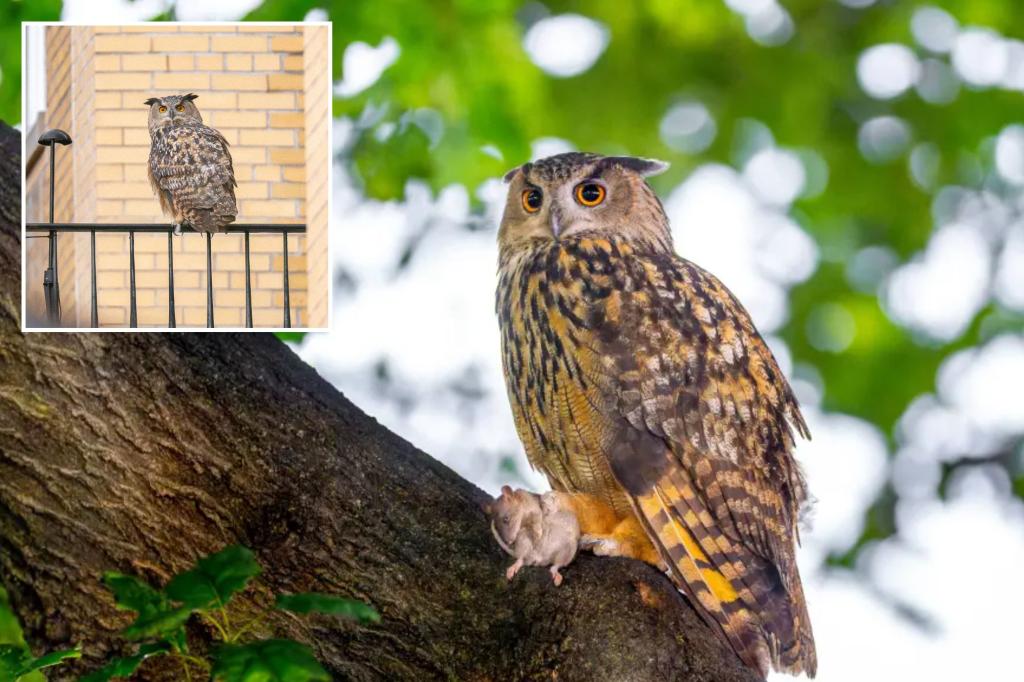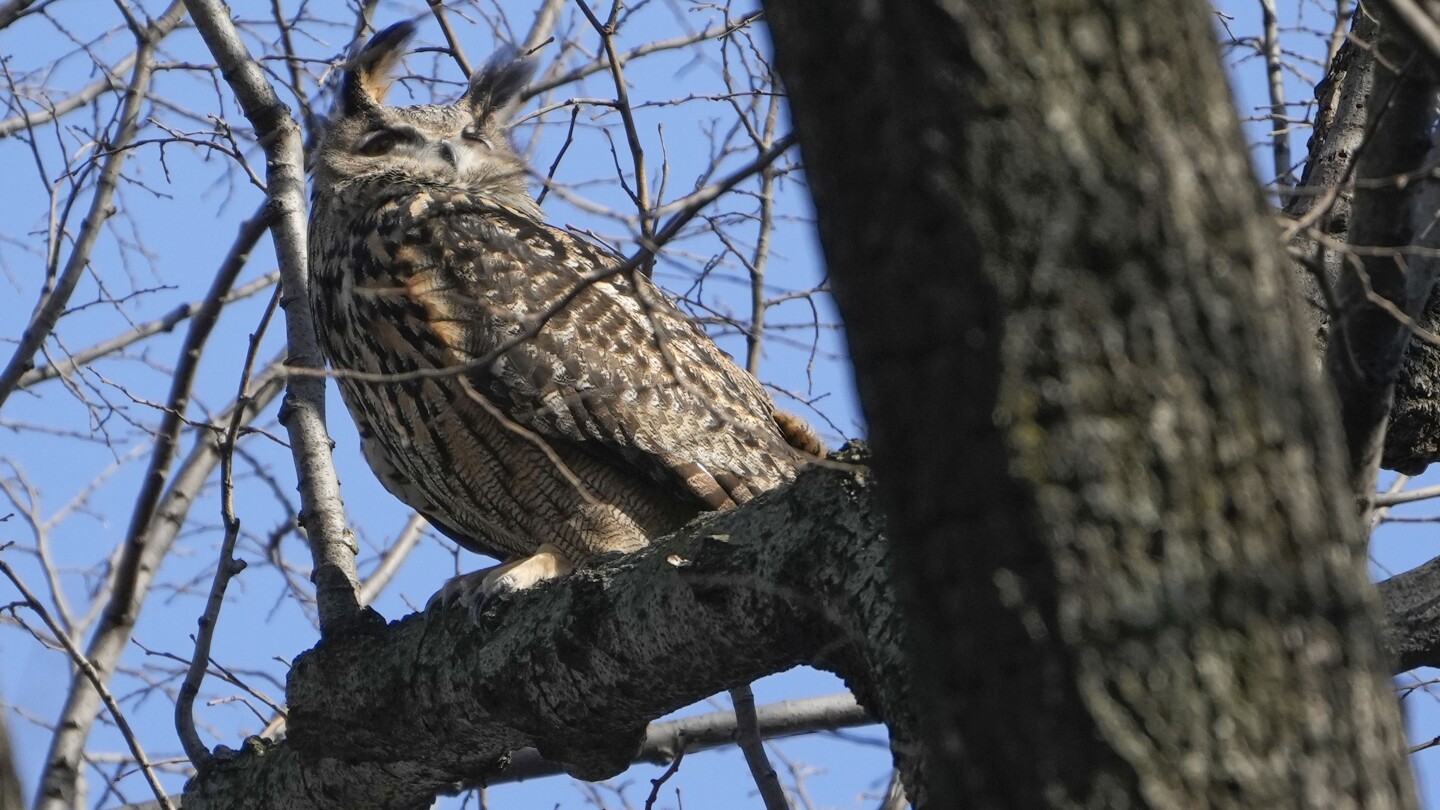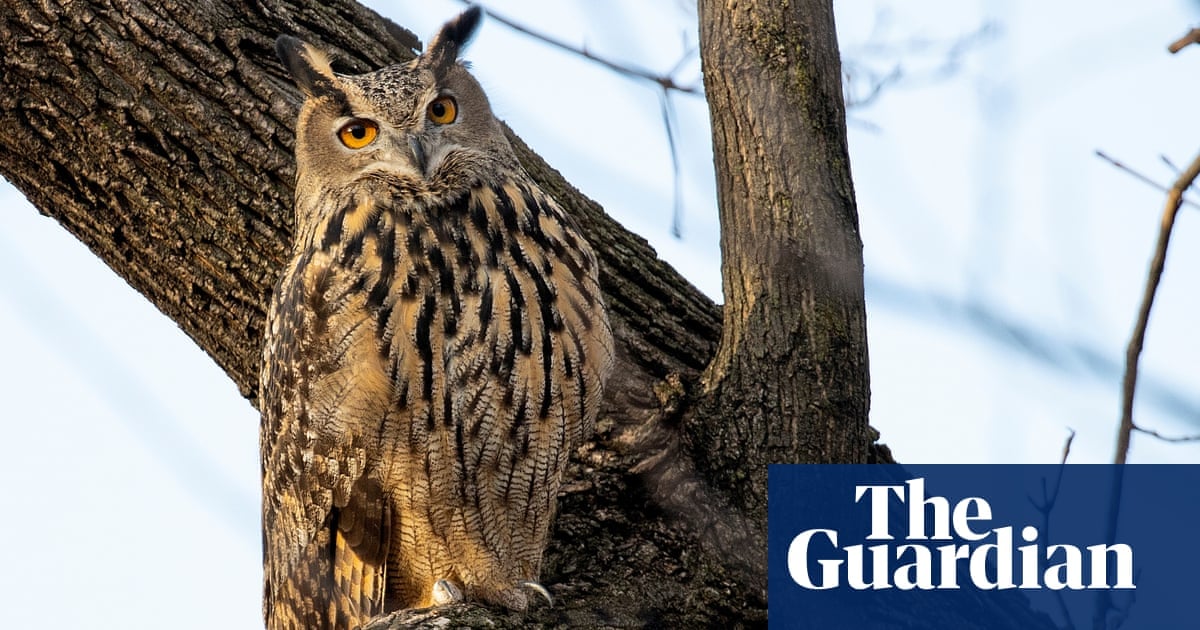
Flaco, the famous Eurasian eagle owl that escaped captivity and lived in New York City, was found to have fatal conditions including rat poison exposure and a pigeon virus, which would likely have killed him even if he hadn't collided with a building. The postmortem revealed severe tissue damage and inflammation in several organs due to the viral infection, as well as exposure to DDE, a breakdown product of the pesticide DDT. The combination of infectious disease, toxin exposures, and traumatic injuries ultimately led to Flaco's death, highlighting the hazards faced by wild birds, especially in an urban setting.
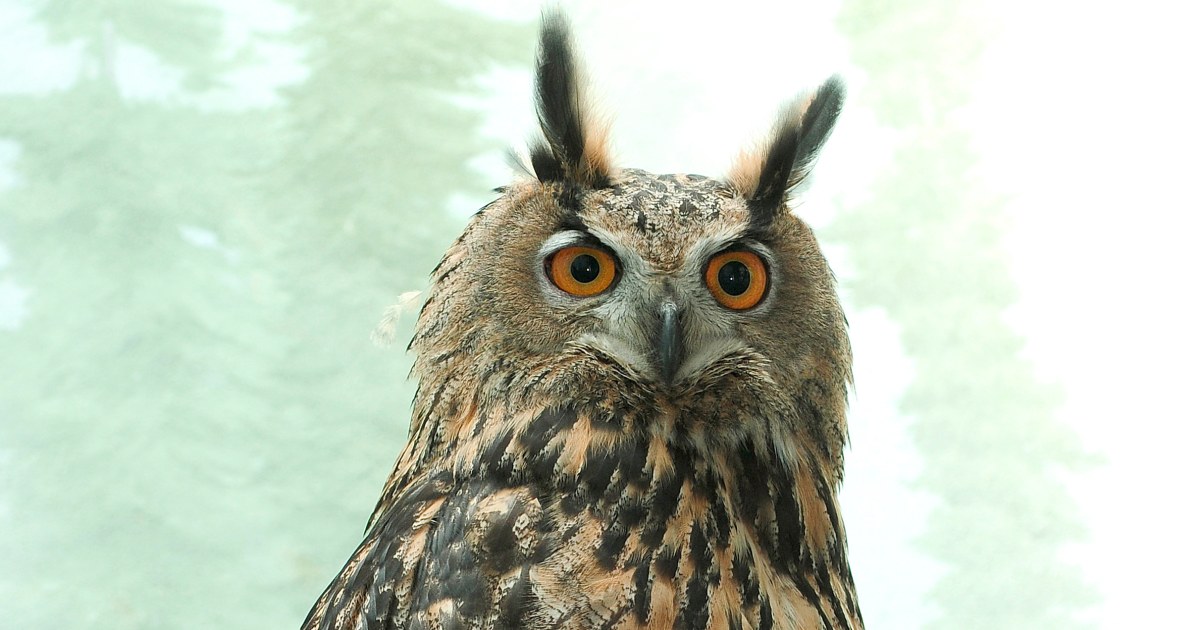
Flaco, the beloved owl who captivated New Yorkers, was found to have severe pigeon herpesvirus and evidence of rat poison in his system, which may have contributed to his death alongside a traumatic injury. The 13-year-old owl had adapted to city life after leaving his zoo habitat, but the combination of infectious disease, toxin exposures, and urban hazards ultimately led to his demise, highlighting the challenges faced by wild birds in an urban setting.
Flaco, the Eurasian eagle-owl that escaped from the Central Park Zoo and lived on the loose in Manhattan, died with potentially lethal amounts of rat poison and a severe pigeon virus in his system, according to a necropsy conducted by the Bronx Zoo. The findings validated concerns about the hazards faced by wild birds in urban settings, highlighting the dangers of toxin exposure and traumatic injuries.
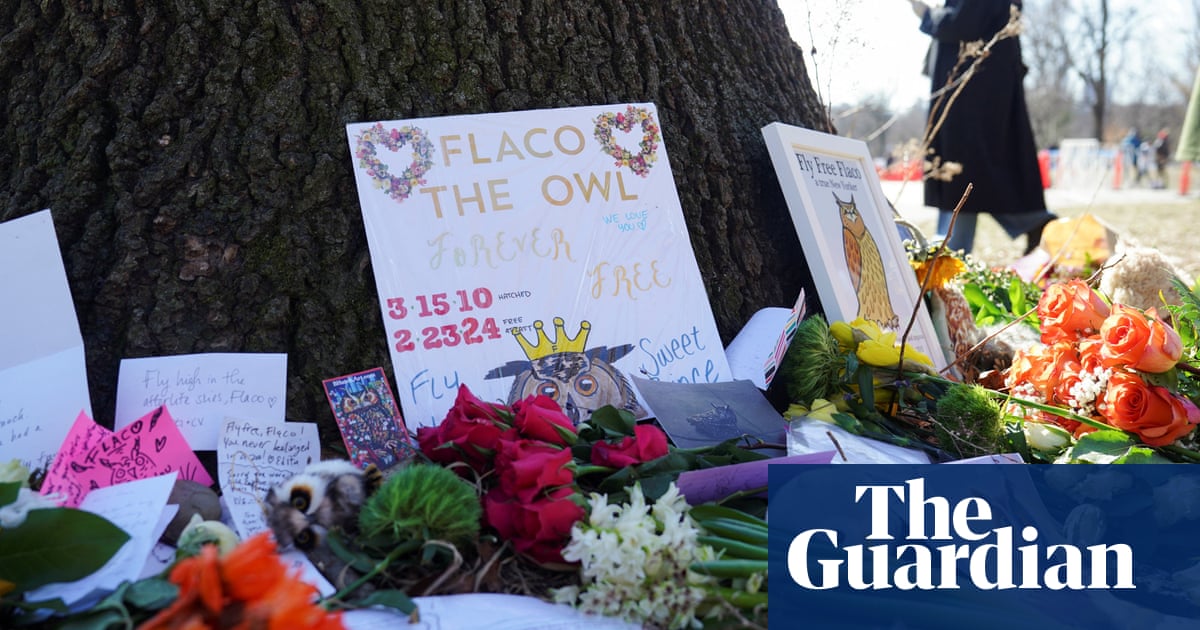
A memorial service for Flaco, the Eurasian eagle owl who escaped from the Central Park Zoo and spent over a year as a wild bird, drew hundreds of fans in Central Park. Attendees eulogized the owl, sharing poems, songs, and heartfelt words. Flaco's resilience and quest for freedom were celebrated, with speakers and musicians paying tribute to his impact. Flaco's accidental death after colliding with a building on Manhattan's Upper West Side prompted the gathering, which was live-streamed and included readings, performances, and reflections on his journey from zoo escapee to independent hunter.
New Yorkers mourn the sudden death of Flaco, a beloved Eurasian eagle owl who captivated the city after escaping from a zoo. Fans gathered at a makeshift memorial in Central Park to honor his legacy, remembering his inquisitive nature and majestic presence in the urban landscape. Flaco's death has brought attention to the dangers of bird collisions in New York City, prompting efforts to make buildings more bird-friendly. His passing comes shortly after the death of another raptor, leaving the city's birders with tender memories of these cherished avian celebrities.
In response to the death of Flaco the owl, a beloved bird in New York City, Senator Brad Hoylman is working on two new bills to protect birds. The Bird Safe Buildings Act, now renamed The Flaco Act, would require new or remodeled government buildings to use materials that reduce bird collisions, while the Dark Skies Protection Act aims to reduce light pollution. These measures are intended to prevent bird deaths caused by collisions with buildings and artificial light, and to make New York City more sustainable for both birds and people.
Flaco, the Eurasian eagle-owl who escaped from a zoo and captivated New York City residents with his truancy and survival, was found dead in an Upper West Side courtyard. While initially thought to have died from a window collision, a necropsy revealed substantial hemorrhage in his body cavity, suggesting a fall from his perch. The article reflects on Flaco's life in captivity, the impact of human intervention on wildlife, and the ethical implications of zoos and urban environments for wild animals.
New York City's beloved owl Flaco died from a traumatic impact, with zoologists confirming that he flew into a building. The Eurasian eagle owl, who had been living in the city for 13 years, was found dead on Manhattan's Upper West Side. The Central Park Zoo blames the person who cut open Flaco's enclosure, but is also investigating illness as a possible factor. Eulogies from fans poured in, with speculation about urban threats to wildlife and theories about Flaco's health before his death.
New York City's beloved owl, Flaco, died from a traumatic impact after reportedly flying into a building, with further testing planned to determine if illness or toxins contributed to his death. The necropsy found Flaco in good physical shape, despite being found dead on a sidewalk, and the Central Park Zoo is investigating illness as a possible factor while also blaming the person who cut open Flaco's enclosure. Eulogies from admirers poured in over the weekend, with speculation about urban threats to wildlife potentially contributing to his death.
Flaco, the beloved Eurasian eagle-owl that escaped from the Central Park Zoo, died from acute traumatic injury after flying into a building in New York City. The necropsy revealed substantial hemorrhage and a small amount of bleeding behind his left eye, but no fractured or broken bones. Pathologists will now investigate potential exposures to toxins and diseases. The tragic incident highlights the issue of bird strikes in the city, where an estimated 250,000 birds die annually from colliding with buildings. New Yorkers have gathered to mourn the loss of the free-spirited owl.
Flaco, the Eurasian eagle-owl who escaped from the Central Park Zoo a year ago, was found dead near Riverside Park after crashing into a building. The initial necropsy results showed that Flaco died of acute traumatic injury, ending his improbable year-long adventure in the wilds of Manhattan. Despite living most of his life in captivity, Flaco inspired a devoted following in New York City and beyond, capturing the public's attention with his ability to thrive on his own for a time.
Flaco, an owl born into captivity and released into the wild in New York City, tragically crashed into a building near Central Park. A necropsy will be performed to determine the cause of his death, with initial findings suggesting acute traumatic injury. The Wildlife Conservation Society will conduct tests to identify any underlying factors, including potential exposure to toxic substances, and evaluate the impact of bird strikes on wild bird populations in urban areas like New York City.
Flaco, the famous Central Park Zoo owl who went missing after a vandal tampered with the bird's exhibit more than a year ago, has died after striking a building in Manhattan's Upper West Side. The owl, known for his resilience and ability to survive in the city, was found unresponsive and declared dead shortly after. The zoo expressed hope for an arrest in the vandalism case that led to Flaco's escape and ultimately his death.
New Yorkers are mourning the loss of Flaco, the beloved Eurasian eagle owl who escaped the Central Park Zoo a year ago and has flown freely around the city since. His death has saddened many, with admirers expressing their grief and praising him for uniting city residents. Despite being in captivity for 12 years, Flaco's year of free flight brought joy to many, and his passing serves as a reminder to cherish the natural beauty around us.
Flaco, the beloved Eurasian eagle-owl that captured the hearts of New Yorkers after escaping the Central Park Zoo, was found dead on a New York City sidewalk after apparently flying into a building. Fans and birders mourned the loss of the majestic owl, known for its nightly hoots and city-wide adventures. Tributes poured in for Flaco, with calls for a permanent statue and memorial in Central Park. The zoo blamed the vandal who damaged Flaco's exhibit for the owl's death and hoped for an arrest.