Tag

Nearsightedness

All articles tagged with #nearsightedness

health1 year ago

Understanding and Treating Nearsightedness: A Comprehensive Guide

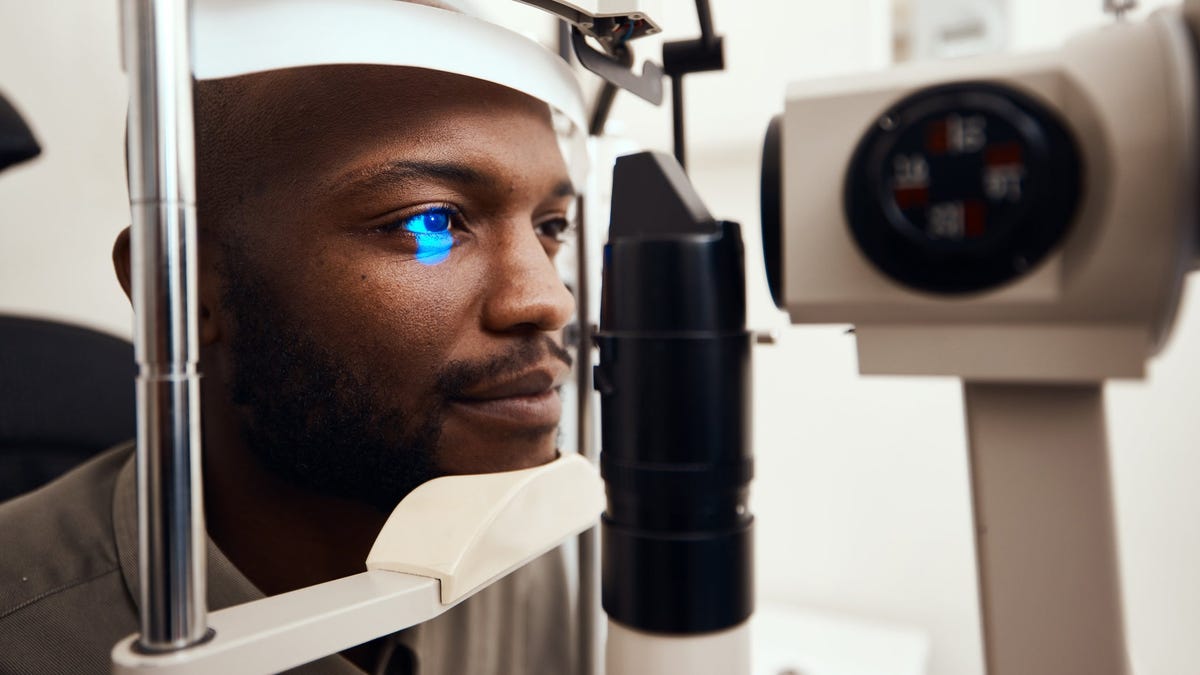
Myopia, or nearsightedness, affects 4 out of 10 people globally, with the number expected to rise to 5 out of 10 by 2050, prompting concerns from the American Academy of Ophthalmology. Genetics and environmental factors play a role in its development, with extensive close-up activities and decreased time spent outdoors being contributing factors. While myopia cannot be permanently reversed, treatments such as specialized contact lenses, eye drops, vision therapy, and lifestyle adaptations can help slow its progression. Surgery and orthokeratology are also options, but the most common treatment is wearing corrective lenses.

health2 years ago

The Rising Epidemic of Myopia in Kids and Adults

Myopia, or nearsightedness, is on the rise globally, especially among children. Dr. David Epley, a pediatric ophthalmologist, explains that spending more time outdoors and engaging in activities that require looking at objects farther away can help prevent myopia. Other factors such as low levels of vitamin D and diet can also contribute to its development. Highly myopic individuals are at a higher risk of developing serious eye conditions such as glaucoma, cataracts, macular degeneration, and retinal detachment. While myopia cannot be reversed, there are ways to slow its progression, including medication, contact lenses, orthokeratology, and specialized glasses lenses.

technology2 years ago

"Apple's iOS 17 Introduces Screen Distance for Eye Protection"

Apple's upcoming iOS 17 introduces a new feature called Screen Distance, aimed at protecting users' eyes, particularly children, from the risk of myopia caused by holding screens too close. The feature uses the TrueDepth camera on iPhones and iPads with Face ID to check if the device is held at least 12 inches away from the eyes. If the device is held too close for an extended period, a warning appears on the screen, preventing further use until the device is moved farther away. The Screen Distance data remains on the device and is not shared with Apple. The feature is currently available in the iOS 17 public beta.

technology2 years ago

iOS 17 introduces eye strain reduction feature to protect users' eyes.

Apple's latest operating system versions for the iPhone and iPad come with a feature called Screen Distance that may help cut down on the risk of nearsightedness, especially in children. The feature uses the TrueDepth camera to determine the distance between the display and your eyes and encourages users to keep a safe distance between their devices and their eyes. The opt-in feature can be enabled by tapping on Screen Distance in Settings and reminds users that keeping their devices at arm's length is good for their eyesight.

health2 years ago

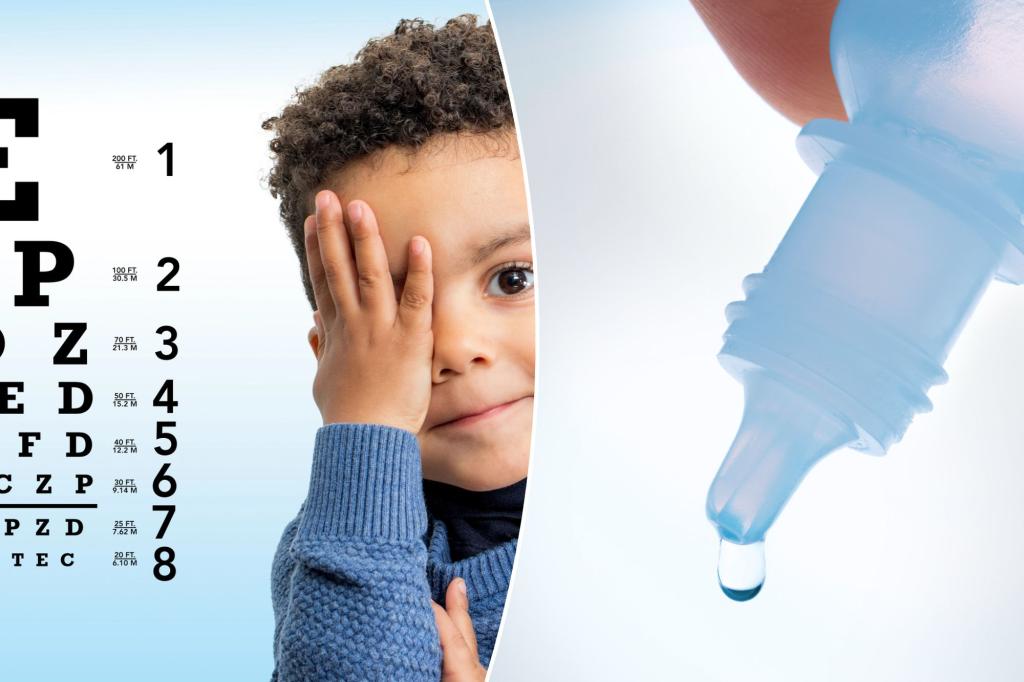
Atropine eye drops show promise in preventing childhood myopia.

Eyedrops containing atropine, a substance used to dilate pupils, could delay or prevent nearsightedness in children, according to a new study. The research found that atropine limited eyeglass prescription changes and slowed the lengthening of the eye, which causes nearsightedness, better than a placebo. The lower 0.01% eyedrop solution was even better at slowing the progress of myopia than the stronger 0.02% solution. Nearsightedness usually starts in young children and gradually worsens into the teenage years before leveling off at some point.

health2 years ago

New Study Shows Promising Results for Slowing Nearsightedness in Children.

A new clinical trial has found that a daily drop in each eye of a low dose of atropine, a drug used to dilate pupils, was better than a placebo at limiting eyeglass prescription changes and inhibiting elongation of the eye in nearsighted children aged 6 to 10. The results suggest that the first drug therapy to slow the progression of nearsightedness in kids could be on the horizon. About one in three adults worldwide is nearsighted, and the global prevalence of myopia is predicted to increase to 50% by 2050.

science2 years ago

Uncovering the Flaws in Huygens' Telescopes.

Christiaan Huygens, a 17th-century mathematician and astronomer, built telescopes that were considered poor in quality for the period. Now, it is believed that Huygens may have needed corrective glasses all along, as he may have been nearsighted. This would account for why his telescopes were blurry, despite his calculations for different magnification levels. Huygens is known for discovering Titan, the largest moon of Saturn, and studying the planet's rings.